
Vietnamese drinks are every bit as interesting as the country’s food. There’s a surprising variety of drinking culture to explore, from strong coffee to sugarcane juice, fresh beer, rice spirits, herbal teas, and more and more inventive craft cocktails. Some beverages are very traditional, others are a reflection of the fast-growing modern food and cocktail culture in Vietnam. Whether you’re sitting on a tiny plastic stool in Hanoi or exploring a cocktail bar in Ho Chi Minh City, these are some of the Vietnamese drinks worth trying.
Coffee
1. Vietnamese Filter Coffee, Cà Phê Đen

Vietnamese coffee is renowned for its strength, darkness and intense aroma, and cà phê đen is as simple as it comes. The coffee is traditionally brewed with a small metal phin that filters the coffee and drips into a glass or cup. Vietnamese coffee beans are frequently robusta, which results in a much stronger and bitter taste than many coffees from the West. It can be served hot or over ice, and is one of the easiest ways to experience Vietnam’s unique coffee culture.
2. Cà Phê Sữa Đá

If Vietnamese black coffee is a bit too strong, then it’s likely that you should order cà phê sữa đá. Strong coffee is slowly brewed in a phin filter, sweetened with condensed milk and then poured over a good amount of ice. The condensed milk helps to mellow the harshness of the coffee and adds a rich, caramel flavor. It is particularly popular on hot days and is one of the most well-known Vietnamese beverages abroad. It is a must-have for many visitors to Vietnam.
3. Bạc Xỉu

Bạc xỉu is sometimes referred to as Vietnamese white coffee, but it is very different from a typical milky coffee from the West. The beverage is a relatively strong coffee with a lot more milk, usually condensed milk, which is sweetened. The outcome is sweeter, creamier, and much less strong than cà phê sữa đá. It is especially linked to the old café culture in southern Vietnam and is a great choice for those who love the taste of coffee but don’t like the strong taste of Vietnamese coffee.
4. Cà Phê Trứng

Cà phê trứng, or egg coffee, is one of Hanoi’s most popular coffee concoctions, which is a blend of strong Vietnamese coffee and a creamy, rich mixture of whipped egg yolk and condensed milk. The topping is somewhere between custard and fluffy mousse, and contrasts with the bitter coffee underneath. At first it sounds like a strange drink, but it is very indulgent and is one of the most popular drinks in Hanoi. It’s best served slowly so that the coffee and sweet egg mixture can blend together.
5. Cà Phê Dừa

Cà phê dừa is a blend of Vietnamese coffee and creamy, tropical coconut. There are different recipes in cafés, some of which use coconut milk or cream, while others mix coffee with a coconut-based mixture and ice. It is typically sweet, cold, rich and refreshing, especially in the hot and humid climate of Vietnam. It also shows how Vietnamese cafés often mix their unique robust coffee with local ingredients to make a beverage that is entirely different from the traditional iced coffee.
6. Civet Coffee

One of Vietnam’s most bizarre and controversial specialty coffees is known as kopi luwak, or civet coffee. Coffee cherries are traditionally consumed by civets and passed through their digestive system before the beans are harvested, cleaned, dried and roasted. The process is said to change the flavor and remove some of the bitterness, but the reputation of the drink is more important than the taste. It is also important for visitors to be aware of animal welfare issues with some commercial civet coffee operations and to think about the origin of the coffee.
Tea
7. Trà Đá

Trà đá is an iced tea, the most basic and common drink in Vietnam. It is typically brewed from green tea, served cold and is often served with meals, especially at informal restaurants and street food vendors. Trà đá is not a fancy drink like many of the other Vietnamese drinks, it is a drink for everyday use. The lightly bitter and earthy taste complements rich and spicy dishes, and the ice provides a refreshing beverage in the hot climate of Vietnam.
Do you like discovering drinks around the world? Then you may also like our guides to Slovenian drinks, Croatian drinks, Serbian drinks, and Albanian drinks.
8. Trà Sen

Vietnamese lotus tea, or Trà sen, is one of the most unique traditional teas in Vietnam. The traditional method of scented green tea is to add the fragrance of lotus flowers, which gives the tea a delicate floral aroma without losing its characteristic bitterness and freshness. The traditional lotus tea is labor-intensive to make, and has been accorded a special place in Vietnamese tea culture. It is commonly linked to Hanoi and northern Vietnam, and is a great option for those who prefer something more traditional and less sweet than fruit drinks.
9. Trà Gừng Sả

Trà gừng sả is a blend of two popular ingredients in Vietnamese cooking: ginger and lemongrass. Ginger brings warmth and a subtle spice, while lemongrass provides a refreshing citrusy note. The beverage may be hot or cold, and can be sweetened with sugar or honey, depending on the location. Not a strong tea, it’s a more herbal drink and is a nice alternative to coffee, and a good drink after a big meal from Vietnam.
Fresh & Non-Alcoholic Vietnamese Drinks
10. Dừa Tươi

Dừa tươi, or fresh coconut, is one of the most natural beverages for the tropical climate of Vietnam. Young green coconuts are opened and served with a straw, so that you can drink the naturally sweet coconut water directly from the fruit. The taste is light, slightly sweet and very refreshing, and the coconut can be consumed after with a spoon. Fresh coconuts are readily available from markets, street vendors, beaches, and restaurants, making it one of the easiest Vietnamese drinks to come across while traveling.
11. Nước Mía

Sugarcane juice (nước mía) is one of Vietnam’s iconic street drinks. The fresh sugarcane stalks are fed into a machine which crushes them and extracts the naturally sweet juice. It is frequently served over ice, sometimes with a squeeze of citrus to give it acidity and balance the sweetness. The resulting beverage is very refreshing, especially on a hot afternoon. You can also watch the pressing of the sugarcane in front of you, and street vendors selling nước mía can be seen all over Vietnam.
12. Rau Má

Rau má, which translates to pennywort juice, is a bright green beverage from fresh pennywort leaves. The leaves are blended or crushed and mixed with water, sometimes with the addition of sugar to make the earthy taste more palatable. It is especially favored as a refreshing beverage and is closely linked to traditional Vietnamese notions of refreshing the body. It may taste a little grassy or herbal, depending on the fruit juice, but if you’re looking for something distinctly local, rather than another familiar tropical fruit drink, then this is for you.
13. Nước Sâm
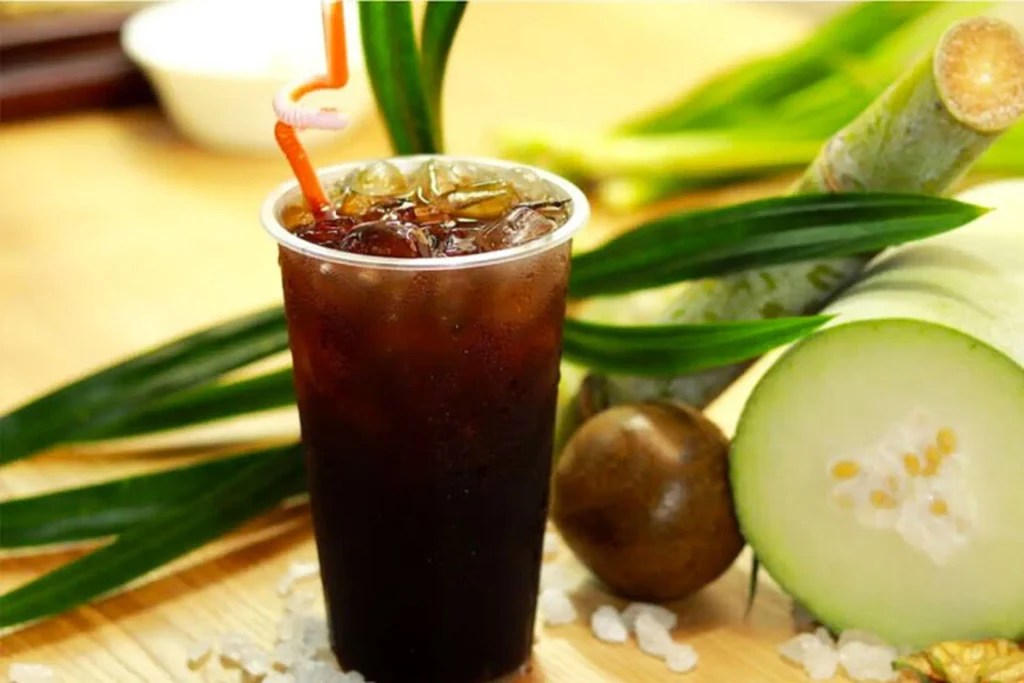
Nước sâm is a traditional herbal drink in Vietnam which is prepared from a mixture of plants, roots, and other botanical ingredients. Recipes are quite different, but the beverage is typically light on the sweetness and served cold. It is often sold by street vendors and in informal restaurants, especially in southern Vietnam. It is herbal, earthy and slightly sweet, making it hard to compare with familiar western drinks. Nước sâm is a drink that provides an insight into the long tradition of herbal drinks in Vietnam for those who are interested in everyday Vietnamese drinks.
14. Sinh Tố

Sinh tố is the Vietnamese version of fruit smoothie and is a particularly popular drink during the hot season. Fresh fruit is mixed with ice and is often mixed with condensed milk, sugar, yogurt or other ingredients as per the recipe. Popular varieties include avocado, mango, banana, strawberry or dragon fruit. Vietnamese sinh tố is thicker and sweeter than a fruit juice, and is more of a snack than a drink. It’s best to sample one at a street café or juice shop.
15. Sữa Ngô
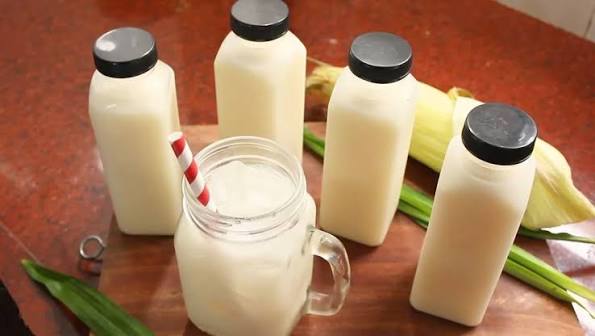
Sữa ngô, or Vietnamese corn milk, is a sweet drink made using corn and milk or a milk-like mixture. The corn provides a natural sweetness and a grainy taste to the drink, and the milk adds a creamy texture. Can be served chilled or warm, depending on the establishment. It is not as well-known as Vietnamese coffee, but it is a fascinating example of the many home-style drinks available in Vietnam. It’s especially recommended if you like sweet, creamy beverages that are not as strong as coffee.
16. Hồ Ly Water

Hồ Ly Water is a newer facet of Vietnamese drinking culture. It is not a traditional drink, but rather a drink from the modern craft-drink culture of Vietnam, and an example of the experimentation of local brewers and bartenders. The name and concept are inspired by the Vietnamese culture and the drink is a newer generation of locally developed drinks. This is a fascinating alternative to popular beverages like trà đá and nước mía, and a testament to Vietnam’s beverage culture’s evolution beyond its traditional offerings.
17. Chè Đỗ Đen
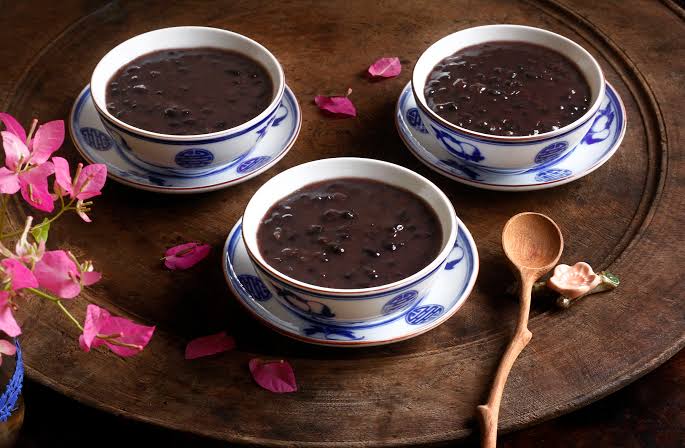
Vietnamese black bean sweet soup, chè đỗ đen, is a kind of dessert or beverage. Black beans are cooked until tender and sweetened, and then served with ice and sometimes coconut milk or other toppings. The mix results in a sweet and refreshing dessert, especially popular in Vietnam’s warm climate. Chè is actually a general term for Vietnamese sweet desserts, and various types may include beans, fruits, jellies, seeds, and more. Chè đỗ đen should thus be considered more of a traditional sweet drink-dessert than a simple drink.
Beer
18. Bia Hơi

Bia hơi is a quintessential Vietnamese drinking experience, especially in Hanoi. The name comes from fresh, lightly brewed draft beer that is usually drunk shortly after being brewed. It’s usually low in alcohol and cheap, making it ideal for extended socializing sessions with Vietnamese street food. Bia hơi is closely linked to drinking on the street, with small plastic stools and low tables lining the streets around the popular beer corners. It is not only a beer but also an integral part of Hanoi’s social culture.
19. Hanoi Beer

Bia Hà Nội, or Hanoi Beer, is one of the most popular mainstream beer brands in Vietnam and is especially linked to Hanoi. A light, crisp, easy-to-drink lager-style beer. It can be found in restaurants, bars, shops and street food stalls all over Hanoi and beyond. It’s not as wild as some of Vietnam’s craft beers, but a cold Hanoi Beer and local cuisine is a simple way to engage in Vietnam’s daily drinking habits.
20. Saigon Beer

Saigon Beer, including the popular Saigon Beer line, is one of the most well-known beer brands in the south of Vietnam. It is a relatively light and refreshing lager, similar to many other Vietnamese lagers, which is ideal for the warm climate and spicy, flavorful cuisine of Vietnam. It is usually consumed socially with food, not as a beverage to be studied. Saigon Beer is the equivalent of Bia Hà Nội and bia hơi for Hanoi, and it’s a taste of the drinking culture of southern Vietnam.
Traditional Alcoholic Vietnamese Drinks
21. Rượu Gạo

Rượu gạo, which translates to “rice alcohol” or “rice wine,” is a traditional alcoholic beverage in Vietnam. Rice is fermented and then distilled into a more potent liquor, depending on the style. The resulting beverage may be quite different in strength, taste and quality, especially when compared to commercial versions. The general term rượu can also be used for alcoholic beverages, and for rice beverages in general, so you might find many local variations. It is usually drunk in small glasses at meals, celebrations, and social events.
22. Rượu Táo Mèo

Rượu táo mèo is a traditional spirit made from fruits, especially from the northern part of Vietnam and the mountainous areas. It is prepared with a small wild fruit known as táo mèo, which is translated as mountain apple or Vietnamese hawthorn, and mixed with alcohol and left to infuse. The outcome is usually fruity, sweet and somewhat tart in flavor than plain rice spirits. The drink is particularly fascinating for visitors to northern Vietnam, where it holds a special place in the lives of the mountain people and their natural resources.
23. Rượu Thuốc

Rượu thuốc, which translates as medicinal or herbal alcohol, is a distilled alcohol or rice-based alcohol that is flavored with local herbs, roots, plants, and sometimes other traditional ingredients. The exact recipe may differ greatly between different producers or households. It has traditionally been associated with Vietnamese herbal practices and is often consumed in small quantities rather than like beer or wine. You might see bottles of striking herbs, roots, or other components. It may be a traditional remedy, but it is still an alcoholic beverage and not medicine.
24. Local Vietnamese Vodkas
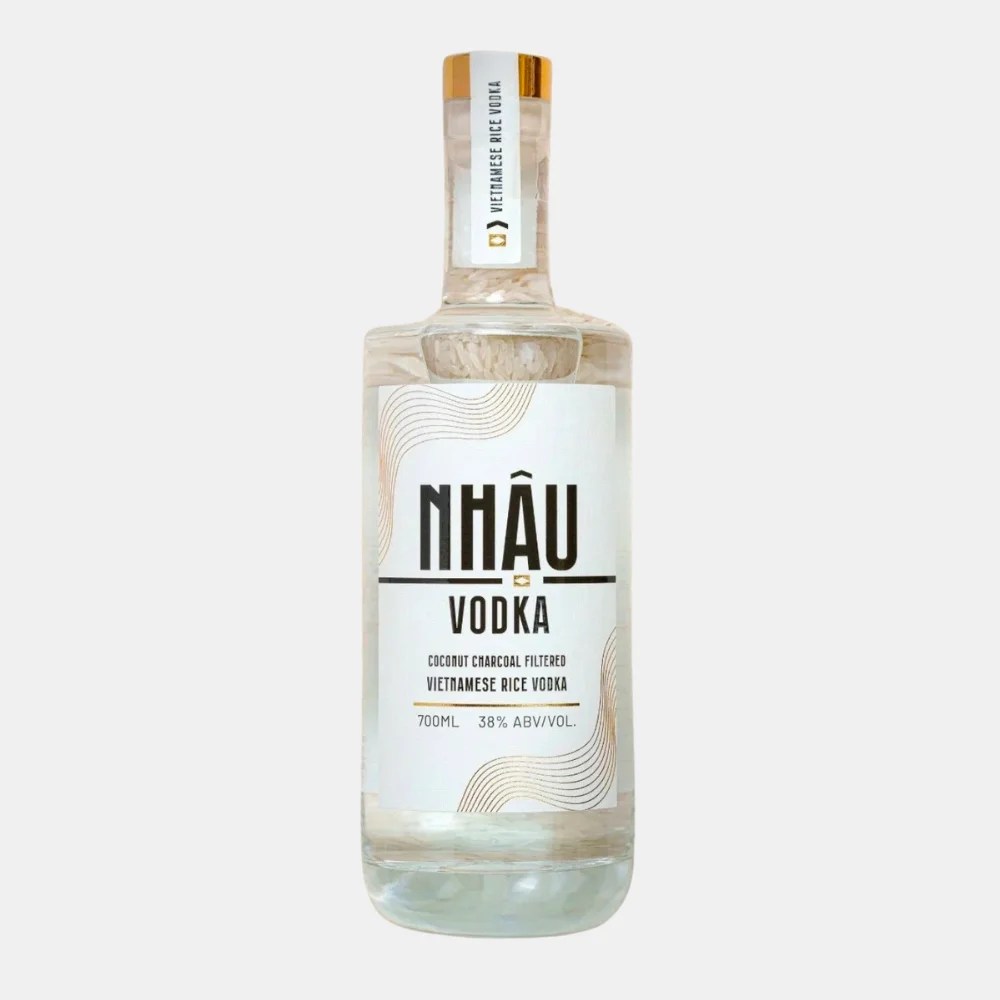
There are several local clear distilled spirits in Vietnam, some of which are likened to vodka. They are typically brewed from fermented and distilled grains or other crops and may be of poor quality and low strength. Unlike internationally standardized vodka brands, local spirits may have a more rustic character, particularly when produced on a small scale. They are frequently eaten with meals or at social events. When you are served a local drink in Vietnam, it is important to keep in mind that some of them may be quite potent.
25. Phở Cocktail
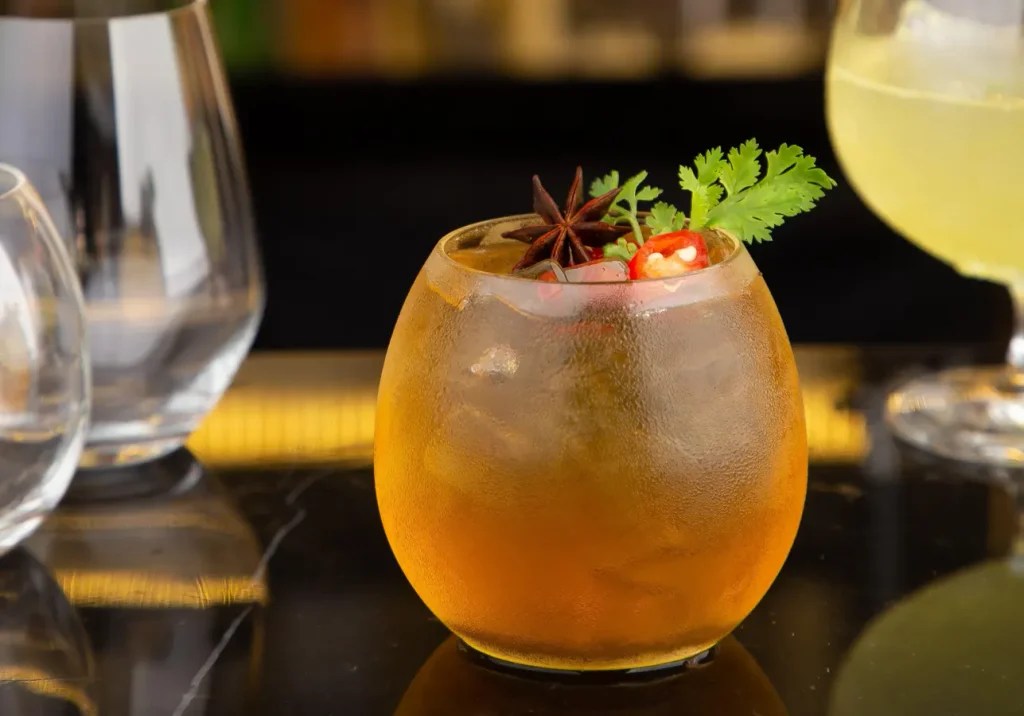
The phở cocktail is a fun example of how Vietnam’s traditional flavors have made their way into the modern cocktail scene. It is not a traditional Vietnamese beverage, but rather inspired by the country’s iconic noodle soup, phở, which features aromatic ingredients that are also used in phở, including spices, herbs, and sometimes infused spirits. Recipes can vary greatly from bar to bar. It’s a strange concept, but it’s a common practice among Vietnamese bartenders: using familiar local flavors and creating sophisticated cocktails for a modern crowd.
26. Other Vietnamese Cocktails

Modern cocktails in Vietnam are increasingly blending in ingredients that are very much tied to the country’s cuisine and landscapes. Bartenders play with Vietnamese coffee, tropical fruits, herbs, spices, tea, rice spirits, local gin and lemongrass and ginger. Therefore, there is no one definition for a “Vietnamese cocktail. The most interesting examples are in independent cocktail bars in cities like Hanoi and Ho Chi Minh City, where the bartenders play with familiar Vietnamese flavors instead of copying international cocktail recipes.
Craft Spirits
27. Lady Trieu Sapa Citrus Tea Gin

Lady Trieu Sapa Citrus Tea Gin is a blend of Lady Trieu’s craft-gin style and ingredients from the northern highlands of Vietnam. The citrus and tea notes are emphasized, which are well suited to Vietnam’s abundant flora. Sapa is particularly associated with its mountainous scenery and diverse local agriculture, making it an appropriate source of inspiration for a regional spirit. If you’re looking for something that’s a drink of the present day, and yet that’s rooted in the local ingredients and geography of Vietnam, it’s an interesting drink to look for.
28. Kim Long Giao Spirits

Another name to be familiar with in the new craft-spirits scene in Vietnam is Kim Long Giao Spirits. It is a step forward from the traditional homemade rice spirits of Vietnam to more sophisticated and internationally presented products, as is the case with other modern Vietnamese producers. The newer spirits tend to be a mix of contemporary distilling methods and local ingredients and Vietnamese influences. If you have already tasted rượu gạo and traditional Vietnamese alcohol made from rice, then you will get a whole new understanding of the Vietnamese attitude towards alcohol when you try Vietnamese craft spirits.
29. The Vietnam Emerging Craft-Spirit Scene

Vietnam’s beverage culture is evolving rapidly, and one of the most obvious examples is the modern craft-spirit industry. Local distillers are trying out gins, rice spirits, fruit alcohol, tea, herbs, spices, and more, all of which are a testament to Vietnam’s incredible regional diversity. This is a growing series of spirits that are distinctly Vietnamese, but not limited to traditional recipes. This is especially thrilling for the modern cocktail and distilling scene in Vietnam: in addition to centuries-old rice wine, there are sophisticated spirits made with a distinctly modern Vietnamese identity.
How did you like this guide to Vietnamese drinks? Did you ever try any of them? Feel free to share your thoughts and experiences in the comments below.
Like it? Pin it.