

Longan might not be as famous as mango, pineapple, or lychee, but this small tropical fruit is a delicious treat worth discovering. With its thin brown shell, translucent flesh, and naturally sweet flavor, longan is enjoyed throughout Asia, both as a refreshing snack and as an ingredient in traditional desserts and drinks. If you’ve never tried it before, you might be wondering how to eat longan fruit, what it tastes like, or which foods pair well with it. From its origins and unique flavor to the best ways to peel, prepare, and serve it, this guide covers everything you need to know about enjoying this fascinating tropical fruit.
What is Longan Fruit?

Longan (Dimocarpus longan) is a tropical and subtropical fruit that belongs to the same family as lychee and rambutan, the soapberry family. Fruit is borne in clusters on evergreen trees and typically is the size of a large grape or small cherry. It has a thin, leathery, light brown exterior and a light brown, juicy, translucent flesh with a single dark seed in the center.
The fruit is known as dragon’s eye, which is the translation of its Chinese name, long yan. This peculiar nickname is because of its appearance when peeled; the shiny black seed can be seen through the translucent flesh, like an eyeball. Longan is a bit unusual-looking but has a very sweet taste with a hint of floral and musky flavor.
Longan is a tree that has been grown in Asia for thousands of years, especially in southern China, where it has been used for centuries as a food and in traditional Chinese dishes. The exact geographical origin is not clearly known, but the fruit is indigenous to parts of tropical and subtropical Asia, such as southern China and the mainland Southeast Asian countries.
Longan cultivation gradually expanded across the region, especially in Thailand, Vietnam, Cambodia, Laos, Malaysia, and Taiwan. Thailand is now one of the leading commercial growers and exporters of longan, particularly from the northern provinces of Chiang Mai and Lamphun.
In other parts of the world, longan is grown in Florida, Hawaii, Australia and Central America. It is, however, more closely associated with Asian food culture, as fresh longan is sold extensively in markets during the harvest season.
How Does Longan Taste?

Longan is a new fruit that tastes like lychee, sweet grapes, and a little honey. It has a very sweet taste with a light floral note and a slight musky aftertaste. Longan is not very acidic when ripe, which is a significant advantage for those who like sweeter fruits, compared to many tropical fruits.
Another interesting feature is the texture. The flesh of longan is smooth, slippery, and juicy, somewhat like a peeled grape, but it is generally a little firmer. The flesh gives off a refreshing sweet juice when bitten.
Longan is often likened to lychee and rambutan as they are all members of the same botanical family. But there are some distinct differences.
Choosing The Perfect Longan Fruit

Once you know what to look for, selecting good longan is relatively easy. Longan does not ripen much after harvest, so it is important to choose mature and sweet fruit.
Start by examining the skin. The shell of fresh longan is light tan to yellowish-brown, depending on the variety. The shell should appear relatively intact with few cracks, mold or dark wet spots. A few days of storage is fine, as some natural discoloration is normal.
Then, squeeze the fruit lightly. A good longan should be firm but not hard, and the shell is thin and slightly gives way. Fruit that is too soft, mushy, or abnormally light may be old or dried out.
The smell is another important factor to consider. Fresh longan is mild and pleasant-smelling, whereas a fermented, sour, or alcoholic smell may be a sign of spoilage.
Step-by-Step Guide: How to Eat Longan Fruit

It is very easy to learn how to eat longan fruit. Longan can be peeled with your fingers in a few seconds, unlike some tropical fruits which need knives or special preparation.
Step 1: Wash the fruit. Rinse longan first under cool running water. Although the skin is not eaten, washing will help to remove dirt and other impurities that may be transferred to the flesh during peeling.
Step 2: Break the shell on the outside. Gently squeeze one longan between your thumb and forefinger until the thin brown shell cracks. If the shell is very hard, make a small hole in it with your thumbnail. No need to use a knife.
Step 3: Peel the skin off. When the shell breaks open, spread it open with your fingers. The skin should peel off from the clear flesh below. Discard the shell.
Step 4: Consume the pulp. Eat the peeled longan and savor its sweet and juicy taste. Don’t bite too hard, as there is a large, firm seed in the middle.
Step 5: Take out the seed. The flesh around the seed can be eaten gently, and the seed can be spit out, or the flesh can be separated from the seed with fingers before eating. The seed is not meant to be eaten and should be discarded.
Different Ways How To Eat Longan Fruit
While the fresh fruit is the easiest and most popular way to enjoy longan, there are a number of other preparations and serving options for this versatile tropical fruit.
Fresh Longan

Fresh longan is best enjoyed as a snack, especially when it’s in season. Just wash, peel and remove the seed before consuming. Serve at room temperature or refrigerate for several hours. It is a great alternative to grapes or other bite-sized fruits because of its juicy texture and natural sweetness.
Dried Longan

Dried longan is especially favored in Chinese cooking and traditional dishes. During the drying process, a lot of moisture is lost, leaving the fruit sweeter and with a chewy texture and caramel flavor. Dried longan can be eaten as a snack, steeped in hot water to make tea, or simmered in sweet soups and desserts. Note that some dried longan products may still have the seed, so be sure to check before consumption.
Canned Longan

Canned longan is a good choice when fresh longan is not available. It is usually sold peeled, deseeded, and in water or sweet syrup. It can be consumed directly from the can, incorporated into fruit salads, or used in desserts and cocktails. For a less sugary option, choose longan packed in water or light syrup, or drain the syrup before serving.
Frozen Longan
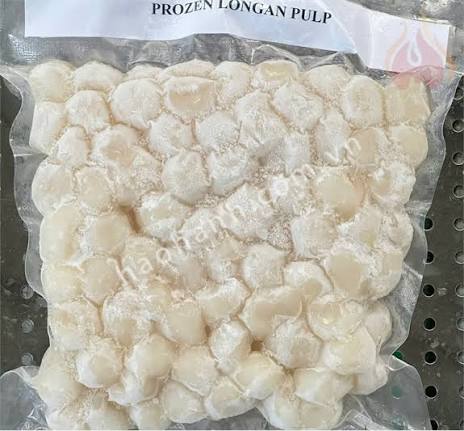
Longan is a delicious snack in hot weather when it is frozen. Peel and remove the seeds from the fruit and freeze it in a single layer before putting it in an airtight container. It can be blended into smoothies or thawed a little before consumption once frozen. After thawing, the texture will soften, but the sweet taste will be delightful.
What can you eat longan fruit with?

Longan is very sweet and delicate, so it can be easily mixed with other ingredients. It is a good ingredient for tropical fruits, creamy desserts, and lightly flavored foods that don’t overpower its natural flavor.
Tropical fruits
Longan pairs well with mango, pineapple, papaya, dragon fruit, watermelon, and coconut. The combination of these fruits results in a vibrant tropical fruit salad that offers a harmonious blend of sweetness, acidity, and refreshing textures.
Yogurt and breakfast bowls

Serve peeled, deseeded longan in Greek yogurt, overnight oats, chia pudding, or granola. It’s naturally sweet, which can help cut back on added sugar, and it’s juicy, which pairs well with creamy yogurt and crunchy toppings.
Coconut milk and creamy desserts

The best ingredient for longan is coconut milk. It has a rich, creamy flavor that complements the sweetness of the fruit, making it perfect for chilled desserts, puddings, and sweet soups.
Ice cream and frozen treats

Fresh or canned longan is a great addition to vanilla ice cream, coconut ice cream, and frozen yogurt. It can also be used to make homemade sorbets or mixed with crushed ice for a cool summer dessert.
Tea and refreshing drinks

Longan is a good companion to jasmine tea, green tea, black tea, and herbal teas. Fresh longan is slightly sweet and fruity, and dried longan is richer and sweeter when soaked in water.
If you’re looking for something a bit more out of the ordinary, pair longan with cucumber, mint, lime, and a bit of chili in a salad. Sweet fruit, fresh herbs, and spicy seasoning are a great combination, especially in Southeast Asian cuisine.
What are the uses of Longan in cooking?

Longan can be used in sweet or savory cooking, but desserts and beverages are the most common ways to use it in the kitchen. It is also naturally sweet, making it ideal for recipes that call for a subtle fruit taste, as opposed to a strong one.
One of the most traditional uses of longan is in sweet soups, particularly in Chinese cuisine. Dried longan is commonly cooked with other ingredients like red dates (jujubes), lotus seeds, goji berries, or snow fungus. These combinations make light desserts which can be served hot or cold.
Longan is also commonly used in drinks. Dried longan is used to make a sweet, aromatic beverage called nam lamyai in Thailand. It’s commonly served over ice and is especially refreshing in hot weather.
Fresh longan is suitable for use in smoothies, fruit salads, puddings, and homemade syrups for modern recipes. It can be mixed with coconut milk, mango, or banana to create tropical beverages, or it can be used as a cake topping or other dessert.
Longan can also be used in savory dishes, although this is less common. It is a sweet flavor that complements shrimp, chicken, cucumber, lime, and fresh herbs. Longan can be used in salads to balance out the spicy dressings, or in stir-fries or sauces to add a mild fruity flavor.
Longan Fruit in Different Asian Cuisines

Longan is an important fruit in several Asian food cultures, and its preparation is very different from country to country. Some cuisines highlight fresh fruit and refreshing drinks, while others incorporate dried longan into traditional desserts and sweet soups.
Chinese Cuisine
Longan is called long yan in China and has been consumed for a long time. Fresh longan is consumed as a seasonal fruit, and dried longan, known as gui yuan, is used in sweet soups, teas, and traditional dishes.
A popular mix is dried longan, red dates and goji berries, which are simmered together to make a naturally sweet drink or dessert soup. Longan is also used in tong sui, a wide range of Cantonese sweet soups, sometimes in combination with lotus seeds, snow fungus, or other ingredients.
Thai Cuisine
Thailand is one of the most famous countries that produces longan, especially in the northern part of the country. Lamyai is the fruit, which is eaten fresh in the harvest season, and is sold in big bunches in local markets in Thailand.
Nam lamyai is a sweet beverage prepared by steeping dried longan in water, sometimes with added sugar, which is one of the most popular ways to consume longan. It is typically served cold with ice, but can be served warm. Longan is also used in chilled desserts, fruit combinations, and sweet preparations using coconut milk.
Vietnamese Cuisine
Longan is known as nhãn in Vietnam, especially favored as a fresh seasonal fruit. It is also used in traditional sweet desserts called chè, which can include fruits, beans, seeds, and sweetened liquids.
One popular example is chè hạt sen long nhãn, which is a lotus seed and longan dessert. The longan is usually eaten with the lotus seeds removed from the pit and stuffed into the cavity, which is then filled with a lightly sweetened syrup to make a handsome dessert. Can be served hot or cold.
Malaysian Cuisine
In Malaysia, longan is commonly enjoyed fresh, canned, or dried, and it appears in a variety of desserts and refreshing drinks. Its natural sweetness makes it particularly suitable for beverages served over ice.
One interesting example is air mata kucing, a popular Malaysian drink associated with dried longan and often prepared with ingredients such as winter melon and luo han guo (monk fruit). The drink is typically served chilled and is especially popular as a refreshing treat in Malaysia’s hot, humid climate.
Popular Longan Recipes to Try at Home

If you’ve bought longan for the first time and want to experiment beyond eating it fresh, there are several easy recipes that highlight its sweet, delicate flavor.
1. Longan Coconut Dessert
Combine one cup of peeled, deseeded longan with one cup of chilled coconut milk. Add a little honey or sugar if needed, then serve over crushed ice. For extra texture, include small pieces of mango, coconut jelly, or cooked tapioca pearls.
2. Longan Iced Tea
Simmer half a cup of dried, pitted longan in three cups of water for approximately 20 minutes. Allow the mixture to cool, then strain if desired and serve over ice. You can add a little lemon juice or combine the longan infusion with chilled black tea for a different flavor.
3. Tropical Longan Fruit Salad
Mix one cup of peeled, deseeded longan with chopped mango, pineapple, and dragon fruit. Add a squeeze of fresh lime juice and a few chopped mint leaves. Refrigerate for 15–20 minutes before serving to allow the flavors to combine.
4. Longan Smoothie
Blend one cup of peeled, deseeded longan with half a banana, half a cup of coconut milk, and a handful of ice. For a more tropical variation, add mango or pineapple. Blend until smooth and serve immediately.
5. Chinese Longan Sweet Soup
Simmer half a cup of dried, pitted longan with six red dates and four cups of water for approximately 25–30 minutes. Add rock sugar to taste, along with a small handful of goji berries during the final few minutes. Serve warm or refrigerate for a chilled dessert.
Whether you’re trying longan for the first time or looking for new ways to use it in your kitchen, the fruit offers plenty of possibilities. Its delicate sweetness, juicy texture, and compatibility with both traditional Asian ingredients and everyday foods make it easy to experiment with. However, if you want to appreciate its natural flavor, the simplest approach is still one of the best: chill a handful of fresh longans, crack open the shells, remove the seeds, and enjoy.


