
Estonian desserts are criminally underrated; rather than relying on elaborate decorations or mountains of frosting, many traditional sweets make clever use of simple ingredients such as curd cheese, rye bread, apples, berries, grains, and cream. Some are deeply rooted in Estonia’s rural food traditions, while others have become beloved homemade treats that feel distinctly Estonian. There are also a few desserts with names that sound like they belong in a children’s storybook — including a spotted dog and a cat called Artur. Here are some of the Estonian sweets worth trying if you have a sweet tooth.
Kohupiimakreem (Curd Cheese Cream)

Kohupiimakreem is a simple yet tasty Estonian dessert consisting of fresh curd cheese, kohupiim, which is comparable to quark, cream, and sugar. The outcome is rich, creamy, and tangy, but not as thick as whipped cream or cheesecake filling. Can be served plain or with berries, fruit, jam, or other sweet toppings. The secret of its appeal is its simplicity: kohupiim has always been a key ingredient in Estonian cooking, and this dessert is a delicious way to enjoy a simple dairy product. It’s proof that Estonian desserts don’t have to shout to get your attention.
Kama (Kama)

Kama is one of the most unique traditional foods of Estonia, which is a finely ground mixture of roasted grains and legumes, traditionally consisting of barley, rye, oats and peas. Kama is not always a dessert, but it is often combined with buttermilk, kefir or yogurt and sugar to make a creamy and slightly nutty sweet dish. It is a wonderfully rustic flavour and is very much part of Estonian traditional food culture. Kama might seem quite modest, but appearances can be deceiving, and this is basically Estonia’s answer to the question, “What if breakfast cereal grew up and became dessert?”
Kringel (Estonian Cinnamon Ring)

Kringel is the popular Estonian braided sweet bread, which is typically filled with butter, sugar, and cinnamon and twisted or braided into a unique ring shape. It’s a bit like a cinnamon roll and a bit like a festive sweet bread, but with a crisp, caramelised outside and a soft, fragrant inside. Kringel is especially favored for celebrations, birthdays, and family reunions, and a big ring can be prominently displayed in the center of the table. The name is connected to the German Kringel, but Estonia has transformed this sweet pastry into its own — and it doesn’t last long after it’s eaten.

Mannavaht is an old-fashioned Estonian dessert that is prepared by cooking semolina in fruit juice or berries, sweetening it, and then whipping it until it is light, airy, and mousse-like. It is traditionally coloured with tart berry juices, like cranberry or lingonberry, and flavoured with a fruity taste. Mannavaht is so charming because of the difference in texture between the simple semolina and the surprisingly fluffy texture. It is frequently served with cold milk, which makes a simple pairing that is nostalgic and comforting. It’s like a testament to the fact that semolina has more to offer than just breakfast porridge.
Leivasupp, Estonian Bread Soup

One of the more unusual items on Estonia’s dessert table is leivasupp, which translates to bread soup — and maybe the most likely to get visitors to say, “Bread soup? It is a thick, sweet mixture of rye bread, typically flavored with raisins, sugar, cinnamon, and sometimes fruit or juice, served cold or hot with whipped cream or milk. It is a practical tradition of Estonian home cooking, where leftover bread was never wasted. The outcome is quite tasty: dark, fruity, lightly spiced, and clearly linked to the Estonians’ passion for rye bread.
Kirju koer (Spotted Dog)

Don’t fear, Kirju koer, or “Spotted Dog,” is not a real dog. This delightfully named Estonian no-bake cake is composed of crushed biscuits, butter, cocoa, sugar, and sometimes marmalade or chunks of dried fruit. The mixture is formed into a log and refrigerated until it sets, and then cut into sections to expose the contrasting ingredients within, hence the “spotted” look. Easy to make, no oven needed, and particularly popular as a treat of the past. The name may be the first thing you remember, but the chocolatey biscuit combination is what will have you coming back for another slice.
Kass Artur (Cat Artur Cake)

Kass Artur, or Cat Artur, is not a cake in the shape of a cat, though that would be a great birthday centrepiece. The ingredients of this popular Estonian no-bake cake are biscuits, butter, condensed milk, cocoa, and other sweet ingredients, which are mixed and then chilled until firm. The final dessert is rich, chewy and chocolatey, and the biscuits provide a nice crunch. It is a part of the popular Estonian tradition of simple homemade cakes, similar to Kirju koer. No one seems to care who Artur is, but he’s definitely one of the most memorable Estonian desserts.
Vastlakukkel (Shrovetide Bun)

Vastlakukkel is a light, airy sweet yeast bun, which is eaten during the Shrovetide festival Vastlapäev in Estonia. The bun is cut open and stuffed with whipped cream, and then topped with a sprinkle of powdered sugar. These buns were traditionally linked to the time before Lent, when people were allowed to eat more indulgent foods in preparation for the fasting season. Now, however, there is no need to be concerned with the calendar to enjoy one. Vastlakukkel is one of Estonia’s most tempting seasonal treats, thanks to its fluffy bread and clouds of cream, and is a great excuse to eat dessert before deciding if you’ve had enough dessert.
Kakaokook pähklitega (Cocoa and Hazelnut Cake)

Kakaokook pähklitega is a comforting homemade-style Estonian cake, a mixture of rich cocoa and crunchy hazelnuts. It’s as simple as it sounds, with soft, chocolatey cake and roasted nuts that are nutty and textured. This is a much simpler cake than the elaborate modern cakes that are covered in layers of frosting; the flavour of the cocoa and hazelnuts does most of the work. It’s just right for the Estonian tradition of simple home baking, where a cake can be a masterpiece and vanish from the kitchen table in no time.
Keefiri-kirsitarretis (Kefir and Cherry Jelly)
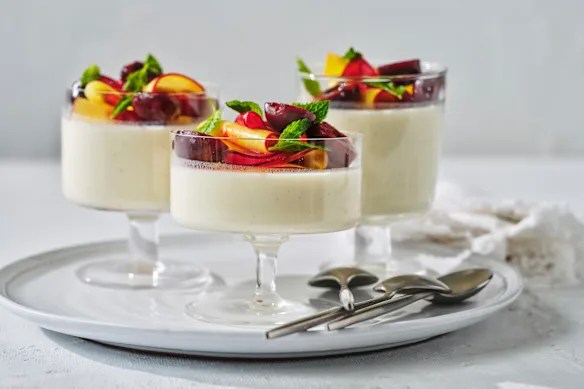
Kefir and cherry jelly, or keefiri-kirsitarretis, is a light and refreshing Estonian dessert, made with kefir and cherries. The kefir mixture becomes a soft jelly and forms a dessert that is not as heavy as a cake. Cherries provide just enough sweetness and acidity to keep each bite fresh. It is a great example of how Estonian desserts are not always overly sweet, but instead use familiar dairy products and local fruit. After a heavy meal, this is the sort of dessert that leaves you feeling pleasantly refreshed.
Pehme plaadipiparkook (Soft Gingerbread Cake)
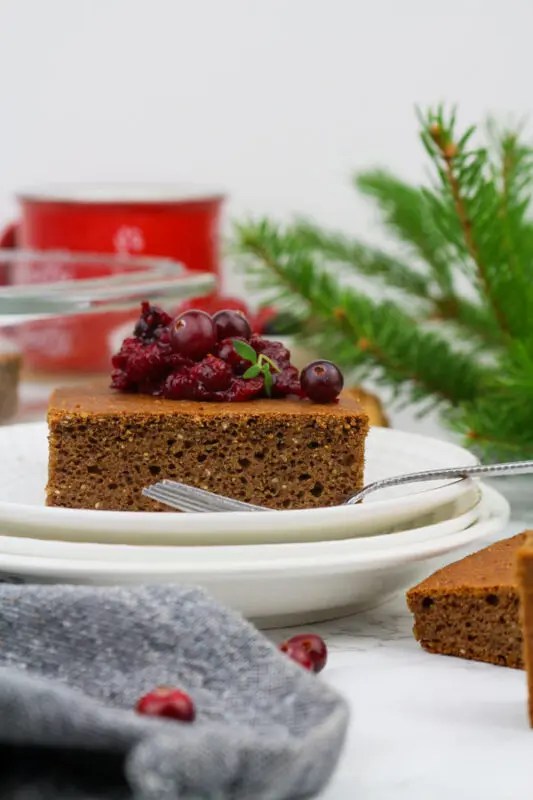
Pehme plaadipiparkook, which translates to soft gingerbread cake, is a familiar flavour made into a soft, moist tray bake. This Estonian gingerbread cookie is soft and cake-like, rather than crisp like the gingerbread cookies that many people think of when they think of Christmas, and the warm ginger and other spices permeate the crumb. It is especially linked with the cosy tastes of the winter season, but there is no need to wait till Christmas to make it. It’s the kind of simple homemade cake that can turn a regular afternoon into a much more special occasion, served with a cup of coffee or tea.
Halvaaga õunakook (Apple cake with halva)

Halvaaga õunakook is a combination of two ingredients that may not be obvious: tart, juicy apples and sweet halva. The outcome is an unusual Estonian cake, with layers of fruity freshness and rich, nutty sweetness. The apples prevent the cake from being too rich, and the halva adds a unique texture and taste. It is a baked dessert that is made from simple ingredients, but is not afraid of an unexpected combination, like many baked Estonian desserts. The combination also makes the cake very interesting for visitors who believe that they have already tasted every possible version of apple cake – Estonia would like a word.
Kaerahelbe-õunakook (Oatmeal and Apple Spoon Bars)

Oatmeal and apple cake (kaerahelbe-õunakook) is a traditional Estonian cake made with oats and soft apples. The oats give it a slightly chewy texture, the apples add moisture and natural sweetness, and the dessert is wonderfully homely. It’s the kind of cake that just fits into an Estonian kitchen like a dream: simple, substantial, and with ingredients that have been a part of the Estonian kitchen for a long time. The name can also be interpreted as an apple-oatmeal cake, but “spoon bars” reveals one of its endearing qualities — it’s a dessert that doesn’t need a lot of preparation.
Anne Teekringlid (Anne’s Tea Pretzels)
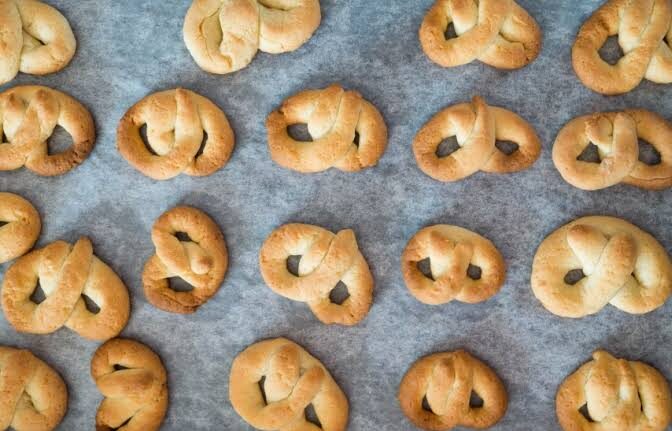
Anne’s tea pretzels are light baked biscuits meant to be served with tea or coffee. These are not the salty, chewy pretzels you’d find in a German beer hall, as their name would suggest. Rather, they are sweet, crisp pastries formed into attractive little rings or twists before baking. They are easy to make and are great to serve to guests or store in a biscuit tin for an afternoon snack. And with a name as specific as “Anne’s tea pretzels,” they have the wonderfully personal feel of a recipe that has been passed around a family kitchen rather than invented for a fancy pastry shop.
Kruubi brüleekreem õuntega (Barley Groats and Apple Crème Brûlée)

Kruubi brüleekreem õuntega is an innovative Estonian dessert, which is a fusion of traditional barley groats and apples, and the creamy richness of crème brûlée. Barley adds a nice hearty texture to the dessert and a mild nutty taste, and cooked apples add sweetness and a mild fruitiness. The creamy custard and caramelised sugar topping then ties it all together in a much more luxurious way. It’s a particularly fascinating fusion of old and new Estonians: a simple grain that has been a staple of Estonian cuisine is elevated to a sound bite for a contemporary restaurant menu.
Tatrapannkoogid (Buckwheat Pancakes)

Tatrapannkoogid, or buckwheat pancakes, are a traditional Estonian pancake that is darker in colour and has a distinctive earthy, slightly nutty flavour, due to the use of buckwheat flour. They can be eaten sweet or savoury, depending on the recipe and occasion, but they are a great dessert or breakfast treat when topped with berries, jam, honey, sour cream, or other toppings. These pancakes are not just another breakfast staple, but a staple in the region’s food traditions, with a long history of use. They are a testament that pancakes can be great even if they’re not white, fluffy, and wheat-based.
Majoneesiküpsised (Mayonnaise Cookies)

Mayonnaise cookies, or mayoneesiküpsised, might be the most controversial dessert on this list, and the one most likely to get a visitor to pause and say, “Wait… mayonnaise? However, before you flee, mayonnaise is not used here as a savoury flavour but as a fat-rich ingredient to make tender, crumbly cookies. The outcome is a surprisingly light biscuit that is sweet but not overpowering, and has a nice texture. A wonderfully quirky example of the practical creativity of traditional home baking: if you have mayonnaise in the fridge, then you have the ingredients for dessert as well. Estonia’s grandmothers were definitely not afraid to try new things.
Kissel (Kissel)
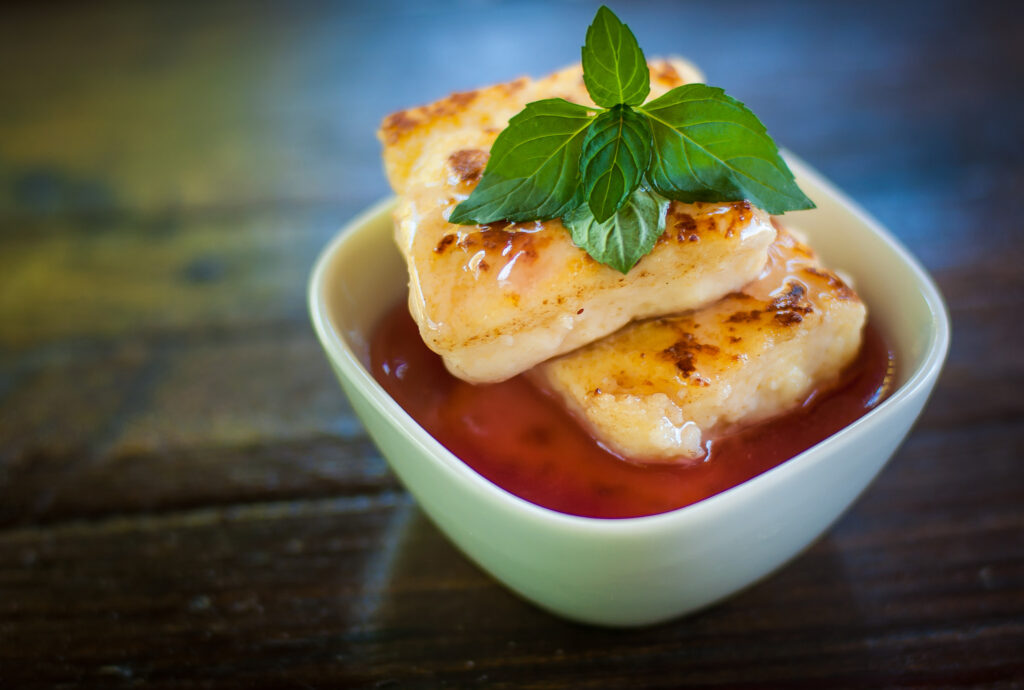
Kissel is a Russian concoction that dances on the fine line between a fruit jelly and a thick, luscious dessert. It consists of ripe, juicy berries, simmered to perfection with just the right amount of sugar. The final result is a velvety, jelly-like consistency that clings to your spoon. It’s a simple and easy-to-make, humble yet satisfying treat that captures the essence of Russian cuisine.
How did you like our guide to Estonian desserts? Did you ever try any of these? Do you know of any other local desserts that deserve a mention? Feel free to share your thoughts and experiences in the comments below.
Like it? Pin it.