
The Russian New Year’s table is a dazzling spread of nostalgia, abundance, and a little superstition. As the clock counts down to midnight, families gather around tables overflowing with layered salads, hearty meats, caviar canapés, and sparkling champagne. From herring under a fur coat to sweet oreshki cookies, here’s a taste of how Russia rings in the New Year. In this article, we cover some of the most popular Russian New Year Food that always finds their way on most Russian tables as the New Year’s Eve clock approaches midnight.
Salads
We start this guide to Russian New Year Food with a few popular local salads.
1. Olivier Salad


Olivier salad, also known as Russian Salad, is a creamy dish made of diced potatoes, carrots, peas, eggs, pickles, and boiled meat (typically chicken or bologna) mixed together and held together with mayonnaise. It’s a famous Russian holiday dish invented by a French chef in 19-th-century Moscow. There is no New Year’s table complete without a large bowl of Olivier. It is a representation of plenitude, warmth, and comfort, and Russians even joke that they spend half of their holiday chopping ingredients to make it.
2. Vinegret


Vinegret is a refreshing salad that consists of a combination of beetroots, potatoes, carrots, onions, and gherkins, with the occasional addition of sauerkraut. The name might be deceiving, though, because the salad dressing usually uses more olive oil and just a bit of vinegar, but that doesn’t matter; what matters is that its delicious, tangy flavor makes for the perfect appetizer/side dish. Not bad for a salad that started off as something made from a leftover dish, right?
3. Selyodka pod Shuboi (Herring Under a Fur Coat)


This layered salad is a work of art and representative of culture. Herring is salted and layered with grated boiled potatoes, carrots, beets, and mayonnaise, and covered with the beet fur coat (hence, its name). Russians make it a day before it’s served to allow flavors to mix, and it’s traditionally been a symbol of gluttony following a year of suffering- an edible allegory of feast and strength.
4. Mimosa Salad


Mimosa salad is a traditional Russian New Year’s dish served in layers of canned fish (usually saury or tuna), grated egg, butter, cheese, and mayonnaise. The yellow yolk at its top is grated, and it looks like the blooms of the mimosa in the snow. It’s an opulent salad that melts in one’s mouth and is usually in large glass bowls, shaped like a cake.
5. Crab Salad


This is a simple salad that uses crab sticks and not actual crab and combines it with corn, cucumber, eggs, and mayonnaise, which gives it a delightful contrast between soft and crunchy texture. It’s cooked in big bowls and is often consumed up to several days after the New Year.
6. Calamari Salad


Calamari salad gives a light touch of seafood to the holiday menu. Squid rings cooked in boiled eggs, cucumbers, and light mayonna are used in preparing it, and it is usually served in cold as an elegant alternative to more substantial foods. Although it’s not as classic as Olivier or Vinaigrette, it has become famous because of its delicate taste and sophisticated appearance, as seafood has become more popular over the years.
Appetizers
Next, we continue this guide to Russian New Year Food with a few popular local appetizers, starting with…
1. Canapés with Red Caviar


These daintily prepared bites usually have a base of a thin slice of rye or white bread (buttered or not), a dollop of creamy mixture of egg and mayonnaise, and a spoonful of fine red caviar (usually of Russian Far East origin). The fact that they are on the New Year tabernacle is because they are instantly luxurious in appearance and texture, with the shininess of caviar signaling party, abundance, and luxury. Being among the very first items to be served, they serve as both the appetizer and the main spectacle. The dish is also easy to put together; however, the price and the status of a good caviar make it an occasion dish that’s usually reserved for special occasions.
2. Ham Rolls (Roulettes) Cheese, Garlic


This Russian snack consists of ham (cold cuts) with a filling of shredded cheese mixed with crushed garlic, mayonnaise (or a spread based on mayonnaise), rolled, chilled, cut, and garnished (dill, parsley). It’s served as part of cold snack plates, or zakuski, which go ahead of the main dish. They are placed on a New Year’s table because they are convenient (they can be made in great quantities) and are popular with the crowds: well-known, comforting, and to be shared.
3. Devilled Eggs and Red Caviar


Peeled, cooked eggs are halved; the yolks are taken off and mixed with mayonnaise and dill to make a creamy paste, and this is spooned or piped back into the whites; a small spoonful of red caviar is added on top of each half. This would make a fine but easy-to-serve hors d’oeuvre on the New Year’s table: the eggs are comforting and familiar, and the caviar is festive.
4. Butterbrots (Open Sandwiches)


Open-faced sandwiches (German in origin, called Butterbrots since it translates to butter in Russian) are made out of a slice of bread, with butter on it (usually rye or dark), then salmon, salmon roe, cheese, or pickled fish. They are a ubiquitous pastry on a Russian New Year table, particularly during the zakuski stage, during which guests are snacking and drinking. They play a functional role: to accompany vodka or champagne, to offer something savoury between the drinks, and keep the guests alive until the main meal.
5. Jelly Meat (Kholodets)


Kholodets is a traditional cold meat jelly prepared by boiling meat (pork, veal, or poultry) for several hours till the stock naturally becomes gelatinous; the meat and stock solidify on cooling into a solid jelly, which is sliced and served cold and usually with mustard or horseradish. Kholodets is a traditional dish that is served at the dinner table on New Year when its look makes a statement of both tradition and festivity – it needs time and effort, and its cold temperature is in contrast to the hot main dishes. It’s usually placed between the zakuski and salad table of the meal and offers a savoury, hearty bite.
6. Smoked Salmon Caviar


Smoked salmon /herring /caviar Russian pastry cups (pre-baked or purchased) with a mixture of cream cheese (or soft cheese) and garlic/herbs, or with fish (smoked salmon, herring). These mini foods are ideal at the table of the New Year party: not only are they nice to see, but also guests can easily pick them up; you can also vary them (sweet or savoury) according to the moods. They are light, elegant snacks preceding the main course and emphasize the Russian approach to festive mood, a blend of comfort and the taste of luxury.
Main Courses
This guide to Russian New Year Food wouldn’t be complete without a few of the most popular local main course dishes, starting with…
1. Goose Stuffed with Rice


Roasted goose stuffed with rice is a classic and popular dish that is used as a centerpiece at the table during the New Year or Christmas. The dark meat of the bird is associated with feasts, and the rice soaks up the fat of the bird during cooking, giving it a savory, fragrant flavor. Apples, oranges, or dried fruits are usually added to the stuffing as a contrasting sweet taste. A perfectly roasted goose is a culinary pride and one of the most difficult dishes to prepare.
2. Duck with Apples


The less festive but pretty similar to goose, duck with apples is a less complicated form of the dish. The popularity of the dish is that of the contrast between the duck, which is fatty, and the sweetness of the baked apples. In other cases, chefs use honey or berry syrup to glaze the meat, which gives it a glossy appearance and a caramel smell. The duck is served at New Year’s Day and not New Year’s Eve, as so many families cook it after the big night of salads, champagne, and snacks.
3. Rasstegay (Open Fish Pie)


Rasstegay is an open-top Russian pie that is filled with fish (usually salmon, pike or sturgeon) combined with rice, herbs, and broth. The small hole made on the top allows the filling to breathe and get additional stock to add moisture. It was originally a Lenten meal, and it became a favorite of the New Year because it was rich and elegant at the same time. It’s a combination of Russian baking and their passion for fish. Usually prepared in large quantities, Rasstegay emphasizes the community nature of holiday feasts, in which sharing and abundance are placed in the limelight.
4. Dumplings (Pelmeni)


Pelmeni are Siberian-style dumplings made of ground meat – normally beef, pork, or lamb – and filled with onions. These are cooked and either served with butter, vinegar, or sour cream. Warm and meaty in the middle, pelmeni are the Russian comfort food in the cold winter. Traditionally, families used to make them on a large scale and freeze them outside to eat them at any moment of the season. Their sales gimmick is in their simplicity- a tender dough enclosing meat that has a nice taste. Albeit store-bought versions are the order of the day, homemade pelmeni is still a representation of family tradition and the culmination of the rustic and warming Russian cuisine.
5. Libzha

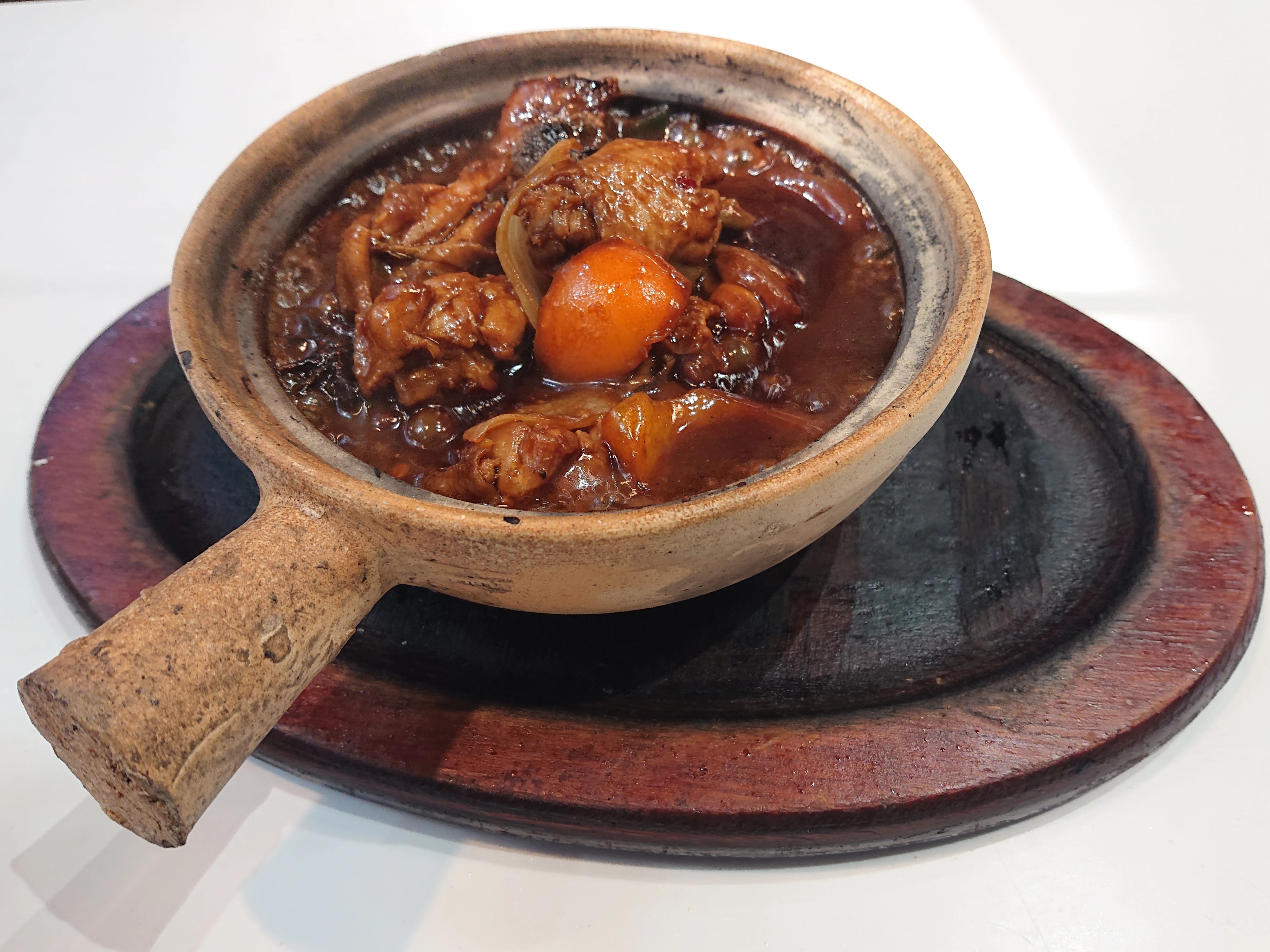
Libzha, which originated in the North Caucasus, is a comforting chicken dish cooked in a thick and creamy Russian stew consisting of sour cream and flour. It’s served with a cornmeal or semolina side, and is usually a hearty, but cozy dish, which is more than warm and welcoming. Although not necessarily a New York-only ingredient, it has gained a place on most Christmas dinner tables because of its creamy nature and warm and cozy flavor.
6. Meat Roulette with Prunes (Мясной рулет с черносливом)

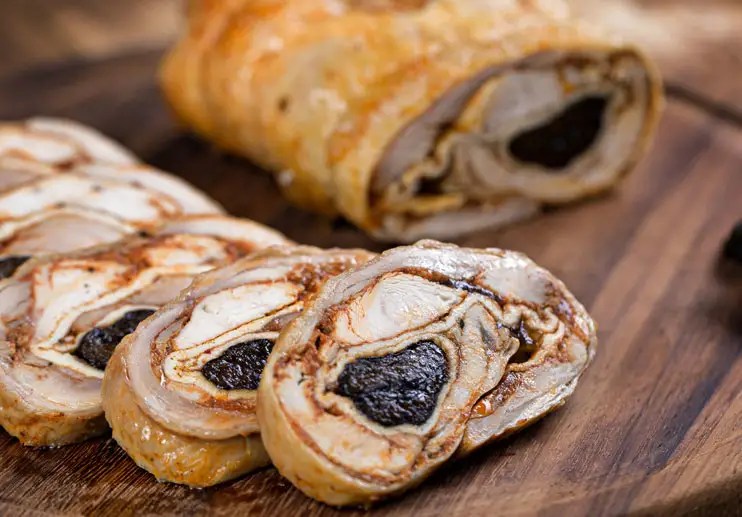
This is a very delicious and nutritious dish, which is the main attraction of most Russian New Year dinners. The myasnoy rulet s chernoslivom is prepared of minced beef or pork, spread flat, topped with soft prunes in red wine, and rolled, then baked till tender. The prunes provide a slight sweetness, which is a perfect combination with the meat. The deep taste and color are enhanced by the red wine to give it a celebratory look. The spiral form of the roulade represents the continuity and a fresh new beginning, which is always appropriate when celebrating a new year.
7. Zalivnaya Ryba


An exquisite and gracious dish, Zalivnaya ryba is basically a fish version of aspic; it consists of cold fish jelly prepared of salmon, pikeperch, or trout. Now, unlike kholodets, where natural gelatin is used, the dish is based on gelatin or agar-agar to solidify the clear broth. The fish is boiled in carrots, onions, and herbs, and is then beautifully served in molds with clarified broth over it. On service, slices of it will be found to contain the colorful layers of fish and vegetables suspended in the glittering jelly.
8. Zur Belish

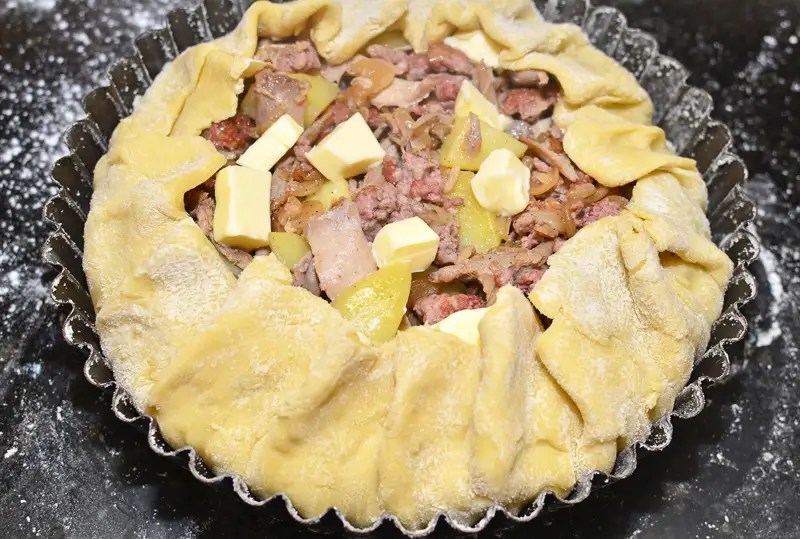
This “big pie” from Tatarstan is a majestic centerpiece of the holiday table, especially at New Year. Zur belish consists of a large, round pie filled with diced meat — traditionally beef, duck, or goose — mixed with potatoes, grains, or pumpkin. The top crust is sealed but has a small opening to allow steam to escape, and sometimes broth is poured in midway through baking for juiciness. In many Tatar families, zur belish is baked communally, and cutting it open at the table represents sharing good fortune and unity in the coming year.
Desserts
Last but not least, we conclude this guide to Russian New Year Food with a few popular local desserts.
1. Oreshki Cookies


The oreshki cookies (translated to little nuts) are cookies shaped like walnuts that are very popular in Russia. The outer shells are baked in a special mould till they become golden and crisp, and are filled with a sweetened condensed milk (varenka) and butter or cream cheese. These small delicacies are whimsical, reminiscent, and will always be the first desserts to be cleared off the table. They are usually prepared by families on occasion during holidays, which makes the baking a happy tradition.
2. Gubadia


Gubadia is a festal pie of Tatarstan, which is made of rice, eggs, dried fruits (raisins, prunes, apricots), and red cottage cheese prepared on the basis of fermented milk (tvorog). The pie is filled with pastry and is very rich, fragrant, and highly symbolic. Cooked in the traditional way at great festivals, such as the New Year, it symbolizes harmony, with its sweetness providing the perfect contrast with the savories of the feast.
3. Koman Melna


Koman Melna is a symbolic dish of the Mari El Republic that is composed of three layers of pancakes composed of several kinds of flour (rye, oat, and wheat) and baked all at once. The top of the mound of cottage cheese is a small ball, which symbolizes the sun, a symbol of warmth and renewal of the next year. Koman Melna is a good combination of pagan and Christian symbolism, as there is the hope that the New Year will come with light, prosperity, and a fruitful harvest.
4. Ualibah (Ossetian Pies)
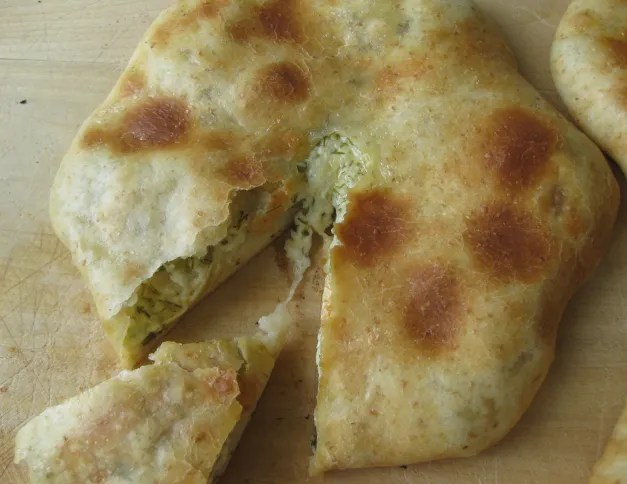
Three-round cheese pies (Ualibah) are essential in most major holidays in Ossetia and Chechnya, including the New Year. The three are a sign of divine harmony: God, the heavens, and the Earth. The pies are put at the center of the festive table, where there is usually a hidden coin or trinket, and the one who gets the pie with the coin is supposed to be blessed with good fortune in the New Year. The stuffing is not complicated, but the Ossetian cheese and potatoes are wrapped in thin and delicate dough.
5. Kut’ya

Kut’ya (or kolivo) is a traditional sweet porridge prepared out of the boiled wheat berries (or barley), combined with honey, poppy seeds, and chopped nuts. It’s one of the oldest Russian dishes, which is cooked at the Christmas fasting and on the eve of the New Year. The wheat is a symbol of the eternity of life and prosperity, and honey and poppy seeds are symbols of sweetness and peace.
6. Vzvar (Uzvar)

Vzvar is a sweet and old-fashioned holiday beverage which is prepared by boiling dried fruit – most commonly, apples, pears, and prunes – in sugar or honey until they secrete their natural sweetness and aroma. Then the mixture is left to cool and infuse overnight. Vzvar is a non-alcoholic substitute of champagne served chilled or at room temperature and is served on New Year’s Eve and usually poured out as a present to children.
7. Baked Apple with Cinnamon (Печёное яблоко с корицей)

Last but not least, we conclude this guide to Russian New Year food with baked apples, a basic and yet cozy dessert that reflects the Russian winter comfort. It consists of whole apples which are cored, filled with sugar, and sometimes nuts or honey, dusted with cinnamon, and baked till soft and caramelized. This is a Russian dessert, which originated in rural Russia, as it was commonly made with the leftover simple ingredients after the main dinner. During New Year’s Eve, it is light and calming to the hefty feast of the holidays.
How did you like this guide to Russian New Year food? Did you try any of these dishes before? Feel free to share your thoughts in the comments below.
Like it? Pin it.

