
In case you weren’t aware, dumplings aren’t strictly an Asian thing. In fact, they’re quite popular in some European countries, and they come in different shapes, sizes, and even flavors. In this article, we focus on one such dish and introduce you to the traditional knedle recipe and teach you everything there is to know about this delicious European snack, including its origin, its regional variations, preparation tips, and more.
But first things first…
What Is Knedle?


Knedle consists of potato-based dough mixed with flour and eggs, which contains whole plums as its traditional filling. These dumplings are then boiled and rolled in toasted breadcrumbs coating, before serving (and they’re usually served warm). The dish comes in many shapes, forms, and sizes, and can be eaten as both a dessert and a main course dish (or even as a snack). It’s particularly popular in Central Europe but also in the Balkans. People prepare Knedle throughout the year, but traditionally, the enthusiasm around knedle has been historically tied to the plum season, which in Europe usually comes in the late summer/early autumn when the fruit is ripe and plentiful.
Knedle Origin


The birthplace of the knedle recipe is technically the Austro-Hungarian Empire, where variations of it spread throughout various regions of the empire as a common household food. The dish developed through its expansion across different territories while adopting native ingredients and traditional customs, evolving into being served during special celebrations in certain regions while maintaining its status as an everyday meal for potato and fruit preservation in other areas.
The simple origins of knedle have allowed it to survive and thrive throughout generations, and today, it’s not only a common household food, but you can also find it in many fancy restaurants across the region.
This leads us to our next point…
Knedle Variations


The basic structure of knedle stays the same, but the details shift from one region to another:
The Hungarian version receives its finishing touch with cinnamon sugar and a small piece of butter instead of just breadcrumbs. Also, it’s common to add ground walnuts or semolina to the dough, which gives this variation extra texture.
The traditional Polish knedle is more or less the same, with the main difference being the topping, which here usually consists of powdered sugar and sour cream. Also, some households finish their boiled knedle by pan-frying them to achieve a crispy texture.
In Croatia, Slovenia, and Serbia, the traditional filling uses either plums or apricots and is usually served either as a dessert or a light meal/snack. The bread crumbs receive a toast before being combined with sugar, and occasionally receive a touch of rum.
Austrian knedle is more indulgent, often using clarified butter, richer doughs, and extra spices in the breadcrumb topping.
As you can see, these small changes reflect local tastes, but the core appeal — sweet, fruit-filled dumplings — stays the same.
Knedle Preparation Tips


The process of making knedle remains simple, but these basic guidelines are here to help you prevent typical problems during preparation.
- Starchy potatoes work best because they contain less water, which results in firm dough. Avoid waxy varieties.
- The process of cooling down mashed potatoes until they reach room temperature prevents the dough from becoming sticky and unmanageable.
- Mix the dough only until all ingredients combine without using excessive strength. Extensive work on the dough will result in tough dumplings.
- Flour-dusting your hands will help you shape the dough properly when working with fruit.
- The boiling process will cause the fruit from the dumplings to escape when their edges remain unsealed. Pinch the dough tightly around the plums.
- A steady simmer is the best boiling method because a rolling boil will break apart the dumplings.
With these steps, you’ll get soft but well-formed dumplings that hold their shape in the pot.
How to Serve Knedle


The proper serving temperature for Knedle is warm, while the breadcrumbs are still fresh from toasting. Add more sugar or cinnamon to taste by sprinkling them on top of the knedle. People who eat knedle often enjoy them with a spoonful of sour cream because this addition provides a tangy balance to the sweet flavor (and makes for a very nice breakfast). People often drizzle melted butter over their knedle to enhance its richness. Knedle serves as a filling lunch option while also making a comforting dessert choice that fits into any meal as a heartwarming addition.
A Few Things You May Need
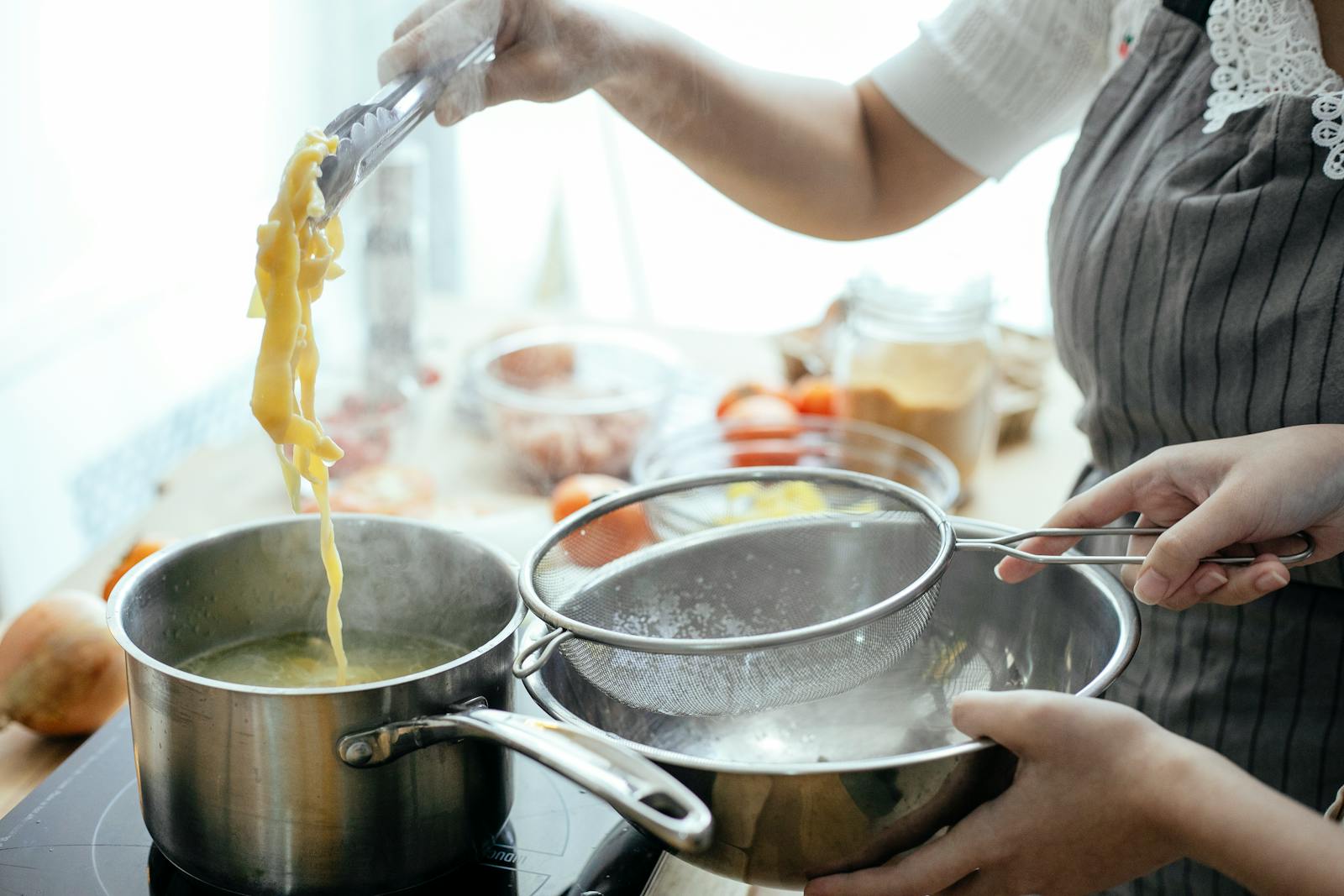

Mixing Bowls


Baking Tray


Rolling Pin
Knedle Recipe


In this article, we introduce you to the traditional knedle recipe and teach you everything there is to know about this delicious European snack.
Ingredients
- 500g (about 1 lb) starchy potatoes
- 1 egg
- 150g (about 1 ¼ cups) all-purpose flour
- Pinch of salt
- 10 small plums (pitted)
- 4 tbsp sugar (optional: mix with cinnamon)
- 50g (about ½ cup) breadcrumbs
- 2 tbsp butter or oil
Instructions
1. Boil and mash the potatoes. Cut the potatoes into cubes before boiling them until they become tender. Mix the mashed potatoes until they reach a smooth consistency before allowing them to cool down.
2. Make the dough. Combine the egg with mashed potatoes and flour while adding salt into a mixing bowl. Work the dough mixture gently until it develops a uniform consistency.
3. Prepare plums. Keep the plums intact as you cut each one to maintain their whole shape. Place a tiny portion of sugar or cinnamon sugar inside the center of each plum.
4. Form the dumplings. Use your palm to flatten one piece of dough. Set a plum in the middle of the dough before you fold it tightly around the plum to seal all edges.
5. Boil the knedle. Heat a large pot filled with salted water until it reaches a soft boiling point. Put the dumplings into the boiling water to cook until they rise to the surface before continuing to simmer them for 2–3 additional minutes. Remove carefully.
6. Toast the breadcrumbs. Melt butter or heat oil in a pan for preparation. Stir the breadcrumbs until they become golden brown and fragrant.
7. Coat and serve. Dip the dumplings into the breadcrumb mixture right after boiling them. Serve immediately and enjoy!
Nutrition Information:
Serving Size:
3-4 dumplingsAmount Per Serving: Calories: 414Total Fat: 8.4gSaturated Fat: 4.5gTrans Fat: 0.25gUnsaturated Fat: 3.7gCholesterol: 62.8mgSodium: 159mgCarbohydrates: 74gNet Carbohydrates: 69.4gFiber: 4.6gSugar: 16.9gSugar Alcohols: 0gProtein: 9.7g
How did you like this knedle recipe? Did you ever try this delicious snack? Did you try to make our recipe at home? Don’t forget to leave us a rating and let us know how it went.
Like it? Save it for later.


