
Pasulj is a meal that fills a kitchen before filling a bowl. It’s a dish of patience, not complexity, and slow, steady, and comforting. It’s not a showy food, but it somehow seems complete. One pot can feed a family, warm a cold evening, and somehow taste even better the next day. This Pasulj recipe is a practical one, where simple ingredients are transformed over time, smoked, and simmered to become rich, hearty, and memorable.
What Is Pasulj?

Pasulj is a traditional Balkan bean soup or stew, which is a main dish of white beans, onions, paprika, and smoked or cured meat. It is thick, hearty, and savory, and is somewhere between soup and stew, depending on the region and how it is prepared. The broth is often flavored with smoked pork, sausage, ribs, or bacon, and paprika adds warmth and color without the heat. Simple in structure, pasulj grows into a depth of flavor with slow cooking. It is one of the most popular comfort foods in the Balkans, and it is considered to be a cheap, filling, and healthy meal.
Origin And History

The beans were introduced to Europe from the Americas, and the Pasulj recipe was developed in the Balkans. It gained particular significance in Serbia, Bosnia and Herzegovina, Croatia, Montenegro, and Macedonia, where it became an integral component of rural and military cuisine. In Serbia, vojnički pasulj (“soldier’s bean stew”) gained special popularity because of its connection with army kitchens, where it could be made in large quantities in a simple and inexpensive way. The Balkan attitude towards food is resourceful, communal, and focused on ingredients that could feed people through harsh winters and hard work, and this is what Pasulj is.
Pasulj Recipe Variations

There are many varieties of the Pasulj recipe in the Balkans, each slightly different in each country or region. The most popular type is vojnički pasulj, a thick bean stew common in Serbia, which is frequently flavored with smoked ribs, sausage, or bacon, and is spiced with paprika. Serbian versions tend to be rich, smoky, and satisfying. In Bosnia and Herzegovina, pasulj may be lighter and more brothy, but smoked meats are still popular. Peppers or carrots can be added to Bosnian households to add sweetness and complexity.
In Croatia, particularly in the inland areas such as Slavonia, bean stews frequently feature spicy sausages and cured pork, sometimes even being confused with dishes such as grah. In Macedonia, the same type of beans can be prepared in a variety of ways, often with a higher concentration of peppers and spices, and sometimes baked in clay pots for a deeper flavor. The Montenegrin versions are rustic and meaty, typical of mountain cuisine.
There are similar bean soups in Europe, but with different names. Hungary has babgulyás, Italy has pasta e fagioli, Greece has fasolada and gigantes beans stew, Bulgaria has bob chorba, Morocco has loubia, and France has bean stews like cassoulet, all of them embodying the same concept: humble beans cooked slowly with cured meats to make satisfying meals. Although there are regional variations, pasulj is clearly Balkan in its smoky and paprika flavours.
Preparation Tips

- Soak beans overnight to cook evenly.
- For the true depth, use smoked meat.
- Cook slowly—pasulj will improve with time
- Don’t salt too early; beans toughen
- Stir occasionally to prevent sticking
- Carefully add paprika to avoid bitterness.
- Allow the stew to simmer before serving to enhance flavor
Serving Tips

Traditionally, Pasulj is served hot in deep bowls, often accompanied by crusty bread, onions, pickles, or chili peppers. In many Balkan homes, it’s considered a complete meal on its own due to its richness and protein content. It is particularly favored in the winter and is often made in bulk for parties, family lunches, or outdoor cooking. It is not a holiday-specific item, but it is strongly linked to the concept of sharing meals and hospitality. Some are served thin, like soup, and others are thick enough to eat almost like a stew.
Pasulj is very good for storage and will often improve in flavor the following day. Keep refrigerated for up to 5 days or in the freezer for up to 3 months.
A Few Things You May Need
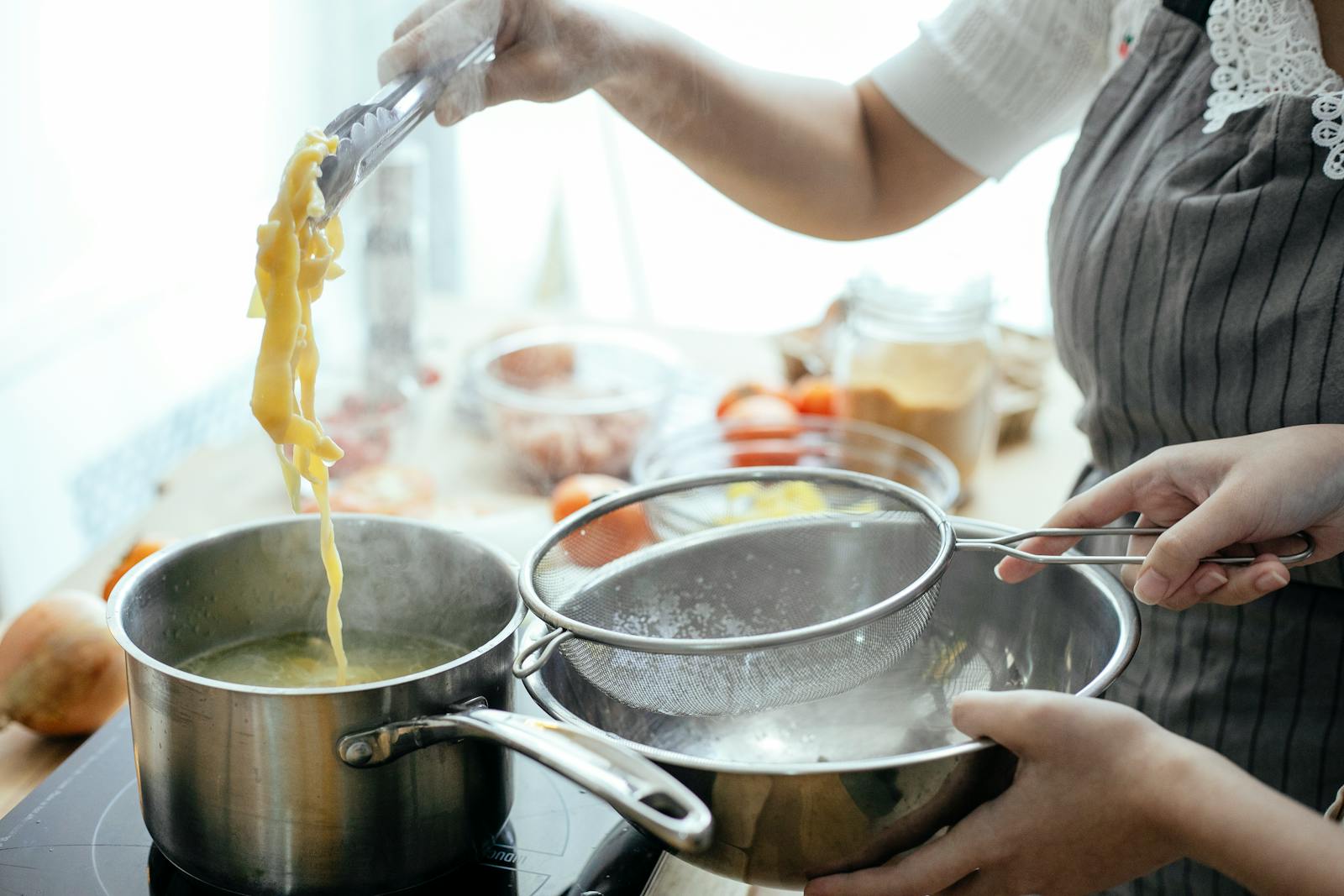

Strainer


Boiling Pot

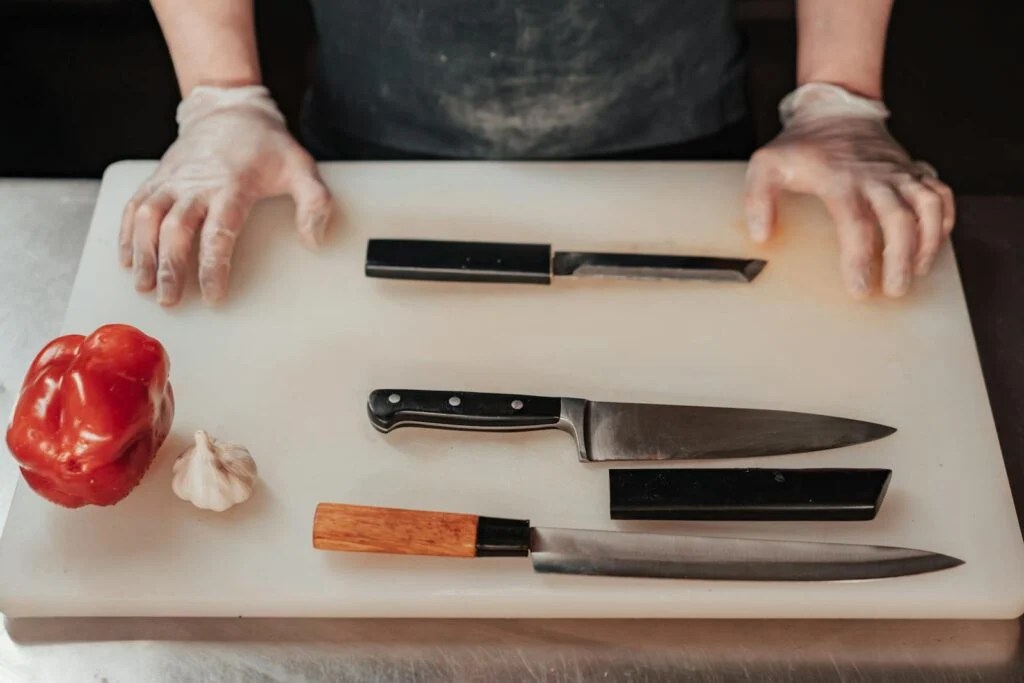
Cutting Set
Pasulj Recipe

This Pasulj recipe is a practical one, where simple ingredients are transformed over time, smoked, and simmered to become rich, hearty, and memorable.
Ingredients
- 500 g (1 lb) white beans, soaked overnight
- 200 g (7 oz) smoked sausage or smoked ribs
- 1 onion, chopped
- 2 cloves garlic, minced
- 1 carrot, diced
- 2 tbsp paprika
- 2 tbsp oil or lard
- 1 bay leaf
- Salt and black pepper to taste
- 6–7 cups water or broth
Instructions
1. Drain the soaked beans and place them in a large pot
2. Add water, bay leaf, and smoked meat
3. Simmer gently until beans begin softening
4. Sauté onion, carrot, and garlic in oil
5. Stir in paprika briefly without burning
6. Add sautéed mixture to beans
7. Continue simmering until thick and tender
8. Season to taste and rest briefly before serving
Nutrition Information:
Serving Size:
1 bowlAmount Per Serving: Calories: 410Total Fat: 18gSaturated Fat: 6gTrans Fat: 0.4gUnsaturated Fat: 12gCholesterol: 45mgSodium: 890mgCarbohydrates: 39gNet Carbohydrates: 29gFiber: 10gSugar: 3gSugar Alcohols: 0gProtein: 22g
How did you like our pasulj recipe? Did you ever try fasolada before? If you tried our recipe at home, don’t forget to leave us a rating, and if you have any questions, feel free to ask in the comments below.
Like it? Pin it.
