
Whether you’re planning to visit Bosnia and Herzegovina soon or are just curious about local food, in this article we’ll do our very best to try to teach you everything there is to know about Bosnian food, including some history, some basics, frequently asked questions, and of course- some of the most popular Bosnian dishes.
But first things first…
Background & History


Historically, Bosnia and Herzegovina has been a real melting pot. For years, Bosnia was at the crossroad between the Ottomans and the Habsburg Monarchy with both empires gaining and losing control of the territory throughout most of the medieval times. Even in more recent times, Bosnia and Herzegovina remains one of the most ethnically and culturally diverse countries in Europe. Often referred to as “Little Yugoslavia”, Bosnia’s population consists of three major ethnic groups; Bosnian Muslims, Orthodox Christian Serbians, and Catholic Croatians.
Because of this, Bosnian food is a mix of Ottoman/Arabic, Habsburg, and Slavic influences, with a pinch of Mediterranean.
Understanding Bosnian Cuisine


Just like most other Balkan cuisines, Bosnian cuisine features a lot of meat-based dishes, hearty stews, heavy desserts, and a myriad of unique drinks and beverages. However, Bosnian cuisine also features a lot of plant-based dishes, and vegetables are also used in most of the local hearty stews. Spices are usually used sparingly, while the most common varieties of meat are beef and lamb (most Bosnian Muslims don’t eat pork but that’s not the case with local Serbians and Croatians).
If you’re looking for a great place to try Bosnian food, look for an aščinica, a local word used to describe venues with an open grill where meat and vegetables are prepared over hot coals (more about this later).
Bosnian Food Tours
There are many Bosnian food tours out there but the best way to explore a new cuisine is when you have a local beside you. Having this in mind, we singled out a few interesting tours that certainly deserve your attention.
Sarajevo City Market, Old Town food tasting tour
Sarajevo walking food tour with Local
Food tour through Sarajevo’s neighborhood Grbavica with a local
Traditional Bosnian Dinner with Host Family
Private Food Walking Tour with 10 Tastings
Now that we covered some basics, let’s get to the meat and potatoes of this article, starting with…
Bosnian Breakfast


Most Bosnians have a quick and easy breakfast. For most people in the cities, breakfast (is very similar to Serbian breakfast and) usually consists of a pastry and yogurt, and a cup of Bosnian coffee. People who have some more time on their hands prepare an omelet, Bosnian pancakes, ustipci, or kacamak (a polenta-like dish) In the villages, the breakfast is also not very lavish and usually consists of bread, cheese, jam, and eggs with a cup of coffee.
As you’re probably starting to see, breads and pastries are an integral part of Bosnian cuisine which is why we’ll start this list of the best Bosnian dishes from here.
Enjoying this post? Then you may also enjoy our list of the best Serbian pastries.
Breads & Pastries
In Bosnia and Herzegovina, no meal is complete without some bread and regardless of the occasion, there always has to be at least some kind of bread on the table when dining. In this section, we’ll cover some of Bosnia’s most beloved bread varieties and breakfast pastries.
Burek


I know what you might be thinking- the burek recipe surely is a Turkish invention, right? That is true, but Bosnia and Herzegovina was a part of the Ottoman Empire for more than 400 years and during this time, Bosnian people learned how to prepare many Turkish recipes, and their versions are sometimes even better than the original.
In the case of Burek, the most famous Bosnian variety is the Sarajevo burek which is prepared in long, spiral filo sheets (instead of rectangular ones) stacked on top of each other. The most common fillings include minced meat, potatoes, cheese, spinach, and onions, and there’s even a sweet version that includes pumpkin.
If you’re liking what you’re reading, also check out our Albanian byrek recipe.
Pita Sirnica


Pita Sirnica (Bosnian cheese pie) is a delicious pastry, similar to banitsa. It’s prepared by layering phyllo sheets on top of each other and adding layers of cottage (or feta) cheese in between. Once prepared, the pita is puffy and crunchy and is a perfect breakfast choice. The name is sirnica (which means with cheese) but the pita can also be made with a variety of other fillings, including scallion, dill, potatoes, or even cherries, apples, or pumpkin.
Somun

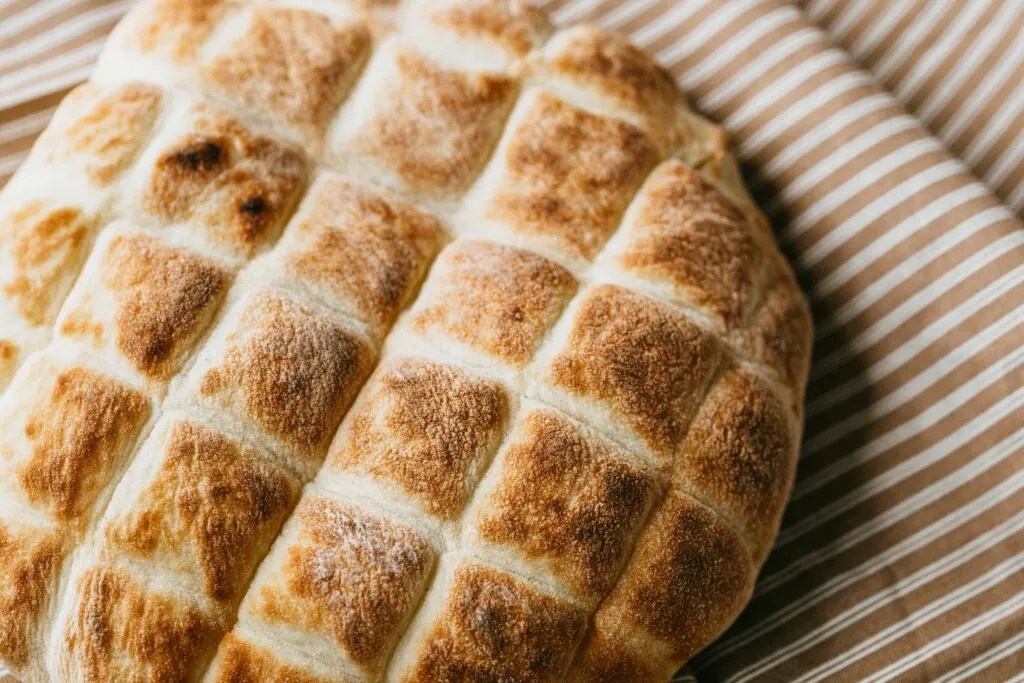
Somun is the most popular Bosnian bread. It has a nice golden brown color and round shape similar to Moroccan khobz or Indian naan but slightly thicker. This flatbread is traditionally served as a side dish alongside some of the most popular Bosnian dishes but the most famous combination that somun is usually paired with is Bosnian cevapi (this is one of the most popular street food snacks in this part of Europe).
Kiflice

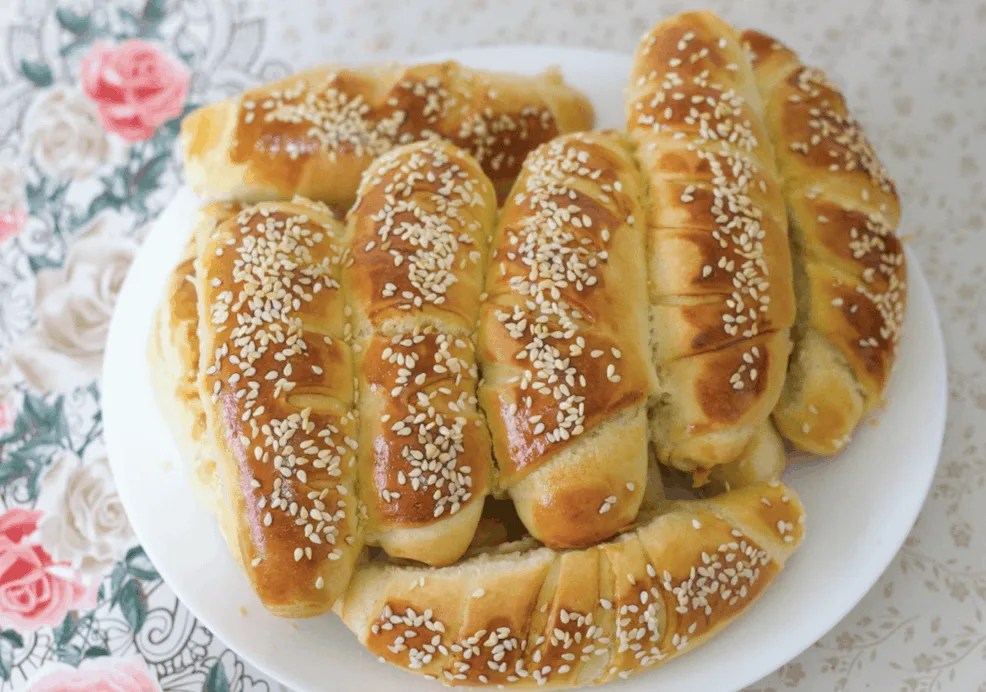
Kiflice, also known as kifli or kifle is one of the most popular Balkan pastries. This delicious Bosnian snack has a crescent shape, similar to a croissant and it can come with different fillings. It can be served empty as a bread substitute, it can be stuffed with cheese or jam filling (if you’re eating it as a dessert).
Uštipci


Uštipci is one of the most famous and versatile Bosnian pastries. It consists of deep-fried dough that’s usually eaten as breakfast or even a dessert. The dough isn’t sweet or salty on its own, but depending on the occasion, it can be paired up with some cheese, ham, or kajmak (if you’re having it for breakfast) or it can be topped with powdered sugar (if you’re having it for dessert).
Proha


Proha, also known as proja is probably the most popular Balkan cornbread. Made from cornflour, water, and salt, proja was traditionally considered poor man’s food and was eaten out of necessity by peasants in the years that followed WWII. During this period, proja became a large part of not only local cuisine but local culture too and even today, it’s one of the most popular Bosnian pastries. It can be eaten on its own or as a side dish with stews or other Bosnian main course dishes.
Prijesnac


Prijesnac is another dish similar to pita sirnica that looks and tastes similar but has a slightly different preparation method. This pastry is made of a batter that includes eggs, milk, oil, baking powder, flour, salt, cottage cheese, and/or kajmak. This dish was supposedly created by locals to make some use of leftover cheese or other dairy products but don’t let this fool you, prijesnac is indeed one of the most delicious Bosnian pastries.
Zeljanica


Zeljanica is another savory Bosnian pie that’s very similar to Macedonian zelnik. The dish consists of thinly rolled phyllo dough filled with either sauerkraut or spinach and cheese. The zeljanica dough is rolled into a thin sheet (yufka) which is then topped with the toppings ingredients before being shaped into a coil. In the end, the pie is baked and sometimes doused with warm milk or oil and water before being served with some yogurt or sour cream.
Kvrguša

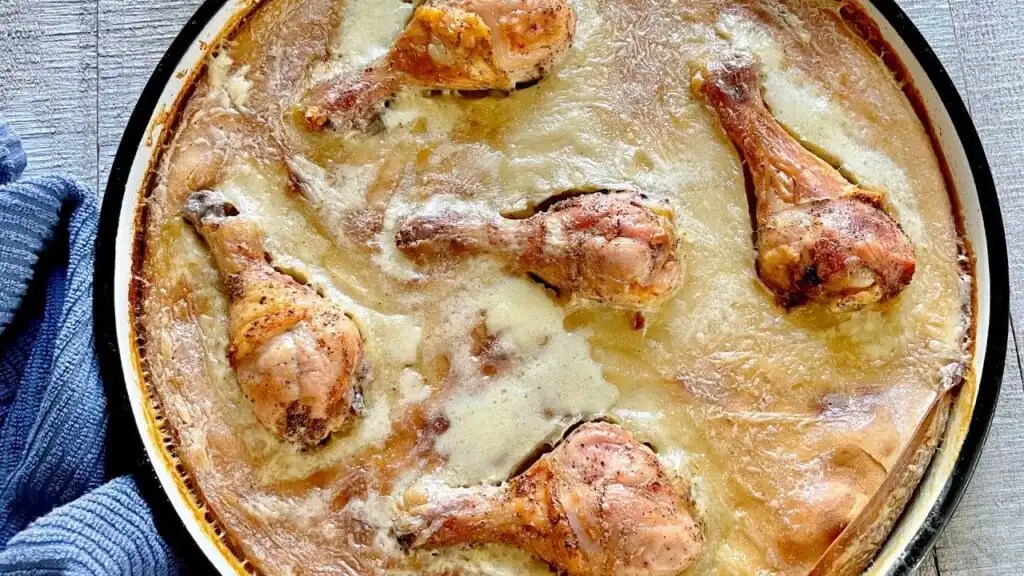
Explaining what kvrguša is can be somewhat difficult for someone who doesn’t come from the Balkans. According to Bosnians, kvrguša is a pie but if I had to describe it, I’d call it a Bosnian pizza. Kvrguša consists of baking chicken legs in a batter made of milk, egg, and flour. The batter is topped not only over the chicken but also across the pan and the mixture is baked. The final result is a pie-like dish with a crust on the bottom and chicken on the top.
Appetizers
Bosnian people love slow eating and appetizers are a big part of this. Some of the most popular Bosnian appetizers include cheese or dairy products, dried meat, salads, etc.
Vlašić cheese

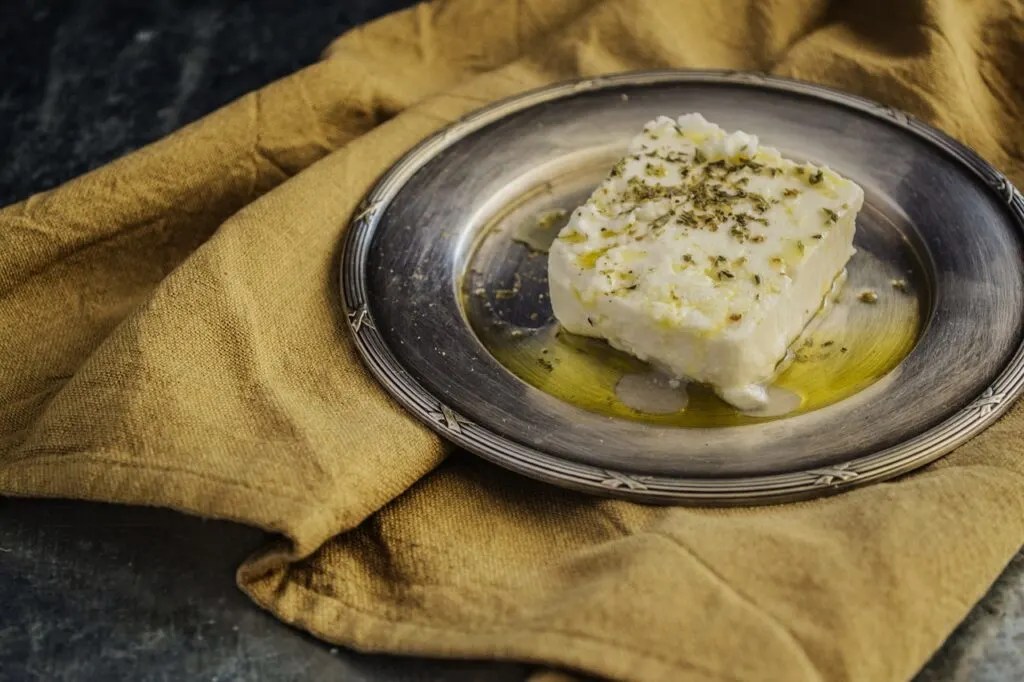
Vlašic cheese is a special Bosnian cheese variety that originates from the Vlašic Mountain region. The cheese is usually made of raw sheep milk and matured in brines during the ripening period. Many people in the Balkans (not just in Bosnia) claim that this is the finest, best-tasting cheese in the whole region. If you ever visit this part of Bosnia, Vlašic cheese should be on your Bosnian food bucket list.
Suho Meso


Suho Meso (translation: dried meat) is a staple Bosnian food that’s often enjoyed before having the main course, alongside a glass of beer, wine, or rakija. It usually consists of lean beef hanged and dried in coarse salt for at least a few days (somewhat similar to salo) and up to a few weeks.
Meza


No article about Bosnian food can be complete without Meza. Meza is more or less the same thing that Greek and Turkish people refer to as meze. It’s a platter that consists of different bite-sized appetizers served together. Meza usually consists of different varieties of cheese, different kinds of dried meat and sausages, olives, and other raw or grilled vegetables. It’s often accompanied by an alcoholic drink of choice, most usually beer, wine, rakija, or a rakija variation.
Turšiya

Turšija is a term used to describe different kinds of pickled vegetables. Throughout history, people in the Balkan have been pickling vegetables and storing them for the colder winter months when vegetables weren’t easily accessible. Today, getting fresh vegetables in the winter is much easier but turšiya is still an important part of all local cuisines and cultures.
Klepe


Klepe is Bosnia’s version of dumplings. The small dumplings are prepared by steaming and are usually stuffed with minced meat, most commonly beef or lamb, and onions. Less commonly, you can also find a version of klepe that uses cheese instead of minced meat. The dumplings are most often served in a tasty garlic yogurt sauce.
Shopska Salad


When it comes to salads, šopska is an absolute classic. This salad is very easy to make and consists of small pieces of cucumbers, tomatoes, and onions, seasoned with some oil, vinegar, and salt, and topped with shredded white cheese. This salad is a crucial part of most Balkan cuisines and Bosnia is no exception.
Vegetarian Main Course Dishes
If you’re a vegetarian, you’ll be happy to hear that Bosnian cuisine has a lot of delicious vegetarian dishes. True, most locals love meat and meat is an important part of their diet but vegetarian dishes have been a part of local cuisine and culture for centuries. Here are some of the most popular veg dishes in Bosnia and Herzegovina.
Kačamak


Kačamak is a simple, traditional Bosnian food made of cornmeal, milk, and cheese. Its texture and appearance closely resemble Italian polenta. Kačamak can be served with different toppings, including yogurt, cream cheese, and kajmak. Traditionally, kačamak is served warm and most commonly, it’s eaten for breakfast.
Kljukuša


Kljukuša is a savory potato pie that originates from the Balkan. The pie is made of potatoes, flour, eggs, water, garlic, and salt, baked in a round pan. The final result is a pie-like dish that closely resembles hashbrowns. The kljukuša pie is often topped with sour cream topping and cut into wedges before being served. It can be eaten as a snack, breakfast, or as a side dish alongside some other Bosnian dishes.
Cicvara

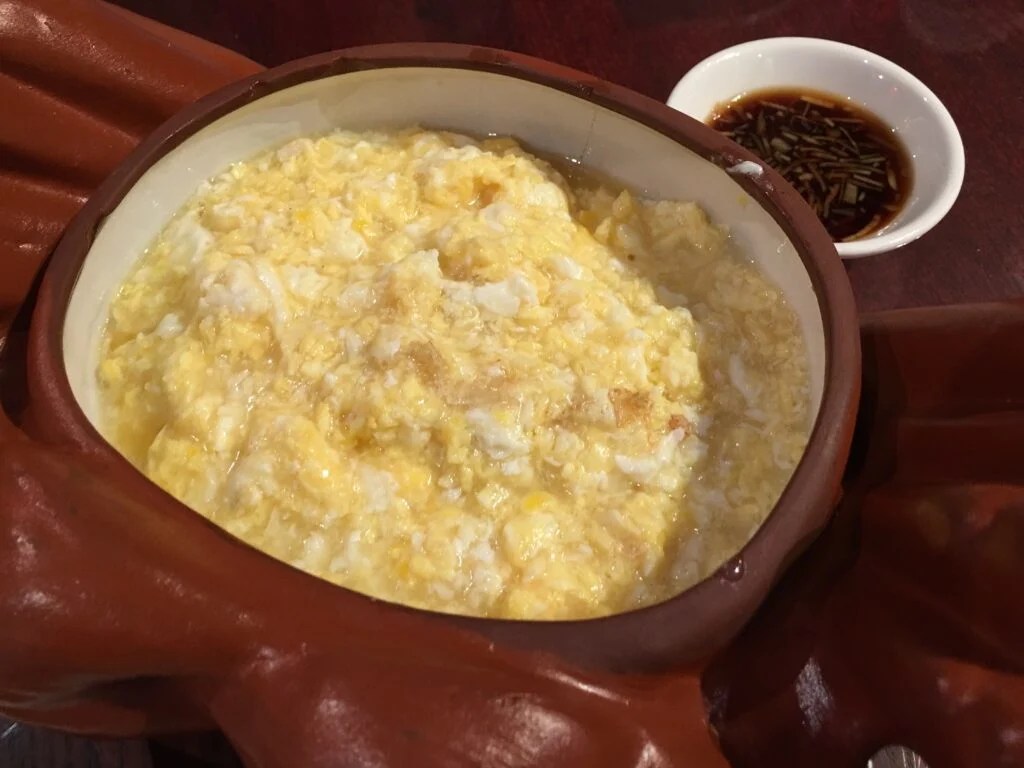
Cicvara is another porridge-style dish similar to kacamak. It’s also made of corn flour but it’s slightly more liquid, it uses specifically cottage cheese and matured kajmak instead of yogurt. When ready, it’s drizzled with butter, sour milk, and sometimes even honey.
Buranija


Buranija is a Bosnian stew whose main ingredient is green beans. The stew also uses other vegetables like carrots, onions, garlic, and sometimes potatoes, it’s seasoned with zaprska (flour, red paprika powder, and oil), salt, and pepper and it should simmer for at least a couple of hours before serving. Buranija can also be made with chunks of meat but it’s very tasty even without it.
Prebranac


Prebranac is another Bosnian vegetarian classic. The dish is also very popular in Macedonia, Serbia, Albania, Kosovo, and Bulgaria. It’s a casserole-style dish made of boiled white beans, onions, garlic, and bay leaves, seasoned with red paprika powder, salt, and pepper. Prebranac is typically served with warm bread and sometimes, a sausage but the sausage is not a part of the dish itself. The dish is also known as tavche gravche.
Grah

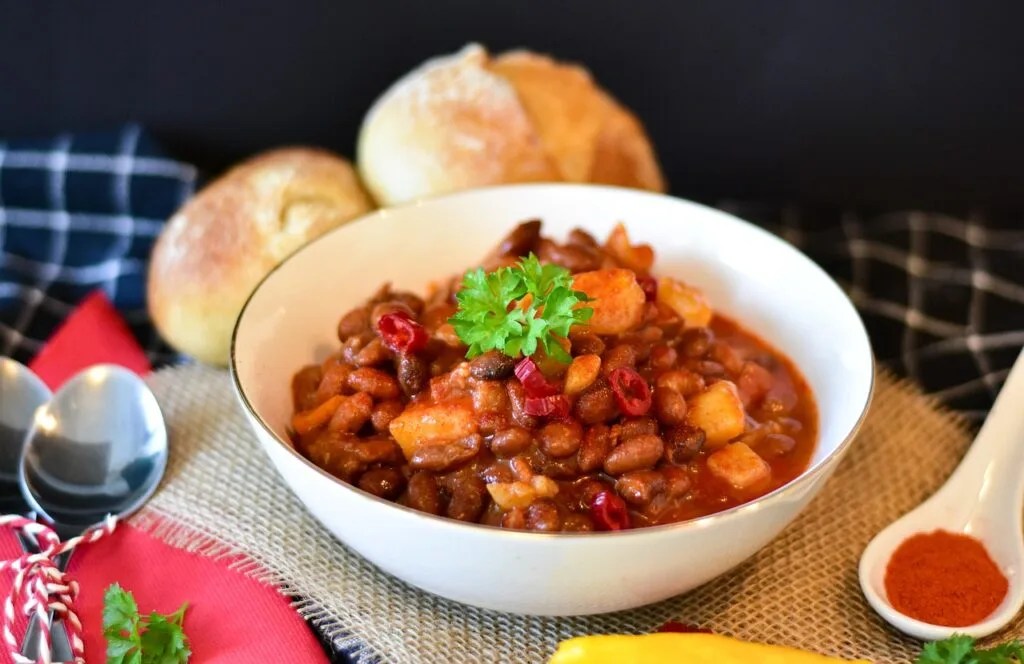
Grah is the stew version of prebranac. The stew uses all the same ingredients prebranac uses, with the main difference being the preparation method. The grah stew doesn’t require baking and the preparation of it ends with boiling. Similar to prebranac, grah is most commonly served alongside warm bread, or sometimes, plain rice.
Punjene Paprike


When Bosnian food is the topic, punjene paprika can’t be left off the list. This simple dish consists of bell peppers stuffed with rice, and diced vegetables, seasoned with red paprika powder. The dish also comes in a non-vegetarian version with minced meat being added to the mix but the vegetarian version is very delicious as well.
Tarhana


Tarhana is a typical Bosnian comfort food, perfect for the long, cold winters. This is a thick, nutritious stew that consists of tarhana powder, flour, grain, and other vegetables like peppers and tomatoes. Tarhana can be prepared in 10-15 minutes, which is why people also call it a Bosnian instant soup. The dish originates from Central Asia, and the recipe was introduced to Bosnia by the Ottomans. It’s one of the most popular soups in Bosnian cuisine and can be eaten for breakfast, lunch, and dinner.
Sataraš

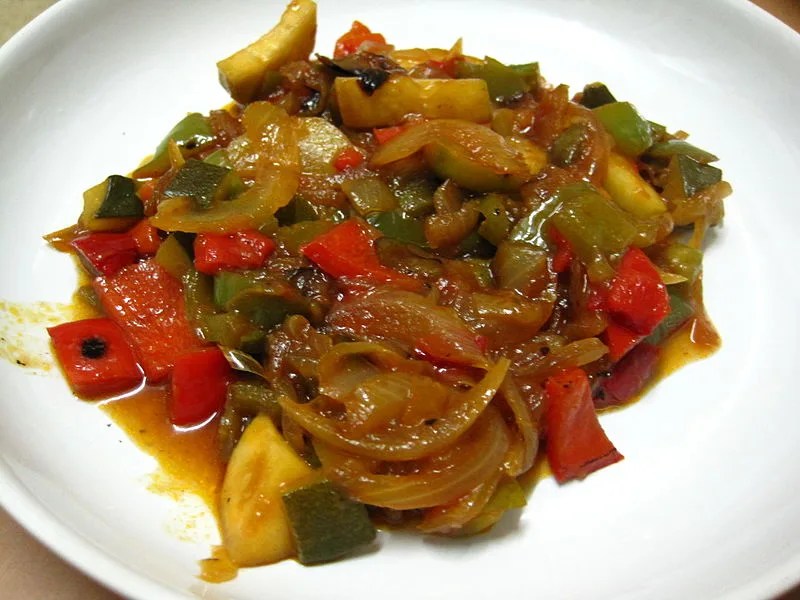
Sataraš is another delicious Bosnian vegetable stew. It’s made using basic ingredients like onions, bell peppers, tomatoes, and spices. The ingredients are chopped and simmered to perfection before being served with some warm somun bread and kajmak or sour cream on the side. Sataraš can be eaten as an appetizer or even as a main course dish (mainly in the summer months).
Djuvec


Lastly for this section, we have djuvec. Djuvec is another Bosnian vegetarian dish that uses a slow cooking technique which gives it a hearty flavor even though no meat ingredients are being used. Djuvec consists of rice and various vegetables cooked in a clay pot which gives the dish a crispy texture around the edges. The preparation time is 2-3 hours but its flavor is certainly worth the wait.
Non-Vegetarian Main Course Dishes
If you ask most Bosnians, they’ll tell you that non-vegetarian dishes are the most important part of their cuisine, and as tasty as their non-veg dishes might be, we’d have to agree with them.
Ćevapi


Ćevapi is the national dish and one of the must-tries of Bosnian cuisine. To put it simply, Ćevapi are essentially tiny kebabs; minced- meat sausages that are prepared on a grill. They’re very soft and juicy and their bite-size makes them even more appealing. They’re usually served alongside some warm somun, fresh cubed onion, kajmak, and hot green baked peppers.
Begova Ćorba


Begova Ćorba is one of the most famous Bosnian stews. Traditionally, this stew was made only for local chieftains (bey) which is how the stew got its name Begova Ćorba (or bey’s stew). The stew consists of boiled vegetables like carrots, celery, parsley, and potatoes and chunks of meat, most usually chicken but sometimes veal. Begova Ćorba can be eaten as an appetizer or paired up with another dish during the main course.
Bosanski Lonac

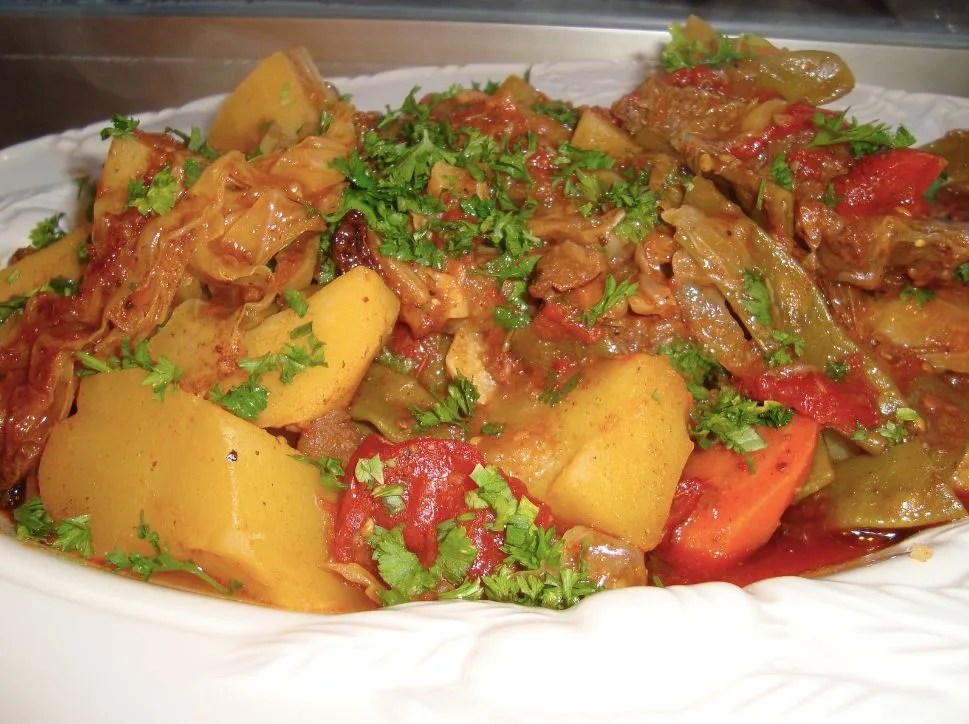
Bosanski Lonac is one of the oldest Bosnian dishes. It dates back to medieval times and it is believed to have been the favorite of local miners throughout the years. This dish is basically a hearty stew prepared in a clay pot that uses chunks of veal or lamb, cabbage, onions, potatoes, peppers, eggplant, garlic, and a mix of local herbs and spices.
Jahnija


Jahnija or Yahni is a hearty stew that’s popular in many different countries, from Afghanistan, Iran, and Central Asia to Turkey and the Balkans. The hearty stew is traditionally prepared in a clay pot and the main ingredients include chunks of lamb, potatoes, carrots, and other vegetables topped with red paprika powder, red chilies, salt, and black pepper. Jahnija is usually paired up with a bread of choice and a salad.
Sarma

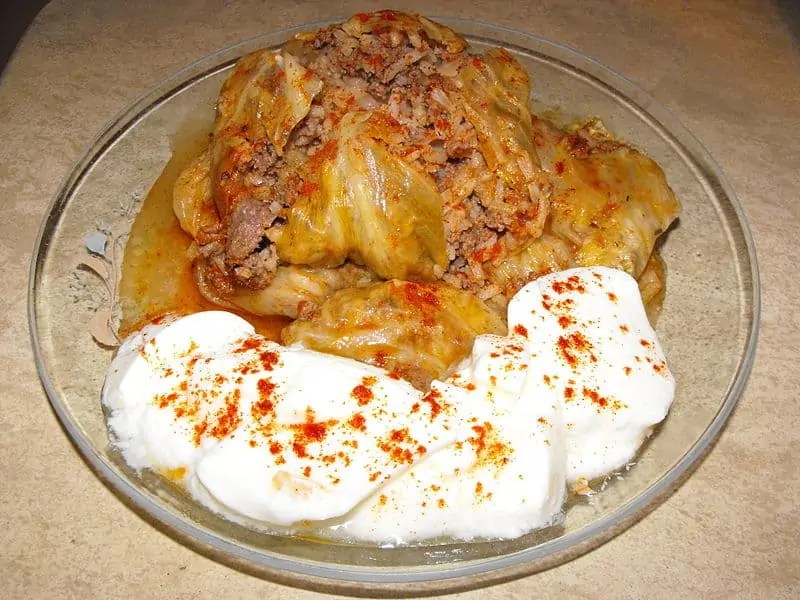
Sarma is a traditional Bosnian food that’s popular in countries across the Balkan Peninsula. It consists of thin sauerkraut leaves, stuffed with fried rice and minced meat. Traditionally, sarma is a winter food but today, you can get it throughout the year. It’s a beautiful mixture of sour, salty, and slightly hot. I know it sounds like a strange combination but trust me, sarma’s unique flavor will quickly win you over.
Japrak

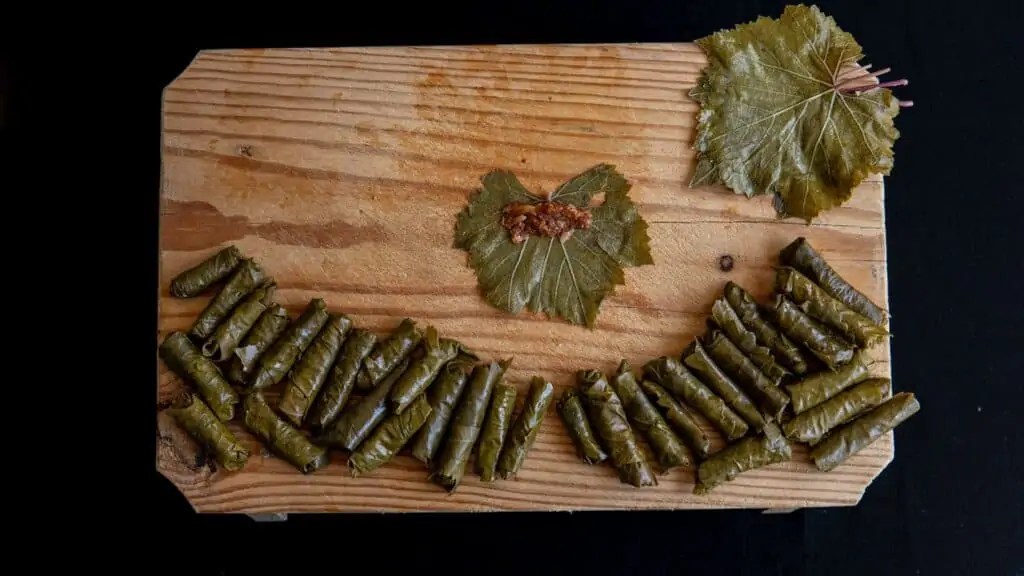
If you’re a fan of Middle Eastern cuisines you’ve probably heard of dolma, a tasty mixture of fried rice and minced meat rolled in a grapevine leaf. The dish originates from Central Asia and was introduced to the Balkans by the Ottomans. Japrak is essentially the same as dolma; it mostly uses grapevine leaves but in some instances, broccoli leaves can be used too. The filling is the same, it consists of fried rice, minced meat, and other vegetables, depending on one’s personal preference.
Sogan Dolma


Sogan dolma is another type of dolma that uses thin layers of onion instead of grapevine leaves. The onions are cooked and the filling is usually mixed by hand before baking everything together. The final result is a hearty delicious dish that will surely leave you craving for more.
Raštika


I know this might sound repetitive but Bosnians surely have a thing for stuffing rice and minced meat inside different vegetable leaves. We could list them all under one category but every different variation with different leaves has its specific flavor even though it might not look like a big difference at a glance. Raštika has the same filling as sarma, dolma, and japrak but it uses strictly kale leaves instead of sauerkraut, grapevine leaves, or onions.
Ćufte

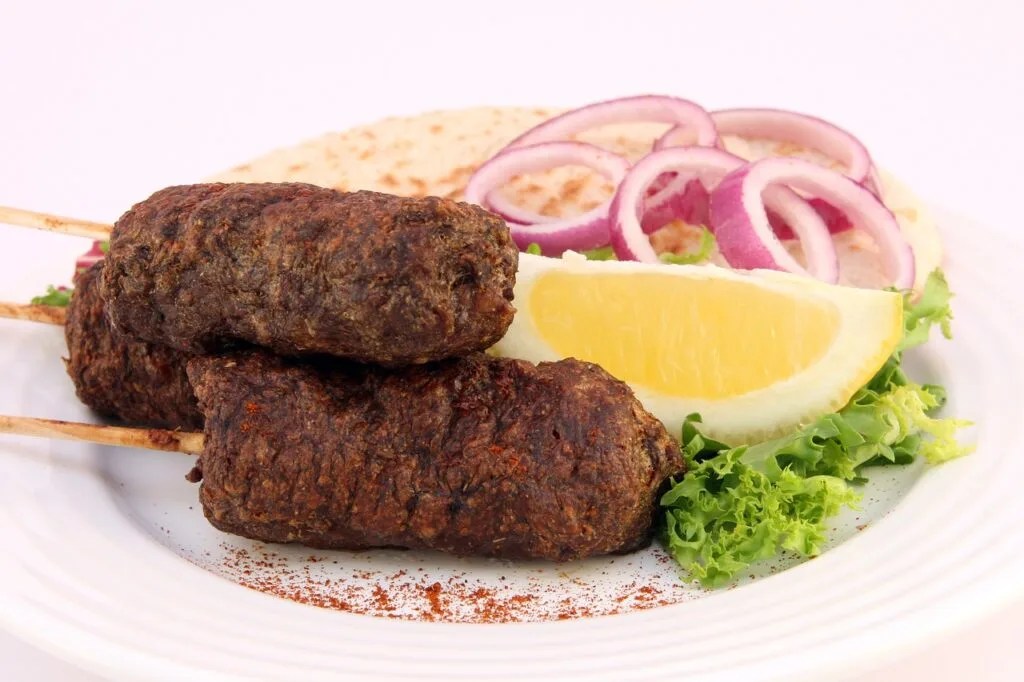
Ćutfe is a traditional Balkan meatball often prepared in tomato sauce and served alongside some mashed potatoes or French fries. The meatballs are made of minced meat, usually beef or lamb, and a mixture of garlic, onion, ginger, and breadcrumbs. Ćutfe should be prepared in the sauce from the beginning so the sauce can thicken before serving.
Pljeskavica


Pljeskavica is another grilled dish similar to cevapi just bigger and round. It’s the Balkan equivalent of a burger patty. The patty is made of minced beef or lamb meat, onions, and garlic, it’s always prepared by grilling and is typically served with fresh onions, warm somun bread, kajmak, and sometimes urnebes salad.
Roštilj


If you’re a meat lover, Roštilj will probably be your favorite Bosnian food. Roštilj is a term used to describe mixed grill which includes different varieties of grilled meat. It usually consists of cevapi, pljeskavica, sausages, steak, ribs, etc. often served alongside French fries or baked potatoes. Rostilj. isavailable in most local grill restaurants.
Peka/ Sac

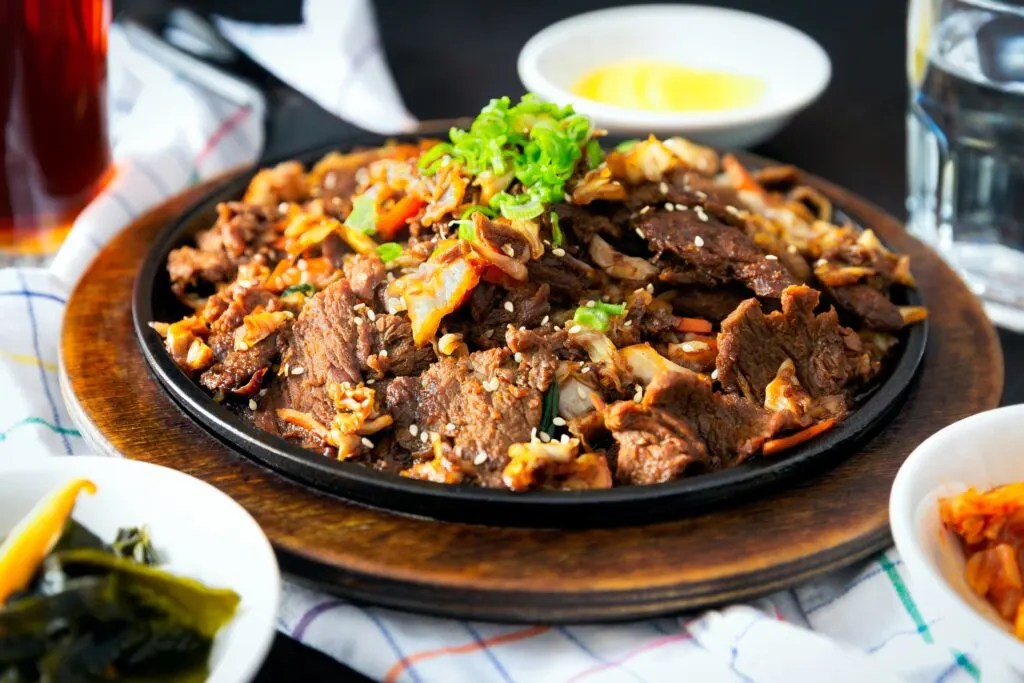
Technically, peka isn’t a dish but rather a word used to describe a cooking device that is used to prepare different varieties of meats and vegetables. It’s a cooking vessel with a circular lead made from clay or cast iron. It’s used for baking meat and vegetables out in the open under hot charcoal. Dishes made under peka are cooked slowly and evenly and often have a light smoky flavor.
Desserts
Desserts are a big part of Bosnian food. If you have the sweet tooth, you’ll be happy to hear that Bosnia and Herzegovina has some unique, delicious desserts. Here are some of the best ones.
Tufahija

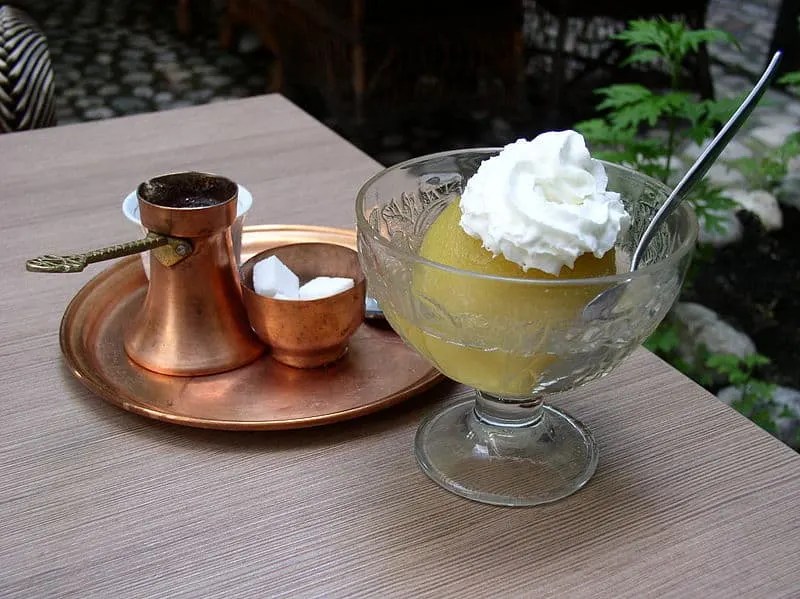
Tufahija is probably the most famous Bosnian dessert. The fruit-based dessert consists of a peeled apple with the top part being hollowed out and stuffed with a mixture of egg whites, walnuts, and powdered sugar, boiled in sugar water, and glazed with the same water the fruit was boiled in. Before serving, the apple is usually sprayed with whipped cream and served in a glass-like container. Traditionally, tufahija is eaten alongside a cup of coffee.
Hurmašica


Hurmašica is a Bosnian biscuit-like sweet with a spongy appearance dipped in sherbet (liquid sugar) and topped with lime juice. Similar to tufahija, this dessert is also usually paired up with a cup of coffee or tea. Hurmašica is also typically served during religious holidays but it can be found in most sweetshops throughout the year.
Bosnian Baklava

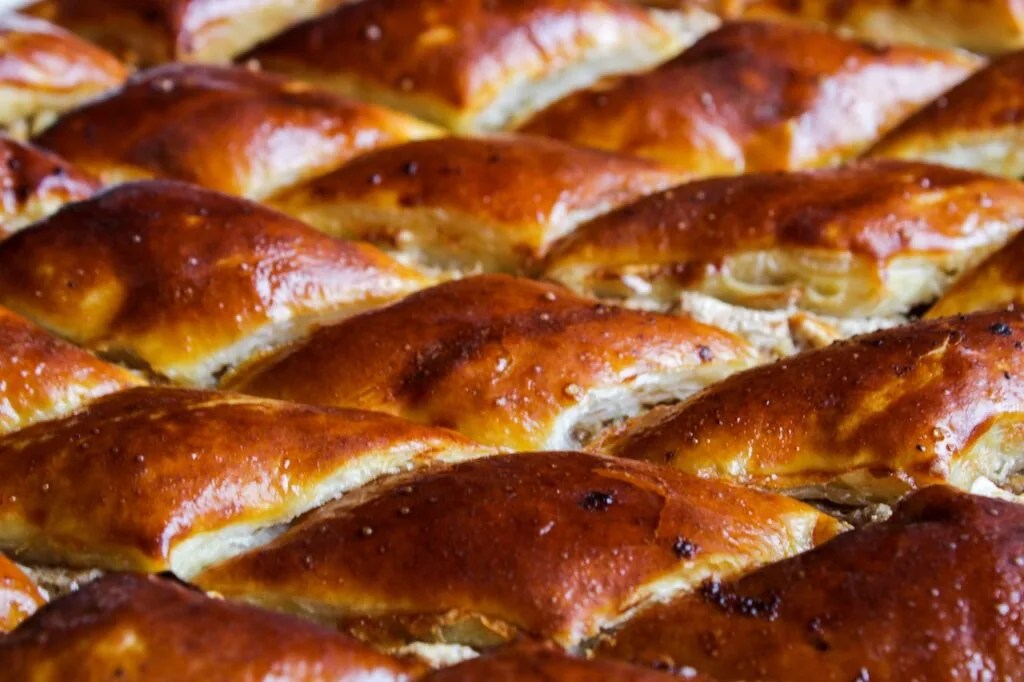
Bosnian baklava, also known as homemade baklava in Turkey is a baklava variety that’s very popular in Bosnia and the Balkans. Just like the original recipe of this popular Turkish dessert, Bosnian baklava is also made by layering filo pastry sheets on top of each other with walnuts and sherbet in between. The Bosnian baklava version uses big chunks of walnuts (unlike the original version) and is usually shaped like a diamond (fun fact- the diamond card sign in most Balkan countries is called baklava because it resembles the delicious Bosnian dessert.
Kadaif

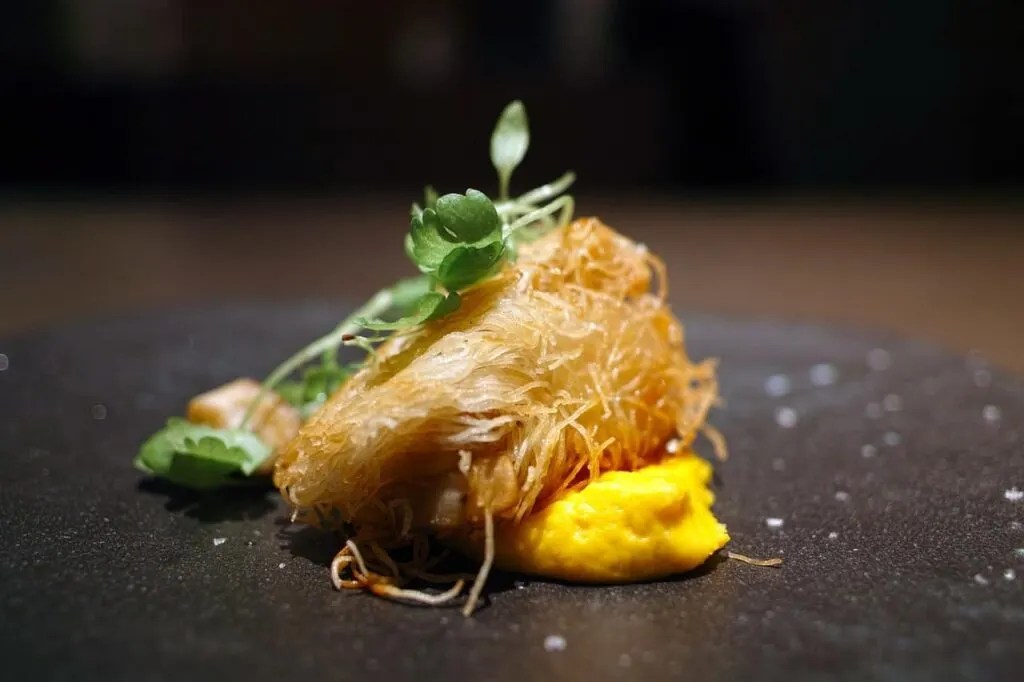
Kadaif or kadayif is a delicious Balkan sweet made of shredded kadayif dough with ground nuts (usually walnuts) between the two layers of butter-coated threads. The dessert is prepared by baking and then topping it with a thick lemon-flavored syrup and cinnamon or cloves. Traditionally, kadayif is made and served for special occasions and celebrations but you can get it in most sweetshops throughout the year.
Krofne


Kforne is the Balkan version of donuts. Balkan krofne (or krafne) are slightly thicker than American donuts and more similar to beignets or Berliners. This delicious Bosnian pastry can either be topped or filled with a variety of fillings/toppings like jam, chocolate, marmalade, Nutella, cinnamon, vanilla sugar, etc.
Gurabija


No list of Bosnian food can be complete without gurabija. Gurabija is a delicious round, shortbread cookie made of flour, oil, and sugar. The origins of Gurabija are likely oriental but since most of the Balkan was under the Ottoman Empire for hundreds of years, gurabija sweets have become an important part of local cuisines. Before serving, gurabija is usually topped with whipped cream, vanilla powder, lemon zest, dried fruits, and nuts.
Knedle


Likely deriving from German Knodel, knedle is a dessert made from boiled potato dumplings filled with different kinds of fruits, most commonly, apricots or plums. Knedle is very popular in most Central and Eastern European countries. The preparation of knedle starts with preparing dough from flour, eggs, and potatoes and cutting the dough into squares. Then, the fruit of choice is patiently wrapped inside the dough sheets and boiled. After that, the dumplings are topped with vanilla powder, sugar, and cinnamon, then they’re rolled in breadcrumbs and fried in butter before serving.
Šape


Literally translating to claws, these delicious cookies are shaped like tiny bear paws. They’re crunchy, sugary biscuits with ground walnuts and are a perfect snack to have alongside a cup of tea or coffee when having guests.
Jabukovača


The best way to describe Bosnian jabukovača is another version of baklava. It looks like the original Turkish baklava, it has the same texture, and a very similar preparation method with one tiny but significant difference; for Jabukovača, you need to add chopped pieces of apple to the baklava instead of using walnuts. This gives the sweet an even sweeter flavor and a fruity aroma.
Ćupavci


Ćupavci are tiny cupcakes filled with jam, dipped in chocolate sauce, and finally topped with coconut powder. Their name translates to hairy (not the most appetizing name in the world) because the coconut powder closely resembles tiny hairs. However, regardless of this, Ćupavci are one of the tastiest Bosnian desserts.
Krempita


If you’re into sweet, creamy cakes, you’ll surely love krempita. In its base, this sweet pastry of Austro-Hungarian origin has a puff pastry with a croissant-like texture covered in custard and topped with another thin layer of dough. Before serving, the krempita is topped with vanilla powder or powdered sugar. On the inside, the krempita is very creamy but not very sweet, making it the perfect light dessert to enjoy alongside a cup of tea or coffee.
Bosnian Lokum


Similar to baklava, Bosnian people also have their version of Turkish delight. The Bosnian lokum is usually a lot larger than the original Turkish recipe and just a little bit harder on the surface but the taste is very similar. Traditionally, lokum is the most popular sweet to have alongside a cup of delicious Bosnian coffee.
Palačinke
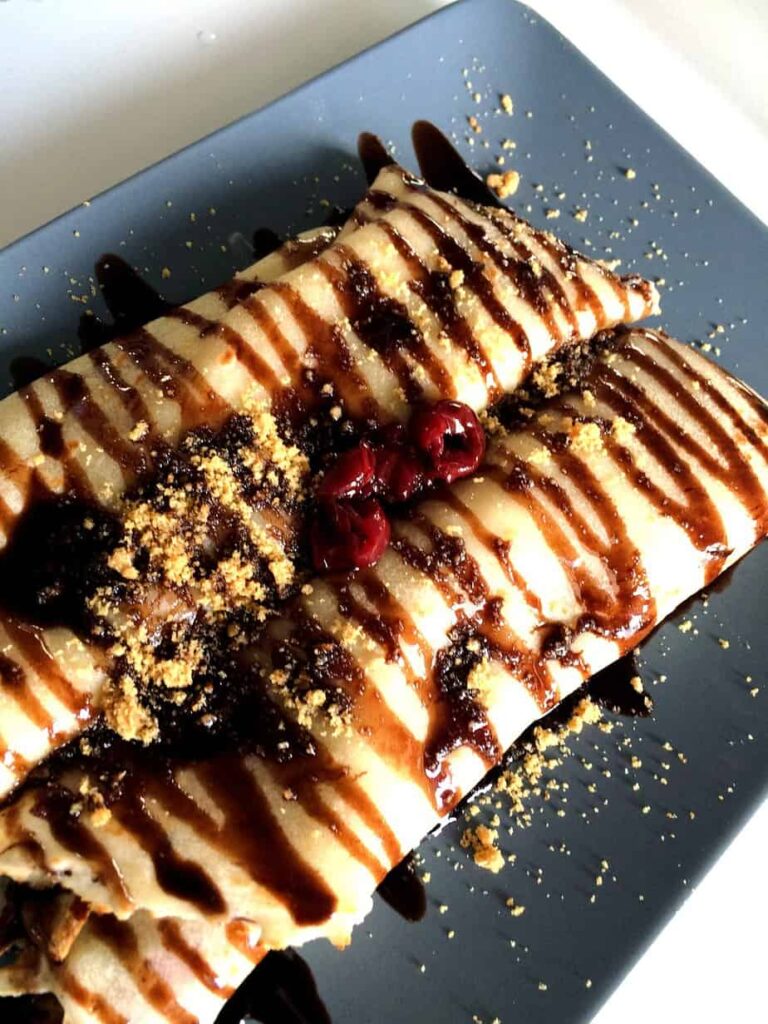
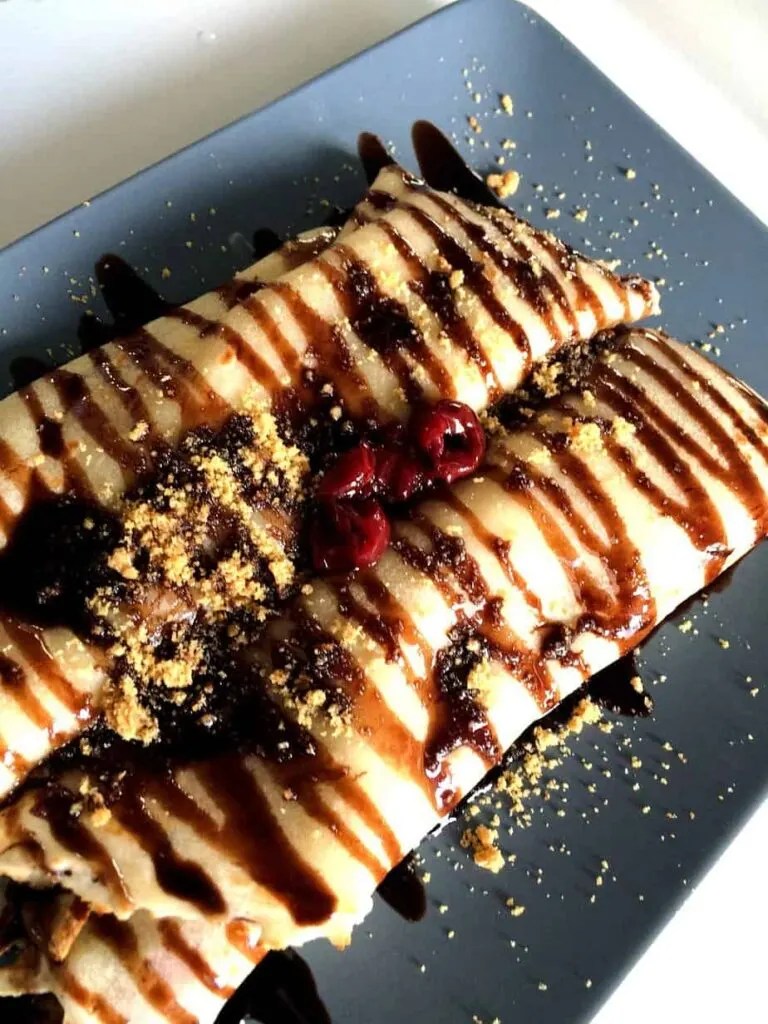
Palačinke is the Balkan version of crepes. These sweet savory pancakes are usually fried in a little bit of oil and then covered in either chocolate crème, Nutella, or jam/marmalade and topped with walnuts. Whipped cream can also be added to the top before serving.
Drinks
As you can see Bosnian food is pretty amazing but local drinks are also an important part of Bosnian cuisine. In this section, we’ll cover some of the most popular local drinks.
Zova


Zova is a Bosnian elderflower cordial made of non-alcoholic syrup that’s made to be mixed with either water or soda and become a light, refreshing beverage. The syrup can be made of many different fruits including apples, peaches, apricots, lemons, cherries, etc. It’s the perfect refreshment for a hot, summer day.
Kahva


Bosnian coffee or kahva is a black filter coffee that’s boiled in a metal pot called džezva until it starts foaming at the top. Essentially, it’s Turkish coffee but never call it Turkish coffee while you’re in Bosnia. Bosnians love their coffee and for them, this is Bosnian coffee. Bosnian coffee is traditionally served with sugar cubes on the side, alongside a glass of water, and oftentimes, a dessert.
Salep

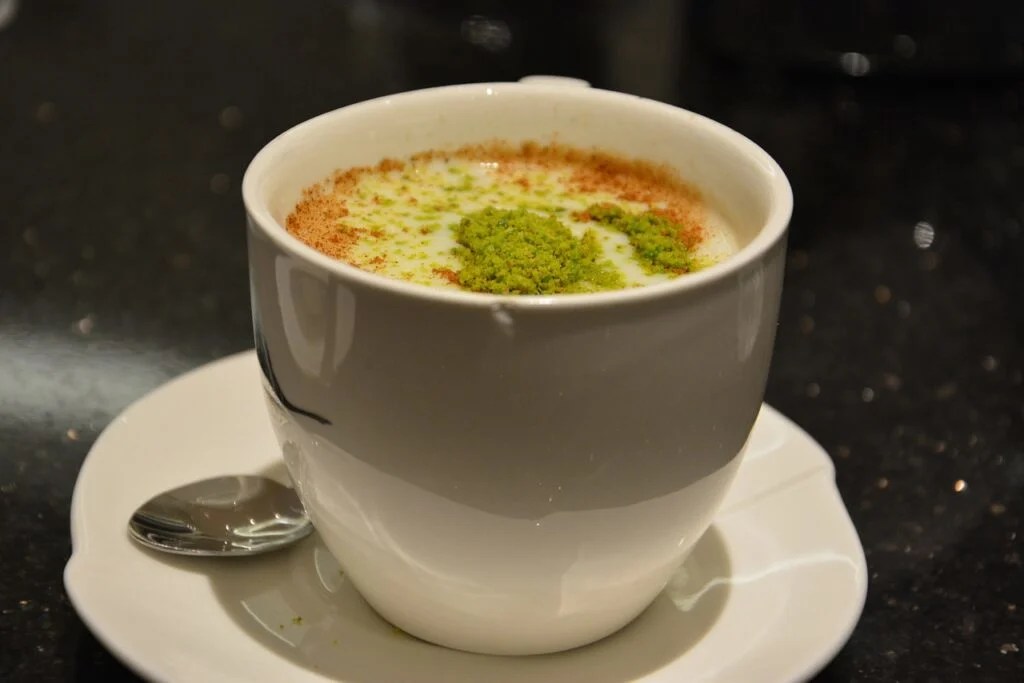
Salep is a flour made from orchid tubers that contain a nutritious polysaccharide called glucomannan. The flour can be used for making a warm beverage with a unique flavor that you probably didn’t experience before. The drink is popular in Turkey, the Middle East, and the Balkans, especially in Bosnia and Herzegovina. Salep is one of the best choices for a warm drink on a cold winter day.
Bosnian Beer

Beer is one of the most popular drinks in Bosnia and Herzegovina and it goes very well with most hearty Bosnian dishes, especially barbecue. So, if you’re a beer lover, you’ll surely fall in love with local beer. Some of the most famous Bosnian beers include Preminger, Nektar, Sarajevsko, Erster, and Tuzlanski Pilsner.
Rakija

Rakija is an ultra-popular fruit brandy that originates from the Balkan Peninsula. It’s popular in all Balkan countries, Bosnia and Herzegovina included. Rakija can be made from many different fruits but most commonly it’s made from grapes or plums. It has between 45 and 50% alcohol. Local people use it for drinking, cleaning windows and other surfaces, as a natural remedy, or even for disinfection of cuts and bruises.
Medovina

Medovina is a variation of rakija that consists of a mixture of already prepared rakija and fermented honey. The final result is a light brown, dense alcoholic drink with a very sweet flavor that tastes like honey and alcohol at the same time.
Višnjevača

Višnjevača is a sweet liquor made from fermented sour cherries and sugar. The ingredients are left to ferment for at least 6 weeks before consumption. The final result is a reddish sweet and sour liquor with a strong cherry flavor.
Did you ever try Bosnian food? How did you like our list? Do you think there are some Bosnian dishes we forgot to include in our list? Feel free to share your thoughts in the comments below.
Like it? Pin it.


