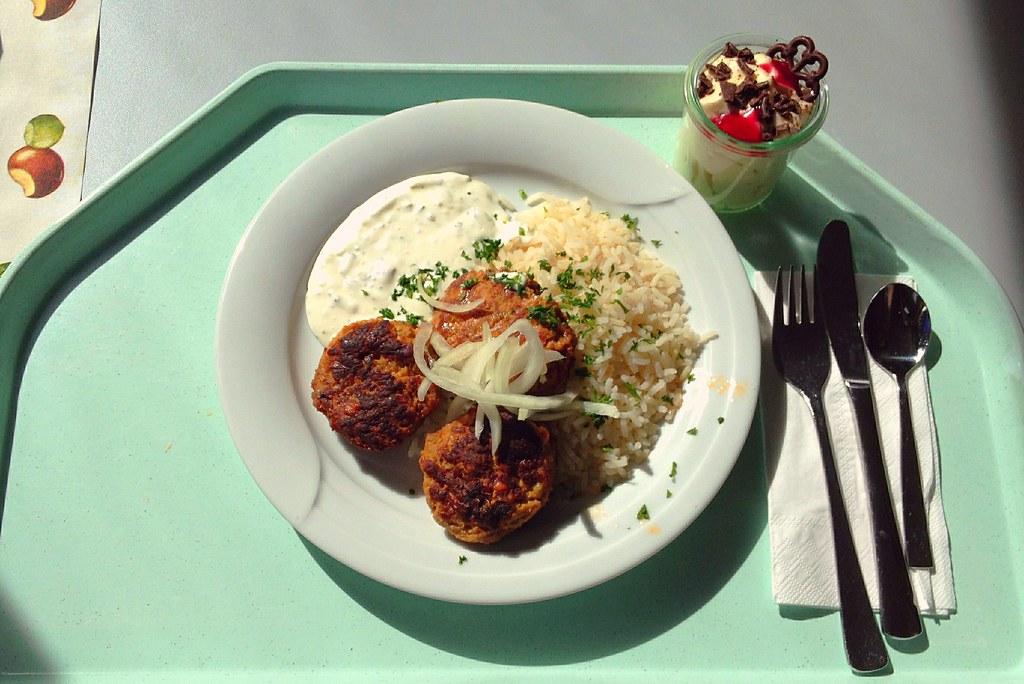
Greek vegetarian food isn’t just about savory dishes and olive oil–based meals—it also has a rich tradition of simple, comforting desserts. Many Greek sweets are made without eggs or butter and are closely tied to religious fasting periods, seasonal ingredients, and family gatherings. From salads and cold meze to hearty vegetarian versions of meat dishes and even some sweets, here are the best vegetarian foods everyone should try when visiting Greece.
We start this guide to Greek vegetarian food with a few salads and cold meze appetizers…
Tzatziki
Tzatziki is a traditional Greek cold dip served as a meze, consisting of thick strained yogurt, grated cucumber, garlic, olive oil, dill, and other herbs. It is consumed throughout the year, and particularly during summer as an appetizing accompaniment to the meals. Tzatziki is delicious when it is served with Greek pita bread, vegetable fritters, baked vegetables, or vegan gyros. It is frequently used as a component in a mezze platter or with the main dishes to offset the richer flavors. It is cool, creamy, and tangy; but it can also be spicy; it can be combined with rice, salads, gyros, or pretty much anything.
Greek Salad (Horiatiki)
Greek salad is the combination of tomatoes, cucumbers, onions, olives, olive oils and a block of feta cheese that can be served in cubes or as one long rectangle. Mostly, it is consumed during summer when the vegetables are at their peak. Conventionally, it is best served as a side or common starter, and it is best accompanied with fried cheese, lentil dishes, or oven-baked vegetables. There is no lettuce in the traditional Greek salad; it’s simple and uncomplicated, and a typical representation of the Mediterranean emphasis on freshness, seasonality, and quality products.
Lahanosalata
Lahanosalata is a plain cabbage salad using shredded white/red cabbage, olive oil, lemon juice or vinegar, and occasionally carrots. It is consumed all year round, especially during winter when fresh produce alternatives are fewer. Lahanosalata is usually served to accompany the soups of legumes or baked or fried foods, which have a contrasting acidity. Light but gratifying, it is eaten in tavernas, and also at home, and it is appreciated both for its freshness and also for its digestive quality.
Greek Lentil Salad
Greek lentil salad is prepared using cooked lentils combined with olive oil, vinegar or lemon, herbs, and occasionally onion or vegetables. It is consumed all year round, sometimes to replace lentil soup when the weather is hot. The salad is best served with bread, feta, or other mezze meals. It is healthy and energy-giving; it is a favorite among virgins and vegetarians. It is a mixture of the earthly flavor with the acidity that is bright and makes it both practical and flavorful.
Melitzanosalata
Melitzanosalata is an eggplant oil dip made of smoked eggplants, olive oil, garlic, and lemon. It is consumed chilled as one of a mezze platter and is best during summer. The dip is good with bread, lagana flatbread, or fried vegetables. Depending on the area, it may vary with tomato or parsley. Light but rich, melitzanosalata is one of the most popular recipes that brings out the rich, smoky taste of eggplant and is served at parties and functions.
Skordalia
Skordalia is a potent garlic sauce prepared using potatoes or bread, olive oil, and vinegar. It is a traditional dish prepared on March 25th (day of the Greek revolution) with fried fish, although it is served all year round as meze. Skordalia is great with fried vegetables, beets, or bread. It is an excellent dish with a strong taste of garlic, which is commonly served in small portions. It is creamy, sharp, and a typical illustration of the way in which simple ingredients can be transformed into something to remember in Greek cuisine.
Htipiti
Htipiti is a spicy feta dip that is made of roasted red peppers, olive oil, and chili. It is normally served as a snack, particularly in tavernas. Htipiti is a good accompaniment to bread, raw vegetables, or softer foods such as salads and rice. People love it as it is a substitute for plain feta because it is hot and creamy. This sauce is very appetizing, and it gives a spicy touch of color to any Greek mezze table.
Greek Fava
Greek fava is a yellow split pea puree that is smooth and most notably related to Santorini. It’s served warm or at room temperature with olive oil, onions, capers, or herbs. Fava is consumed throughout the year, but more so when one is fasting. It goes well with bread, olives, and other mezze preparations. Although it’s so named, it is not prepared using fava beans.
Dakos (Cretan Salad)
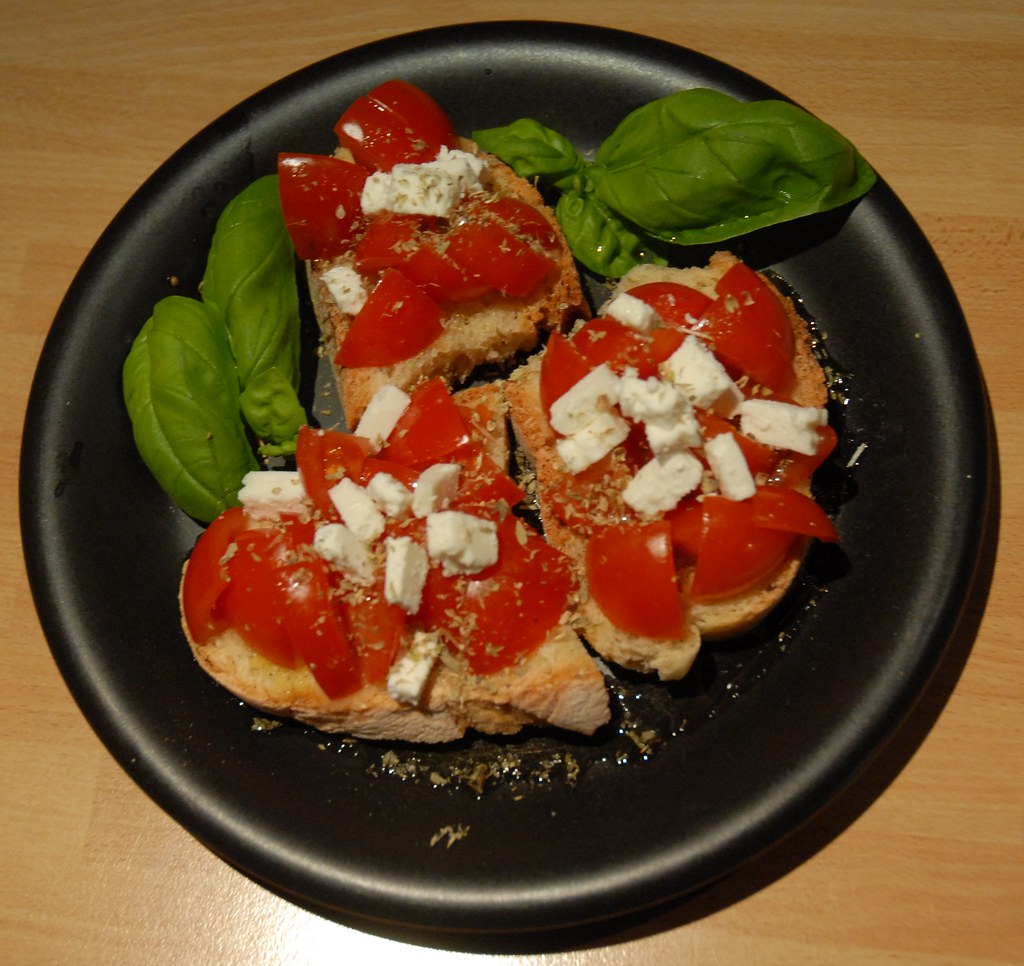
Dakos is a Cretan food prepared by using dried barley rusks sprinkled with grated tomato, olive oil, oregano, and crumbled feta or mizithra cheese. The food is consumed primarily in summer, as a light meal or a meze. Dakos is a nice match to olives, salads, or grilled vegetables. The tomato makes the rusks soft, yet at the same time, it remains crunchy. Dakos is rustic and refreshing, and this style of cooking is simple and ingredient-driven, as found in Crete.
🍚 Rice, Grains & Legume-Based Dishes
Next in this guide to Greek vegetarian food, we have a few rice, grain, and legume-based dishes.
Greek Lemon Rice (Rizi me Lemon)
Greek lemon rice is a tasty side dish prepared using rice, olive oil, lemon juice, and, at times, garlic or herbs. Its consumption is on an annual basis and is usually paired with stews of vegetables, cooked foods, or halloumi. It is light and zesty, and it combines rich flavors and is particularly eaten around the time of Lent. It is a simple but bright dish which can be used in both meals and the bigger spreads.
Spanakorizo
Spanakorizo is a comforting dish of rice that is cooked using spinach, olive oil, onions, and herbs. It is usually consumed in a main vegetarian dish, particularly in fasting seasons. To go with spanakorizo, it is often served with lemon and feta as a side dish, salads, or dips made of yogurt. It is mostly observed during winter and spring when greens are rich. It is a typical representative of Greek daily food that is simple, nutritious, and very much connected with home cooking.
Fakes (Greek Lentil Soup)
Fakes is a classic Greek lentil soup prepared using lentils, onion, carrot, bay leaf, and olive oil. It is mostly consumed during the colder seasons and fasting days. It is served with vinegar, olives, or raw onion, and it is hearty and healthy. Fakes are also well-matched with bread or cabbage salad. Humble yet filling, it has always been regarded as the staple of Greek domestic cuisine.
Fasolada
Fasolada is a hearty white bean stew stewed in tomato, olive oil, carrots, and celery. This is what is known as the national dish of Greece and is consumed during winter. Fasolada is customarily accompanied by olives, bread, and pickled vegetables. Warming and filling, it is a diet of fasting seasons and family meals, a modest soup that shows the significance of legumes to the traditional Greek foods.
Revithia
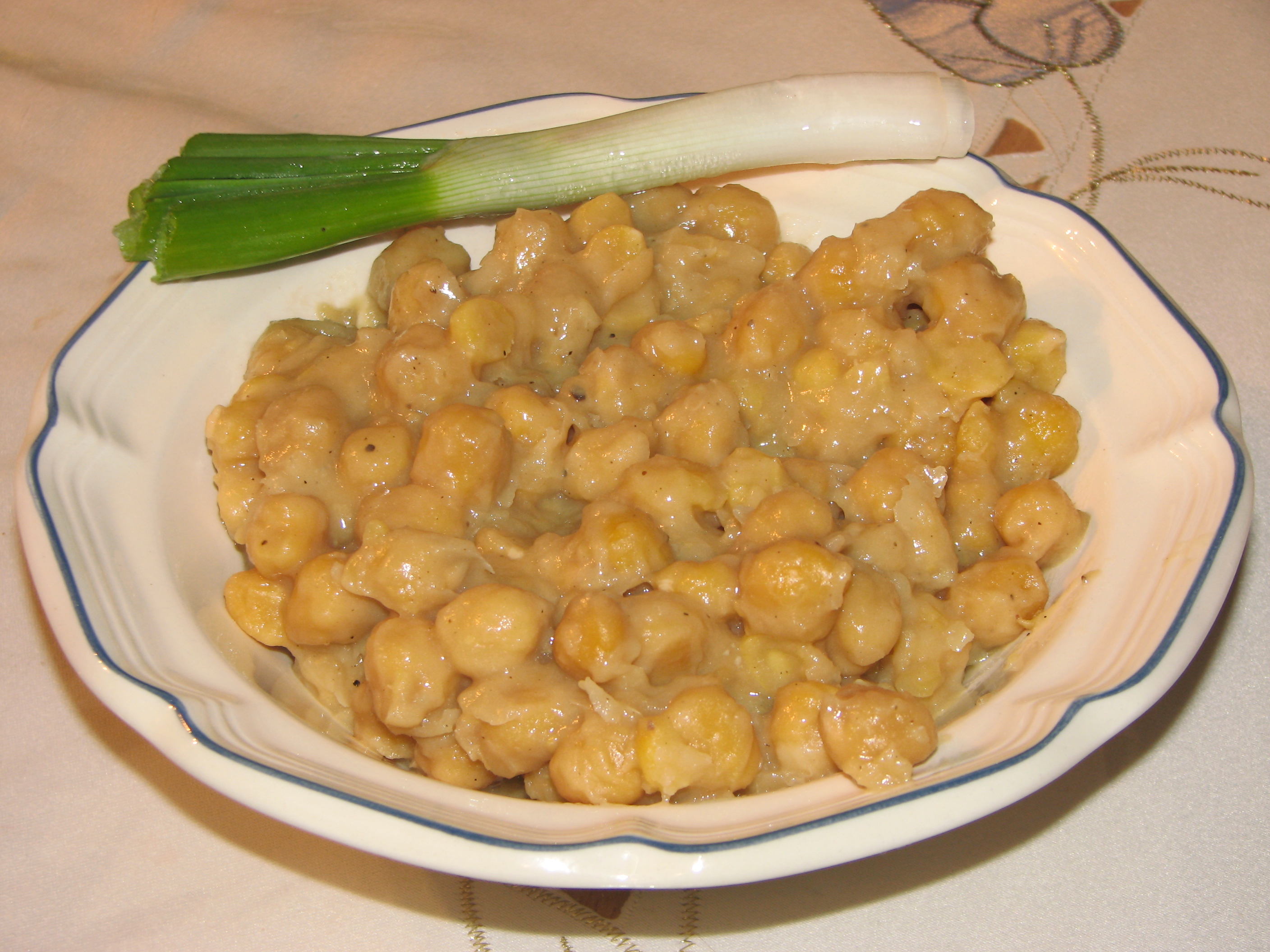
Revithia is a slow-cooked chickpea dish, originating from the island of Sifnos. It is cooked slowly in olive oil, onion, and herbs, and normally left overnight before serving. Revithia serves as a main meal, especially on fasting days or Sundays. It goes well with salads, lemon, and bread. This is a very soothing and creamy dish that is representative of the island tradition of slow and patient cooking.
Gigandes Plaki
Gigandes plaki is a baked dish prepared using large white beans cooked in a tomato and olive oil-rich sauce. It is consumed throughout the year, but mostly during Lent and fasting seasons. Usually served as a main course vegetarian meal or as part of a mezze table, it goes very well with bread, salad, and feta. Beans are tender and delicious, and they would absorb the sauce as they bake slowly. Gigandes plaki is a hearty and delicious dish and is a main staple of Greek home and taverna cuisine.
Arakas
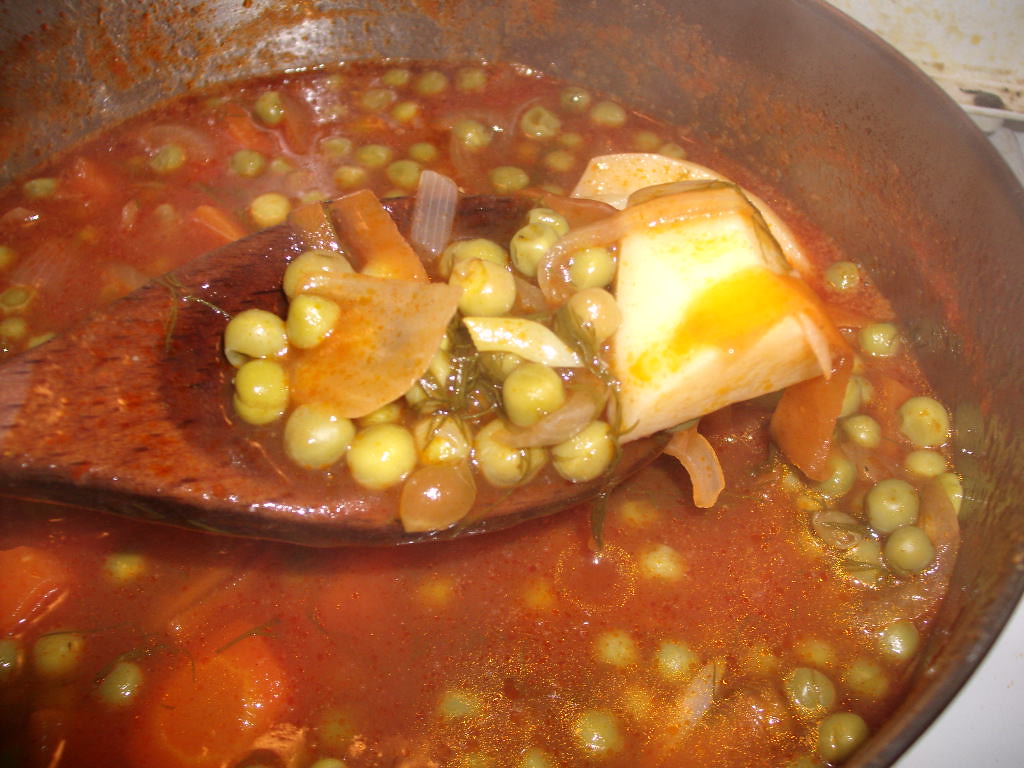
Arakas is a warm stew that is prepared with green peas, carrots, potatoes, tomato, and olive oil. It is mostly consumed during spring and early summer when the peas are fresh. Arakas is a primary vegetarian dish that is good with bread, feta, or a simple salad. Light but satisfying, it is usually eaten on days of fasting.
Fasolakia
Fasolakia is a Greek traditional green bean dish prepared with tomato, onion, garlic, and olive oil. It is usually consumed in summer when green beans are in season. Fasolakia is served warm or at room temperature, and it goes well with potatoes, bread, and feta cheese. It is usually served as part of a bigger table of vegetable dishes.
Bamies (Okra Stew)
Bamies refers to a stew made of tomatoes, okra, olive oil, onion, and herbs. It is consumed during summer and early autumn. It is eaten as a main course and is usually accompanied by bread and, at times, feta. Okra is handled since it is not slimy and is left tender, so that it is particularly popular with people who like its crunchy bite
🥘 Vegetable Stews & Oven-Baked Classics
Next on this guide to Greek vegetarian food, we have a few vegetable stews and oven-baked classics…
Briam
Briam is a traditional Greek baked meal prepared using zucchini, potatoes, eggplant, tomatoes, and a lot of olive oil. It is mostly consumed during summer, either hot or at room temperature, and it can be accompanied by hard bread, feta, or lemon rice. The vegetables are roasted very slowly and become tender and highly flavored. Simple and rustic, briam is the reflection of the Greek home cooking traditions and farm products.
Tourlou
Tourlou is a mixed vegetable stew comparable to briam, though typically made in a stovetop. It is comprised of eggplant, zucchini, peppers, potatoes, and tomatoes. Consumed primarily during summer, it is prepared either as a main meal for vegetarians or as a side. Tourlou is good with bread, feta, or dips made out of yogurt. It is juicy and aromatic, and the table of vegetable dishes around at the same time is usually bigger.
Gemista (Stuffed Vegetables)
Gemista are peppers and tomatoes, which have been filled with rice, herbs, and olive oil and then are baked in a slow oven. They are customarily consumed during summer when the vegetables are at their best. Gemista are served with feta or tzatziki, served with roasted potatoes that were cooked in the same pan. This is a typical dish in the Greek family meals, often vegan. It is particularly popular due to the fact that it is even better the following day.
Melitzanes Imam
Melitzanes imam is basically a roasted eggplant, stuffed with onion, garlic, tomatoes, and rice cooked in a lot of olive oil. It is a summer dish and one of the most popular Greek vegan dishes. The dish is served either hot or at room temperature, and it is good with bread or rice. It is sweet, soft, and aromatic; a favorite representative of Greek cuisine, which showcases the Ottoman influence on Greek cuisine.
Kounoupidi Kapama
Kounoupidi kapama is a comfortable cauliflower stew dish made of tomato, onion, and olive oil. It is mostly consumed during autumn and winter. It is a vegetarian and a main course dish, and it is accompanied by bread or lemon rice. Light but tasty, this food is usually served during times of fasting. It demonstrates how simple vegetables can be made into whole and tasty meals with the help of only a few local ingredients.
Vegetarian Moussaka
Vegetarian moussaka is made of vegetables instead of meat (eggplant, zucchini, or lentils) between the layers of potatoes and topped with béchamel sauce. It is consumed throughout the year, and it can be used at parties or dinner. It is also very rich and full, and it will go well with a fresh salad. The version retains the comforting nature of the traditional dish but is vegetarian, making it a real hit among most vegans visiting Greece.
Vegetarian Pastitsio
Vegetarian pastitsio is baked pasta which is stacked with pasta, a vegetarian filling, and béchamel sauce made of cream. It is traditionally taken as the main course in family meals and especially at special occasions or celebrations. Pastitsio is very rich, so it matches with the salads or the lighter dishes. It is warming and stuffing, a veganized version of a Greek traditional favorite.
🥧 Pies, Pastries & Dough-Based Dishes
This guide to vegetarian food wouldn’t be complete without a few popular Greek vegetarian pies and pastries.
Ladenia
Ladenia is a Greek-style focaccia, which is a traditional Greek flat bread of the island of Kimolos. It is topped with tomato, onion, olive oil, and herbs and baked till soft inside and slightly crisp outside. Ladenia is typically consumed as a light meal or communal meal, particularly during fasting seasons or Lent. It is suitable with salads, olives, or plain vegetable meals. Simple and fragrant, it showcases the nakedness and hospitality of the Greek island cuisine.
Spanakopita
Spanakopita is a traditional Greek pie that consists of alternating layers of spinach, herbs, and feta cheese. It serves as a snack, light meal, or appetizer and is particularly popular during get-togethers and family dinners. Spanakopita is served well with salads, dips made of yogurt, or with soups. It can be found in most popular bakeries, but also one of the most popular homemade pastries. It is crunchy, salty, and delicious, which makes it one of the most familiar Greek vegetarian dishes.
Tiropitakia
Tiropitakia are phyllo or puff pastry pastries that are filled with feta cheese. They are usually eaten as appetizers, snacks, or as part of a mezze plate. Tiropitakia are consumed all year round and are served with salads, dip,s or coffee. They are made at home on a variety of occasions, and are also available in bakeries nationwide in Greece. Small and dense in content, they are ideal to share and are typical on the festive tables.
Hortopita
Hortopita is another savory pie crammed with wild greens and herbs, and in some cases a small amount of feta. It is usually consumed during the spring period when there is plenty of wild greens. Served either as a main or a side, hortopita goes well with yogurt, salads, or lentil dishes. The regional varieties are different, and vary according to the greens available. Brown and herbal, it is as close to foraging and cooking with seasonal ingredients as Greece is.
Kolokithopita
Kolokithopita is a zucchini pie prepared using grated zucchini, herbs, and feta, and enclosed in phyllo. It is usually consumed during the summer when the zucchini is available. It is eaten hot or at room temperature, and it is accompanied by salads or tzatziki. Kolokithopita is a light pie, and so popular as a lunch or picnic snack. New and fresh, it is a summer favourite in the Greek home kitchens.
Bougatsa
Bougatsa is a pastry stuffed with semolina custard, cheese, or savoury stuff and covered in a layer of thin phyllo. It is primarily consumed as breakfast or a snack, particularly in the northern parts of Greece. The sweet ones are sprinkled with cinnamon and sugar. Bougatsa is best enjoyed with coffee. It is crispy on the outside and soft on the inside, and is a favorite snack on the street in both sweet and savory forms.
Flaounes
Flaounes are Cypriot pastries that are stuffed with cheese, eggs, and herbs and usually baked during the Easter season. They are consumed as a festive meal during the Greek Orthodox fasts. Flaounes are typically a snack/light meal and go well with coffee or tea. They are filled with a plush and fragrant filling, which may contain mint or mahleb. Flaounes are a traditional dish that is cooked in bulk and served to family and friends.
Lagana Flatbread
Lagana is a flatbread that is traditionally baked and consumed on Clean Monday, the first day of Lent. It is topped with sesame seeds, and it is very light and airy. Lagana is accompanied by dips such as taramasalata, olives, or vegetable dishes. Although the majority of them are linked to Lent, everyone eats them throughout the year in bakeries.
Gogges (Greek Pasta)
Gogges are Greek types of pasta, handcrafted and frequently pressed with a thumb. They are traditionally consumed in Peloponnese and are eaten with olive oil, cheese, or tomato sauce. Gogges are a popular choice for a comforting meal, particularly during colder seasons. They are coarse and hearty and can be served with salads or plain vegetable accompaniments. The dish represents the lesser-known pasta traditions in Greece.
🧀 Cheese-Focused Dishes & Small Plates
Next on this guide to Greek vegetarian food, we have a few popularcheese-based snacks…
Saganaki Cheese
Saganaki is a simple yet indulgent dish made by frying firm cheese until golden and crispy on the outside and soft inside. It’s served hot as an appetizer or meze, often with a squeeze of lemon. Saganaki pairs well with salads, bread, or vegetable dishes. Eaten year-round, it’s a popular starter in tavernas. Rich and salty, it’s best enjoyed shared, balancing its intensity with lighter dishes.
Baked Feta
Baked feta is a warm dish where feta cheese is cooked in the oven with olive oil, tomatoes, peppers, or herbs. It’s served as a meze or light main, especially during summer. Baked feta pairs beautifully with bread, salads, or roasted vegetables. The heat softens the cheese while enhancing its tangy flavor. Simple yet satisfying, it’s a favorite for casual meals and shared plates.
Halloumi Souvlaki
Halloumi souvlaki features grilled halloumi cheese skewered and cooked until golden and slightly crisp. It’s eaten as a vegetarian alternative to meat souvlaki and is especially popular in summer. Served in pita or on a plate, it pairs well with salads, tzatziki, or lemon rice. Halloumi’s high melting point makes it ideal for grilling. Salty and hearty, it’s a filling and flavorful option.
Before we get to desserts, this Greek vegetarian guide wouldn’t be complete without a few popular fritters and street food snacks…
Kolokithokeftedes
Kolokithokeftedes are zucchini fritters that are prepared using herbs, onion, and occasionally feta, and fried to golden brown. They are consumed during summer periods when zucchini is plentiful. They are served as a light meal or meze and serve well with tzatziki or yogurt dips. They are crispy and soft, and a favourite of taverna.
Domatokeftedes
The Islands Domatokeftedes are fried tomatoes characteristic of the Santorini island. Prepared using tomatoes, herbs, and soft flour, the tomatoes are fried until crispy. They are consumed as a meze or appetizer to go with dips or salads based on yogurt. They are most popular during the summer, and they bring out the sweetness of local tomatoes. Tasted light and full, they are a favorite dish on the island.
Dolmades
Dolmades are filled vine leaves with rice, herbs, and olive oil. Eating them all year round and typically served cold to form a mezze spread. Dolmades are good with yogurt, lemon, and salads. They are vegan and common when fasting. Dainty and fragrant, these are time-consuming to prepare and are commonly characterized by holiday meals and communal tables.
Vegan Gyros
Vegan gyros are a vegan adaptation of the well-known and most popular Greek street food that typically consists of mushrooms, legumes, or seitan. Served in pita with vegetables and vegan sauces, they are consumed as a fast and nutritious food. Vegan gyros are popular in cities and tourist spots and go well with either fries or salads. They are quite familiar and are also seen as a modern classic and proof that demonstrates how Greek cuisine is adjusting to modern diets and tastes.
Desserts & Sweet Treats
Last but not least, we conclude this guide to Greek vegetarian food with a few popular desserts…
Rizogalo
Rizogalo is a creamy Greek rice pudding prepared with rice, milk, sugar, and cinnamon. It is consumed all year round, usually as a light dessert or even breakfast. Rizogalo goes with fresh fruits or coffee. It is of a basic and soothing quality and is particularly popular among children and in colder weather. At room temperature or chilled, it is a popular homemade sweet and bakery dish throughout Greece.
Halva (Semolina or Tahini)
There are two main varieties of Greek halva: semolina halva, which is cooked in oil and syrup, and tahini halva, which is cooked with ground sesame seeds. The two are popular dishes during the times of fasting and Lent. Halva can be combined with coffee or fruit. It is nutritious and full, and it is appreciated due to its simplicity and time-established tradition in Greek vegetarian cuisine.
Pasteli
Pasteli is a sweet dish prepared by using sesame seeds, honey, and, in some instances, nuts. Consumed as a snack or even a dessert and consumed all the yearround. Usually linked to energy and nutrition, pasteli is something to have with coffee or a snack on the run. It’s one of the most traditional Greek sweets, as its origins date back to ancient times.
Galaktoboureko
Galaktoboureko is a dense dessert prepared in layers of phyllo dough stuffed with semolina custard and covered with a syrup with a citrus aroma. It is prepared during celebrations, family events, and special events. Galaktoboureko is good with coffee, as it can be used to balance its sweetness. Topped with crispness and filled with cream, it is one of the most favorite syrup desserts in Greece and featured in the traditional pastry stores.
Ravani
Ravani is a semolina cake that has been baked and then dipped in syrup. It is consumed throughout the year and is typically consumed during parties or as a homemade dessert. Ravani is best accompanied by coffee or tea. Light but moist, it is not as rich as other syrup candies, and is therefore quite popular to enjoy on a daily basis. Regional differences can contain yogurt or almonds.
Loukoumades
Last but not least, we conclude this guide to Greek vegetarian food with loukoumades, small, round fried pieces of dough batter that are coated with honey and sprinkled with cinnamon or nuts. They are consumed along with fresh hot food and are frequently enjoyed at festivals, fairs, or as a communal dessert after a meal. Loukoumades go hand in hand with coffee. They are crispy on the outside and soft on the inside. Being one of the oldest Greek sweets, they are a favorite of all ages.
How did you like this guide to Greek vegetarian food? Did you try any of these Greek vegetarian dishes before? Feel free to share your thoughts and experiences in the comments below.