
Ever heard of Fasolada? It’s this cozy, comforting Greek bean soup that’s pretty much a hug in a bowl, including plump beans, a medley of veggies, and Greek spices, all swimming in a rich, olive oil-kissed broth. Sounds interesting? Keep reading; in this article, we’ll introduce you to the traditional fasolada recipe (taking around 2 hours) and teach you everything there is to know about this delicious and beloved Greek staple.
Let’s start from the beginning…
What Is Fasolada?


Fasolada is one of the rare veg dishes that won the status ‘national dish of Greece’ and the ultimate comfort food of local cuisine. It’s also popular in one form or another in most countries in the region. The dish is basically a hearty bean stew in which white (kidney) beans take the spotlight.
What I personally love about fasolada is that it’s unpretentious and doesn’t use any expensive ingredients yet it’s rich in flavor and has a distinct charm you can’t get in any of the other regional varieties (but more about this below). It’s made by gently simmering a mélange of vegetables like carrots, celery, tomatoes, and onion while olive oil, a staple in Greek cooking, is used generously, adding flavor and texture that’s uniquely Greek.
Fasolada is most often accompanied by a slice of fresh crusty bread, a Greek salad of choice, and olives. The dish is a staple during the winter months, but with its unique ability to be both hearty and light, you can eat it throughout the whole year.
Fasolada Origin


The origin story of the fasolada recipe is like a story of the chicken and the egg. Every country in the Balkans has its own version of this delicious bean stew and every country will claim that theirs is oldest and the other countries are copying them and Greece is no exception.
However, if we want to get technical and historically accurate, we have to trace the origin of the fasolada recipe back to the Byzantine era. At least that’s when the first written evidence of a dish similar to fasolada (or a more primitive version of it) can be found. Over the years, the dish has been a symbol of Greek resilience and simplicity but today we see more people experimenting with it and trying to combine new ingredients in the traditional recipe which leads us to our next point…
Variations Of The Fasolada Recipe


As we previously mentioned this hearty Greek bean soup is like the comfort food poster child of the Mediterranean. But did you know fasolada has cousins all over the Balkans and Eastern Europe?
Venture north into the Balkans, and you’ll meet Pasulj. This Serbian take on bean soup often features meat, like smoked pork or sausage, giving it a richer, heartier profile. The base is similar – beans and veggies – but the flavor is deeper and smokier.
Slide over to Serbia’s neighbor, Bulgaria, and you’ve got Bob Chorba. Similar to Fasolada but often heartier, sometimes even throwing in some potatoes or chunks of meat.
Don’t miss out on Prebranac, another Serbian special. It’s more of a baked bean dish than a soup, rich with onions and often flavored with paprika. It’s like Fasolada’s cousin who went to art school.
Then there’s Macedonia’s own national dish, Tavce Gravce, baked in a traditional clay pot, rustic, comforting, and with a depth of flavor that will surely impress you.
Lastly, there is the Albanian version called Jani Me Fasule which is probably the most similar one to the Greek fasolada. And across the Mediterranean, there’s even a Moroccan version of this dish called loubia.
Enjoying this post? Then you may also like our tzatziki rice recipe or our spicy tzatziki recipe.
Preparation Tips


Bean Selection is Key: and if you need help choosing your beans, you can use this article. For this dish, go for navy or cannellini and soak overnight.
Veggie Prep Matters: Chop your onions, carrots, and celery uniformly so they all cook evenly.
Low and Slow is the Way to Go: Fasolada is a leisurely simmering kind of dish. The longer you can let it simmer, the better.
Seasoning is Personal: Traditional Fasolada is pretty straightforward with seasoning – a bay leaf, maybe some thyme. But feel free to personalize.
Are you a fan of Greek cuisine? Then you may also like our chicken gyro recipe and our dolma recipe.
Cultural Significance


Historically, the Fasolada recipe has its roots in times when meat was a luxury many couldn’t afford. So its mere history represents a time when Greek households relied on their staple crops: beans, vegetables, and of course, the ever-present olive oil. This hearty bean soup was a way to provide a nutritious meal that could feed a family, sustainably and affordably. In modern Greece, Fasolada doesn’t have the reputation of your poor man’s dish anymore (to put it bluntly) but yet it continues to be a beloved dish nevertheless.
Serving


Traditionally, Fasolada is served alongside a salad of choice, olives, and of course, a slice of crusty freshly baked bread, perfect for dipping. Fasolada is typically a lunchtime star, especially during winters (it’s not recommended for dinner because, let’s face it beans take longer to digest). A common drink of choice that goes well with this meal is a crisp white wine like Assyrtiko or perhaps a Chardonnay.
And don’t forget, fasolada is one of those dishes that tastes just as good (and some say even better) the next day (or even two) after cooking it. So, if you make a little bit more than what you need for one meal, you have nothing to worry about.
A Few Things You May Need
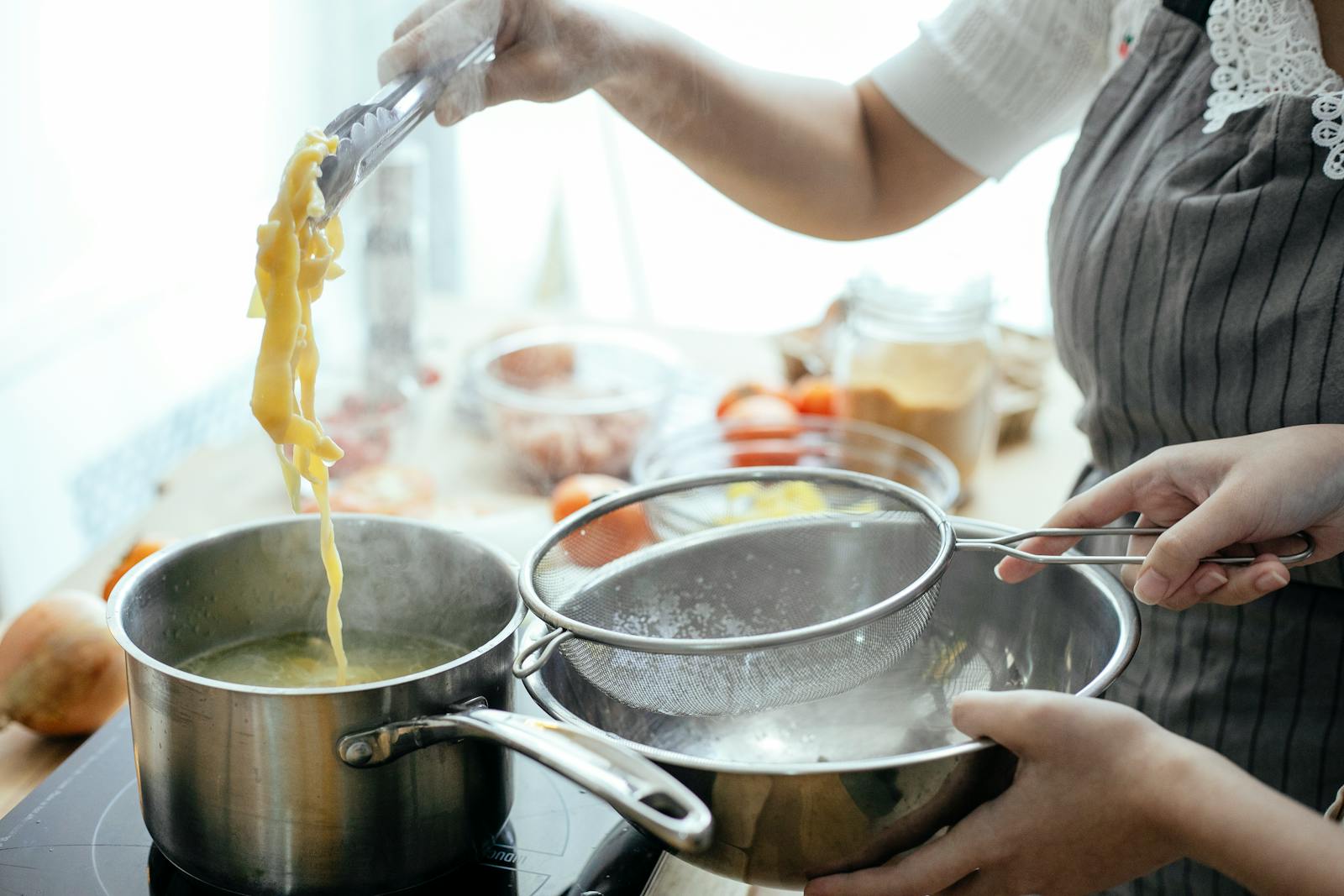

Strainer


Boiling Pot

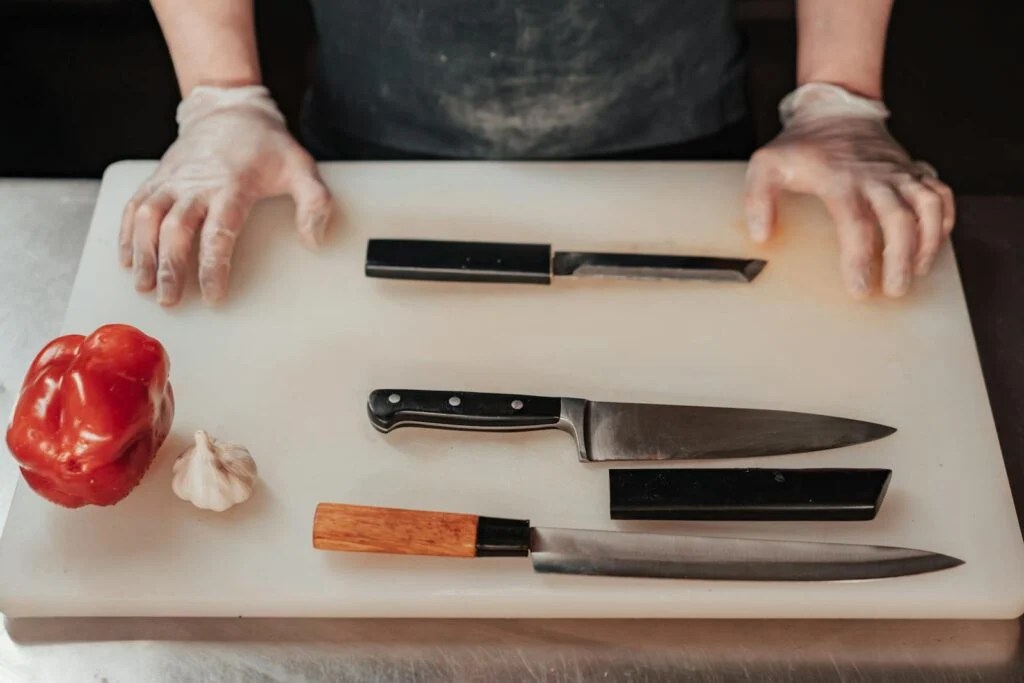
Cutting Set
Greek Fasolada Recipe


in this article we'll introduce you to the traditional fasolada recipe and teach you everything there is to know about this beloved Greek staple.
Ingredients
- Dried White Beans: 3 cups (such as navy or cannellini beans)
- Onions: 2 large, finely chopped
- Carrots: 3 medium, diced
- Celery Stalks: 3, diced
- Garlic: 4 cloves, minced
- Canned Tomatoes: 2 cans (28 oz each) of diced or crushed tomatoes
- Olive Oil: ½ cup, plus extra for drizzling
- Bay Leaves: 2-3
- Salt: To taste
- Freshly Ground Black Pepper: To taste
- Water or Vegetable Broth: Approximately 8-10 cups, adjust based on desired soup thickness
- Fresh Parsley: A handful, chopped (for garnish)
- Lemon Juice: Optional, for serving
Instructions
1. Soak the Beans overnight in cold water.
2. Prepare the Base: In a large pot, heat the olive oil over medium heat. Add the chopped onions, carrots, and celery, and cook until they start to soften, about 5-7 minutes.
3. Add Beans and Tomatoes: Drain and rinse the beans, then add them to the pot together with the canned tomatoes or tomato paste (whicever you choose to use).
4. Simmer the Soup: Pour in the water or vegetable broth, bring to a boil, then reduce heat and let it simmer for 1-2 hours.
5. Season with salt and pepper and if you want to make your soup slightly thicker, you can mash some of the beans against the side of the pot.
6. Drizzle with a bit of olive oil, sprinkle with fresh parsley, serve with crusty bread, and enjoy!
Nutrition Information:
Serving Size:
1 bowlAmount Per Serving: Calories: 280Total Fat: 12gSaturated Fat: 2gTrans Fat: 0gUnsaturated Fat: 8gCholesterol: 0mgSodium: 390mgCarbohydrates: 39gNet Carbohydrates: 39gFiber: 9gSugar: 11gSugar Alcohols: 0gProtein: 14g
How did you like our fasolada recipe? Did you ever try fasolada before? If you tried our recipe at home, don’t forget to leave us a rating and if you have any questions, feel free to ask in the comments below.
Like it? Pin it.

