
If you’re a fan of Mediterranean cuisine, you probably heard a thing or two about dolmas. This is one of the most famous Turkish appetizers but you can also find it in many other places from the Balkans to the Middle East. In this post, we’ll share the traditional dolma recipe and teach you everything there is to know about this delicious snack, including its origin, history, variants, frequently asked questions, and much more.
But first things first…
What Is Dolma?


To explain in the simplest way possible, dolma is a rolled grape leave most commonly stuffed with rice, minced meat, and a myriad of warm spices and herbs (most often, cumin, allspice, parsley, dill, and mint). Dolma is very popular in Turkey, Tatarstan, the Balkans (especially Greece, Macedonia, Albania, and Bulgaria), practically all Arab countries, and Central Asia (especially in Uzbekistan and Turkmenistan). That’s why there are many different variations of the dolma recipe as we’ll show later in this article. But before that, let’s share a few words about…
Dolma History & Origins

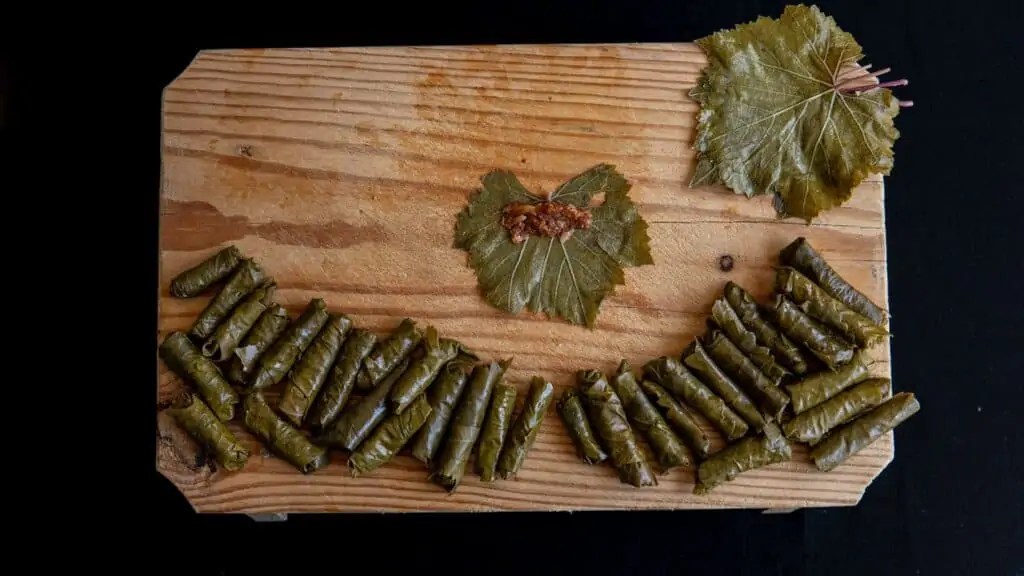
The concept of preparing dolma in grape leaves is undoubtedly a part of the Ottoman culinary legacy but it’s very likely that the dolma recipe was inspired by Middle Eastern cuisines. The first written mention of vegetables stuffed with rice can be found in Medieval Arabic cookbooks. Many also argue that Ancient Greeks used to stuff fig leaves with sweetened cheese (a dish known as thrion). That’s why most Greeks will tell you that the dolma recipe is indeed a Greek creation.
However, no one can deny that it was the Ottomans who not only mastered the art of “grape leaves-stuffing” but also made this dish very popular in regions where people previously didn’t know about it. The two most notable examples of this are the Iranian version of dolma that likely originates somewhere in the 17th or 18th century and the Russian version that uses cabbage instead of grapes leaves. This version is popular not only in the entire Eastern European region but in Swedish cuisine as well.
As for the dish’s name, the word “dolma” derives from the Turkish verb “dolmak”, meaning to be filled/stuffed, mostly referring to all sorts of stuffed vegetables.
Enjoying this post? Then you may also like our chicken gyro recipe and our gyro salad recipe.
Variations


As far as variations go, there are two main variations and a lot of local versions of the recipe. The two main variations differ in the filling; there’s a vegetarian version in which the filling consists only of rice and there’s a non-veg version in which the filling consists of rice and minced meat. There are also versions of dolma cooked in different sauces but the two most commonly used sauces are tomato sauce or lemony broth.
Local Versions Of Dolma


You’ll find dolma in many different countries under different names. In Greece, it’s called dolmades and is usually served alongside spicy condiments, in Iran, it’s called dolme, in Syria, the snack is known as yebra and in Armenia as tolma while Egyptians call it mahshi.
In addition to this, we should also mention that there are several regional versions of dolma in Turkey as well. Dolmas made with offal (consisting of the organs of a butchered animal) are quite popular in parts of Turkey, especially rural areas and in Armenia as well. They refer to this dish as dalak dolmasi. Another popular variant of dolma in Turkey is mumbar dolma which is stuffed with a moist mixture of rice, ground meat, and spices but it’s fried in butter and sliced before serving.
In the seaside regions, you can also find seafood variants of dolma, known as midye dolma which usually consists of stuffed mussels filled with a mix of rice, pimento, and black pepper, and kalamar dolma which consists of calamari stuffed with a mixture of tomato sauce, onions, bread crumbs, Halloumi cheese, and garlic. There’s another seafood type of dolma that’s very popular in Istanbul. It’s known as uskumru dolma and it consists of a stuffed mackerel. The fish’s skin is carefully separated from the meat, the meat is sautéed with vegetables, nuts, and spices, and the mixture is stuffed in the previously removed intact skin before grilling.
As you can see, dolmas can be made of practically anything. In Ottoman cuisine, you’ll also find a lot of recipes for stuffed vegetables being referred to as dolma. There’s mulebes dolma (eggplants stuffed with meat and rice), salgam dolma (stuffed Russian turnips), sogan dolmasi (onions stuffed with minced beef, rice, paprika, and sour cream), enginar dolmasi (stuffed artichokes), and it can also be argued that dolma inspired the Balkan classic- sarma (cabbage leaves stuffed with ground meat and rice).
Last but not least, there are also many sweet variations of dolma that are served as desserts and they’re especially popular in parts of Turkey, Azerbaijan, and Iran. Some of the most popular versions include sekerli ayva dolmasi (quinces stuffed with rice, coriander, sugar, and cinnamon), and pekmezi ayva dolmasi (quince stuffed with meat, bulgur, and sweet syrup).
The Vegetarian Version


In the original dolma recipe, the main ingredients of the filling are rice and minced meat. However, veg dolmas are also quite popular. To prepare vegetarian dolma, all you have to do is omit the minced/ground meat and replace it with more rice and some red onions (chopped into tiny cubes). Everything else remains the same.
What Kind of Grape Leaves To Use?


If you can find fresh grapevine leaves, this should definitely be your first option for making dolmas. Just make sure to:
- Cut off the thick part in the middle of the leave
- Wash the leaves and
- Blanch them in boiling water before using them.
After this, they should cool down for at least 7-8 hours. Some people even leave the leaves soaking in the sun for a few days before using them to make dolmas.
Alternatively, you can also use jarred grape leaves. If you’re from the US and can’t find grapevine leaves anywhere in your location, you can buy some on Amazon. Most jarred grape leaves that are being sold are pre-blanched and marinated and are ready to use right away.
Personally, I have used the Orlando Brand grape leaves and the dolmas made with these were amazing!
Serving Dolma


Dolma is one of the most flexible dishes in Ottoman cuisine when it comes to serving. It can be served both hot and cold. It can be served as an appetizer, but also as a part of a meze platter or as a part of the main dish. Traditionally, dolmas that have meat are served hot, while veg dolmas are served cool, but this is not a rule. You can serve meat dolmas cool and vice versa, too.
If you’re serving dolmas as an appetizer, you can try serving them with ayran, a garlic-yogurt sauce known as tzatziki or creamy hummus, and a little bit of olive oil and lemon juice. You can also serve it alongside a pita bread, burek/byrek, simit, manti, or zelnik or together with another main course dish like fasolada or tavce grave.
Tips For Making Dolmas At Home

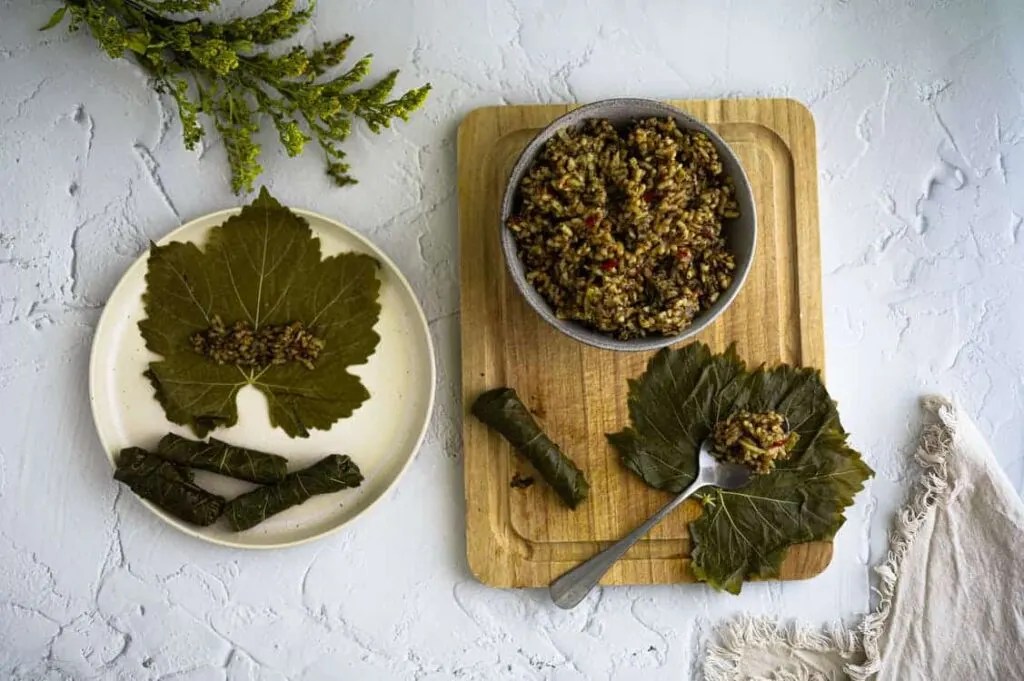
Don’t boil the water while cooking the leaves. This might cause them to fall apart. Instead, add the leaves in simmering water as described in our dolma recipe card.
Assemble grape leaves in the pot with the seam-side down. Also, add a plate upside down on the top to prevent the leaves from floating while cooking. This will keep the leaves from floating or unraveling while cooking.
Soak the rice in water before using it. Also, make sure to rinse the rice well and get rid of excess starch that can make the rice sticky. After that, soak the rice for 15 minutes before using it.
Don’t overstuff. You might be tempted to add a lot of filling in the leaves but don’t do it. Don’t forget that most of the filling consists of rice and rice expands while it cooks.
What about rolling? You have to roll the leaves tight enough not to fall apart but they should still have enough space in between to allow the rice to expand while cooking.
Add some broken grape leaves to the bottom of the pan. If you don’t your dolmas might get stuck at the bottom of the baking pan. And you wouldn’t want that after putting so much hard work into rolling them.
Let cooked grape leaves rest for at least 30 minutes before serving. This will allow any remaining liquids to be absorbed.
Storing
You can keep dolmas in the refrigerator for up to 3-4 days before serving. Alternatively, if you decide to freeze them, the dolmas will be edible for 1-2 months. The best way to preserve dolmas is to keep them in airtight containers. And last but not least, if you have some leftover grape leaves, you can keep them in airtight freezer bags and store them in the freezer. The leaves kept in this way are usable for up to 2 months.
A Few Things You May Need


Saucepan


Boiling Pot

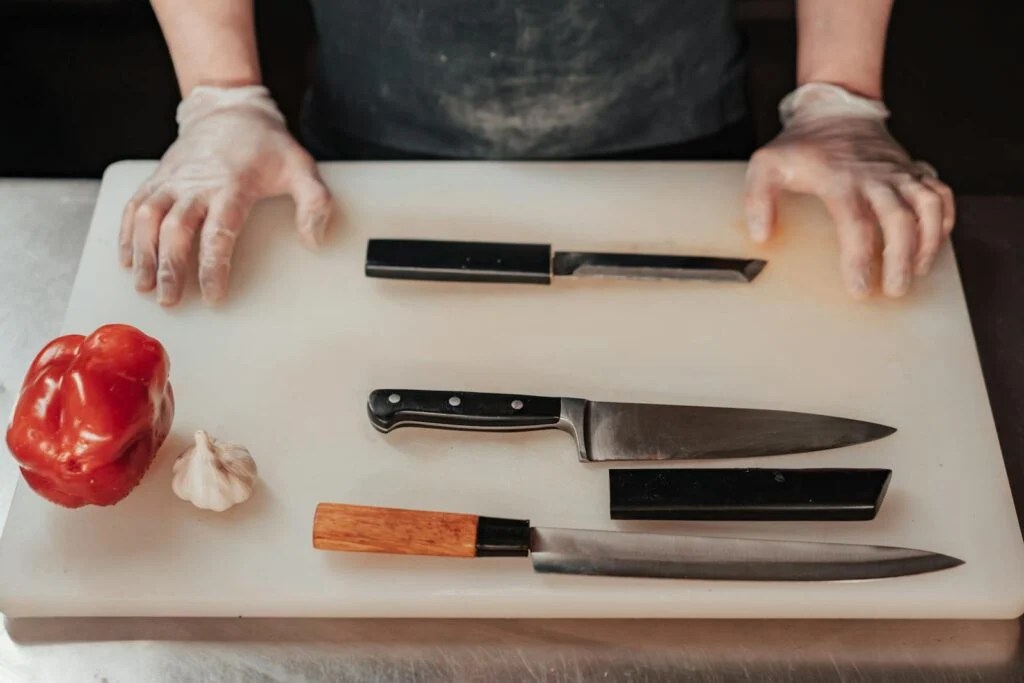
Cutting Set
Dolma Recipe


In this post, we’ll share the traditional dolma recipe and teach you everything there is to know about this delicious snack, including its origin, history, variants, and more.
Ingredients
- 1 Jar Grape Leaves/ 70 Fresh Grape Leaves
- 1 Cup Rice (long-grain)
- 1 and ½ Cup Ground Beef
- 5 Spring Onions
- ½ Cup Olive Oil
- 4 Cups Chicken Broth or Water
- 2 Medium-Size Tomatoes
- 2 Small Lemons
- 4 Oz Fresh Parsley
- 1 Oz Fresh Mint
- 1 Tablespoon Salt
- 1 Tablespoon Black Pepper
- 1 Teaspoon Cumin Seeds
- 1 Teaspoon Allspice/Cinnamon
- 3 Tablespoons Dried Currants (optional)
Instructions
1. If you’re using fresh grape leaves, you have to cut off the thick part in the middle of the leave, wash the leaves, blanch them in boiling water, and let them dry for at least 7-8 hours. Alternatively, if you’re using preserved grape leaves, you can proceed to the next step.
2. Wash the rice thoroughly and remove the starch to keep it from becoming sticky. This might take 3-4 rinses.
3. Saute the spring onion and fry it for no more than 5 minutes.
4. In another pan, cook the beef for 10-15 minutes.
5. Chop all the vegetables into small pieces and add them to a large bowl together with the rice, cooked ground beef, and previously sautéed spring onions. You can use a food processor or a cutter for this step of the dolma recipe.
6. Lay out the leaves with the bottom side up (the shiny side should be on the bottom).
7. Grease a spoon with olive oil and spread a little bit of olive oil on every leaf you intend to use.
8. Start adding the filling on every leaf but be careful not to over-fill it. Don’t forget that the rice still needs to cook and will likely expand in the process.
9. Start rolling by bringing the two opposite sides in and rolling to a close, similarly as you would do with spring rolls. Make sure you roll tightly but leave some breathing space in between in a way that the rice will have room to expand while cooking.
10. Add some unused grape leaves to the bottom of the pan. Ideally, you can use the leaves that got ripped in the preparation process. This will serve as a buffer to stop the dolmas from sticking to the baking pan.
11. Add the stuffed leaves in the pan facing with the seam side down and make sure they are tightly packed without a lot of place in between. If you leave too much space, some dolmas might fall apart while cooking when the rice starts expanding
12. Mix the broth water, lemon juice, and remaining olive oil and bring it to a boil before pouring it on top of the stuffed leaves. Use no more than 4 cups of liquid.
13. Add another pan or inverted plate on the top to hold the dolmas in place.
14. Let the mixture simmer at low temperature for 30-35 minutes with the lid on.
15. When the dolmas soak up the majority of the liquid added in step 10, remove the pan/inverted plate and keep cooking for 10-15 minutes.
16. Remove the dolmas from heat and let them rest 20-30 minutes before serving.
17. Place the dolmas in a serving platter, serve, and enjoy!
Notes
1. You can add some crushed pine nuts for additional flavor and texture.
2. Avoid rice that doubles in size in water (i.e. long-grain
rice). Or if you want to use this, let it soak in water overnight before
cooking.
3. You can use bulgar, orzo, or other types of grain but please note that this may change the cooking time mentioned in this recipe.
4. Last but not least, feel free to experiment with different vegetables and herbs for the filling.
Nutrition Information:
Serving Size:
1 pieceAmount Per Serving: Calories: 268Total Fat: 16gSaturated Fat: 2gTrans Fat: 0gUnsaturated Fat: 0gCholesterol: 5mgSodium: 453mgCarbohydrates: 38gNet Carbohydrates: 38gFiber: 8gSugar: 6gSugar Alcohols: 9gProtein: 6g
Did you ever try dolmas? How did you like our dolma recipe? If you tried to make dolmas at home following our recipes, don’t forget to leave us a rating. And if you have any questions about the recipe or dolmas in general, feel free to share your thoughts below.
Like it? Pin it.


Shiv
Thursday 28th of October 2021
What sort/size of pan are these cooked in? Based on the instructions, I'd guess something like a Dutch-oven, but it's not specified and the "A Few Things You May Need" section shows bakeware, which derailed my brain a bit.
The Food Hog
Saturday 30th of October 2021
Hi Shiv, thank you for your comment. Actually, both the dutch oven and the other oven we specified in the "A Few Things You May Need" section are fine. I thought we placed a dutch oven link too but it seems like we didn't, I'll update that.
Ann
Saturday 25th of September 2021
The stuffed grape leafs what you call dolma arw actually Greek in origin. Turkish people always take and claim its theirs. Also the grape leaves arw sarma not dolma
Osman
Tuesday 31st of January 2023
@Ann, it's actually the opposite. Greeks usually take credit for Ottoman/Turkish food most of the time. Dolma means "stuffed" in Turkish, I doubt "dolmades" has any meaning in Greek. I also saw a Greek claiming that baklava was a Greek invention which is absurd.
The Food Hog
Sunday 26th of September 2021
Hello Ann, if you read carefully, you will see that the Greek origin is mentioned but dolma as a dish was not as popular in the Balkans in the years prior to the Ottoman invasions. Therefore, one could argue that the Turks "resurrected" this dish and made it popular again. As for your other argument, coming from a country where sarma is very popular, sarma is a dish primarily made of cabbage leaves. Sarma from grape leaves is often jokingly referred to as poor man's sarma :)