
The culture of the Greek bread can be characterized by the richness and diversity of the country history itself. Rustic loaves baked in village ovens and festive breads that are only made during holidays all have a story, a tradition and a taste of the Mediterranean. In Greece, no meal is complete without some bread on the side. Greek breads present the agricultural history and ingenuity in the kitchen, and there are many different varieties, including ones infused with olive oil, sesame, or aromatic spices. They are to be passed around, dipped, torn, and eaten leisurely, usually in the company of cheese, olives, or hearty stews.
Pita


Of all Greek breads, pita is probably the most familiar, but the bread also has its origins in ancient communities of the Middle East. Pita in Greece does not only mean that soft, pocket-sized bread on which gyros are packed, but more generally, pies stuffed with cheese, greens, or meat. Simple ingredients are used to prepare the bread, which includes flour, yeast, water, salt and in some cases, a splash of olive oil. The bread is traditionally baked in a high temperature oven and expands in the oven, forming that characteristic hollow interior.
Today, pita is known to be very versatile and can be used as a dipping sauce such as tzatziki and melitzanosalata, a wrap with souvlaki/gyro or torn into bits to pick meze. Although nowadays you can find it in bakeries all around Greece, pita is a symbolic link to a common culinary tradition across tre country.
Ladenia


Ladenia is served on the small Cycladic island of Kimolos and is commonly referred to as the Greek pizza. In contrast to Italian pizza, however, ladenia is a simple flatbread made only with tomatoes, onion and drizzled with a lot of olive oil. It is made of soft and airy dough, composed of flour, yeast, and water, baked until the toppings have caramelized beautifully.
This bread was probably invented during the Venetian occupation era and is distinguished by its earthy simplicity: no cheese, no fancy garnishes, simply the freshness of the products of the seasons baked into the dough itself. It’s commonly prepared warm and served as a light snack or meal, and since it is considered vegan, ladenia is also a common dish during fasting in the Orthodox faith.
Tiganopsomo


Tiganopsomo’s name translates to fried bread, and that’s exactly what it is: fried, crispy and golden rounds of dough in olive oil until they are crunchy on the outside and soft and tasty inside. The filling, usually crumbled feta mixed with aromatic herbs like oregano, mint or rosemary, is what makes it distinctly Greek. The dough is then shaped and fried until a blistered crust forms, and occasionally sprinkled with sesame seed or drizzled with honey to provide a sweet/salty contrast.
The tiganopsomo is traditionally a breakfast dish, particularly in the countryside, where fried breads were fast and nutritious.
Koulouri Thessalonikis


There are not many breads as much appreciated in daily life as koulouri. Kolouri are rings covered with sesame that fill the streets’ corners in Thessaloniki. Koulouri is often consumed as a snack and originates from the Greek refugees who arrived in Asia Minor, bringing their favorite dishes with them. Its nearest relative is the simit of Turkey, but koulouri is somewhat softer in texture and taste.
The dough, prepared of wheat flour, yeast, and water, is made into rings, dipped into water or molasses and rolled in sesame seeds, and baked until crisp on the outside and soft on the inside. Inexpensive, easy to take away, and delicious koulouri became the informal breakfast of the city of Thesaloniki, usually served with coffee and a side of cheese. Thessaloniki is regarded as the centre of the koulouri culture, but it is sold throughout the country as well.
Lagana


Lagana Bread is a highly emblematic bread connected with Clean Monday, the beginning of Orthodox Lent. Lagana, usually prepared without oil or dairy, was traditionally unleavened, as required by fasting. Gradually recipes were developed that contained yeast and olive oil to make a lighter and more delicious variation. The bread is oval and flat and is normally dotted with finger impressions prior to baking and sprinkled with sesame seeds after baking to add a nutty crunch.
Olives or herbs are optional and the simplicity of lagana is part of its interest. The earliest mention of this bread is found in the 5th century BC when Aristophanes discussed laganon which is an ancient analog of this flatbread. Lagana is typically served by families with taramasalata (fish roe dip), olives and pickled vegetables as part of the Lenten feast.
Eliopsomo


Eliopsomo is a type of olive bread, a dish that takes two of the most recognizable Greek components: bread and olives. This loaf made of wheat flour, yeast, olive oil and chopped black olives that combine the richness of dough with the briny hit of olives. Honey or herbs like rosemary can be used to make the bread feel both rustic and sophisticated. The recipe originated in peasant families, where olives were abundant and where bread was baked every week.
Eliopsomo is particularly common on both the mainland and islands, and is usually accompanied by cheese, dips or just eaten hot straight out of the oven. Most families also eat it during Lent, when meat and dairy are forbidden. Its flexibility gives it a great favourite as a base when making sandwiches, but also as a part of meze platters.
Tiropsomo


Tiropsomo is one of the most decadent baked goods in Greece. In its essence, it’s a cheese bread that has olive oil and honey in the dough, and the mixture is liberally filled with crumbled feta and oregano. Tiropsomo is usually baked in shallow pans, making it a fluffy and at the same time dense bread, which is best torn into hearty pieces.
Today, cheese-stuffed breads currently appear across the Mediterranean, but in Greece it has the status of a comfort food and is regularly accompanied by fasolada (bean soup). In addition to feta, other areas are experimenting with mizithra or kefalotyri, which imparts a distinct local flavor to each loaf.
Paximadi


The Greek equivalent of rusk is called paximadi: a type of bread that’s baked twice and has ancient origins. Traditionally, it’s made with barley flour, which was a popular preparation method when fresh bread could not be made on a daily basis. The twice baking process enabled families, sailors and shepherds to keep bread stale free and the bread lasted weeks or even months. Paximadi is served in various shapes such as round, slice or chunk and savory or sweet, with citrus zest, anise or even chocolate.
It’s usually softened in water, olive oil or wine before eating and the tough texture becomes chewy. In modern times, paximadi plays a crucial role in recipes, such as dakos, the Cretan salad with tomatoes, feta and olive oil. Its survival through centuries demonstrates the power of keeping something basic as a central focus of national food.
Kritiko Paximadi


Of the numerous varieties of paximadi in the region, one of the most famous is Kritiko paximadi. These rusks, chiefly made of barley flour, sometimes mixed with wheat or oat, are the staple of the Cretan meal. They kept farmers and sailors alive for centuries, providing them with heavy, nourishing fare. Kritiko paximadi is, unlike more tender breads, a bit harder and it’s usually topped with olive oil or wine to soften it a bit.
Eptazimo


Eptazimo is a bread made without the use of any yeast like most breads, but rather through fermentation of chickpeas, which are cooked and put into the dough. The old way makes a thick, spicy loaf with a n imperceptible sweetness. It is named eptazimo because the Greek word epta (seven) means to knead the dough 7 times before baking. Mostly prepared in rural homes that retain traditional culinary practices, the bread, which was once widespread in Byzantine times, is now becoming a rarity.
Sometimes aromatics such as anise and ouzo are added, which provide the loaf with a characteristic smell. The preparation of Eptazimo is very laborious, yet the peculiar taste and texture of the Eptazimo make it unique among all kinds of Greek breads.
Daktyla


The word Daktyla, which translates to fingers, is a rustic bread that’s prepared with a mixture of cornmeal, plain flour and whole wheat flour. Its dough acquires a warm golden color after baking and after being kneaded, the loaves are typically cut into segments loosely resembling fingers that easily tear apart, hence the name. Sesame and nigella seeds are commonly sprinkled on the top which contributes the nutty crunch.
Daktyla is not merely a visual novelty, but a representation of agrarian Greece with corn and wheat forming the main staples of the rural population. A hint of earthly cornmeal, and the soft interiors of the bread, are complemented by crisp seeded crust. Customarily, it has been consumed at family tables along with soups, stews, or cheeses.
Mavragani


Mavragani bread is named after the indigenous wheat type used in Lemnos called mavragani. The word means black awn, a name given to the black bristles of the wheat stalks. It is a staple of Lemnos agriculture, and its flour yields a bread that is wholesome, nutritious, and closely linked to the identity of this island. Mavragani bread is slightly nutty, with a dense crumb and darkish color, unlike other loaves of bread.
It is traditionally eaten during breakfast time, with local thyme honey, marmalades or melichloro cheese, a specialty of Lemnos. It also may be served with savoury meal or toasted in olive oil and oregano.
Krithini Kouloura

Krithini kouloura is one of the most simple and yet unique breads with barley flour as its main ingredient. It is made on the island of Kalymnos and is a part of the larger family of Greek rusks. These kouloura, circular in shape and very hard in texture, were once prepared to nourish sailors who required foods that could withstand extended trips without becoming spoilt. They are generally softened in water or olive oil, and served as a juicy base to salads.
The most well-known meal containing krithini kouloura is Mermizeli, a tomato-onion-cheese Kalymnian salad dipped in lots of olive oil. Anise or mastic is usually added to the bread to make it aromatic, something the other rusks lack. Krithini kouloura, though necessitated by necessity, has become an ingredient beloved of local cuisine, and has come to identify the cuisine of the island as the cuisine of the seafarers.
Karydopsomo


The best way to describe karydopsomo is as a walnut bread, a rich and delicious one; it’s made of bread dough mixed with chopped or ground walnuts. It has got a dark slightly sweet crumb and the walnuts contain high levels of protein and healthy fats which makes the bread as nutritious as it is tasty. Karydopsomo is a dish usually served in the fall and winter, when walnuts are fresh, and is normally accompanied by strong cheese, cured meats, or even a glass of red wine.
It is particularly popular in Northern Greece, where breads and sweets made with nuts are more prevalent owing to the many groves of walnuts. Soft to the touch, but full of goodness, karydopsomo is not only a meal in itself, but also a major event, with a kind of country-style flavor and a feast-like quality.
Elenia

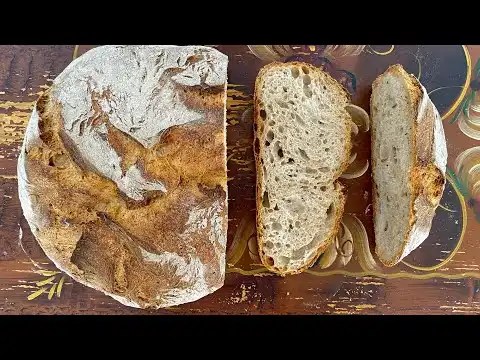
This list of the best Greek breads couldn’t be complete without elenia, a bread with olives that originates from the island of Kimolos. In contrast to eliopsomo, where the dough is seasoned with olives, in elenia every bite is punctuated with an explosion of salty taste as whole pitted olives are nestled into the loaf. The bread is usually prepared on special occasions like Easter so it is usually baked in wood-fired ovens that give it a nice smoky flavor, which goes hand in hand with the olives.
The stuffing usually consists of koroneiki olives, which are highly valued because of their quality. As the dough does not contain oil, it is particularly appropriate on fasting days in the Orthodox calendar when oil is not used. Served with domestic cheeses, cured meats or simply on its own, this bread is reminiscent of Kimolos culinary tradition; plain, healthy and always accompanied by community festivities.
Spitiko Psomi


Spitiko psomi translates to homemade bread only but in Greece this term holds a lot of meaning. Traditionally, it used to be baked exclusively in village houses, with ground local flour and has been one of the most popular sourdough starters that has been passed down from one generation to the next. Every household had a variant of it – sometimes it’s mixed with olive oil, sesame seeds, or local herbs, depending on the region.
The spitiko psomi is usually baked in large round-shaped loaves with coarse crust and tender interior, which are ideal to absorb stews, soups, or sauces. Spitiko psomi is often served with feta, olives, and seasonal vegetables.
Lazarakia


Lazarakias are baked, sweet, spiced breadrolls, traditionally prepared in small small shapes and baked to celebrate Lazarus Saturday (the eve of Palm Sunday). Each roll is meant to look like the wrapped up body of Saint Lazarus and the arms are crossed and in some cases cloves are used as eyes. Cinnamon, nutmeg, and even mastic are added to the dough to make them smell festive. In villages, women and children traditionally bake lazarakia together and give it away to their neighbors, singing carols during the holiday.
Although it was traditionally closely related to religious practices, nowadays lazarakia are also consumed as a regular snack. They are not only good to taste but also playful to look at.
Horiatiko Psomi


Horiatiko psomi, aslo fondly referred to as village bread, is one of the most typical Greek loaves. Traditionally baked, rustic and hearty, it’s made using a mixture of both wheat and barley (at times with semolina to add texture). It’s another traditional sourdough starter with a tangy flavor and hunky crumb. Loaves are round or oval with a thick, rough crust, ideal for dipping in olive oil, serving alongside hearty soups, or supporting robust cheeses such as graviera. It also pairs well with a sourdough discard cheese sauce, adding a rich and creamy contrast to its texture.
Tsoureki


The Tsoureki is the most popular sweet bread in Greece; it’s traditionally baked during Easter, but nowadays eaten throughout the year. Like brioche, or challah, it is enriched with butter, eggs and sugar, which give it a light, airy consistency. Unique to tsoureki are its aromatic ingredients: mahlepi (ground wild cherry pits) and mastic resin, which give their aroma a flowery touch.
During Easter, tsoureki is decorated with red-colored eggs, which are traditionally prepared in Orthodox Christian countries representing the resurrection of Christ. It’s an inseparable part of the traditional Greek Easter meals but it’s also baked at Christmas and New Year (but without the red eggs). It goes well with coffee or tea, and old stuff is sometimes made into French toast or bread pudding.
Vasilopita


Vasilopita is a special bread preparedd to celebrate the New Year and has traditionally been dedicated to Saint Basil (this is where the pie gets its name from). Vasilopita usually has a slightly sweet flavor and there are even modern variations that resemble more of a cake than a bread.
On New Year’s Eve, families traditionally sit down to slice the bread and whoever gets the coin in their piece is said to get good luck in the coming year. The first slice is traditionally given to Christ, then to the household and to other family members the rest. The bread is fancy, spicy, and full of flavor, but it is more than a meal, as it carries with it hope, blessings, and coming togetherness.
Kristina


Kristina are Greece’s most popular breadsticks. It can be found in most Greek bakeries and it’s perfect with morning coffee or cheese, but also with different, dips, salads, and even soups, so you could say it’s one of the most popular Greek breads. The breadsticks have a soft interior and a crisp exterior and are traditionally topped with sesame seeds, grape molasses, or bagel seasoning. Kristina are quick and easy to make, which is just another reason why it’s one of the most popular Greek snacks.
Christopsomo

This list of the best Greek breads couldn’t be complete without christopsomo, a traditional Greek Christmas bread. Light, airy, and warm, it’s impregnated with the strong odor of mahleb (spice made of cherry seeds), anise, and occasionally walnuts or raisins. The bread is traditionally served at the Christmas dinner table, but interestingly, it’s never cut by a knife but torn with a hand by the family’s oldest member.
Both loaves symbolize love and respect, and are prepared in houses in Greece around the time of the festivity season. Cognac or honey can give it a twist, whereas nuts can be stressed in others.
How did you like this list of the best Greek breads? Did you ever try any of them? Feel free to share your thoughts in the comments below.
Like it? Pin it.

