
The Mediterranean is a region where pastry is not just dessert, but a daily ritual woven into culture, history, and identity. From syrup-soaked sweets of the Levant to rustic savory pies of the Balkans and refined Italian classics, these Mediterranean pastries reflect centuries of trade, migration, and shared culinary traditions. Ingredients like filo dough, olive oil, nuts, cheese, and fragrant syrups appear again and again, yet each country gives them a distinct character.
Whether enjoyed as street food, festive treats, or comforting homemade dishes, Mediterranean pastries offer a rich and diverse experience that goes far beyond simple sweetness.
Sweet Mediterranean Pastries
Baklava (Turkey)

Baklava is a well-known pastry in the Mediterranean region, commonly linked to Turkey, but it’s widely spread throughout the region. It is made of ultra-thin layers of filo dough brushed with butter, filled with finely chopped pistachios or walnuts, and baked until crisp. After coming out of the oven, it is dipped in a sweet sugar syrup or honey, occasionally flavored with lemon or rosewater.
The outcome is a dense, flaky, and extremely sweet pastry. Baklava is a traditional dish at celebrations, family gatherings, and holidays, representing hospitality and indulgence throughout the Turkish culture and beyond.
A guided food walk in Istanbul often includes stops at historic dessert shops where baklava is freshly prepared, letting you experience its texture and syrup balance exactly as locals do.
Knafeh (Levant)

Knafeh is a popular Levantine dessert that is characterized by a striking contrast of textures and flavors. It is made of a base of shredded filo dough or semolina topped with soft, stretchy cheese, and then baked until golden and crisp. When cooked, it is dipped in aromatic sugar syrup and is usually topped with crushed pistachios.
The cheese is melted to form a creamy center with the outer being slightly crunchy, giving it a distinctive bite. Knafeh is particularly famous in festive events and is usually served warm. It is one of the most recognizable pastries in countries like Palestine, Lebanon, and Jordan due to its signature orange color and rich flavor profile.
In cities like Jerusalem or Beirut, street food tours frequently include a stop for hot knafeh, where you can taste it straight from the tray as locals traditionally enjoy it.
Galaktoboureko (Greece)

Galaktoboureko is a traditional Greek dessert, which is a combination of smooth custard and crunchy sheets of filo pastry. Semolina, milk, eggs, and sugar are used to make the filling, which is thick and creamy in texture and contrasts well with the flaky outer layers. After baking, the pastry is soaked in a light syrup flavored with citrus or vanilla, adding sweetness without overpowering the delicate custard.
It is usually sliced into square or diamond shapes and served a little warm. Galaktoboureko is a standard dish in Greek bakeries and households, usually prepared during special occasions, and is appreciated due to its balance of textures and sophisticated, comforting taste.
Athens food tours often include visits to traditional bakeries where galaktoboureko is served fresh, giving travelers a chance to compare it with other iconic Greek desserts.
Basbousa (Egypt)

Basbousa is a classic Egyptian semolina cake that is characterized by its moist texture and easy preparation. The batter is baked until golden, then moistened with sugar syrup, and sometimes flavored with rosewater or orange blossom. Almonds or coconut are usually added to provide additional flavor and texture.
Basbousa, unlike layered pastries, is soft and slightly crumbly, making it a perfect absorber of syrup. It is generally sliced into diamond or square shapes and served at room temperature. Basbousa is a comforting dessert that is popular in North Africa and the Middle East, and is eaten casually and during celebrations.
Cairo food tours frequently feature stops at local sweet shops where basbousa is served alongside other syrup desserts, highlighting Egypt’s love for semolina-based treats.
Tulumba (Turkey)
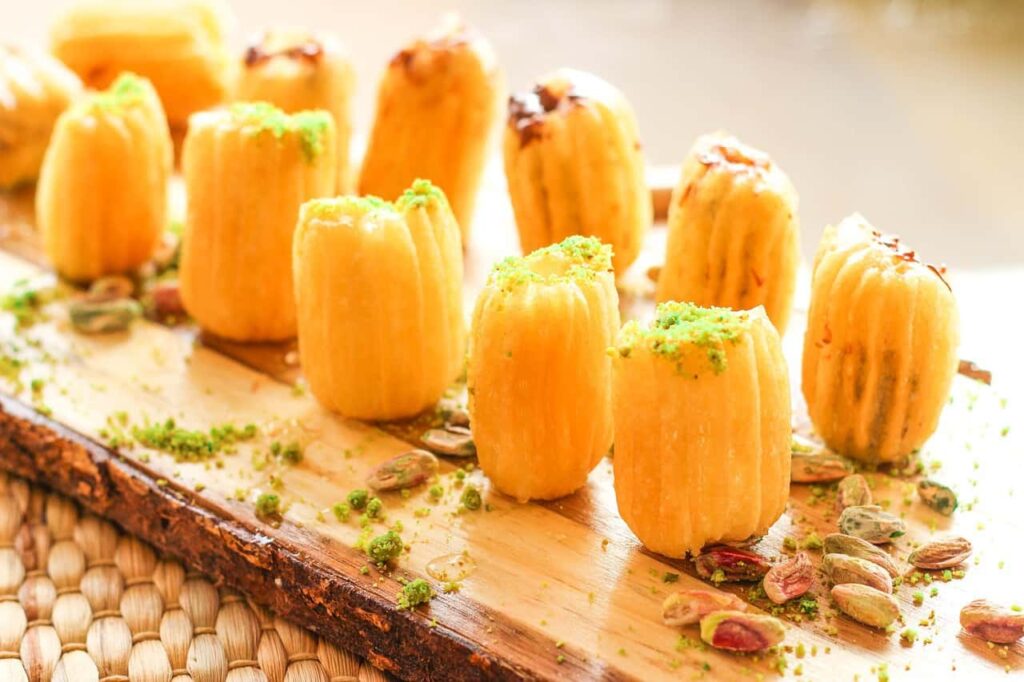
Tulumba is a Turkish dessert that is made of deep-fried choux-like dough that is piped into ridged shapes and cooked until crisp. After frying, the pastries are immediately dipped in cold sugar syrup and allowed to soak up the sweetness, with a slightly crunchy exterior. The juxtaposition of the hard shell and the sticky interior is what makes it attractive.
Tulumba is usually served as street food and consumed fresh, usually in small quantities. It has similarities with other syrup-soaked desserts in the Mediterranean, but its unique shape and texture make it easily recognizable within Turkish cuisine and the Balkan countries.
Street food tours in Istanbul regularly include tulumba tastings from local vendors, where it is served freshly fried for the best texture and flavor experience.
Filled, Rolled & Festive Treats
Maamoul (Lebanon)

Maamoul are semolina-based cookies traditionally filled with dates, walnuts, or pistachios, and are particularly popular in Lebanon. The dough is lightly sweetened and flavored with either orange blossom or rosewater, which gives the dough a faint aromatic quality. The cookies are formed by carved wooden molds that stamp elaborate patterns onto the cookies, making them visually unique.
After baking, they are usually sprinkled with powdered sugar. Maamoul are also linked with religious holidays like Easter and Eid, where they are made in bulk and distributed among family and friends. Their crumbly texture and rich fillings have made them a favorite festive pastry.
Sfogliatella (Italy)

Sfogliatella is a traditional Italian pastry that originated in Naples and has a shell-like shape and a crisp and layered texture. The dough is rolled and stretched into thin sheets, then shaped into a cone and filled with a mixture of ricotta cheese, semolina, sugar, and citrus zest. Baked, the layers part a little, forming a flaky, crunchy outer layer that contrasts with the soft, fragrant interior.
Sfogliatella is usually served fresh, usually with coffee, and is a common pastry in Italian pastry shops. Its artistry and distinctive design make it one of the most iconic and visually impressive pastries in Italian cuisine.
Naples street food tours commonly feature sfogliatella at historic pastry shops, where it is enjoyed warm alongside espresso as part of the city’s daily ritual.
Cannoli (Italy)

Cannoli are one of the most popular Mediterranean pastries in Italy, which originated in Sicily. They are crisp, tube-shaped shells of fried pastry dough, filled with a sweet, creamy ricotta filling. The filling is commonly filled with sugar, vanilla, and occasionally chocolate chips or candied fruit. The shells are usually stuffed immediately before serving to maintain their crunch.
Powdered sugar, chopped pistachios, or orange peel are often used as garnishes on cannoli. Previously linked to festive celebrations, they are now enjoyed all year round and have become a symbol of Italian pastry-making around the world, celebrated due to their balance of texture and rich, indulgent flavor.
Food tours in Palermo or Catania often include cannoli tastings at traditional bakeries, where the freshness of the ricotta filling is considered essential to the experience.
Pastel de Nata (Portugal)

Pastel de nata is a Portuguese custard tart that has become famous worldwide due to its simple but irresistible composition. It is made of a crisp, flaky pastry shell filled with a creamy egg custard, which caramelizes slightly on top during baking. The surface tends to form dark, blistered spots, which adds a slight bitterness to balance the sweetness.
These tarts are a traditional dish in Portuguese bakeries and cafes, which are traditionally served warm and dusted with cinnamon or powdered sugar. Although Portugal is on the periphery of the Mediterranean culinary realm, pastel de nata is frequently discussed in the context of the broader Mediterranean pastry.
Lisbon food tours frequently include stops at famous pastry shops where pastel de nata is served warm with cinnamon, showcasing one of Portugal’s most celebrated treats.
Ensaimada (Spain)

Ensaimada is a Mallorcan pastry characterized by its soft, airy texture and spiral shape. It is prepared in a yeast-based dough, enriched with lard, rolled into a coil, and baked until slightly golden. The completed pastry is usually generously sprinkled with powdered sugar, but it may be filled with pumpkin jam, cream, or chocolate.
Ensaimada is usually eaten as a breakfast or a light dessert, usually accompanied by coffee. Its light sweetness and airy interior distinguish it among heavier Mediterranean pastries, making it a unique and popular pastry in the Spanish and Mediterranean baking traditions.
Mallorca food experiences often include bakery visits where ensaimadas are freshly baked, allowing visitors to taste the pastry in its most authentic setting.
Regional Gems & Rustic Desserts
Loukoumades (Greece)

Loukoumades are Greek bite-sized doughnuts that have been in existence since ancient times, and are often cited as one of the earliest recorded desserts. They are made of a simple yeast-based dough, which is deep-fried until golden and crisp on the outside and light and airy on the inside.
When cooked, they are generously drizzled with honey or sugar syrup and sprinkled with cinnamon, sesame seeds, or crushed walnuts. Served warm, loukoumades are a popular street food and festive treat. Their simplicity, coupled with the rich sweetness and satisfying texture, makes them a classic favorite in Greek cuisine and throughout the Mediterranean.
Pestiños (Spain)

Pestiños are Spanish pastries that are closely related to Andalusia and are commonly made during Christmas and Easter. They are made of a dough flavored with olive oil, anise, and citrus zest, and are shaped into small folded pieces and deep-fried until crisp. After frying, they are either dipped in honey or sprinkled with sugar, according to local taste.
The olive oil used gives pestinos a unique Mediterranean taste, and the aromatic spices add flavor. These desserts are a reminder of the Moorish culinary influences in Spain and continue to be an important part of the festive celebrations and family traditions across the country.
Qatayef (Levant)

Qatayef are a popular dessert in the Levant, particularly in the month of Ramadan. They are small, pancake-like rounds that are cooked on one side only, leaving the other side soft and porous. They are then filled with sweet cheese, nuts, or clotted cream, folded into half-moon shapes, and either fried or served fresh.
Fried versions are usually dipped in sugar syrup, whereas fresh ones are slightly sweetened and topped with pistachios. Qatayef are valued for their versatility and the harmony of their textures, combining soft dough with rich fillings, making them one of the most culturally significant pastries in the region.
Seadas (Italy)
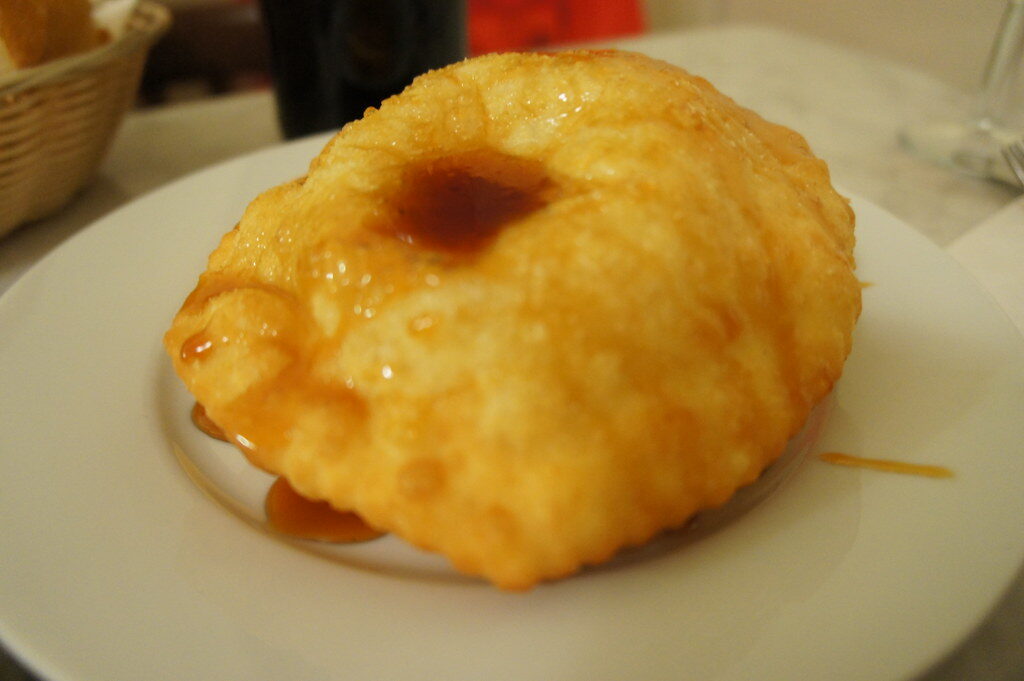
Seadas (also called sebadas) is a traditional pastry of Sardinia that is a perfect combination of sweet and savory. They are made of a thin dough stuffed with fresh cheese, usually pecorino, which melts during frying to form a creamy interior. After being fried to a golden crisp, the pastry is drizzled with honey, which is often locally sourced, adding a touch of sweetness that contrasts with the slightly tangy cheese.
Seadas are typically served hot and are a dessert even though they have a savoury filling. This distinctive blend of flavors underscores the pastoral nature of Sardinia and makes seadas one of the most outstanding Italian regional specialties.
Melomakarona (Greece)

Melomakarona are Greek cookies that are closely related to the Christmas season. They are prepared as a dough, which is enriched with olive oil, orange juice, and spices like cinnamon and cloves. Once baked, they are dipped in a syrup made of honey, which makes them tender and moist. The cookies are then topped with crushed walnuts, adding a nutty crunch.
Although melomakarona are very rich, they are not too sweet because the citrus and spice components give them a balance. They are popularly cooked in Greek homes during the holidays and are a representation of warmth, tradition, and generosity during the holidays.
Savory Mediterranean Pastries
Spanakopita (Greece)

Spanakopita is a traditional Greek savory pastry consisting of layers of crisp filo dough filled with a mixture of spinach, feta cheese, onions, and fresh herbs like dill. The stuffing is earthy and tangy, and is counterbalanced by the richness of the cheese and the lightness of the greens.
Once baked, the filo becomes golden and flaky, creating a satisfying contrast with the soft interior. Spanakopita may be made in the form of a large pie or in the form of small triangles that can be served easily. It is usually served as a snack, appetizer, or light meal and is a common dish in Greek households and bakeries.
Börek (Turkey)

Börek is a staple of Turkish cuisine and one of the most versatile pastries in the Mediterranean (alongside Simit). It is prepared using thin sheets of dough like yufka or filo, and is filled with a mixture of various ingredients such as cheese, minced meat, spinach, or potatoes.
Depending on the regional style, borek can be baked, fried, or even boiled. It comes in various forms, such as big trays, spirals, and rolls, so it can be used in both daily meals and special events. The savory and rich taste and the flaky texture of börek have made it popular far beyond Turkey, particularly throughout the Balkans and neighboring areas.
Istanbul food tours frequently feature börek from neighborhood bakeries, showcasing its many variations from cheese-filled to meat-packed classics.
Tiropita (Greece)

Tiropita is a popular Greek cheese pie that emphasizes the simplicity and the richness of Mediterranean ingredients. Prepared in layers of filo dough filled mostly with feta cheese and eggs, it provides a creamy, slightly tangy filling in a crisp, golden crust.
Other variations can also be added with other cheeses to add more depth of flavor. Tiropita is often baked in large trays and cut into portions or shaped into individual pastries. It is usually consumed as a breakfast meal, snack, or light lunch. Its simple preparation and good taste have made it a regular in the Greek bakery and in the Greek home.
Fatayer (Lebanon)

Fatayer are small, savory Lebanese and Levantine pastries, usually in the shape of a triangle or an open-faced round. The dough is soft and slightly chewy, which makes it a perfect base for a variety of fillings like spinach, cheese, or minced meat.
The spinach version, which is commonly flavored with onions, sumac, and lemon juice, is especially popular and has a tangy, refreshing flavor. Fatayer are baked and not fried, which makes them a healthier choice than many Mediterranean pastries. They are popularly served as snacks, appetizers, or as part of a mezze spread, due to the communal and shareable nature of Levantine cuisine.
Gibanica (Serbia)

Gibanica is a traditional Serbian pastry consisting of layers of filo dough and a rich filling of cheese, eggs, and, in some cases, yogurt or cream. The batter is poured in between the layers, forming a soft, custard-like interior after baking. The top is golden and a bit crisp, which provides a contrast in texture.
Gibanica is usually served warm and may be taken at any time of the day, from breakfast to dinner. It is particularly common when families are together and when they are celebrating. Its warm taste and the use of simple ingredients are reminiscent of the rustic traditions of the Balkans, where homemade and hearty dishes play a central role in everyday life.
Balkan food tours, especially in Belgrade, often feature gibanica as a hearty stop, giving visitors a taste of its rich, layered comfort.
Meat-Filled & Street Food Pastries
Empanadas (Spain)

Empanadas are a Spanish pastry made of dough filled with various savory ingredients, most often meat, fish, or vegetables. The filling is typically seasoned with spices, onions, and peppers, creating a rich and flavorful interior.
The dough may be baked or fried, which gives the dough a crisp or slightly tender surface. Empanadas can be made into half-moons or can be made in large pies, which are then cut. They are consumed as street food, snacks, or even as a main meal alongside a juice. Their versatility and portability have helped them to gain immense popularity in Spain and other parts of the world.
Lahmacun (Turkey)

Lahmacun is commonly referred to as a Turkish flatbread with a thin layer of minced meat, herbs, and spices, but it also falls under the larger category of savory pastries. The dough is rolled very thin and baked in a short time at high temperatures, which leaves the dough with a crisp base.
Topping is usually a mixture of ground lamb or beef with tomatoes, onions, parsley, and spices. Lahmacun is typically accompanied by fresh vegetables and a squeeze of lemon, and then rolled up to be eaten easily. Its light but tasty profile has made it a favorite street food and casual meal in Turkey and the surrounding areas.
Sfiha (Lebanon)

Sfiha are small, open-faced meat pies, which have their origin in Lebanon and are popular throughout the Levant. The dough is tender and slightly thick, which gives it a strong base to support the topping of minced meat, which is usually mixed with onions, tomatoes, and spices.
Others are pine nuts or a drizzle of yogurt to add richness. Sfiha are baked until the edges are slightly crisp, and the topping is fully cooked, making it a tasty and satisfying bite. They are usually served as appetizers or snacks and are a staple in bakeries, reflecting the emphasis on bold, well-seasoned flavors in the region.
Brik (Tunisia)

Brik is a unique pastry in Tunisia (but also popular in Algeria and Morocco), prepared with a very thin pastry, resembling filo, called malsouka. The most classic one is stuffed with an egg, tuna, capers, and herbs, and folded into a triangle and deep-fried until crisp. The egg within is still slightly runny, which makes a rich and flavorful contrast with the crunchy exterior.
Brik is typically eaten by hand and is especially popular during Ramadan. Its unique preparation and combination of ingredients make it stand out among Mediterranean pastries, showcasing North Africa’s culinary creativity and its blend of simple yet bold flavors.
Tunis food tours often feature brik freshly fried, allowing you to experience its signature crispy shell and runny egg center firsthand.
Coca (Spain)
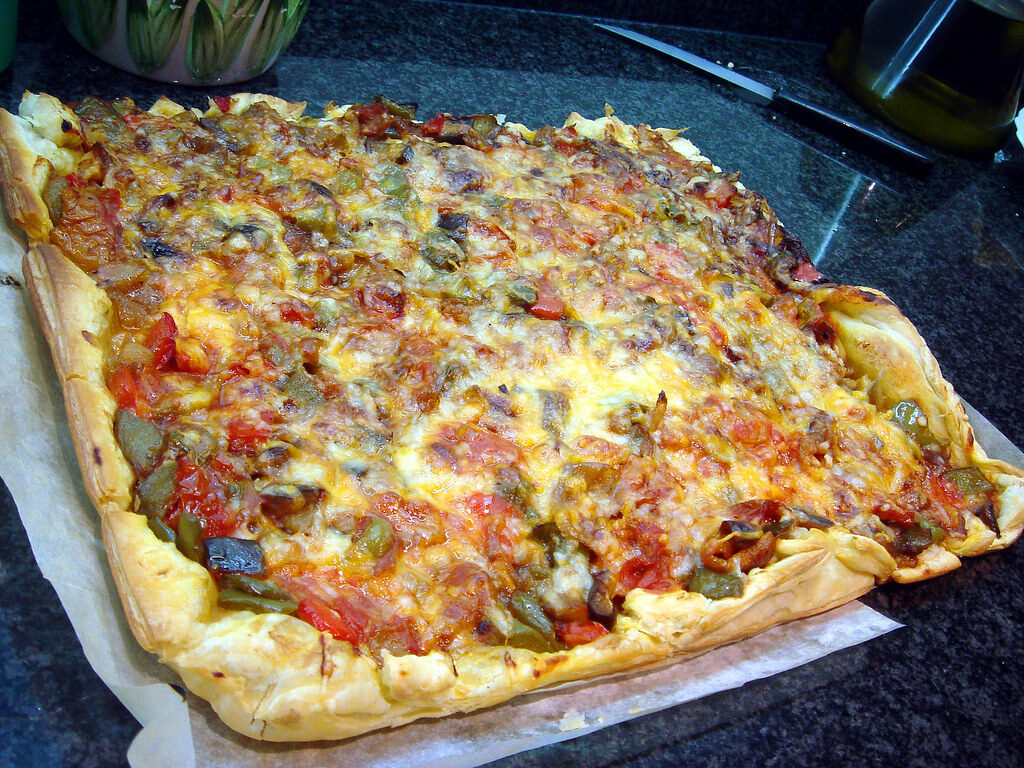
Coca is a Spanish pastry that can be either savory or sweet, although the savory versions are more often related to Mediterranean cuisine. Coca, which originated in areas such as Catalonia and Valencia, has a bread-like base that is flat and topped with ingredients like vegetables, anchovies, or cured meats.
The dough is a little thicker than filo-based pastries, which provides it with a more substantial texture. After baking, it is a little crisp on the outside and soft on the inside. Coca is often served in slices and enjoyed as a snack, appetizer, or part of a shared meal, highlighting Spain’s emphasis on simple, flavorful combinations.
In Barcelona food tours, coca is often sampled as a savory alternative to pizza, topped with local vegetables or anchovies.
Rustic & Traditional Oven Pastries
Zelnik (North Macedonia)

Zelnik is a classic pastry of Macedonia, with its roots in home cooking and local identity. It is made with thin, hand-stretched dough layered with fillings such as spinach, leeks, cabbage, or cheese. Zelnik can also be somewhat rough and uneven in appearance, which is a characteristic of homemade products.
The layers are rolled or folded into a spiral or stacked in a baking tray and then baked until golden and crisp. The outcome is a crunchy outer layer and a tender, delicious inner layer. Zelnik is usually served as a main meal or a hearty snack, particularly in colder seasons.
Banitsa (Bulgaria)

Banitsa is one of the most iconic pastries of Bulgaria, known for its rich, comforting flavor. It consists of layers of filo dough filled with a mixture of eggs, yogurt, and white cheese, typically sirene. The filling is spread between the layers, creating a soft, custard-like texture once baked. The top becomes golden and slightly crisp, adding contrast to the creamy interior.
Banitsa is often served warm and is especially popular for breakfast or festive occasions. It is also traditionally associated with New Year celebrations, where lucky charms are sometimes baked inside for good fortune.
Tourta (Mediterranean Region)

Tourta is a general term used across various parts of the Mediterranean to describe rustic, savory pies made with regional ingredients. These pastries often feature a thicker dough compared to filo-based varieties and are filled with combinations of meat, vegetables, cheese, or herbs. Each region has its own interpretation, influenced by local traditions and available ingredients.
Tourta is typically baked in large round pans and sliced into portions, making it ideal for sharing. Its hearty nature makes it suitable as a main dish rather than just a snack. This category reflects the diversity and adaptability of Mediterranean pastry traditions.
Focaccia Ripiena (Italy)

Focaccia ripiena is a stuffed variation of the classic Italian bread from Italy. While traditional focaccia is topped with herbs and olive oil, this version is split and filled with ingredients such as cheese, cured meats, or vegetables. The dough is thicker and softer than filo, resulting in a more bread-like pastry that is both filling and versatile.
Once baked, the exterior is lightly crisp while the inside remains soft and flavorful. Focaccia ripiena is often enjoyed as a casual meal, picnic food, or street snack, reflecting Italy’s emphasis on simple, high-quality ingredients.
Calzone (Italy)
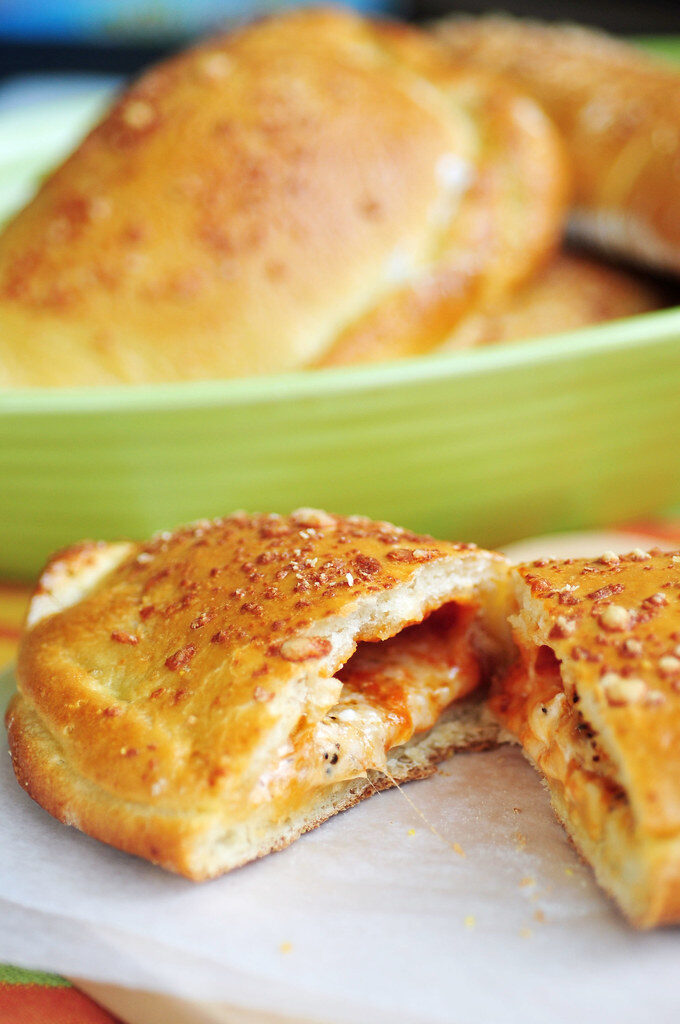
Calzone is a well-known Italian folded pastry that originates from Italy, particularly the region of Naples. Made from pizza dough, it is filled with ingredients such as mozzarella, ricotta, tomato sauce, and various meats or vegetables. The dough is folded over to create a sealed pocket, then baked until golden.
The result is a crisp exterior with a warm, gooey interior. Calzones are often served as individual portions, making them convenient for on-the-go eating. While closely related to pizza, calzone stands out for its enclosed structure and rich, satisfying filling.
How did you like our guide to Mediterranean pastries? Did you try any of them? Do you know any other Mediterranean pastries that deserve a mention in this list? Feel free to share your thoughts and experiences in the comments below.
Like it? Pin it.