
Croatian appetizers are a crucial part of local cuisine; Croatian people enjoy long meals and consume appetizers with wine or rakija for hours before the main course. That’s why it should come as no surprise that there’s a large variety of Croatian appetizers, ranging from light Croatian snacks to platters that might be considered a main course in other countries. Here are some of the most popular Croatian snacks.
Croatia Food Tours
The best way to try as many as possible Croatian appetizers (and food in general) is by, obviously being in Croatia. Croatia has a rich culinary scene and a variety of noteworthy food tour. Before we get to the “meat and potatoes” of this article, we’ll cover a handful of our favorite food tours in Croatia.
Krka Waterfalls, Food & Wine Tasting Tour
Pula: Dolphin Watching Cruise with Dinner and Drinks
Pula: Old Town Food Tasting Tour
3-Hour Food and Wine Tour of Dubrovnik
Traditional Dalmatian Cooking Class from Dubrovnik
Dubrovnik: Private Cooking Experience with Wine Tasting
Gastro Treasures Tour of Split
Split’s finest Private Food and Wine Tour
Hvar: Wine and Olive Oil Tasting Tour
Local Food & Wine at a Family Farm in Umag
Krk: Family-Owned Winery Tour and Tasting
Salads
Salads are one of the most common Croatian starters. There are many different kinds of salad you’ll find in Croatia but in this section, we’ll cover some of the most popular ones. Salads are often accompanied by a glass (or a few) of rakija or tasty local white wine (depending on the salad).
Salata Od Hobotnice (Croatian Octopus Salad)


Salata od hobotnice is a delicious salad that originates from the beautiful coastal region of Croatia. Today, the salad is popular across the country, especially during the summer and on Christmas eve. The main ingredients of the salad are chopped pieces of cooked octopus, potatoes, tomatoes, onions, garlic, parsley, bay leaves, salt, olive oil, and vinegar. It’s important to use wine corks while cooking the octopus to soak up the bitter flavor while cooking. After preparing the salad, you can enrich it with, olives, capers, or a few drops of lemon juice. The salad is usually served with a slice of bread and a glass of white wine.
Kupus Salata


Kupus salata is one of the simplest, yet tastiest Croatian salads. It consists of cabbage shredded into long and thin slices and seasoned with olive oil, vinegar, salt, and black pepper. The cabbage should be massaged thoroughly by hand for all of the ingredients to soak in nicely. Kupus salata is often topped with fresh parsley and a few olives. It’s usually eaten as an appetizer alongside a glass of Croatian rakija (one of the most amazing drinks in this part of the world).
Enjoying this post? Then you may also like our ultimate list of the best Moroccan appetizers.
Shopska Salata


One of the most popular Balkan and Croatian appetizers, Shopska salata is a regional classic. Similar to kupus salata, Shopska also uses fresh ingredients; cucumbers, tomatoes, and red onions (and sometimes green peppers). The salad is seasoned with olive oil, vinegar, salt, and black pepper, topped with shredded white cheese, and served alongside a glass of rakija.
Croatian Potato Salad


Potato salad is another popular Croatian appetizer. The two main ingredients for this salad are boiled waxy potatoes and long slices of white onion. The boiled potatoes are chopped into small pieces and combined with the onions. Olive oil, white vinegar, salt, and black pepper are used to season the salad before serving it alongside a glass of red or white wine (depending on your preference).
Soups
Speaking of Croatian appetizers, we shouldn’t forget about soups. Most Croatian soups are hearty and heavy and in some instances can even be a main course or a part of one. There are many different Croatian soups. The heavier ones (mainly the ones using meat) are often considered main course meals but here, we’ll include a few of the most popular local soups that can be used as appetizers.
Istarska Juha


Originating from the coastal region of Istra, Istarska Juha (Istrian soup) is one of the most popular recipes that come from this part of Croatia. It’s traditionally prepared in a large clay jug named bukaleta. The main ingredients include olive oil, warmed red wine (prepared with sugar and papar), and a combination of local herbs and spices. This soup is traditionally served alongside a few slices of freshly baked bread in the same pot that it was cooked in. It’s the perfect soup to warm you up during cold winter days while working up your appetite at the same time.
Posna Juha


Posna juha is a light vegetable soup from the Sisak-Moslavina region in Central Croatian. The soup is made of potatoes, leeks, carrots, olive oil, salt, vegeta, and water. Traditionally, this soup was prepared during Christmas or Easter fasts. The preparation method is very easy; the vegetables are washed, cut, and boiled. It’s healthy, nutritious, and a great appetizer.
Juha Od Oslića


Juha od oslića is a delicious fish stew (somewhat similar to brudet) originating from Dalmatia. The main ingredient for this stew is hake and some of the other accompanying ingredients include garlic, tomatoes, carrots, celery, parsley, bay leaves, olive oil, salt, pepper, and lemon juice. The vegetables should be cut into equally-sized pieces and boil it for 20 minutes before adding the pieces of fish inside.
Pretepena Juha


Pretepena juha is the appetizer that makes the meat lover’s dreams come true. It’s typically made with a variety of dried pork products (liver, dried ham, prosciutto, etc.), chopped sausages, sour cream, bouillon, onions, garlic, flour, eggs, and local herbs and spices. The final result is a thick, creamy soup with small pieces of meat. It’s one of the best winter/comfort Croatian dishes.
Bread & Pastries
Similar to most other Balkan countries, Croatians love their breads and pastries. Most main course dishes are served alongside freshly-baked bread, and many Croatian pastries are often included in appetizer platers and are also some of the most popular breakfast choices. Here are the most popular Croatian appetizers from this category.
Zapečeni Štrukli


Zapečeni štrukli is a simple yet delicious pastry made of flour, oil, water, and salt, filled with white cheese, butter, eggs, salt, and a pinch of sugar. The pastries are poured with heavy cream before baking and they are to be baked until golden brown and until the cheese melts and starts pouring out from the sides.
Kuhani Štrukli


Kuhani štrukli (steamed štrukli) are a Zagorje variation of the much more famous zapečeni štrukli (baked štrukli). The dough is prepared in the same way but instead of being baked, these štrukli are prepared by steaming or boiling. Upon serving, the pastry is usually topped with a combination of breadcrumbs and butter.
Viška Pogača


Viška pogača is a pogača variety that comes from the Croatian island Vis. The main difference between the Viška pogača and regular pogača is that the regular pogača usually doesn’t have any fillings while Viška pogača is filled with a mixture of onions, anchovies, olive oil, and other vegetables. Also, Viška pogača sometimes has a rectangular shape while the regular pogača is usually circular. The drink that’s most usually paired up with this pie is a glass of red wine.
Uštipci


Uštipci is one of the most popular side dishes to many Croatian appetizers, not only in Croatia but also in Serbia, Bosnia and Herzegovina, and Slovenia. This pastry is basically a fried dough that goes well with cheese, sour cream, dried meats, and sausages, it’s a great choice for working people looking for a quick and easy Croatian breakfast, and can even be a dessert when topped with some powdered sugar, jam, and/or chocolate sauce.
Prisnats

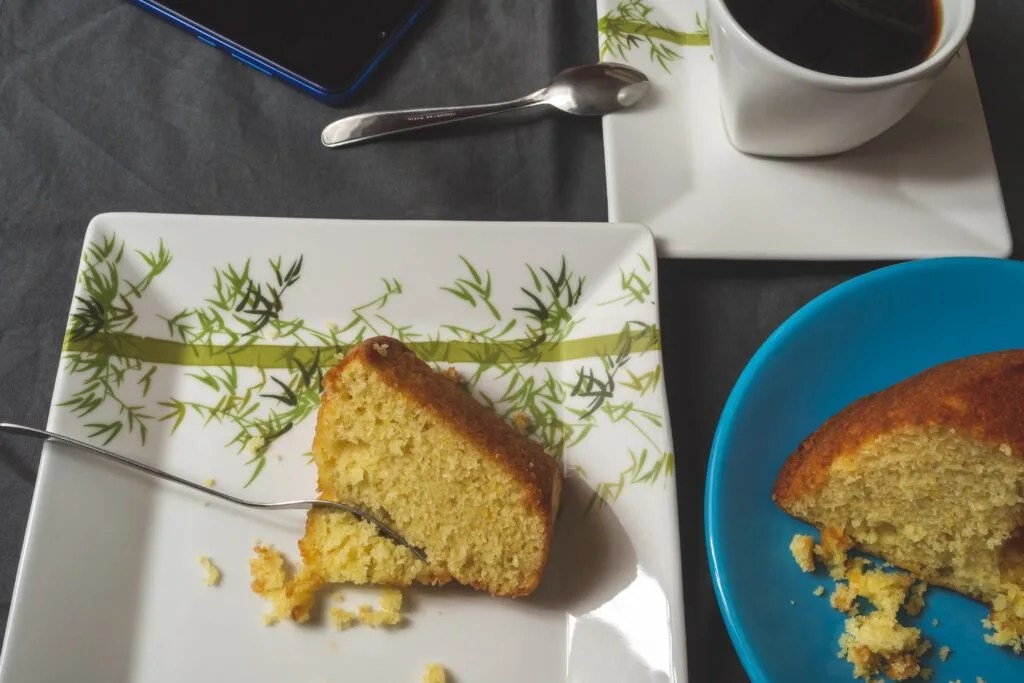
Prisnats is a savory soft bread stuffed with bacon, white cheese, and onions. In my opinion, this is one of the more underrated Croatian appetizers. It’s usually served alongside some other appetizers or main course dishes but it can also be consumed as a light snack on its own.
Kifle


Kifle is another pastry that’s popular across the Balkans, from Slovenia to Bulgaria, Macedonia, and Greece. It’s a small, crescent-shaped pastry with a soft texture, similar to a croissant but (usually) without any fillings. It can be used as a bread substitute alongside the main course or as a part of a meze platter before the main course is served.
Soparnik


Soparnik is a flat vegetarian pie from Dalmatia filled with garlic, parsley, and chard. Traditionally, it’s cooked on a hot stone and served in slices resembling pizza cuts. Because of the hard preparation method, authentic soparnik can’t be found in many places but if you ever come across it, you should certainly try it alongside a glass of red wine.
Proja


Proja is an easy-to-make but tasty cornbread popular across the Balkans and Croatia is no exception. The bread is made of cornflour, salt, and water and is usually paired up with other Croatian appetizers. In Croatia, the proja bread is often filled with bacon, spinach, or cheese. Traditionally, it used to be a poor man’s bread during and after World War II but today, it’s become an important part of most local cuisines.
Bučnica


Last but not least, bučnica is a delicious savory strudel-like pastry made with phyllo dough filled with cottage cheese, sour cream, butter, and eggs. There’s also a sweet version with pumpkin filling. It can be eaten warm and cold and is especially popular in the area surrounding the capital of Croatia, Zagreb.
Cold Cuts & Cheese
Cold cuts and cheese are the two most common things you normally see on a Croatian meze platter. Depending on the region you visit, you’ll come across different regional variations of cold cuts and cheese varieties but in this section, we’ll try to include the most popular Croatian cold cuts and cheese appetizers.
Sir I Vrhnje


Sir i vrhnje is a simple Croatian appetizer made by mixing fresh cottage cheese and sour cream. Some people like to add smoked paprika powder and minced garlic to enrich the flavor. The simple dish offers the perfect mix of salty and savory, it goes well with most wines you can get your hands on and it’s great for working up your appetite (you can have a lot of it without feeling full).
Međimursko Meso Iz Tiblice


This Međimurje cold cut specialty emerged a long time ago as a way to preserve meat (similar to the way Eastern Europeans prepare salo). The cuts are prepared by first salting it and then baking it and dunking it in lard seasoned with peppercorns and bay leaves. For the final step, the meat is preserved in a wooden barrel called Tiblica (which the dish is named after). When the time for serving comes, the meat is sided with peppery lard spread and freshly baked village-style white bread.
Kulen


A specialty of the Slavonia region in the northeastern part of the country, kulen is another typical Balkan classic. Popular across the peninsula, kulen is a spicy sausage seasoned with hot paprika powder which gives it a dark, red color. Kulen sausage uses only the finest pork meat which is seasoned with red paprika, garlic, and salt, minced, and dried before serving. Although pork, the meat is still low-fat, brittle, and dense and it has been declared a Protected Geographical Indication by the Food and Agriculture Organization of the UN.
Pršut


Pršut is the Balkan version of Italian prosciutto; a dry-cured hum made from the hind leg of a pig. The meat is smoked, seasoned with sea salt, and dried out in the open. Then, the cuts are left to mature for at least 11 months. Unlike the Italian version, Croatian pršut is wood-smoked and has a unique smoky aroma and flavor, and is a bit softer. It’s a perfect appetizer alongside a glass of red wine and it’s also combined with the next dish on this list…
Pršut & Cheese


Pršut and cheese are the most common and finest Croatian hor d’oeuvre. The combination of country-style dried ham and soft, fresh cottage cheese alongside a glass of red wine is what dreams of gourmands are made of. In my opinion, the best cheese to combine with pršut is…
Paški Sir (Pag Cheese)


Paški Sir is a famous Croatian cheese variety that originates from the island of Pag. The island is one of the largest Croatian islands and among other things, it’s famous for the large sheep population that convincingly outnumbers human residents on the island. Another thing the island is famous for is for making one of the most sought-after sheep milk cheeses in the world.
The sheep on the island are smaller than average and produce a smaller milk yield but the milk they produce is different because of their diet which consists of aromatic herbs crusted with sea salt swept from the Adriatic Sea. That’s what makes the milk (and therefore, cheese) they produce so special, sought-after, and expensive. The cheese needs to age for at least 5-12 months before being sold/served.
Vegetable-Based Appetizers
Meat is a crucial part of Croatian cuisine but if you’re a vegetarian, don’t worry, many Croatian appetizers are vegetarian-friendly.
Rižot


An absolute Mediterranean classic, risotto (Rižot in Croatian) is one of the most popular appetizers in the region and in many instances, it can be a main course dish too. The most popular Croatian variation of risotto is one mixed with different varieties of seafood but black risotto and veal risotto are also quite popular.
Stuffed Vegetables
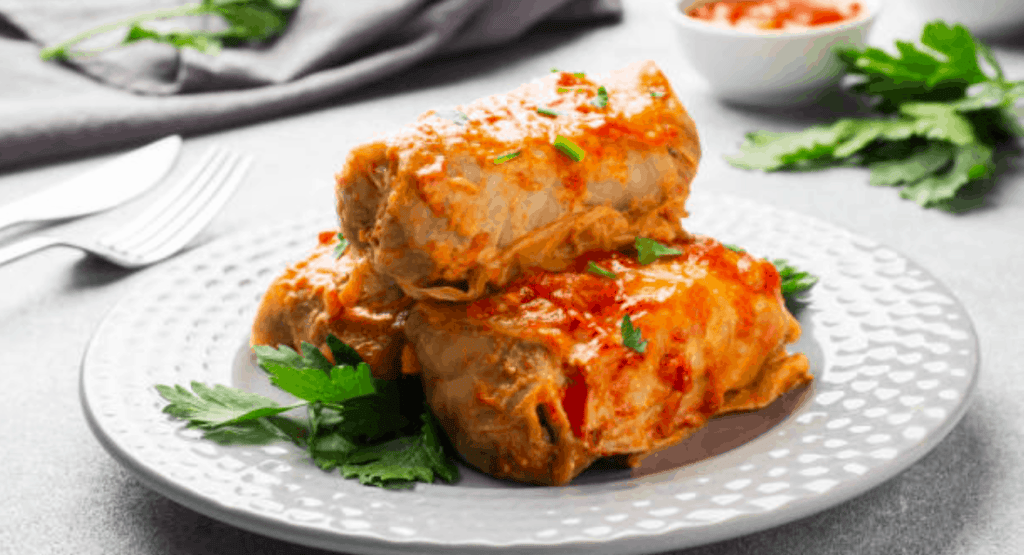

The list of Croatian appetizers can’t be complete without stuffed vegetables. There are a lot of different appetizers we can put on this list, so we decided to just put them under one category. The most popular stuffed vegetable dishes in Croatian cuisine feature sarma (sauerkraut leaves stuffed with minced meat and rice), japrak (grapevine leaves stuffed with minced meat and rice), punjene paprike (bell peppers stuffed with minced meat and rice), etc.
Ajvar
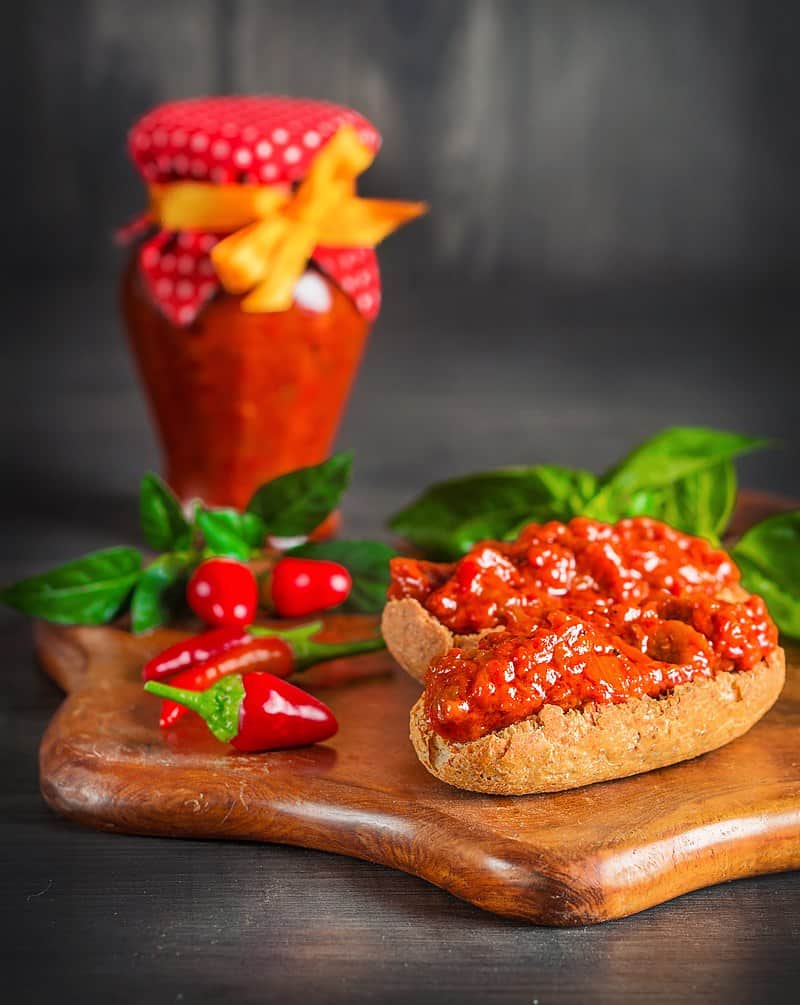
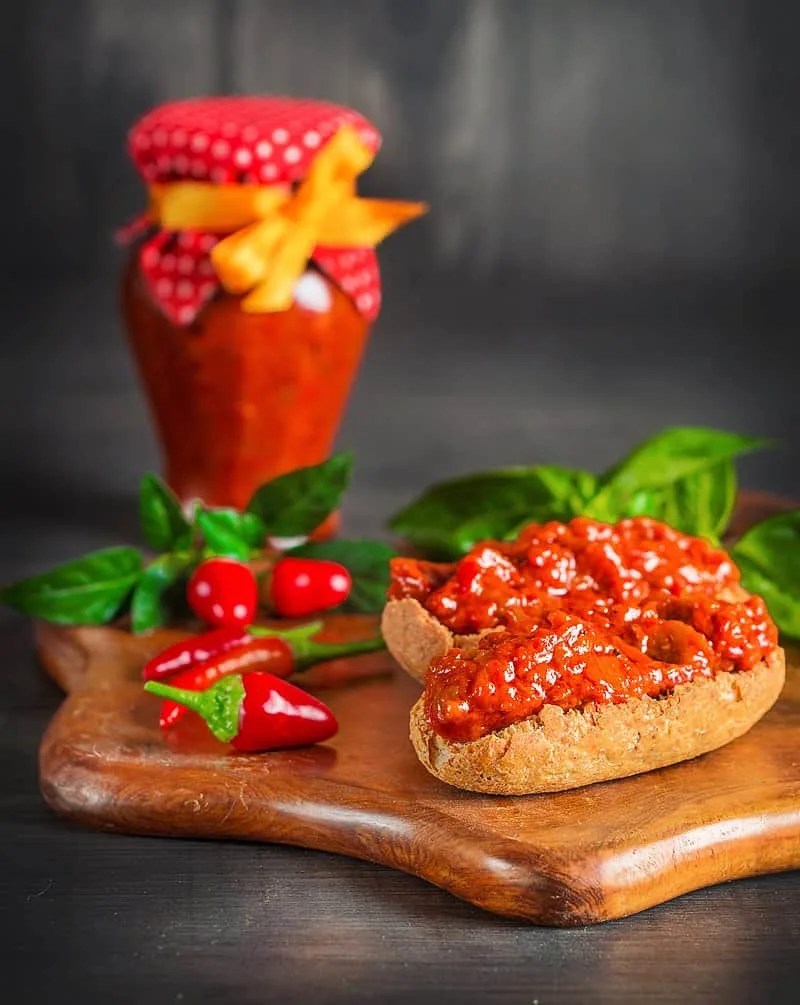
Ajvar is a blend of roasted fresh bell peppers (and sometimes, eggplants). Traditionally, it’s prepared as a winter food because, in most of the Balkan, vegetables have been historically scarce in the winter periods, and preparing large quantities of jarred food in advance was the best and only way for people to get the necessary vegetable nutrients during the long and cold winters. That’s not the case anymore but ajvar still managed to remain a significant part of not only local cuisines but also the cultural heritage of most countries in the region.
Sataraš

Sataraš is a light, vegetable stew, popular in the central part of the Balkan peninsula. The stew is made of bell peppers, garlic, onions, tomatoes, and other vegetables. Since it’s made only of vegetables, the stew is very light and often served as an appetizer but in some instances, it can also be served as a main course dish, alongside some grilled meat/ eggs, polenta, bread, or rice.
Kačamak


Kačamak or polenta is one of the most common Croatian appetizers. It’s a traditional Croatian dish made of cornflour, salt, and water, similar to Italian polenta. It’s often served with shredded cheese, mushrooms, truffles, or sausages. It can also be served on its own, alongside a glass of yogurt for breakfast, or served as a main course alongside some other dishes like Sataraš, omelet, pasta, etc.
Punjeni Šampinjoni U Umaku Od Dagnji

I know the name of this dish sounds like a mouthful but don’t worry, it’s nothing complicated. It’s just grilled button mushrooms stuffed with cheese, cooked in tasty mussels sauce. The middle part of the mushrooms is removed and topped with cheese, the mussels are cooked in a paste of olive oil, garlic, parsley, white wine, flour, and tomato sauce. The dish has a savory-salty flavor, and combined with a glass of white wine makes up for the perfect appetizer.
Pelješki Pjat

Pelješki Pjat is a delicious vegetable stir-fry made of potatoes, tomatoes, legumes, green beans, and onions. The potatoes and green beans are pre-boiled before being mixed in the sauce made of olive oil, tomatoes, onions, garlic, and parsley. The final result is a delicious Mediterranean-style stir-fry with a salty-sour flavor that goes perfectly with a glass of red wine.
Seafood
Speaking of Croatian appetizers, we shouldn’t forget about seafood dishes. Croatia might not be a very big country but its coastline is 4,398 kilometers long. Along that coast, people have come up with some creative ways of preparing and combining seafood. Here are some of the most common and popular seafood appetizers in Croatia.
Dagnje Na Buzaru

Dagnje na buzaru is one of the most popular Croatian appetizers. The preparation method is quite straightforward; all you have to do is steam the mussels in a sauce made of wine, fresh herbs, olive oil, pepper, garlic, and breadcrumbs. Just like most other buzara dishes, dagnje na buzaru is served alongside freshly baked bread for dipping.
Marinated Anchovies In Olive Oil

The name of this dish is rather self-explanatory; it consists of anchovies marinated in a marinade made of white wine, lemon, and balsamic vinegar. The marinated fish are topped with high-quality local olive oil and are served alongside sliced raw onions, freshly-baked bread, and a glass of white wine.
Polpete Od Hobotnice

I know the name of this dish sounds like a tongue-twister but the dish is basically the Croatian version of octopus meatballs. The octopus meat is sliced into very small pieces and cooked well before mixing them with finely-diced onions, garlic, parsley, and olive oil. The patties prepared in this way are kept in the fridge for 40-50 minutes before being rolled in breadcrumbs and fried in some olive oil. The meatballs are very easy to make and extremely delicious.
Assorted Seafood


Croatia might seem like a small country on the map but its coastline is 1,800 kilometers long. Along that coastline, there are a lot of beautiful towns and villages that came up with many different ways of preparing fish and other seafood and an assorted seafood platter is one of the best ways to try this. The typical assorted seafood platter consists of oysters, marinated anchovies, shrimp on buzara, fish pate, octopus salad, tuna tartar, etc. The platters are rather large but an ideal option as an appetizer for a large group.
Meat-Based
In Croatia, meat is usually reserved for the main course but there are a few interesting meat-based Croatian appetizers. Here are a few of them.
Pašteta Od Čvaraka

Originating from the region of Slavonija, for a long time, this dish was considered a local delicacy but in the last couple of decades, it has become popular across the country and today, it’s one of the most popular meat-based Croatian appetizers. The name of the dish translates to pork rinds pate and that’s exactly what it is. It’s prepared by grinding pork rinds, and mixing them with boiled eggs, pickles, ground red pepper, salt, and black pepper. This appetizer is traditionally served as a spread alongside toasted bread and raw onions.
Sausages In Balsamic Sauce

Sausages in a balsamic sauce is another Mediterranean classic. The sausages are sliced and fried until brown. Then the wine and balsamic sauce are gradually added and the sausages are left to simmer. The dish can be served as an appetizer on its own but it can also be a light main-course meal when served alongside some boiled/baked potatoes.
Pasta
When speaking of Croatian appetizers, we can’t forget about pasta. Pasta is usually attributed to Italian cuisine but as you can see in this section, there are a few interesting Croatian pasta varieties.
Njoki

Njoki is a Croatian pasta that’s very similar to Italian gnocchi. The pasta is made of potato dough and is very popular in the coastal regions of Croatia that have historically been exposed to Venetian influence throughout the years. It can be served as an appetizer or as a part of a main course dish, combined with pašticada.
Fuži

As we mentioned, pasta varieties are very popular among the coastal regions, especially in Istria. One of the most famous pasta varieties coming from this part of Croatia is fuži; a traditional tube-shaped pasta made of thin sheets of pasta dough folded and pinched together into a spindle shape, hence the name (fusus= spindle in Latin). Fuži can be served as an appetizer or can be paired up with a range of chicken or veal dishes.
Mlinici

Mlinici is an interesting Croatian pasta dish that closely resembles a flatbread but is still classified as pasta. The flatbread is cooked and then broken into pieces and boiled in water, and mixed with sauce. It’s usually paired with a slice of roast turkey, duck, or chicken and a delicious sauce and served either as an appetizer or as a light meal.
Pljukanci

Pljukanci, also known as makaruli is another delicious Istrian pasta that looks like a longer version of macaroni. The dough is made of flour, water, and salt, and is thinned and shaped by rolling it in between one’s hands. Usually, the pasta is a bit thinner on the edges and slightly thicker in the middle. This pasta is usually topped with different kinds of meat sauces before serving. Like most other pasta varieties in Croatia, it can be paired up with another dish as a part of a main course meal.
How did you like our list of the best Croatian appetizers? Did you ever get the chance to try any of them? If so, which one was your favorite? Feel free to share your thoughts in the comments below.
Like it? Pin it.
