
At TheFoodhog, we usually explore national cuisines through traditional recipes, regional specialties, and the stories behind beloved dishes. This time, we’re taking a slightly different route. Instead of restaurant classics or home-kitchen favorites, we’re looking at Russian army food; food designed for function rather than flair: everyday meals from the Russian army. These dishes aren’t meant to impress or innovate—they’re built to be cheap, filling, easy to prepare in bulk, and nutritionally adequate under strict conditions. Yet, for millions who served, they remain deeply memorable. By examining army food, we get a rare, unfiltered look at how cuisine adapts when survival, routine, and logistics matter more than taste.
Buckwheat and canned stewed meat


Buckwheat is a staple that is highly regarded in the Russian army. It is healthy, hearty, and hard to overcook, and is commonly served with tinned stewed meat (tushonka). The combination is a balanced meal containing carbohydrates, protein, and fats, which is perfect when one has a busy day. The quality will be determined to a great extent by the canned meat: good tushonka will help to turn simple buckwheat into a good meal. Sometimes, the buckwheat is fried lightly by cooks and then boiled, which imparts a more nutty taste. Buckwheat with tushonka is a popular regular army meal among soldiers.
Vinegret salad


Vinegret is a typical salad at the army dining halls, particularly when fresh vegetables are not available. It is made of boiled potatoes, beets, carrots, pickles, peas, and sunflower oil, which makes it convenient and healthy. It does not have any dressing made of vinegar, as is the case with Western vinaigrette. Vinegret also supplies vitamins that are lacking in military meals, which are predominantly made up of grains and meat.
It is bright in color and has a slightly sour taste, which makes it noticeable on the tray. The vinegret is closely linked to army life by many soldiers, as it is a constant and is not much different in its preparation, which adds to the impression of routine in military cuisine.
Pea soup (Gorokhovy sup)


Pea soup has been a staple of Russian army food and field kitchens since it is inexpensive, filling, and nutritious. It is prepared using dried yellow peas, potatoes, onions, carrots, and occasionally a little meat or smoked fat, which is a source of protein and slow-digesting carbohydrates. Dried peas are convenient to store and carry in military conditions, and the soup is convenient both in barracks and in the field.
The consistency is normally thick and hearty, and it is commonly served with different Russian breads. Soldiers often make fun of its smell and weight, yet the majority of them confirm that it makes you full for hours.
Pasta with cutlet (Makaroni po-flotski)


One of the most typical everyday meals in the Russian army is pasta with a meat cutlet. Pasta is typically simple, without sauce, occasionally slightly combined with oil to stop sticking. The cutlet is prepared out of minced meat, which is frequently enlarged with bread or grains. Although not gourmet, the food is consistent, high in calories, and can be made in large amounts. Soldiers usually determine the quality of the meal by the cutlet, whether it is juicy or dry. This dish is usually well-received when the portions are generous.
Meat rice porridge (Risovaya kasha)


Rice porridge containing meat is served as a main dish and sometimes as a side. The army version is savory and cooked until soft, even almost sticky, unlike sweet rice porridge. To add flavor and calories, small portions of meat or canned stew are added in. Rice is considered to have a long shelf life, and it cooks fast, which makes it appropriate in military kitchens. The soldiers tend to equate it with buckwheat, and in most cases, they like buckwheat better, yet rice porridge is valued as being bland, easy to swallow, and satiating.
Boiled potatoes and herring


This is the simplest combination that is most frequently used on Fridays or on lighter meals. Potatoes are boiled whole or cut in half, and herring pieces, salted, and sometimes onions are served with them. The meal is health-wise simple but efficient: carbohydrates in potatoes and protein and fats in fish. Salted herring keeps well and needs very little preparation, which makes it convenient in army kitchens.
When the potatoes are well-cooked, soldiers will eat them in a flash and without any complaint. Although it is not a very exciting meal, it is thought to be one of the more home-like meals in the army service.
Canned meat with barley or rice (Tushonka-based dishes)


One of the main staples of Russian army food is canned stewed meat, called tushonka. It is consumed in various meals, combined with barley, rice, or buckwheat. The quality of the canned meat is subject to change, and this greatly determines the quality of the meal. Tushonka is good and fat, and it makes otherwise dull grains much better. It is also suitable in the field because it does not need refrigeration and has a high shelf life. The meals that include tushonka are usually welcomed by soldiers as more satisfying than fresh-cooked meals.
Semolina porridge (Mannaya kasha)


Semolina porridge is a breakfast meal commonly used in the army and is one of the most controversial meals. It is prepared using semolina of wheat and milk or water and is fast to cook and digest. To some soldiers, it reminds them of their childhood; to others, it is not liked because of its texture, particularly when it is overcooked and lumpy. It is commonly unsweetened or a little sweetened in the army, and is occasionally served with butter. Semolina is still popular despite the mixed feelings because it is cheap, fast to prepare, and gives one energy in the morning.
Sausage with porridge, and bread with eggs


This is the staple of a typical Russian army breakfast. Porridge, usually oatmeal, wheat, or barley, is eaten hot and in large amounts to supply energy that is slow-releasing to sustain the day ahead. Protein and fat are provided by sausage or a plain meat cutlet, but the quality is different. Eggs are typically boiled and eaten with bread or pirozhki instead of being eaten alone.
Bread, butter, and sometimes jam can be regarded as the best part because it gives it flavor and familiarity. The reason behind eating fast is due to tight schedules, and therefore, practicality is more important than taste. This breakfast has been known to sustain soldiers on intense physical drills despite the complaints.
Pelmeni and vareniki with cottage cheese


Pelmeni and vareniki are the most popular dishes listed on the menu, even when they are listed only once or twice a week. Pelmeni are dumplings, stuffed with minced meat, and vareniki are usually stuffed with cottage cheese and served with sour cream. They are not homemade, but mass-produced versions in army kitchens, but they do not blend in with the typical porridge-based meals. They are attractive by their density and comforting. With time, the hype dies out because of the repetition and mediocrity, but most veterans still remember these meals fondly as a break in the monotony of army food.
Leningrad rassolnik


Leningrad rassolnik is a traditional soup that uses pearl barley, meat, potatoes, carrots, onions, and pickled cucumbers. The pickles provide the soup with its characteristic sour-salty taste, which is useful in increasing appetite. Pearl barley, which was not popular as a dish on its own, is more acceptable as a constituent of a complete meal.
Army rules changed the status of barley from a main porridge to a component and enhanced its image. The rassolnik is a dish that is greatly reliant on the amount of meat used- when made in large portions, it is nutritious and delicious. It is particularly appreciated during colder seasons as it is warming, filling, and nutritionally balanced.
“Field” soup


Field soup is created to be fast, easy, and flexible in challenging situations. It is usually prepared using millet, potatoes, onions, carrots, and tinned meat, and needs little equipment and preparation time. This renders it suitable not only in exercises but also in the daily army kitchens. Millet is a source of fast energy, and tinned meat gives it calories and taste.
The soup is not watery, as it is normally thick, and this keeps the soldiers full longer. It is not a memorable taste, but it is admired because of its efficiency. It is closely linked to drills, field training, and outdoor eating under time pressure for many soldiers.
Stewed cabbage
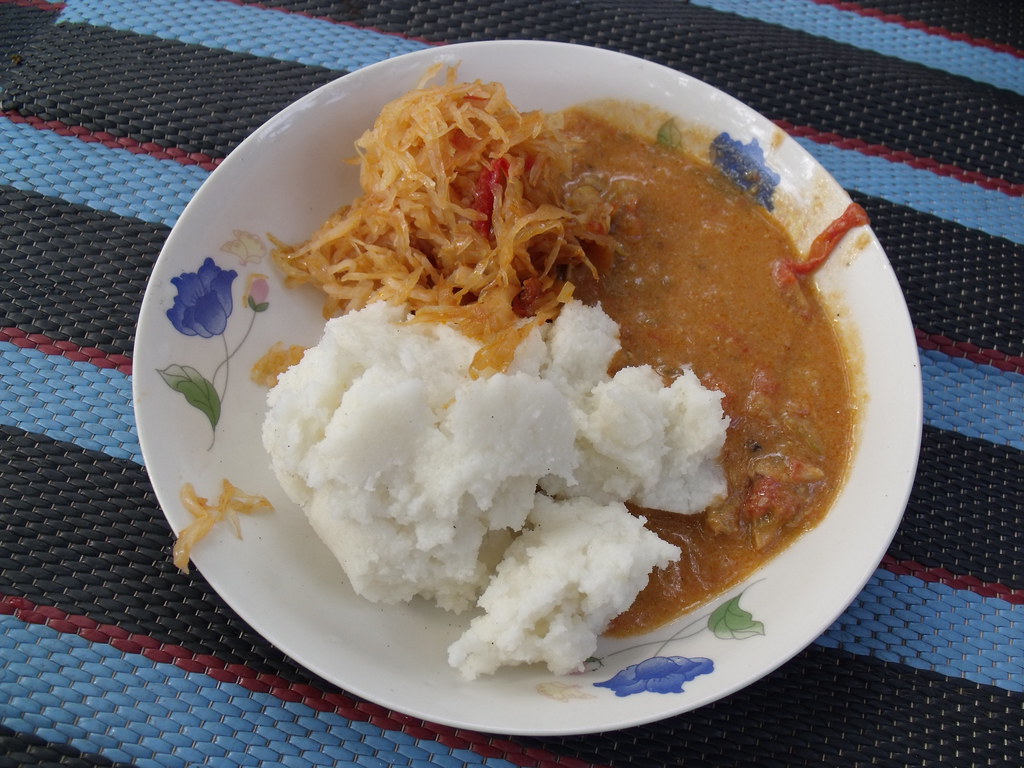
One of the most widely known side dishes in the Russian army food is stewed cabbage. It is typically prepared with onions and a little bit of meat or sausage and is served with the main protein dishes. Cabbage is cheap, filling, and can be prepared in large quantities, which is well-suited to institutional cooking. It is also convenient to store because it has a long shelf life. The feelings of soldiers are mixed: some of them like its warmth and simplicity, others think of it as monotony. In any case, it is an inseparable part of the army dining halls and a meal that almost every serviceman recalls after the service.
Fish for dinner
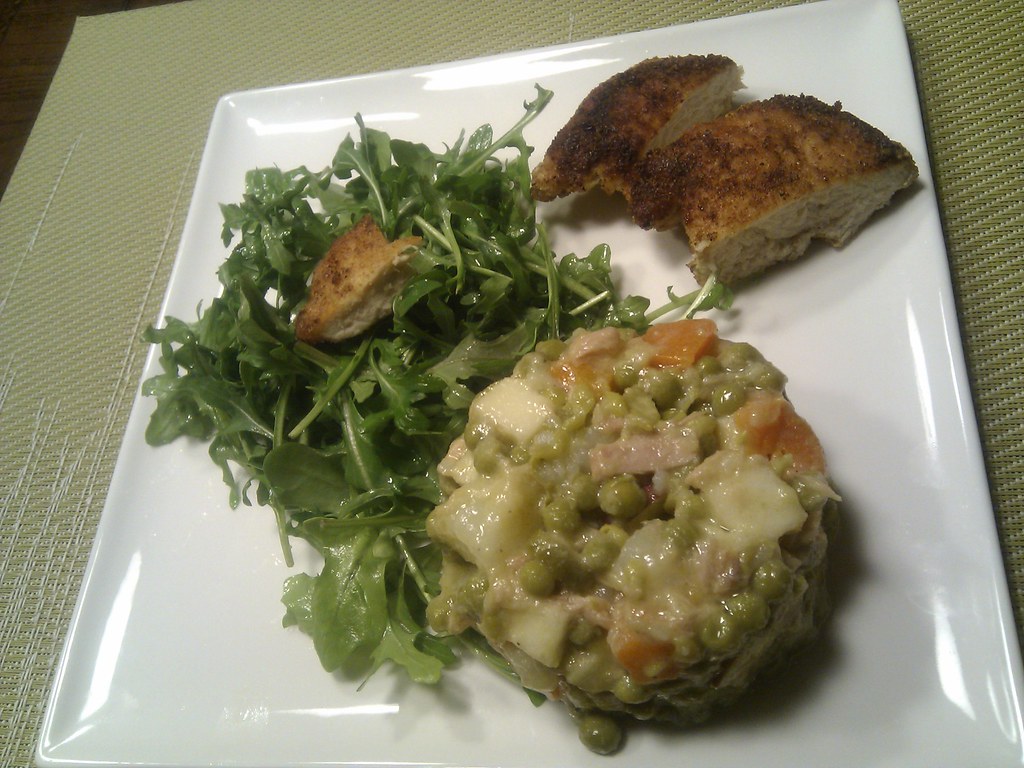
Fish is a dinner meal and is normally restricted to cheap types like pollock or cod. It is usually boiled or fried lightly and served with mashed potatoes, rice, or buckwheat. Although it is not very tasty, fish meals are supposed to offer a lighter source of protein in comparison with meat-based lunches. Soldiers have divided opinions: some like the change, but some do not like the texture and smell. Fish days are not unpredictable and are seldom exciting, yet they play a practical purpose in food variety. The food is usually basic and consumed in a hurry prior to evening work.
Dessert and holiday treats

Dessert is not a common occurrence in the daily life of the army, and this makes it even more significant during holidays. Soldiers can be given cookies, sweets, cakes, pancakes, or seasonal fruit like tangerines on special occasions. These snacks serve as informal time indicators, reminding soldiers of holidays in the face of the monotonous nature of service.
The sight of sweets is usually a direct indication of a party, like New Year’s Day, Defender of the Fatherland Day, or Maslenitsa. Although the portions are small, the psychological impact is great. These are moments that many veterans will not forget because they provide a momentary relief to the monotony of regular military meals.
Food from home
Home parcels are one of the most looked-forward-to events of a soldier in a week. Families usually bring sausages, chocolate, cookies, canned food, or other sweets that are not available in the dining hall. These packages are particularly significant to new recruits who are not permitted to leave the unit. In addition to nutrition, home-cooked meals are emotional, reminding the soldiers of home and their lives back at home.
These things, shared among comrades, can give a temporary boost to morale. Most soldiers remember that even the most basic homemade food seemed to be outstanding in the conditions of the army, which confirms the high level of emotional attachment to food and memory in the army.
How did you like this guide to Russian army food? Have you ever tried any of these dishes before? Feel free to share your thoughts and experiences in the comments below.
Like it? Pin it.
