
There are many dishes in Russian cuisine familiar to people all over the world: borscht, cheburek, pirozhki, blini, beef stroganoff, and many hearty soups created to survive the long Russian winters. However, there is another aspect of Russian cuisine that can catch the first-time visitor: the comfort food. Some of the dishes were invented because they had to be, some because they had to be preserved, and some because tastes evolved over centuries in cold, remote areas. To the locals, they may be nostalgic and completely normal. To outsiders, though, some end up appearing on lists of disgusting Russian food and can feel more like culinary challenges than comfort dishes.
Indigirka Salad

We start this guide to disgusting Russian food with Indigirka, a salad that is actually not a salad at all, at least not as most people would think of one. This dish is made from raw frozen fish cubes, onions, oil, salt, and pepper (optional), and is native to Yakutia. The fish is kept frozen while being prepared and eaten before it thaws. The locals love the clean flavor and the soft texture, almost like northern sashimi. However, visitors have a hard time imagining eating what appears to be fish ice cubes. This salad might sound very confusing if you consider lettuce and tomatoes to be salad.
Kholodets


The visual presentation is what has made Kholodets a legend among travelers. This is a traditional recipe that involves slow cooking meat and bones until the collagen in the meat turns the broth into jelly. Meat chunks are put in, and then it is refrigerated until it turns solid. The outcome is a cold, shivering block of meat encased in clear gelatin. It is frequently served with mustard, horseradish, and black bread in Russia. But the most difficult part for outsiders is often the psychological aspect. Cold meat? Fine. Jelly? Fine. Combining the two somehow makes people suddenly question reality.
Kutia

Kutia is likely one of the most gentle dishes on this list, but it is also a bit odd to those who don’t know it, as it doesn’t fall into any one category. Traditionally served during important religious occasions, kutia combines grains such as wheat with honey, poppy seeds, nuts, and dried fruit. It has a lot of significance and tradition for the locals. It can be confusing to first-time visitors, as it appears to be a dessert, but it is not particularly sweet. The texture is also unexpected, with soft grains, crunchy seeds, and sticky sweetness, which is described as being halfway between breakfast cereal and ceremonial pudding.
Qazı

The main ingredient of Qazı, horse meat, immediately polarizes opinions. The sausage is made with horse rib meat and fat, flavored and dried, and is popular in some parts of Russia and neighboring areas with Turkic culinary traditions. This was once useful and much appreciated. However, for many tourists from the West, horse eating is a sensitive issue as horses are not regarded as animals but as companions. Even those who like to eat out of the ordinary are sometimes reluctant when they find out what they’re eating. But it’s not always a taste thing, it’s a culture thing.
Shuba (Herring Under a Fur Coat)


Few dishes make such a dramatic first impression as Shuba. This iconic layered salad is officially called “Herring Under a Fur Coat” and is topped with salted herring, potatoes, carrots, onions, eggs, mayonnaise, and a vibrant beetroot layer, which gives the salad a distinct pink-purple hue. It is often associated with holidays and family gatherings in Russia. It is often mistaken for a dessert due to its color. Then there’s the surprise: under that happy facade is a serious amount of fish and mayonnaise.
Ukha


Ukha is a simple fish soup, but it can be quite different depending on the region and the method of preparation. Traditional versions are designed to produce a very clear broth that is highly flavored with the fish flavor from the whole fish, including the head and bones. In some areas, the fish looks distinctly like… fish. Eyes included. The clean, natural taste is often appreciated by Russians, and it is one of the great traditional comfort foods. Some people who come to expect creamy chowders or heavily seasoned seafood soups are left with a bowl that seems a bit too close to the source.
Stroganina

Stroganina is from the far north and has one of those descriptions that sounds sophisticated or alarming, depending on your personality. The dish is made from very thin slices of raw fish (or frozen raw meat) that are eaten right after they are cut from the frozen block. It is typically flavored with salt and spices and appreciated for its freshness and texture. It is a delicacy and a symbol of the food culture of the North for the locals. For outsiders, however, it takes a while to get their heads around the idea of eating raw protein that crunches a little when chewed.
Kvass-Based Solyanka

Regular solyanka is already known as one of the boldest soups in Russia, as it is a soup of sour, salty, smoky, and rich taste. The kvass version adds to the confusion. Kvass is a fermented beverage based on bread, and has a slightly tangy, mildly sweet taste, which is not like anything most visitors are used to drinking. Add soup to that, and it’s a meal that can be hard to describe. The first spoonful is often described as being mentally draining, as the brain is expecting one thing and getting something completely different.
Jellied Fish

But if meat in jelly was not enough, Russian cuisine takes the same approach to seafood. Jellied fish is made by cooking fish in broth and letting the natural gelatin coagulate around the fish after it cools. This was a beautiful and convenient method of preserving and serving fish in the past. But modern visitors are more likely to be put off by the look than the flavour. Fish are already known for being easy to identify, and it’s even more dramatic when they’re stuck in clear jelly. One of those meals that you have to be brave to eat before you taste it.
Enjoying this post? Then you may also like our guide to the worst American food and our guide to unusual dishes in Asia.
Deep-Fried Pickled Cucumbers

Deep-fried pickled cucumbers are not a traditional food, but they have their own following. The process is, as the name suggests, battering and frying pickles until they are crispy on the outside and juicy and sour on the inside. The contrast in flavor can be quite good. The problem for outsiders is mostly conceptual. Pickles are a divisive issue. They are so deep-fried that it’s like crossing a line nobody asked to cross. Then people give it a whirl, and they become annoyed because they sort of like it.
Milk Soup

Milk soup is a very confusing thing because people have very different expectations based on their place of origin. In Russia and in some parts of Eastern Europe, milk soup can refer to a warm milk beverage served as a meal instead of dessert, often with noodles, grains, or other ingredients. The initial response of many international visitors is typically: “Wait, this isn’t cereal?” The taste is soothing and mild, but the concept of a soup that is somewhat reminiscent of breakfast is a surprise. It’s one of those dishes that sounds bizarre, just because of cultural expectations.
Tushonka

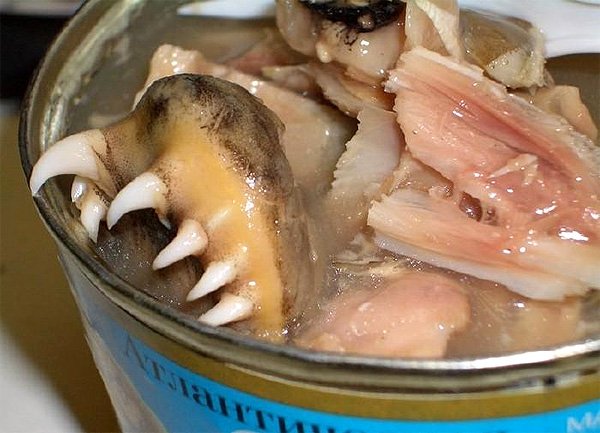
Tushonka is stewed meat, which is canned and has almost mythical status in some parts of Russia due to its practicality and long shelf life. Over time, it came to be associated with military use, long journeys, camping, and emergency food supplies. When you open the can, you will see a layer of fat and gelatin over a dense layer of meat. It is comforting and reliable to fans. Many people outside the industry would say that opening a can is an emotional event that they were not ready for. It’s not like modern food marketing, but many people claim it’s a delicious flavor.
Fish Liquid
It is hard to describe this historical preparation from the Arkhangelsk region without making people feel uncomfortable. Villagers would dig large pits, line them with leaves, place fresh river fish in the pits, and cover them with dirt for months. With time, the fish underwent fermentation, and the liquid that came out was collected and used as a sauce. Modern readers tend to respond with a mixture of disbelief and horror. However, fermented fish products were found everywhere in the world and were used as a good source of flavour even before the invention of refrigeration. However, the words “use a bucket to remove fish liquid” don’t exactly whet the appetite.
Reed Bread

Bread baked from marsh reeds seems more like a foodstuff from a survival reality show than traditional fare, but reed bread has a real history. During the spring, reed rootstocks were harvested for their starches and natural sugars, which could be used to make flour. The roots were cut, dried, powdered, and then baked into bread. This was an important survival food during times of severe food shortages, such as during wartime. Today’s visitors are surprised to find reeds on a plate, since they are more associated with lakes and birds. In today’s world, a minimalist café serving reed bread would likely be considered artisanal if it told the right story.
Tree Bark Porridge

Tree bark porridge is a joke that people tell about how people used to eat in the old days, until you find people actually ate it. The outer bark was stripped off, and the softer inner bark, typically pine or birch, was made into something edible, especially in northern areas where food shortages were prevalent. The bark had to be ground down and boiled a lot before it could be made into a porridge-like dish. The texture is similar to semolina, but with a slight bitterness. It was there because calories were more important than taste. Years of modern people avoiding pulp in their orange juice will likely make bark porridge an odd life lesson.
Polotok – “Mummified” Goose

Polotok may be one of the most daunting preparation methods on this list. In order to keep meat during the long winter months, people would take the bones out of a goose, fill the cavity with spices, cover it with saltpeter, seal it in a barrel, and set it aside for months. When spring finally came, the meat was taken out, smoked, and served. The outcome was a dry, highly flavored, preserved goose, not tender. The description might sound dramatic to those who are accustomed to the juicy roasted poultry that modern food lovers enjoy. “Mummified goose” doesn’t help, but from a historical point of view, it’s a pretty ingenious preservation method.
Salo

Salo is a food that makes people split. It is popular in Russia and Eastern Europe and is primarily made from cured pork fat, which is usually cut thick and served cold on bread, with garlic, onions, or pickles. It’s rich, silky, and satisfying, according to fans. The outside world typically looks at one thing: You’re just consuming chunks of pure fat. When you’re brought up to eat only the leanest cuts of meat, it can be a dramatic cultural experience to see someone happily devouring a white block of cured pork. Surprisingly, many skeptics find they enjoy it after they forget what it is.
Golubtsy


Golubtsy are not in themselves weird; they are cabbage rolls filled with meat and rice, but the traditional home-made versions can be surprisingly spicy for visitors. When cabbage is wrapped tightly around a rich filling and boiled until very tender, some people love the texture, and others don’t. It’s not exactly a favorite internationally due to the aroma of cooked cabbage. Sometimes, people who are used to a crunchy or heavily seasoned meal find that it’s very soft and very cabbagey. It’s not really disgusting Russian food; it’s just a dish that many first-timers are suspicious of.
Cow Tongue (Boiled Beef Tongue)

Last but not least, we conclude this guide to disgusting Russian food with cow tongue, a dish that appears in Russian holiday spreads and traditional cold appetizer plates and tends to create strong reactions for one obvious reason: it still looks unmistakably like a tongue before slicing. Prepared correctly, it becomes surprisingly tender and mild, but many visitors never make it to the tasting stage. The idea of eating an organ that normally helps an animal taste food can be enough to stop people immediately. Russians often treat it as completely normal and even elegant.
Why This Disgusting Russian Food Exists in the First Place?
As strange as many of these dishes appear today, most of them weren’t created because somebody wanted to shock future tourists. They were responses to climate, geography, religion, preservation needs, and long periods where wasting food simply wasn’t an option. Freezing, fermenting, drying, preserving in fat, turning unusual plants into flour, and finding uses for every available ingredient helped entire communities survive.
That doesn’t automatically make them easy for outsiders to embrace.
Food is deeply cultural. The same visitor who recoils at fish jelly might happily eat blue cheese, fermented shark, century eggs, or strong-smelling cheeses from elsewhere in the world. Every country has dishes that outsiders side-eye at first.
Still, Russia does deserve credit for creating a category of foods capable of making people ask questions they never expected to ask, including: “Why is my soup made of bread?” “Why is my fish frozen?”, and perhaps most importantly, “Why is this goose described as mummified?”
And yet—after the initial hesitation—some travelers end up loving these dishes. Others politely move the plate around and ask if there’s bread.
