
There are those cuisines that don’t require a dramatic introduction, and podvarak is one of them. Its aroma normally speaks volumes even before one has a single bite. That is the type of meal that leaves a home full of warmth, the guests at least hanging out at the table a few minutes longer, and transforms a normal day into something memorable. It has a warm richness that suggests low-cooking, lightly browned corners, and tastes that combine to something much richer than its constituent components. In this article, we’ll introduce you to the traditional podvarak recipe and teach you everything there is to know about this tasty dish.
But first things first…
What Is Podvarak?


Podvarak is a Balkan baked dish which contains cabbage (typically, sauerkraut), cooked slowly with meat, until all the ingredients are cooked tender and savory and the fribe -caramelized. It’s a beautiful mixture of sour (cabbage) and hearty (meat-rich), which creates a rustic meets hearty dish that is particularly invigorating in the colder seasons. It’s a simple dish to prepare, and it’s characterised by its lengthy baking period, which produces a characteristic golden-brown crust on the top and condensed flavours throughout. Through poultry or pork, podvarak is a representation of Balkan comfort food.
Origin and History


The origins of the podvarak recipe lie in the larger Balkan area and especially in Serbia, Bosnia, and Montenegro, where cabbage is an important part of the winter diet. In the old times, families used to ferment cabbage in large quantities every autumn so that there would be sufficient food in case of severe winters.
Podvarak was an efficient but tasty means of combining this tinned cabbage with the meats at hand, whether it be poultry reared in the homestead or pork slaughtered usually once a year. The dish was developed over the years into a table centerpiece, particularly during Christmas and family occasions, and is therefore a symbol of the plenary, hospitality, and the resourceful cooking culture typical to this part of the world.
Podvarak Recipe Variations


The preparation of podvarak is diverse in the Balkans, depending upon the region, customs of a household, and the ingredients available. Serbian sauerkraut is usually eaten with roasted pork or turkey, giving it a dark roasted look. Bosnian versions typically use lamb or veal, and in some cases, they can use rice to add more heartiness.
Some families use fresh cabbage as opposed to fermented, and this makes a mild and slightly sweeter version of the meal. Others also provide smoked meats to add more richness to the aroma or bay leaves to add a hint of herbs. Even texture is different; some like it moist and soft, whereas others like it darker and crisper, which is done by having a longer time in the oven and less stirring.
Variations of the dish are popular in Eastern Europe, including Poland, Russia, Ukraine, Belarus, Estonia, and Lithuania, but this particular version is especially popular in Serbia, Romania, Macedonia, Bosnia, Montenegro, Croatia, Bulgaria, and Slovenia.
Preparation Tips
- Use well-fermented sauerkraut; rinse lightly only if extremely salty.
- Squeeze excess liquid from cabbage to avoid a watery dish.
- Brown the onions deeply—they’re essential for sweetness and depth.
- Render some fat from the meat before baking for a richer flavor.
- Bake uncovered for part of the time to achieve caramelization.
- Stir only once or twice; too much mixing prevents browning.
- Add a bit of broth only if the mixture seems too dry.
- Let it rest before serving; flavors settle and intensify.
Serving Tips


Podvarak is normally served hot in a big dish, and can be accompanied by the crude bread or kljukusa, mashed potatoes, or just the roasted vegetables. It’s used in most Balkan families in the winter holidays, Christmas in particular, and it is served at family gatherings, where slow-cooked meals are valued.
It goes well with yogurt-based beverages, light salads, or pickled vegetables to counter its heaviness. When prepared using poultry, it is a little lighter, whereas using pork produces a more cozy, celebratory dish. It can be served in the middle of the table or served alone, but it is a dish that encourages one to enjoy it slowly over a warm dinnertime conversation.
Storing
Podvarak keeps extremely well, allowing it to be stored and used either to prepare a meal or to relish the next day. When it cools, pour it into an airtight container and store it in the refrigerator up to four days. The tastes usually become richer on the second day, so the leftovers are actually even better than the first one.
It can be frozen well to store longer, although it must be divided into portions so that it can be kept in freezer containers and refrigerated for not more than three months. Freeze overnight in the refrigerator and bake to re-caramelize in the oven. The crisp edges that make podvarak special are better not to be reheated in the microwave, in case they get soft.
A Few Things You May Need


Saucepan


Boiling Pot

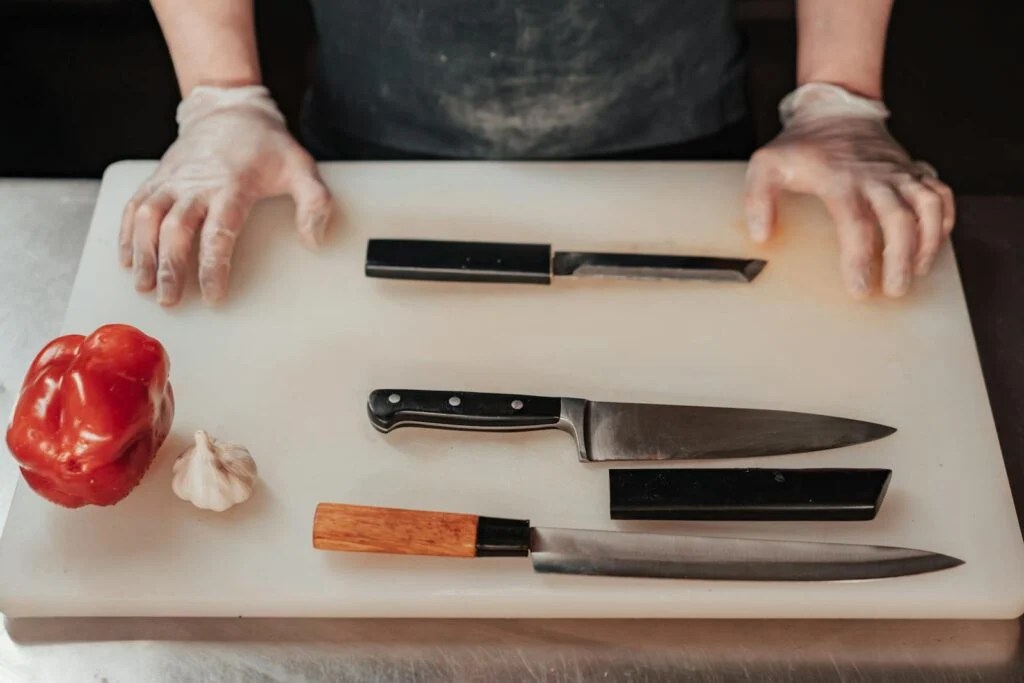
Cutting Set
Podvarak Recipe


In this article, we’ll introduce you to the traditional podvarak recipe and teach you everything there is to know about this tasty dish.
Ingredients
- 1 kg sauerkraut, shredded
- 600–800 g pork or turkey pieces
- 2 large onions, finely chopped
- 3–4 cloves garlic, minced
- 3 tbsp oil or pork fat
- 1 tbsp paprika
- ½ tsp black pepper
- Optional: bay leaf, smoked meat pieces, a splash of broth
Instructions
- 1. Preheat oven to 180°C (350°F).
- 2. In a pan, sauté onions in oil until deeply golden.
- 3. Add garlic and stir briefly.
- 4. Mix onions with sauerkraut, paprika, and pepper.
- 5. Place half the cabbage mixture in a baking dish.
- 6. Arrange meat pieces on top.
- 7. Cover with the remaining cabbage.
- 8. Bake uncovered for about 1.5–2 hours, stirring once.
- 9. Bake longer for a darker, crispier finish if desired.
- 10. Let rest 10–15 minutes before serving.
Nutrition Information:
Serving Size:
1 bowlAmount Per Serving: Calories: 300Total Fat: 22gSaturated Fat: 8gTrans Fat: 0.7gUnsaturated Fat: 13gCholesterol: 70mgSodium: 820mgCarbohydrates: 10gNet Carbohydrates: 7gFiber: 3gSugar: 4gProtein: 15g
How did you like our podvarak recipe? Did you ever try it before? If you tried to make it at home, don’t forget to leave us a rating, and if you have any questions, feel free to ask in the comments below.
Like it? Pin it.

