
Moroccan soups are plates of reminiscence, coziness, and rhythm of life. Served to break the fast on Ramadan days, as a comfort on cold nights in the Atlas Mountains, or based on simple grains and legumes, and able to keep rural populations alive for centuries, Moroccan soups are an indispensable part of Moroccan cuisine. From rich and hearty stews to fine porridges, every bowl has a tale of geography, of history, and of people, and in this article, we’ll cover some of the most popular Moroccan soup classics, starting with…
1. Harrira


Harrira is perhaps the most well-known soup in Morocco, a spicy tomato stew, representing the warmth, generosity, and the holy month of Ramadan. It’s a traditional dish traditionally served to end the fast, and it is a mixture of lamb, chickpeas, lentils, and vermicelli fused with spices like cinnamon, turmeric, and ginger.
Herbs are added in fresh cilantro and parsley to enhance the richness, and lemon is used to add tanginess. Harrira is a cultural ceremony, like a meal, as families get together and have Ramadan evenings in Morocco. It’s commonly accompanied by dates and chebakia (sesame honey cookies).
2. Chorba Fassia


Chorba Fassia is a royal cousin of Harrira: it originates from Fez, the spiritual and culinary capital of Morocco. Today, there are many richer and thicker versions of the soup, and it’s popular across the North African coast. It includes soft lamb or chicken, cooked with tomatoes, chickpeas, onions, and fine noodles. The broth is flavored with cinnamon, ginger, and saffron, a tribute to the city of Fez. Chorba Fassia is not an everyday dish like Harrira, but is usually served during celebrations or family gatherings and represents the mixture of Andalusian and Berber in Fez.
3. Moroccan Fish Stew


Seafood is also a necessity in the national cuisine of the Moroccan coast, and the Moroccan Fish Stew (also known as Tagra) embodies this situation best. It is prepared using white fish such as cod or sea bass that has been simmered using a tomato and pepper base with the addition of cumin, paprika, and preserved lemon. Potatoes and olives are the sides usually added to the soup, and cilantro and parsley are used as toppings before serving.
This is a rustic and elegant stew, which is eaten with freshly-baked bread to absorb the colorful stew. It’s particularly popular in coastal towns like Essaouira and Agadir, where fish dishes are an irreplaceable part of local cuisine.
4. Bissara


Bissara is a simple yet legendary Moroccan soup using fava beans or peas (dried, split), pureed into a smooth, rich soup. It’s often consumed for breakfast or as a street food snack and is garnished with olive oil, paprika, and cumin – a spurt of gold on green solace. Bissara keeps workers warm and provides them with protein, especially in the rural areas during winter. It’s a dish that symbolizes Moroccan ingenuity – making something out of nothing, with basic ingredients.
5. Loubia

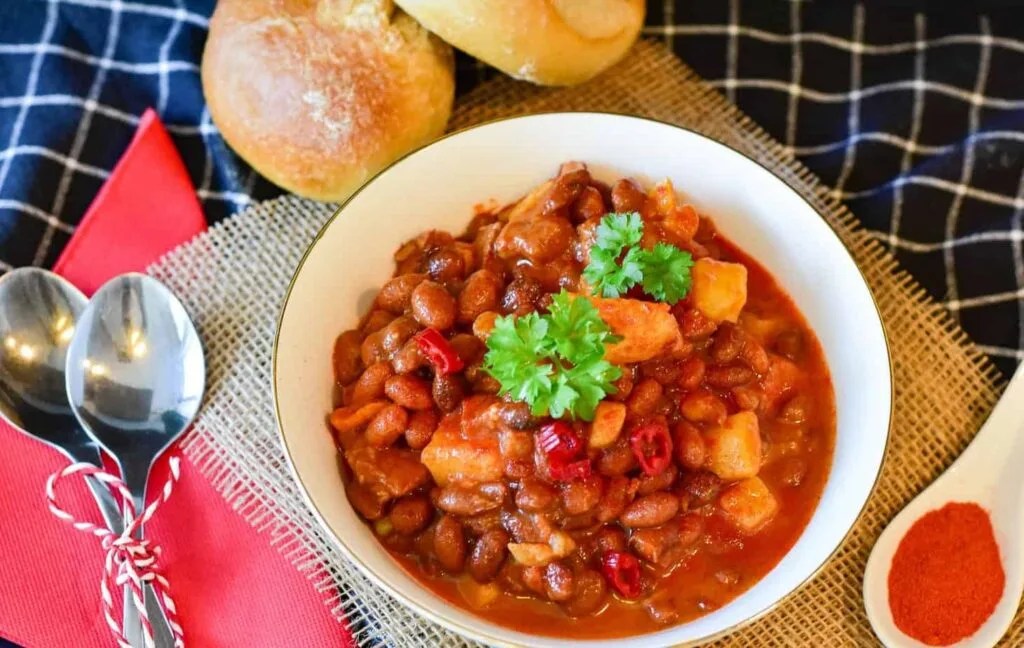
Loubia is a Moroccan stew made of white beans, onions, garlic, and tomatoes, as well as a myriad of spices like cumin, chili, paprika powder, and turmeric. It’s one of the most popular Moroccan dishes, and it can be found in restaurants, street food stalls, and it’s also prepared in most people’s homes. This stew has a zesty, saucy flavor and is one of my favorite Moroccan snacks.
Traditionally, loubia is a vegetarian dish, but it’s not uncommon to include some lamb, beef, khili (local meat confit), or gueddid (dried meat) in the stew. Depending on the preparation method and serving style, loubia can be served as either a main dish or a side dish. It’s usually eaten alongside Moroccan bread, like khobz, and is eaten by dipping the bread into the stew.
6. Belboula (Hssoua Belboula)


Belboula or Hssoua Belboula is a soup resembling a porridge prepared of barley semolina. It is among the oldest country-style dishes in Morocco, which is traditionally consumed as a breakfast or a light dinner. It’s cooked in milk or water and seasoned with salt, olive oil, or butter, and is savory or sweet, depending on the preparation.
Belboula in Berber lands is the embodiment of simplicity and sustenance – a daily comfort, which connects people with the land and the harvests. It’s especially soothing during cold seasons or after a disease, as it has a very tender texture and a mild taste.
7. Assida


Assida is the Moroccan version of a warm and sweet porridge, simple, nourishing, and symbolic. Usually prepared using semolina, flour, or barley, it’s cooked slowly using milk or water until it becomes smooth and thick and topped with melted butter and honey. Assida is commonly made in Moroccan homes either as breakfast during special events like Mawlid (the birthday of the Prophet) or for new mothers because it’s sweet not only in taste, but in meaning, a symbol of care and blessing.
8. Hssoua Belboula (Sweet Version)

The dessert version of Hssoua Belboula makes the homely barley soup into more of a dessert. It’s not made with olive oil and salt but with condensed milk, sugar, and a hint of orange blossom water or cinnamon. Bedtime treat, this is a comforting porridge usually eaten in the morning or as an evening snack, particularly in cold seasons. It has historically been particularly popular in the Atlas Mountains, where comfort and food are one.
9. Moroccan Spiced Turkey Soup


The Moroccan Spiced Turkey Soup is a more modern addition to the Moroccan kitchen that incorporates the classic spice mixes with a low-calorie protein base. It’s normally prepared using shredded turkey (mostly leftover), tomatoes, carrots, lentils, and aromatic spices such as cumin, coriander, and turmeric, and sits somewhere between the comfort meal and wellness food.
Fresh herbs and lemon juice brighten its richness, and the turkey gives it a satisfactory depth. This soup is a symbol of the contemporary Moroccan fusion, i.e., traditional North African ingredients with the global ones, and it is commonly served post-festive or during lower temperatures as a health-giving means to recycle the gourmet leftovers.
10. Moroccan Pumpkin Tomato Soup


This soup reflects the Moroccan penchant for balancing spiciness and sweetness. The tomato Pumpkin Moroccan Soup is made of roasted pumpkin and tomatoes, mixed with ginger, garlic, cumin, and a bit of cayenne. The final result is silky, radiant, and highly perfumed. The pumpkin is naturally sweet, and the warm spices are in balance with the tomatoes, which are also acidic and fresh.
Coconut milk or cream is occasionally added to it for richness, making it very popular both in traditional and modern kitchens. It’s particularly popular during autumn, when pumpkins are plentiful.
11. Moroccan Sweet Potato Soup


Spicy Moroccan Sweet Potato Soup is a blend of smooth, spicy comfort due to the combination of harissa, cumin, paprika, and garlic with pureed sweet potatoes. A drizzle of olive oil or a swirl of yogurt dissolves the heat and makes things creamy. The soup is a rather new addition to the Moroccan culinary scene – one that pays tribute to the Moroccan hospitality and spice, and satisfies everyone’s taste. It is wholesome, vegan, and loaded with flavors of Moroccan cuisine.
12. Moroccan Spiced Parsnip Soup


Moroccan Spiced Parsnip Soup is a modern pop food that draws on regional sensibilities of spices and highlights a modest root ingredient. It’s made of pureed parsnips and onion or leek, simmered in stock and in aromatics, including garlic, cumin, coriander, with a pinch of cinnamon or nutmeg. Most chefs add a squirt of preserved lemon or lemon juice to curb the sweetness of the parsnip, and a swirl of yogur or olive oil to add silicaciousness. It’s usually served with toasted cumin seeds or cilantro, chopped up.
Although not a traditional old-fashioned rural dish, the soup is an ideal addition to the aromas of Morocco, with its key characteristics of ground, sweet, and spicy warmth, and is often served in modern bistros and kitchens of homeowners during winter.
13. Lentil Beef Sausage Stew


Meatball Couscous Soup (also known as kefta bissara, or a kefta-couscous broth depending on locale) is a combination of two culinary pillars of Moroccan cuisine: spiced minced meat and small grains of steamed semolina. Little seasoned meatballs (usually a mixture of lamb or beef and cumin and paprika, garlic, parsley, and occasionally an egg to hold them together) are simmered in a well-seasoned tomato-onion sauce with chickpeas, carrots, and zucchini.
Towards the end, it is mixed with fine couscous or Israeli couscous (or served as a side) in order to make every spoonful of soft meat, vibrant broth, and soft grain. It’s a homemade, comforting one-pot meal that is usually made when guests come over or on chilly evenings. The bowl is topped with a squeeze of fresh lemon and a sprinkle of chopped mint or cilantro.
14. Moroccan Tomato Soup


Last but not least, we conclude this guide to Moroccan soups with the local version of tomato soup. It begins with tomatoes (fresh or canned and ripe), sauteed onions and garlic, and is spiced with cumin, paprika, a dash of ginger, and cinnamon (or turmeric) to give it a rich taste.
Occasionally, some of the regional variants incorporate red peppers, carrots or small lentils to give it a substantial texture. It’s usually served with lemon squeezed into it and chopped cilantro or parsley to give it a pop of color. It’s a lunchtime dish in coastal and urban homes – comforting, fast, and cheap, eaten with khobz to scoop it up.
How did you like this guide to Moroccan soups? Did you ever try any of these? Are there any other soups you think we should have mentioned but didn’t? Feel free to share your thoughts in the comments below.
Like it? Pin it.


