
From the bustling souks of Marrakech to the serene Sahara nights, Moroccan breads are the heart and soul of most Moroccan meals. From the hearty khobz or the heavy sh’air to the fluffy harcha and airy baghrir, the bread variety of Moroccan cuisine is one of the world’s finest. Sounds interesting? If so, keep reading; in this article we’ll cover some of the most popular local bread varieties and teach you everything you need to know about them.
Let’s start from the beginning…
Flour Varieties Used


Predominantly, Moroccans use two types of wheat flour. There’s hard wheat, which gives us that delightful chewiness in bread like ‘khobz’ and then there’s the softer counterpart, aptly named soft wheat used in airier breads like ‘msemen’ and ‘baghrir’.
Barley flour although not so widely used today, it has been used historically, when times were tough and wheat was scant, as a reliable backup robust grain that thrives in Morocco’s varied terrains.
Last but not least, corn, especially in the mountainous Rif region, is also a part of local cuisine we shouldn’t forget about. Ground into a fine flour, it creates delicious breads with a sweeter undertone, perfect for breakfast dishes.
Traditional Baking Methods

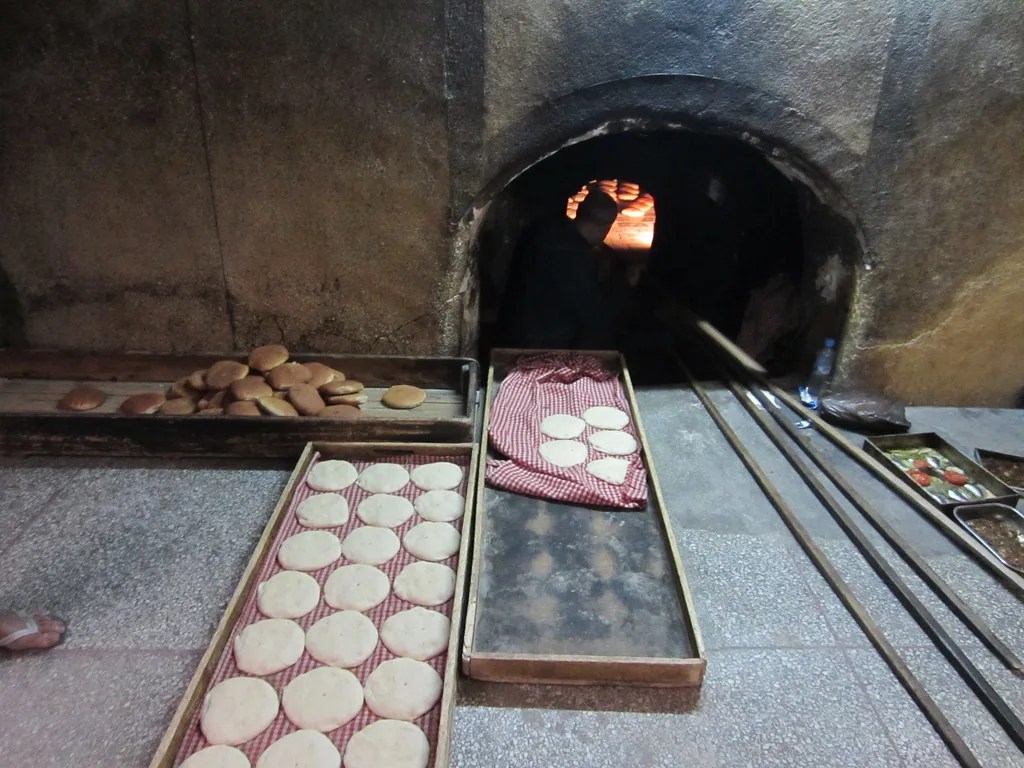
Perhaps the most authentic baking method of Morocco is the traditional clay oven, or as locals fondly call it, the tannour or tabouna. These ancient ovens, often built into the ground or walls, have been used in this part of the world for centuries, giving local bread a crispy exterior, airy center, and a delicious smoky flavor.
These ovens date back to the times when whole communities would gather around a communal oven and while modern kitchens have made this concept (somewhat) obsolete, many Moroccan households still swear by the age-old techniques. Why fix what ain’t broken, right? Especially when it yields such mouthwatering results…
Most Popular Moroccan Breads
Now that we covered some basics, let’s go through the most important part of our article- the best Moroccan breads anyone should try at least once.
Khobz


Ever taken a stroll through the bustling streets of Marrakech or Casablanca? If so, you might’ve noticed locals carrying around a round, golden treasure shaped like a tiny shield, but this isn’t some relic from an Indiana Jones movie, it’s khobz (pronounced kh-obz), the most popular Moroccan bread.
Breakfast? Khobz. Lunch? Khobz. Dinner? You guessed it, khobz. This bread isn’t just reserved for special occasions or particular meals, you can eat it any day, any time of the day, and with any dish that’s one the table. It’s a Moroccan every day staple. If there was a Moroccan version of “Beauty and the Beast,” khobz would undoubtedly be the clock – ever-present and essential to the storyline.
Msemen


If you thought khobz was the end-all, be-all of Moroccan breads, hold onto your hats. There’s also msemen(pronounced m’sem-men), a flaky, crispy, buttery delight that consistency wise lies somewhere between crepes and flatbreads. Most indulge in msemen during breakfast, slathered in honey or jam (a sweet start to the day, indeed!), this versatile bread is no one-trick pony by any means. You can also find it filled with spiced meat or sautéed veggies in something that some may describe as Mexican quesadilla, but with Moroccan flair—.
Batbout

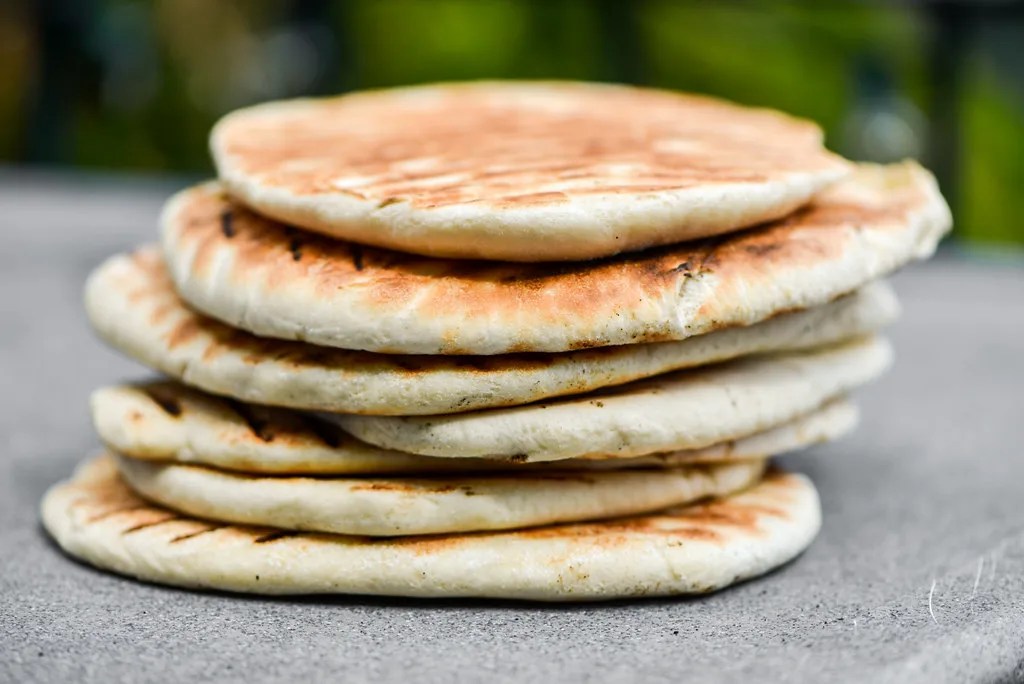
While its cousins, khobz and msemen, are usually in the spotlight, one shouldn’t forget about batbout which unlike other Moroccan breads (that are made in the oven) is prepared in a griddle or a pan which gives it a characteristic charred exterior, and soft and tender interior. Batbout might be small, but it’s mighty! It’s often compared to pita bread, but this one is smaller and has an airy pocket, which makes it perfect for stuffing with things like zaalouk (eggplant-tomato delight) or sizzling skewered meats. Think of batbout as the OG Moroccan taco.
Krachel


When the best Moroccan breads are the topic, we simply can’t forget to mention krachel, a sweet, aromatic bun that’s the toast of Morocco’s teatime. It’s a simple bread that doesn’t include fancy filling like some of the other ones on this list, just aniseed which gives it slight licorice-like notes and sesame seeds that add a delightful crunch to the mix. If you want to make it sweeter, there’s also a variation with undertones of orange blossom which gives the bread natural floral sweetness, especially eaten during Eid celebrations or family gatherings/celebrations.
Khobz el Dar


“Khobz” in Arabic means bread (you probably guessed that by now), and “el Dar” translates to “of the house” or “home.” So, Khobz el Dar is quite literally the ‘homemade khobz’ (because historically, it’s been prepared in communal ovens). This variation is basically the same khobz but with a lighter texture and milder taste. Many Moroccan households, particularly in the past, didn’t have ovens at home. So, they’d send their prepared dough to community ovens, where bakers would turn them into golden loaves but today, Khobz el Dar is a symbol of Moroccan identity.
Enjoying this post? Then you may also like our list of the best Moroccan appetizers.
Harcha


Known for her tender crumb and a penchant for butter, harcha is the diva of Moroccan breakfast tables, one of the most common breakfast choices. Harcha isn’t your run-of-the-mill bread and it’s hard to compare it to anything else; it has a crumbly texture and is made primarily with fine semolina, and has a flavor that’s different from her yeasty siblings (in a good way). While still a darling of Moroccan mornings, harcha’s fame has traveled and nowadays, you can even find it starring in global breakfast spreads, occasionally donning new toppings like avocado or cream cheese.
Sh’air


Sh’air means “barley” in Arabic and before Before wheat was introduced to the region, barley was the OG superstar in ancient North Africa. It’s the grain that withstood the scorching sun and swirling sands, and the first ingredient that was used to make bread in this part of the world. Hence, Sh’air also refers to a type of Moroccan breads that are leavened and made of cracked barley and because of the long period of soaking in a warm climate, this bread can also be dubbed as the Moroccan version of sourdough bread.
Tafarnout


Tafarnout isn’t your run-of-the-mill baguette or boule. It’s a bread that mirrors the ruggedness of the terrain of the area where it comes from and if you really want to put a label on it, I guess it would fall under the flatbread category, with crispy crust and a soft, airy interior. Wine enthusiasts often speak about tasting the “terroir” in their drink but in Tafarnoute, the bread does the talking. With water sourced from mountain springs, heirloom grains, and the smoky kiss from communal ovens, every bite is a sensory journey through the valleys, cliffs, and culture of the enchanting town of Tafarnoute.
Berber Pizza


Even thought its name might make you think that this is technically not a bread, this list of the best Moroccan breads just couldn’t be complete without the Berber pizza. Calling it a ‘pizza’ might be a tad misleading because its real name is medfouna, which translates to “buried” in Arabic because traditionally, this pizza/bread was baked in sand-covered pits (so yeah, it has a unique earthy aroma and texture).
The bread got it got its nickname because the preparation begins its life much like any pizza—with dough but instead of being a base, the dough encapsulates its fillings, almost like a calzone, just flatter, rounder, and dare we say, more mysterious.
The Berber Pizza is a often stuffed with minced meat (often lamb), onions, spices, and local herbs.
Baghrir


Last but not least, we wrap up this list of the best Moroccan breads with baghrir, a bubbly, spongy pancake-like bread that is dubbed the “thousand hole pancake” because its surface is dotted with countless tiny holes. Unlike your diner pancake made from all-purpose flour, Baghrir is made of semolina flour, because baghrir is spongier than the average pancake, it’s lighter, and you can easily eat much more of it. Usually, baghrir is served for breakfast, as a Moroccan snack, in-between meals, or for Iftar during Ramadan.
Pairings and Accompaniments
When you have one or more Moroccan breads in one hand, what, pray tell, should you have in the other? Let’s find out
Traditional Moroccan Dips and Spreads

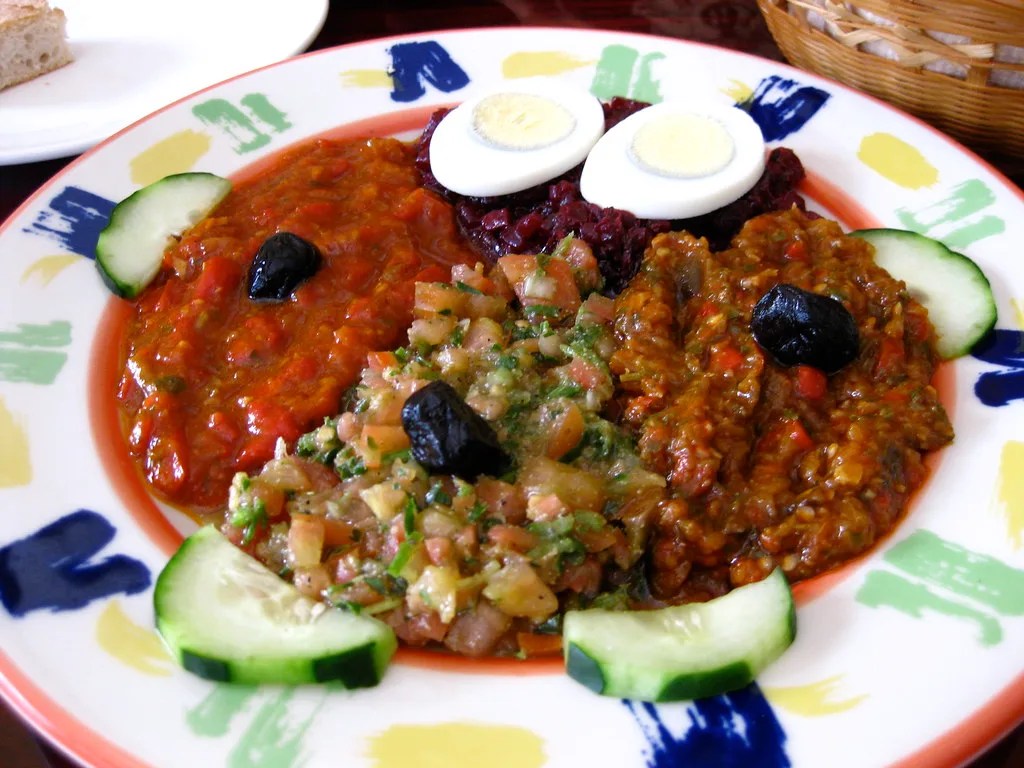
Zaalouk: An eggplant and tomato salad, jazzed up with garlic, paprika, and cumin. It’s smoky, it’s spicy, and it’s just waiting for a piece of bread to sweep it off its plate.
Hummus: A Middle Eastern classic, but Moroccans bring their own flair with spices like cumin and paprika. It’s chickpeas showing their passport and saying, “We’ve traveled.”
Harissa: Red pepper paste that packs a punch! It’s the Brad Pitt of dips: fiery, memorable, and pairs well with just about anything.
Taktouka: A sizzling blend of green peppers, tomatoes, and garlic, slow-cooked to perfection. It’s like a Moroccan salsa minus the mariachi band.
Ideal Soups and Stews


Harira: A hearty tomato and lentil soup, traditionally enjoyed during Ramadan but truly ideal anytime you’re looking for some liquid love.
Bissara: Made with dried broad beans, it’s more comforting than your grandma’s quilt on a chilly day.
Tajine: Not exactly a soup or stew, but this slow-cooked, spiced meat and vegetable dish is so iconic, it’d be a crime not to dip your bread into its rich, saucy goodness.
How About A Drink?


Mint Tea: Known as Moroccan Whiskey (minus the actual whiskey). Green tea, fresh mint, and a boatload of sugar. It’s a sweet sip of North African hospitality.
Lben: A refreshing buttermilk drink, it’s the Moroccan answer to “Got milk?”
Jus d’Avocat: Avocado smoothie, blended with milk, sugar, and sometimes a touch of almond. It’s the ideal “thirst-quencher meets hunger-buster.”
How did you like this list of the best Moroccan breads? Do you have any favorites? Do you know of any other breads we forgot to mention on this list? Feel free to share your thoughts in the comments below.
Like it? Pin it.

