
Moroccan pastries are an expression of culture, usually representing hospitality, a feast, and a blend of the Arab, Berber, Andalusian, and Mediterranean cultures. Some are served every day, at family get-togethers, others are reserved for Eid or weddings, but they all represent the national appetite in spice, texture, and craftsmanship. Spirals dipped in honey, crescent-shaped filled with almonds, and Moroccan pastries are usually a combination of the crunch of nuts and semolina with the spiciness of cinnamon, orange blossom, and cardamom. Every bite has a bit of history – recipes that have passed down generations, and in this article, we’ll introduce you to some of the most popular local pastries.
1. Sfenj


Sfenj is basically the Moroccan version of doughnuts, airy and commonly eaten in the morning or in the late afternoon before having mint tea. These delicious Moroccan snacks are prepared using very basic ingredients of flour, yeast, water, and salt, and then deep-fried till crisp on the surface and light on the inside. They are usually sprinkled with sugar or dipped in honey, and they are a comfort food to all generations. In Morocco, they are sold to street vendors who frequently attach the rings of sfenj to metal hooks.
2. Chebakia


It’s possible that perhaps the most traditional Moroccan dessert related to Ramadan is chebakia. It’s hand-shaped in the form of a flower, made of anis-flavored sesame-flavored cinnamon-flavored dough, then soaked in honey, smoked with orange blossom water, which is then deep-fried. A sprinkling of sesame seeds is the last ingredient to make it fragrant and crunchy. Families cook large quantities of chebakia before the start of the Ramadan period because this food is common during the period of fast-breaking with harira soup. Its sticky sweetness and flowery scent are connotative of devotion and happiness in the holy month, in Moroccan kitchens.
3. Kaab el Ghazal


One of the most elegant pastries in Morocco is Kaab el Ghazal, or gazelle horns. These sweets are crescent-shaped and softly stuffed with orange blossom water-scented almond paste, which is a symbol of elegance and a feast. They have a tender bite, as they are smooth in texture, and their smell is indescribable. They are a must-do in weddings, Eid, and special family events. The name, which translates to gazelle ankles, is a symbol of elegance, as well as the poetic character of the Moroccan food language. Every bite is good but delicate and presents how Morocco knows how to transform simple nuts and spices into culinary art.
4. M’hanncha


The snake or mhanncha is a delicious pastry that is coiled with warqa (Moroccan filo dough), rolled into a snake-like spiral, which is the symbol of continuity and prosperity. The pastry is filled with a moist, nutty filling of ground almonds, cinnamon, butter, and orange blossom water. It’s always coated with powdered sugar or sprinkled with almonds and is the main star at any celebration table. The texture/flavor balance of M’hanncha is the Moroccan one: elegant, but at the same time sybaritic, formal, and free-flowing.
5. Basbousa


Even though Basbousa is of Egyptian origin, it’s also very popular in all North African countries. It’s made of semolina steeped in one of the syrups with the flavor of orange blossom or rose water, and has a rich, gritty consistency and buttery sweetness. Addition of coconut grate or yogurt to provide some wetness. It’s normally sliced into diamond shapes and served with almonds. The syrup-dipped heart of Basbousa and a slightly crunchy top first make Basbousa a comforting dessert, usually served at family gatherings and religious festivals.
6. Jawhara


Jawhara, or jewel, is an appropriate name for this daintily prepared dessert out of layers of warqa, which is crispy and full of cream, and topped with almonds and honey. It’s usually sweetened with orange blossom water, which gives it a floral taste. Jawhara is traditionally used in weddings or on other special occasions because it symbolizes prosperity and joy. The harmony between the crunchy pastry and cream makes the cream luxurious as promised. It is not merely a dessert but an act of Moroccan hospitality- it is classy, luxurious, and made to impress.
7. Sellou


Sellou, sometimes called sfouf or zmita, is an indulgent, no-bake Moroccan pastry commonly made during Ramadan or special occasions, for example, when a child is born. It is prepared by roasting flour, almonds, sesame seeds, and occasionally flax seeds, and combining it with melted butter, honey, and spice aromas such as cinnamon and anise. This gives a crumbly, nutty paste that may be shaped into pyramids or stamped into bowls. It’s very high in energy and nutrients, making it one of the best options for breaking the fast.
8. Feqqas


Feqqas are the Moroccan version of biscotti, which are crisp, twice-baked cookies and are usually served with tea. They are prepared using flour, sugar, eggs, and almonds or sesame seeds and are often flavoured with anise or orange blossom water. The bread is cooked in the form of a loaf, cut into very thin slices, and baked once more till it is golden and crunchy. Feqqas are easy to transport and are therefore the perfect holiday presents. They are also a delightful accompaniment to Moroccan mint tea, and the combination represents the quintessence of the Moroccan afternoon: chatter, hospitality, and a slice of rest between the hectic day.
9. Orange and Cardamom Ghriba


The ghriba are crumbly shortbread-like cookies; however, this version, which has the flavor of the orange zest and cardamom, gives an aromatic twist to the usual almond or coconut cookies. They are immediately identifiable by their broken tops and tender middles. The zesty orange blends perfectly with the spicy aroma of cardamom. Ghriba cookies are usually sweets that are offered at Eid or when a family visits, as a sign of a sweet welcome.
10. Qrichlate


Qrichlate Butter cookies are Moroccan cookies that dissolve in the mouth and are usually adorned with either sesame seeds or sugar. They are called so because of their crunchy texture, although they are softer than standard biscuits. The cookies are cocktail cookies served mostly on holidays and are often made in large volumes to greet visitors. Infused with orange blossom water or vanilla.
11. Merendina


Merendina is a pastry that is nostalgic and reflects the influence of modern cuisine in Morocco. It’s a small sponge cake in layers, usually covered with chocolate and stuffed with cream or jam, as the French confections are. Popular among children and sold in bakeries in Morocco, Merendina has been integrated into life instead of being a festivity feature. It combines the old Moroccan taste with the culture of Western dessert, demonstrating that Moroccan food welcomes change without losing its warmth or sweetness.
12. Meqrout


Mekrout, or makrout, is a pastry made of semolina and stuffed with date paste and moistened in honey. The dough is enhanced with butter and orange blossom water and cut into the form of a diamond prior to frying or baking. The nutty semolina and the soft, sweet date filling are contrasted, which gives a profound and filling taste. Meqrout is commonly used in both Moroccan and Algerian cultures, and is usually served at Eid or festival events. Its golden color and syrupy cover, meaning abundance and blessing, is a sweet mirror of the North African hospitality, which has wandered from the oasis towns to the tables of the world.
13. Bastilla


Bastilla is one of the fanciest Moroccan pastries that’s usually reserved for special occasions. It’s traditionally filled with pigeon or chicken, almonds, and eggs, and is between layers of warqa (thin pastry resembling phyllo) and coated with powdered sugar and cinnamon. The mixture of Meat and sweet spice makes it distinctively Moroccan. Served at weddings and other great feasts, Bastilla has been a symbol of unity between opposites, sweet and salty, soft and crispy. There are seafood and vegetarian versions of it nowadays, yet it has retained the core meaning of a dish that glorifies the Moroccan luxuriousness.
14. Krachel


Krachel are light, sweet Moroccan rolls flavored with anise, orange blossom water, and sesame seeds, and are usually served at Eid, Moroccan breakfast, or afternoon tea. The airiness and full flavor that they bring make one feel homely and cozy. Every region has a slightly different version, some fatter with butter, some more earthy. Krachel are used to symbolize hospitality, which is usually served to the guest in a warm manner with either honey or jam. Their plain ingredients and appetizing aroma make them a favorite staple on breakfast tables across the country.
15. Baghrir


Baghrir, the so-called thousand-hole pancake, is a soft, spongy semolina pancake, a sponge pancake that absorbs honey and butter. The small holes that appear in the course of cooking give it a unique texture. Baghrir is another breakfast and Ramadan dish that is commonly served hot and with a combination of melted butter and honey. It’s light and soothing to taste, which makes it a favorite at parties and gatherings.
16. Meskouta


Meskouta, the home-style cake of Morocco, is a simple yet fragrant sponge cake made with orange, no frosting, and sometimes baked. It is usually served with mint tea and can be taken any time during the day. It is prepared using simple ingredients such as flour, eggs, sugar, and yogurt, and flavored with vanilla or orange zest. There are many different variations, some of which include almonds, coconuts, or raisins. The simple background of Meskowta shows how the Moroccan people embrace the sweetness in their day-to-day.
17. Sesame Gazelle Horns


This pastry is a nice spin on the traditional Kaab el Ghazal, with the added toasted sesame seeds in the dough that add another dimension of nuttiness and flavor. The almond paste filling is still scented with cinnamon and orange blossom water, but the sesame provides the crunchy texture and coziness. These desserts are mostly eaten at Eid or weddings as a sign of beauty and art. All the crescent-shaped cookies are made by hand and folded carefully, and baked till of a pale gold color, and occasionally sprinkled lightly with sugar.
18. Ualibah

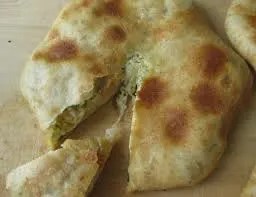
Last but not least, we conclude this guide to Moroccan pastries with ualibah, a very popular pastry among the Ossetian community in Morocco. It is made of three round pies of cheese, the symbolic meaning of each being the trinity of the deities: God, the heavens, and the Earth. Coins or jewelry Coins or jewelry are sometimes hidden inside and traditionally baked during New Year celebrations. Soft, rich, slightly tangy, the pies are made with fresh cheese and butter in the dough.
How did you like this guide to Moroccan soups? Did you ever try any of them? Feel free to share your thoughts in the comments below.
Like it? Pin it.


