
In the past, food in Russian prison food has been a mirror of the hardships of prison life, ranging from detention centers in Moscow and Saint Petersburg to the far-flung penal colonies near Novosibirsk, Vorkuta, and Magadan. Many of these meals were developed out of necessity, using inexpensive ingredients, minimal cooking facilities, and tight prison schedules. Some dishes became symbols of prison life, others eventually went beyond the prison walls and into the working-class kitchens, student dorms, and roadside cafés of Russia.
In prisons from Kazan to Vladivostok, prisoners frequently used creativity instead of the correct ingredients. The result was an entire underground food culture that was built around boiling water, black bread, canned fish, instant noodles, and tea. Recipes were exchanged among prisoners, just as cigarettes or stories were exchanged, and the food developed a peculiar culture of its own.
1. Chifir

Chifir is likely the most notorious of Russian prison beverages. The tea is made by steeping a large amount of black tea leaves in a small amount of water, producing a very strong, high-caffeine brew that can keep prisoners awake for hours. Chifir was transformed into a ritual and social event in prisons throughout Omsk, Perm, and Chelyabinsk. Enamel mugs would be shared among prisoners, who would talk about politics, the hierarchy of criminals, or life outside the prison walls.
Many inmates found the drink to be one of the few psychological escapes they had in the brutal conditions of Soviet and post-Soviet penal colonies, although it frequently made them feel sick and gave them heart palpitations.
2. Tyuremny Sandwich

The classic prison sandwich was constructed from whatever the prisoners could get their hands on via the ration system or family packages. It was typically a black rye loaf topped with margarine, garlic, canned fish, or cheap sausage and was widely adopted in prisons from Rostov-on-Don to Yekaterinburg. Cooking equipment was sometimes prohibited, and sandwiches were one of the simplest methods to make meals more filling.
Garlic was particularly valued for its ability to flavour food that was otherwise unpalatable. In the harsh winters of Siberian prisons, some inmates burned bread against heating pipes or against makeshift metal surfaces to make a makeshift version of grilled bread, a staple comfort food.
3. Rolton Noodle Mix

Since the collapse of the Soviet economy in the 1990s, instant noodles have become one of the most iconic dishes of the Russian prison food scene. Brands such as Rolton and Doshirak were inexpensive, convenient to store, and easy to cook with boiling water. Crushed noodles were frequently combined with mayonnaise, canned meat, onions, or processed cheese to make a thick, calorie-rich salad for inmates in Irkutsk and Krasnoyarsk. Inadequate prison food often made instant noodles a valuable currency in prison. They became the center of entire recipes, and some inmates were famous for their skills in creating surprisingly elaborate meals from simple noodle packets, using only kettles and smuggled spices.
4. Bread Soup
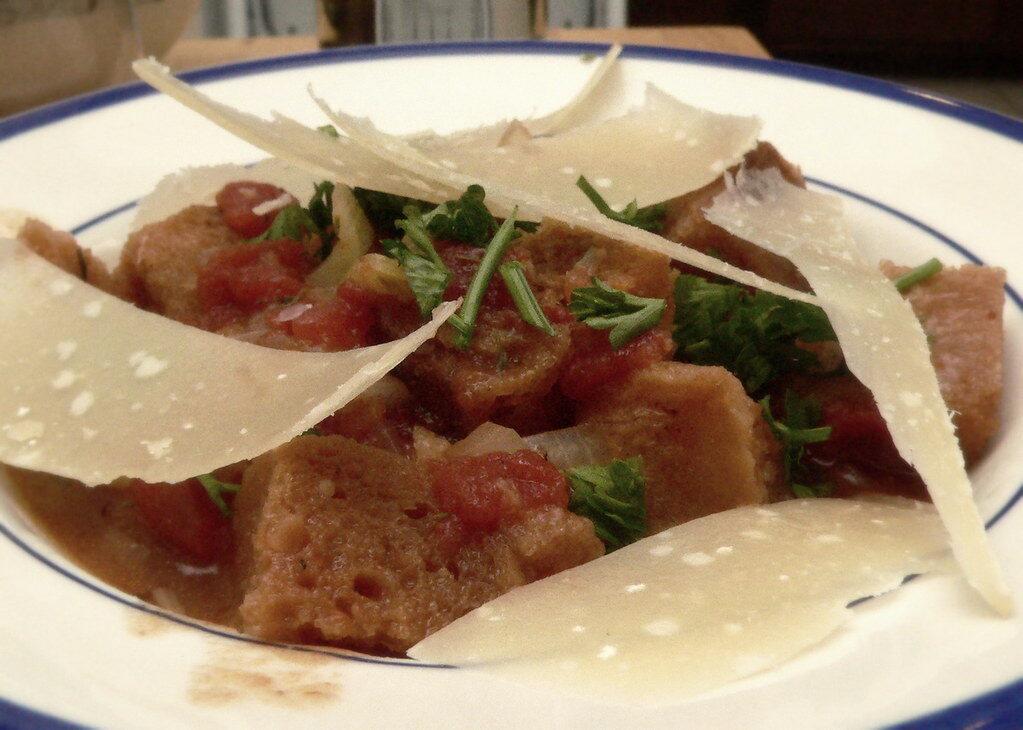
Bread soup emerged as a survival food in overcrowded prisons and detention centers throughout Nizhny Novgorod and Samara. When preparing food in prison, they would dip stale black bread in hot water and then add salt, onions, or bouillon cubes if they had them. The outcome was a porridge-like consistency, more for sustenance than for pleasure. In the Soviet times, many prisoners recalled that bread soup was a regular food in times of scarcity. Former prisoners sometimes refer to it as a symbol of desperation and adaptation even today. It’s simple, but it’s a reflection of the way prisoners lived on the most basic of ingredients inside Russia’s vast prison system.
Russian prison food culture also reflected regional differences. In prisons near Murmansk and Arkhangelsk, dried fish and preserved foods appeared more frequently due to northern supply traditions. In southern regions around Sochi and Krasnodar, prisoners sometimes had greater access to garlic, sunflower oil, and vegetables through family parcels. Yet regardless of location, the core idea remained the same: food was about endurance, trade, and maintaining small routines of normal life inside deeply controlled environments.
5. Kasha with Canned Meat

Grain porridge, known as kasha, has always been a staple in Russian prison food. It was typically made from buckwheat or barley and was often served with canned тушёнка (stewed meat) when food parcels were sent to the prisoners by their relatives. Prisoners in prisons throughout Volgograd and Ufa combined hot kasha with fatty canned beef to make one of the few truly satisfying meals. Canned meat was a luxury and precious commodity within the prison, and sharing it could have social significance. Buckwheat was to become a symbol of Russian survival food culture, and was used in every military barracks and prison canteen in the country.
6. Garlic Bread Rub

One of the easiest prison meals was to rub raw garlic on slices of black bread, add salt, and sunflower oil. It was used in prisons from Tula to Tomsk, and it was very easy to prepare, but it had a very strong taste. It was frequently consumed with chifir in prison at night. Garlic was also used to cover up the poor quality of institutional food, and was linked to prison toughness and austerity. Later, some of the former inmates recreated the snack at home, as it reminded them of the camaraderie and routines they had developed while incarcerated.
7. Fish Soup from Canned Sprats

Canned fish was often used to make makeshift soups with boiling water, onions, noodles, and bread crumbs, and was a common food item among prisoners. Hot fish soup was particularly popular in colder parts of the prison, such as near Yakutsk and Norilsk, in winter. The oily broth provided calories and heat in freezing environments with often outdated prison infrastructure. Canned fish was more readily available than fresh meat, and so it became a staple in many Soviet and contemporary Russian prison dishes.
8. Potato Peel Pancakes

Prisoners in Kaliningrad and Saratov prisons learned to waste virtually nothing, even potato peels. If potatoes were available to inmates from their work assignments or food parcels, the skins were coated with flour or bread crumbs and fried on makeshift metal surfaces. The outcome was like rough potato pancakes, like draniki, but not as refined. Oil was a precious commodity, and a little bit of sunflower oil could make a big difference in the dish. These pancakes became more popular during the hard times following the collapse of the Soviet Union, when the quality of food in Russian prisons plummeted in many areas.
9. Prison Olivier Salad

The popular Russian Olivier salad was found in prisons all the way from Pskov to Khabarovsk. Meat and peas were not always available, so prisoners used instant noodles, canned fish, boiled potatoes, onions, and mayonnaise. Everything was chopped into a communal bowl and mixed before holidays such as New Year’s Eve. Celebrations were important even in prison, and prisoners attempted to make familiar foods from the outside world. Making a communal salad was a significant social activity in many penal colonies, a brief respite from the loneliness and routine of prison life.
10. Dry Bread Crackers
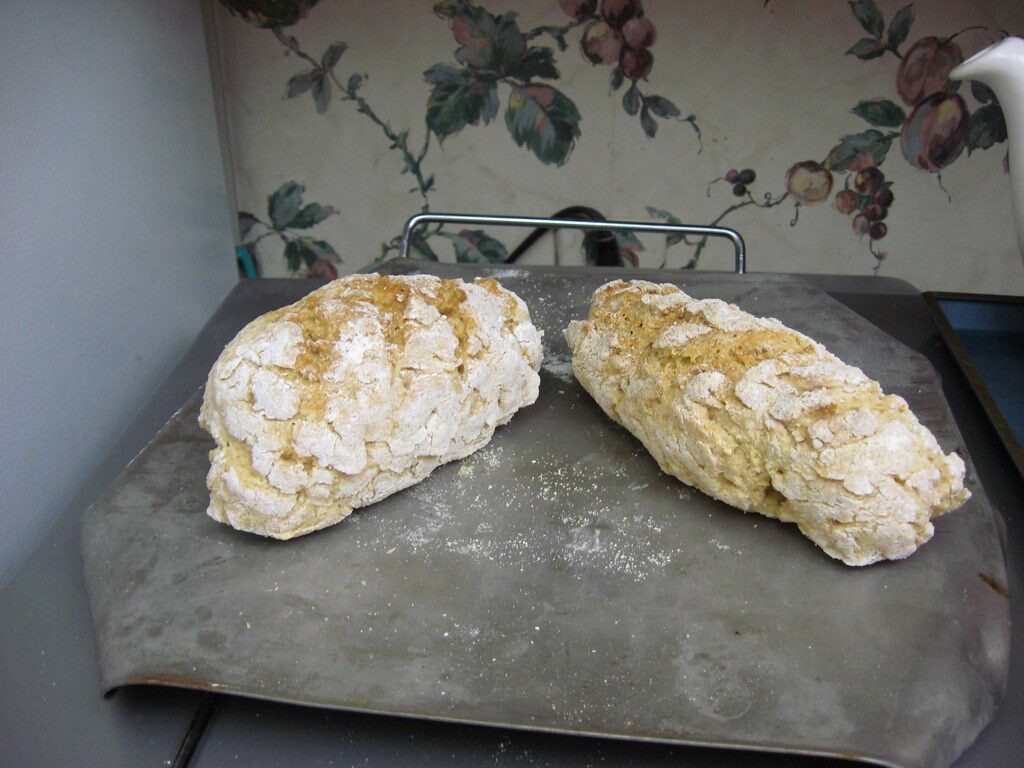
One of the most significant items of trade in Russian prisons was bread, and prisoners would sometimes dry the remaining black bread into crackers to keep it for longer. Prisoners in Chita and Petrozavodsk kept crackers in cloth bags for later, when they were served tea or soup. Crackers were particularly helpful during prison transfers, or этап (etap), as they were called, because the journey might be rough and the rations were often inadequate. In some cases, when prisoners had additional ingredients, they added salt, garlic, or bouillon cubes to the crackers. It started as a survival technique, but it eventually became a familiar aspect of Russian prison cuisine.
11. Sugar Fried Bread

Sugar was also a valuable item of the prison trade, and was occasionally concealed for special occasions. In prisons from Ryazan to Barnaul, prisoners sometimes fried bread in oil and sprinkled it with sugar, making a rare sweet snack. Inside most prisons, desserts were virtually unheard of, and simple treats were psychologically significant. Some prisoners referred to these sweet fried bread pieces as a reminder of childhood or family life outside the walls of prison. It was simple to make, but it was so different from the salty soups, porridge, and black bread that were a staple of everyday Russian prison meals.
12. Mivina Mash

Instant noodle mash dishes were originally linked to Ukraine, but after the cheap packaged noodles flooded the markets of the post-Soviet states, the dishes spread throughout Russian prisons. In the detention centres in Belgorod and Voronezh, the inmates were pulverising noodles into powder and adding hot water, garlic, onions, and canned meat. The resulting thick mash was filling, inexpensive, and simple to make with minimal resources. Other cells created their own special variations, including processed cheese or dried fish. The noodle meals were a symbol of the economic difficulties that defined prison life in the 1990s and early 2000s.
Food inside Russian prisons often carried meanings far beyond nutrition. Certain ingredients reflected status, connections, or access to family support. Prisoners with regular food parcels from relatives in Kursk, Tver, or Astrakhan usually had better diets than inmates without outside help. A can of meat or a packet of coffee could become a form of currency. Meals were often shared strategically, reinforcing friendships, alliances, and prison hierarchy in environments where social structures mattered deeply.
13. Prison Pizza

Prison pizza was more of a pizza than it was a pizza, but it was a creative blend of bread, ketchup, sausage, cheese, and noodles cooked on makeshift surfaces. It was popular in prisons near Tambov and Vladimir, and was a way for prisoners to make familiar foods with the limited supplies available to them. Some prisoners wrapped soft bread in mayonnaise and canned meat and then heated them near the radiators or kettles. There were many different recipes for prisons, but all had the same goal: to make something out of institutional ingredients that resembled normal life. In the post-Soviet era, pizza in prison was particularly linked to younger prisoners.
14. Buckwheat and Onion Mix

Buckwheat was inexpensive, nutritious, and stored easily, and was a staple food in Russian prisons. In the penal colonies of Kemerovo and Ivanovo, prisoners cooked onions in small quantities of oil and added them to cooked buckwheat. The onions provided some welcome flavor and texture to otherwise unappetizing prison fare. Buckwheat was long linked to Russian working-class food, and many prisoners linked it to army service, factory canteens, or childhood meals. Former inmates still talk about buckwheat as the taste that is most associated with their time in prison.
15. Tea and Black Bread Breakfast

A very common Russian prison fare was tea with slices of black bread. This small breakfast was a staple of daily prison life for generations of prisoners in detention centers in Smolensk, prisons near Kirov, and remote camps in Siberia. The bread was sometimes spread with margarine or dipped in hot tea to soften it. The meal was simple, but it was a good indication of the general life of Russian prisons: monotonous, Spartan, and based on endurance. The aroma of a good, strong cup of tea can trigger memories of prison life for many ex-prisoners.
How did you like this guide to Russian prison food? Did you ever try any of these dishes? Feel free to share your thoughts and experiences in the comments below.
Like it? Pin it.
