
Tatar food is a tasteful expression of the cultural diversity of the region influenced by Turkic, Russian, Central Asian, and Islamic cuisines based on centuries-old traditions, mixing heavy, peasant food with light pastries and desserts. It’s a cuisine highly associated with hospitality as it is normally prepared in large portions and is normally accompanied by strong tea. Tatar meals can be found everywhere Tatar people live, from a village table to a city cafe in Kazan, and in this article, we’ll introduce you to some of the most popular Tatar dishes.
Appetizers
We start off this list of the best Tatar food with a few delicious local appetizers.
Kazylyk


Kazylyk is a classical Tatar sausage of dried horsemeat, with a lean, deep, and slightly sweet taste, whose preparation involves the selection of horsemeat, usually the rib or back, intensively salted and flavoured with garlic, pepper, and sometimes cumin or coriander. The meat is then filled into cleaned intestines and tied up before being hung out to air dry. Depending on the weather, the drying might last several days to several weeks until the sausage is firm and can be sliced. Kazylyk is consumed at celebratory events, weddings, and other special events and is commonly cut into thin slices with pickles, raw onions, and fresh herbs.
Salad Makhebet


Salad Makhebet, also known as Tatar layered salad, is a dish with a colorful display that often decorates a festive table with its bright look and fresh flavor. Its bottom layer is usually a combination of boiled potatoes, carrots, eggs, and peas, with some tender beef tongue, all cut into small dice and smeared with light mayonnaise or sour cream to cement the taste.
Each layer is flavored with a bit of salt and a pinch of pepper, and at times fresh herbs such as dill or parsley. Salad Makhebet is rather balanced with its creamy yet crunchy bite and is usually prepared several hours before serving. The salad is regularly prepared on family occasions and during Eid as a lighter accompaniment to a meat-based meal, and yet one that is still filling and satisfying.
Dolma

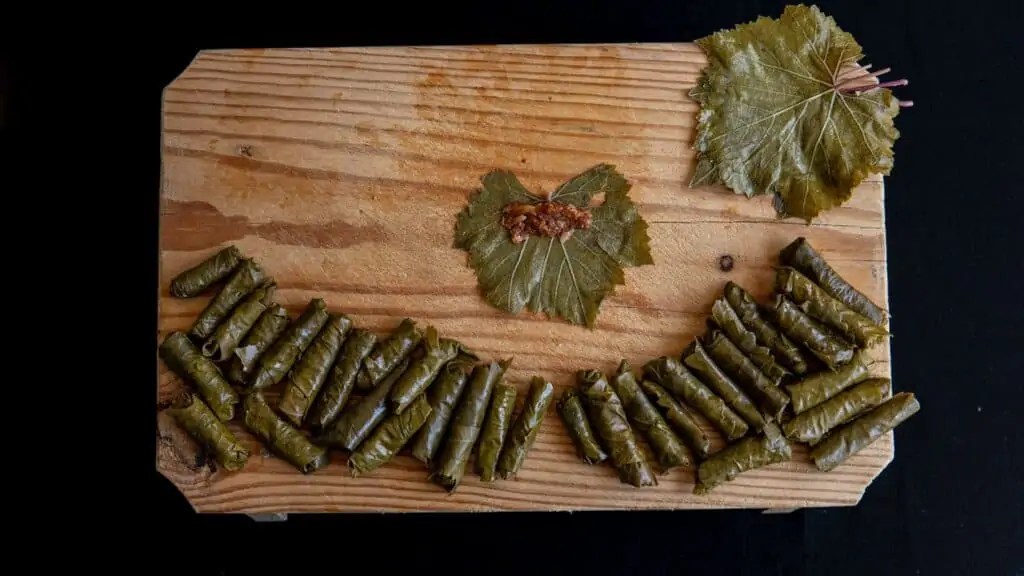
Although dolma is common in both Turkic and Caucasian cuisines, it is a favorite in Tatar kitchens. If you’re not familiar with the dish, it consists of rice, minced lamb or beef, onions, and herbs stuffed into grape or cabbage leaves. The mixture is filled and carefully spiced, usually with salt, black pepper, dill, and a touch of garlic, before wrapping it in the leaves and slowly simmering it in a light broth or tomato sauce until tender.
The final result is a soothing, tasty snack with a mild acidity of the leaves and the richness of the filling. It’s usually served as a part of a multi-course dinner or as a casual snack dipped in bread alongside a cup of tea.
Shorba


Shorba is a soothing Tatar soup, which is most popular during the cold winters. It has a characteristic thick texture and consists of a clear broth prepared by boiling lamb, beef, or chicken bones with carrots, potatoes, onions, and occasionally tomatoes, seasoned with salt, pepper, bay leaves, and fresh herbs such as dill or parsley.
The long simmering brings out the rich, meaty taste without making the broth heavy or unhealthy. Shorba may contain pieces of soft meat and vegetables and is, therefore, a soup and a light stew, perfect for an appetizer. It’s usually accompanied by fresh herbs, a wedge of lemon to add a light acidic flavor, and may include a spoonful of sour cream, which adds creaminess and richness.
Potato Tartare


Potato Tartare is a delicious dish that uses potatoes to form the foundation; boiled potatoes are diced finely, or lightly mashed and mixed with finely chopped pickles, onions, fresh herbs, and occasionally a bit of mustard or sour cream to add creaminess and tanginess. The mixture is seasoned with salt and pepper and is formed into tidy rounds or quenelles, and small bits of smoked fish or caviar may be added occasionally. Potato tartare is usually served cold or at room temperature and is often accompanied by black bread or crisp rye crackers.
Kaklagan Kaz


Kaklagan kaz is a traditional Tatar delicacy of smoked or air-dried goose meat (Kaklagan is a method of drying or smoking of meat, which is used to preserve it and enhance the flavors). Goose meat, which is rich tasting and firm textured, is well seasoned and slowly smoked or air dried, and has a deep smoky odour and slightly chewy consistency.
The preservation technique dates back to the nomadic times, where drying or smoking meat was the only way to store meat over long periods of time, particularly during the tough winters. Kaklagan kaz is generally prepared in thin slices and served cold as a component of celebratory spreads along with other cured meats, pickles, and bread.
Breads & Pastries
Breads and pastries are a crucial part of Tatar cuisine, and in this section, we’ll present the most popular dishes from this category.
Banash


Banash is an old Tatar bread prepared by kneading soft dough of flour, water, salt, and occasionally a hint of oil or milk, and rolled out into broad, thin flattened pieces. The dough is fried on a dry griddle or a lightly greased pan until it turns brown and yet soft and pliable to be ripped apart by hand. Banash can be served warm and occasionally with a brush of melted butter, accompanied with tea, soups, or just on its own, cut into wedges, and topped with cheese, honey, or kaymak (clotted cream).
Katlama


Katlama is a popular Tatar multilayered pastry, with a crispy and flaky outside and soft inside. The dough, consisting of flour, water, salt, and occasionally a touch of oil, is rolled very thin, and then brushed with melted butter, folded, and rolled several times to form the light layers. Katlama may be made plain with a sprinkling of salt as a savory snack or with minced meat, onions, and spices as a more substantial dish. After layering, the dough is either pan-fried or baked to a golden crisp, and with every bite, one gets the satisfaction of a crunchy bite and the buttery, flaky layers inside.
Yantiq


Yantiq is a lighter version of cheburek, prepared by stuffing a thin and unleavened pastry with a savory filling of minced meat (usually lamb or beef), finely chopped onions, salt, and pepper. In contrast to cheburek, yantiq is not deep-fried and is cooked on a dry griddle, which makes its surface crispy but slightly less greasy. The filling is covered with the dough, pressed along the edges, and is cooked till it gets golden spots and the meat inside is cooked softly, remaining juicy and tender. Yantiq is usually served piping hot out of the griddle with hot tea or ayran, and may be found on street stalls as well as at family gatherings.
Kystyby


Kystyby is a soothing Tatar bread recipe stuffed with creamy mashed potato filling. It’s a thin, soft, tortilla-like flatbread cooked on a dry griddle until lightly browned but pliable, and then covered with hot, buttery mashed potatoes seasoned with salt and black pepper. The bread is then folded over the filling to form a warm, soft pocket that is easy to hold and very satisfying to eat. Kystyby is usually eaten at family breakfasts, at a celebratory meal, or even as a traveling snack, which indicates its versatility in the life of the Tatars.
Chebureki


Chebureki is the ultimate food adventure of Eastern Europe and Central Asia– it’s basically a pastry/pie, deep-fried and stuffed with a succulent meat filling with an aroma capable of luring you from miles away. In its essence, Chebureki is a deep-fried turnover similar to burek, Karjalanpiirakka, and samsa with a filling of minced meat (often lamb or beef), onions, and various spices, enveloped in a thin dough. Kind of like an Eurasian version of the empanada. The filling is juicy, and the outside is perfectly crispy.
Eleş


Eleş is a beloved Tatar baked pie with a soft, slightly crumbly crust, filled with savoury meat and potato filling. The dough is usually prepared using flour, butter or margarine, some sour cream, and some baking powder, which gives a soft, golden crust on baking.
The filling is a mixture of finely chopped lamb or beef with diced potatoes and onions, flavored with salt and pepper to bring out the natural flavor of the ingredients. The eleş are shaped into small, round or oval-shaped pies, sometimes a small hole is left at the top to allow steam to escape during baking, to allow the filling to be juicy and the crust to turn a golden color.
Enjoying this post? Then you may also be interested in our guide to Bulgarian food.
Echpochmak


The name of this signature pastry is echpochmak, which means triangle in Tatar, a nod to its unusual shape. The filling is very robust, a combination of finely chopped lamb or beef, potatoes, and onions seasoned with salt and pepper, and is rolled out and filled in the dough, which is usually made of yeast or simple enriched dough.
The dough is then folded into a triangle with a small opening in the center to release the steam, and this enables the cook to add a splash of broth halfway through the baking process to make the pastry more juicy. Echpochmak is commonly oven-roasted until the crust is golden brown and the filling is soft, thus producing a savoury pastry that is crisp on the outside and rich and juicy on the inside.
Gubadiya


Gubadiya is a popular Tatar celebratory pie, traditionally cooked on special occasions like weddings and other important celebrations. The pie has several layers, including rice, raisins, dried apricots, chopped hard-boiled eggs, meat (lamb or beef), and occasionally sweet cottage cheese, all enclosed in a rich yeast dough crust. All the layers contribute to a distinctive flavor and texture, with savory, sweet, and a bit tart notes.
The rice gives a soft, somewhat sticky base, the raisins and apricots give sweet hits, the eggs give creaminess, and the meat gives savory meatiness. The dough is tenderly rolled and folded and formed into a round pie that, after baking to a golden perfection, gives a festive and impressive centerpiece.
Kołduny


Kolduny are small and tender dumplings, traditionally made by wrapping a thin dough around a juicy filling of minced lamb or beef with finely chopped onions, shaped into small parcels, like pelmeni, but usually with a juicier filling. Some variations include dunking the dumplings into a cold broth or butter to make them juicier. The dumplings are boiled to tenderness or pan-fried lightly in order to develop a thin, crisp crust on the outside, but leave the inside soft. They are generally served hot with sour cream or melted butter.
Main Course
Now, we’ve gotten to the meat and potatoes of this article, both literally and figuratively.
Pilaf


Pilaf, or plov, is another Tatar favorite, a delicious dish prepared using rice, soft pieces of lamb or beef, carrots, and onions. It starts by frying meat and onions in oil, with grated carrots on top, followed by rinsed rice on top, and the whole thing is steamed without stirring to retain the structure of the rice and infuse it with savory meat juices.
The pilaf is usually made on festivals, marriages, and family feasts, and is often cooked in huge kazan pots so that the rice can have a lightly crisped bottom layer that many love. It’s served on big dishes and may be accompanied by fresh salads or pickled vegetables.
Shavia


Shavia or shavlya (in other parts of the country) is a Tatar rice stew that can be described as a mixture of a soup and pilaf. It starts with broth made by browning lamb or beef and then adding water to make a light broth, and finally, the rice is added and simmered until the grains are tender but firm and have absorbed the flavors of the meat and the vegetables. Shavia is wetter than pilaf, and has a soupy texture, making it perfect for the colder winter months. The stew is usually served alongside slices of black bread or banash to absorb the tasty broth.
Are you a fan of Russian cuisines? Then you may also like our guides to
Belish


Belish is a Tatar deep-dish pie that is famous among its people due to its rustic, hearty filling and crispy golden crust. It is normally stuffed with a hearty stuffing of diced lamb or beef blended with potatoes and onions, simply flavored with salt and black pepper, to permit the natural flavors of the ingredients to come through.
It is the flour, butter, and a little sour cream or milk dough that is used to make a firm but delicate shell that can accommodate the abundant filling. Belish is made round or oval, with edges folded over, and it is left with a small hole on the top to pour in broth when baking to make the filling juicy and the crust obtain a golden tint.
Lamb Shashlik


Lamb shashlik is a national Tatar party dish, a way for family and friends to gather around the smoky flames of the grill. Lamb meat pieces, which have been marinated in onions, vinegar, black pepper, and sometimes a little oil and herbs, are threaded on skewers and grilled over hot coals until it is charred outside and juicy inside.
The marinade not only tenderizes but also adds a subtle tang and a deep, aromatic quality that complements the lamb’s richness perfectly. Shashlik is usually enjoyed with thinly sliced raw onions dressed with vinegar and herbs, fresh bread, and alternative pickled vegetables to alleviate the fattiness of the meat.
Ukha


Ukha is a transparent fish stew, traditionally prepared with freshwater fish, like pike, perch, or carp. Ukha starts with a simmering up of fish heads, trimmings, and bones, to make a clear, rich broth, usually flavored with bay leaves, black peppercorns, and onions. After straining, fillet of fish, potatoes, carrots, and in some cases tomatoes are added and simmered until tender without clarifying the broth.
Just before serving, fresh herbs such as dill and parsley are scattered over, and a wedge of lemon may be included to brighten the dish. Ukha is served hot with black bread, and it is warm and soothing and yet light and refreshing, particularly during the low temperatures.
Kartoflaniki


Kartoflaniki are small Tatar potato pancakes with a crispy outside and a soft and savory inside. Mashed potatoes are mixed with flour, eggs, and a pinch of salt, the mixture is formed into small balls or ovals, and lightly dusted with flour before frying. They are fried in a pan until golden brown, and they get a crispy crust on the outside and soft and fluffy on the inside.
Some versions have a meaty filling, such as sautéed onions, mushrooms, or minced meat added in amongst the potato mix for extra depth of flavour. Kartoflaniki are usually served hot with sour cream or a fresh salad, making them a good meal on their own or on the side.
Beshbarmaq


Beshbarmaq is a classic dish among the Turkic population, including the Tatars, that is renowned due to its filling and shared character. Its name is derived from the five fingers in memory of the traditional method of eating it, with the hands. It’s made of boiled meat (usually lamb, beef, or horse meat) that is served on top of broad flat noodles.
The meat is then cooked at a low temperature until tender. These noodles, referred to as kesme, are homemade and prepared separately before they are stacked under the meat. Onions are frequently sautéed and put on top or on the side, and they may even be soaked in meat broth to add flavor. It is traditionally a communal dish served on one large platter to underline the values of hospitality and unity.
Manti

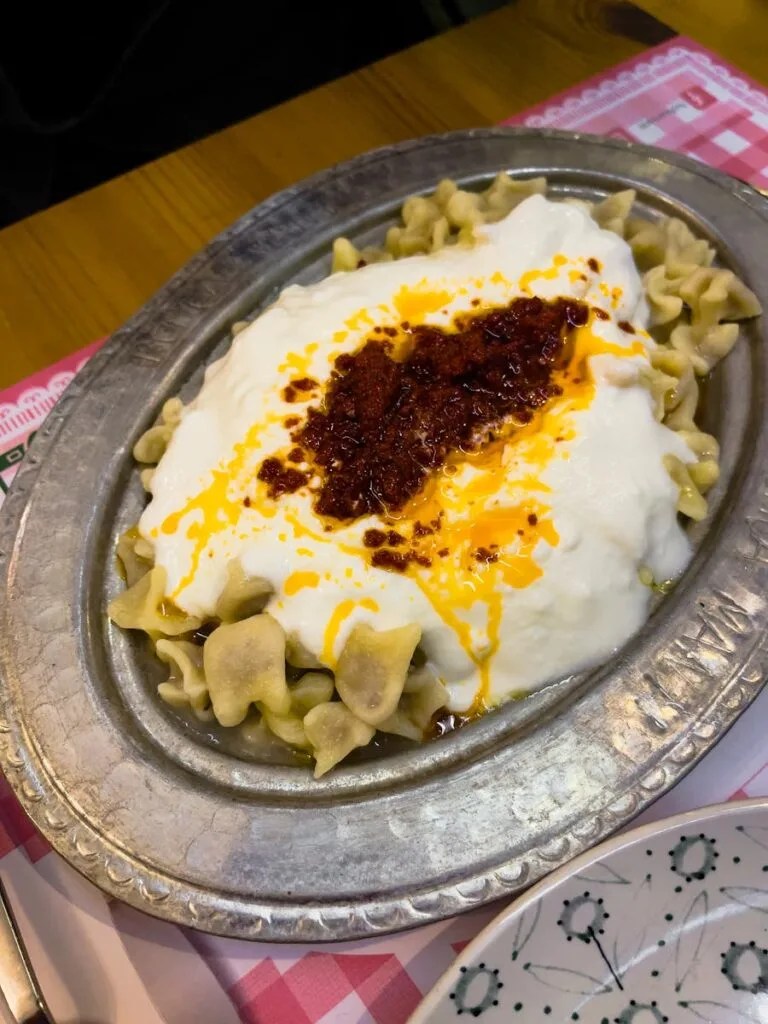
Manti are Tatar steaming dumplings which are usually stuffed with ground lamb or beef and mixed with onions and spices. The dough is rolled out, squared, and filled with the meat mixture, folded into small parcels usually with a folded top. Tatar manti is steamed, which makes its dough very soft and tender in contrast to the juicy, spiced meat inside. They may be topped with sour cream or a garlic-yogurt sauce and garnished with fresh herbs such as dill or parsley.
Desserts
Next, we continue this list of Tatar food with some sweet treats from the region, starting with…
Chak-Chak


Chak-Chak is a legendary Tatar dessert popular for its golden crisp and the natural sweetness of honey. It’s prepared by kneading a soft dough of flour, eggs, and a little salt, rolling it out, and cutting into small shapes in the form of thin noodles or small pillows. These are deep-fried until golden in color; the result is a crisp but light texture.
The dough is fried and then stacked in a heap or molded into shapes and abundantly covered with piping hot, aromatic honey syrup, which holds the pieces together as it solidifies and produces a shiny, sticky surface. Chak-chak is typically cooked up as an addition to the wedding, Eid, or any other celebratory occasion.
Talkysh Kaleve
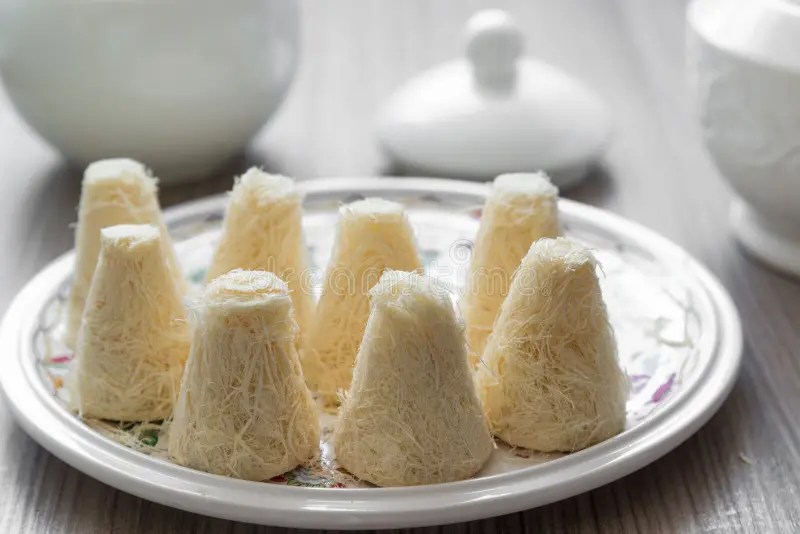
Talkysh Kaleve is a finely-textured and melt-in-the-mouth Tatar sweet that has a special taste and smooth sweetness. It usually comes in the form of small cones or pyramids and is prepared with flour, sugar, honey, and butter, forming fine strands of sugar that are stacked together in soft, fluffy clusters. Sugar and honey syrup are brought to the correct temperature, then pulled and layered with flour quickly to form light threads.
After being formed by hand into the usual cone shapes, which look like little tufts of cotton, these are carefully dried. Traditionally, Talkysh Kaleve is served at weddings, Eid, and other special family occasions as it is believed to be a sign of purity and abundance, as it looks like a cloud in white color.
Burma


Burma is a beautiful and tasty local sweet, which is made of layered and spiraled pastry with sweet or nut fillings; thin slices of dough rolled with a filling, twisted or coiled, and baked until golden brown. It’s a thinly rolled dough comprised of flour, water, and a pinch of salt, and topped with melted butter and crushed nuts (usually walnuts or hazelnuts) combined with sugar to sweeten and add crunch. The pastry is then baked until crispy and aromatic; it can be drizzled with honey syrup to add more moisture and a shiny appearance.
Pirog Smetana


Pirog Smetana is a creamy Tatar cake, which takes sour cream (smetana) and shapes it into a dessert. It’s a pie-like cake with a tender buttery crust of flour, butter, eggs, and sugar, which forms a soft yet firm foundation. The filling is a rich combination of sweetened sour cream with sugar and sometimes thickened with eggs and a hint of vanilla to make it custard-like in consistency during baking.
Other options are a thin layer of fruit preserves or fresh berries under the sour cream layer, which adds a mild tanginess to the creamy filling. Pirog Smetana is usually baked until the edges become golden and the center is softly set, which makes it melt-in-the-mouth, comforting, and elegant.
Drinks
Last but not least, we conclude this list of the best Tatar food with a few local drinks.
Sherbet

Tatar Sherbet is a sweet, aromatic beverage that is consumed during festivities. This liquid refreshment, unlike Western sorbets, is made by infusing water with sugar, fruit juices, and occasionally with a floral or spicy touch, like rose water, mint, or cardamom. It can be served cold and offers a nice balance to heavy food and dense pastries. Sherbet may have mixtures such as lemon and honey or cherry with a touch of cinnamon or apple and mint, and each of them adds a touch of brightness to the table.
Ayran


Ayran is a Turkish dairy drink that consists of salty, delicious yogurt frothed up to perfection. The traditional ayran recipe is quite simple, requires only 3 ingredients (yogurt, water, and salt), and can be done in only a few minutes.
Most non-Turkish people consider ayran to be a summer drink because it’s refreshing and savory, but most locals know that ayran is not a seasonal drink. People in all Turkic countries (Azerbaijan, Kazakhstan, Kyrgyzstan, Turkmenistan, Turkey, Uzbekistan), as well as the Middle East and the Balkans, drink ayran throughout the year.
Tatar-Style Tea

Last but not least, we conclude this list of the best Tatar food with Tatar-Style Tea, a drink, but also a ritual of warmth and hospitality that takes center stage at most Tatar get-togethers. A small pot is usually used to brew the strong black tea, making a concentrated infusion that is poured into cups and then diluted with boiling water to the liking of the drinker.
It’s usually served with sugar cubes or lemon slices or even homemade jams so that everyone can make their tea to their preference. Tea is usually accompanied by a table of sweets, including chak-chak, talkysh kaleve, or sweet crepes. Tea drinking in Tatar homes is a common practice after meals and gives people a chance to relax and bond.
How did you like this guide to Tatar food? Did you ever try some of these dishes before? Feel free to share your thoughts and experiences in the comments below.
Like it? Pin it.

