
If you’re fond of Eastern European cuisines you may have come across the name placinta before. In its essence, placinta is a pastry but in reality it’s so much more than that. It’s one of the most versatile dishes to originate from this parts of the world and in this article, we’ll introduce you to the traditional placinta recipe and teach you everything there is to know about this delicious snack.
But first things first…
What Is Placinta?


Placinta is a heavy, delicious pastry originating from the rural areas of Romania and Moldova. It might have a humble appearance but don’t let this fool you; this pastry has more layers and although it may not look like it on the surface, it comes in a variety of tasty fillings, including brinza (hearty cheese), varza (cabbage), apples and raisins, or even potatoes.
It’s somewhat similar to syrniki (Russian pancakes) lefse (Norwegian pancakes), Karjalanpiirakka, and banitsa (Balkan pastry) but on the other hand, it’s also quite different from the above mentioned dishes, mainly due to its filling and texture. Placinta is an important part of Romanian/Moldovan culture and heritage even today and can often be spotted at the family dinner table in most special occasions.
Origin & History


Believe it or not, this dish has its origins in Ancient Rome, as it can be observed by its name, which in Latin translates to “flat cake”. Ancient Greeks also made something similar with with olive oil, herbs, and cheese, so yeah, placinta has been around the block longer than most other dishes out there. Over times, it evolved from a simple flatbread to one filled with a variety of fillings and toppings and even became a crucial part of the region’s heritage.
Placinta Recipe Variations


Now that we covered some basics, let’s see which are some of the most popular variations of the placinta recipe.
Regional Variations:
Maramureș: in the northern part of Romania, placinta usually has a filling of fresh cheese and a sprinkle of sugar on top.
Moldova: In Moldova, the placinta is a bit thinner, often filled with brânză (cheese) and a cheeky dollop of sour cream on the side.
Bucovina: In the region of the Eastern Carpathian, plăcintă is often paired with borscht.
Variations by Ingredients
Plăcintă cu Brânză: is filled with smooth, creamy cheese and local herbs.
Plăcintă cu Mere: is basically a placenta filled with spiced apples in a dish that feels like a bite of Autumn.
Plăcintă cu Cartofi: is a placenta with an earthy allure of potato which makes for a hearty stuffing, and often spiced with onion and pepper.
Plăcintă cu Dovleac: is a seasonal treat stuffed with sweetened pumpkin, usually eaten around Christmas.
Preparation Tips


The Right Flour Matters: this is the foundation of your plăcintă- go for a high-quality, all-purpose flour and it should be fine.
Water Temperature: Your water (for the yeast) shouldn’t be too cold, and it should be not too hot
Resting Time: Give the dough enough time to relax and rise, ideally in a warm spot. Be patient with it.
Rolling: Aim for achieving thinness without compromising strength.
Choosing Fillings: Whether you choose cheese, an apple, or a potato filling, ensure your fillings are neither too wet nor too dry.
Are you fond of Romanian cuisine? Then you may also like our trdelnik recipe.
Serving


Accompaniments: While placinta is usually a stand-alone dish, pairing it with a dollop of sour cream or a sprinkle of powdered sugar, depending on the filling, is always a great idea. You can also combine it with other lighter dishes, like sarma, or a vegetable spread (like zacusca) and a green salad.
Meal Time: Breakfast? Absolutely, it’s actually a typical breakfast dish. It can also be a midday snack with a cup of coffee or it can participate in your lunch with other Romanian main course dishes. Dinner? Why not! Locals aren’t too picky about the time; they appreciate its presence at the table.
Drink Pairings: For the sweet placinta versions, a robust black tea, a sour yogurt, or a frothy cappuccino, are good options. If you’re having the savory version, perhaps go for a glass of kompot, a crisp white wine or a cold beer.
A Few Things You May Need
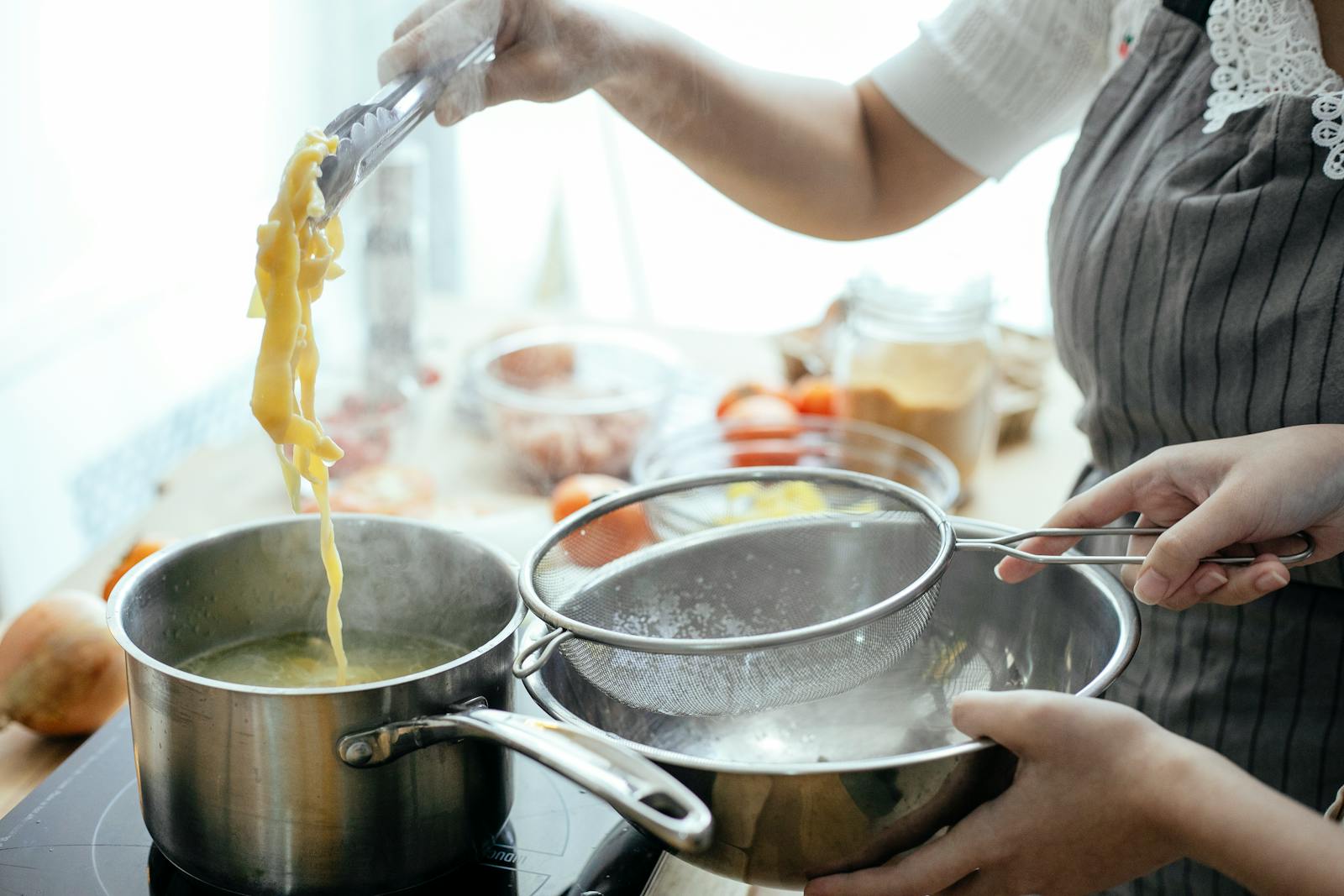

Mixing Bowls


Baking Tray


Rolling Pin
Placinta Recipe


In this article, we’ll introduce you to the traditional placinta recipe and teach you everything there is to know about this delicious snack.
Ingredients
Dough:
- 500g all-purpose flour
- yeast
- 200ml warm water
- 2 tbsp sunflower oil
- 1 tsp salt
- 1 egg (for brushing the top, optional)
Filling:
- 500g fresh cheese (like feta or ricotta)
- 2 eggs
- 1 bunch fresh dill, finely chopped
- Salt and pepper to taste
Instructions
- 1. Dough: Mix flour, salt, oil, and warm water in a large bowl. Knead until you get a smooth, elastic dough. Divide into smaller balls and let them rest, covered, for about 30 minutes.
- 2. Filling: In another bowl, combine cheese, eggs, dill, salt, and pepper. Mix until everything is well combined.
- 3. Roll out each dough ball into a thin, round shape. Place some filling in the middle, then fold the dough over, sealing the edges tightly.
- 4. Preheat the oven to 200°C (390°F). Place the filled pastries on a baking sheet lined with parchment paper.
- 5. Brush the top with a beaten egg for a golden finish.
- 6. Bake in the preheated oven for about 25-30 minutes or until they're golden brown.
- 7. Serve alongside a beverage of choice and enjoy.
Nutrition Information:
Yield:
10Serving Size:
1 servingAmount Per Serving: Calories: 320Total Fat: 12gSaturated Fat: 5gTrans Fat: 0.3gUnsaturated Fat: 4gCholesterol: 52mgSodium: 410mgCarbohydrates: 42gNet Carbohydrates: 42gFiber: 2gSugar: 1gProtein: 12g
How did you like our placinta recipe? Did you ever try placinta? If you tried making this recipe at home, don’t forget to leave us a rating and if you have any questions, feel free to ask us in the comments.
Like it? Pin it.


Ron
Thursday 16th of October 2025
Where do you put the yeast ?
Daniel Kiteski
Monday 10th of November 2025
in the flour mixture