
Romanian Christmas food is a feast of plenty, tradition and family. The dinner table unites the coarse meats, warm stews, freshly baked bread and various sweet desserts which are representative of centuries old traditions. Each dish has its meaning regardless of whether it is pork which is cooked in multitude of ways following the traditional pig slaughter or cozonac, the sweet bread that no Christmas is complete without. This article will cover the main Romanian Christmas food and teach you all you need to know about the most famous local holiday food.
Appetizers
We start this list with the most popular Romanian Christmas appetizers, starting with…
Piftie (Pork Jelly)


Piftie is among the most classical Romanian Christmas cuisine. In its essence, it’s a savory pork-jelly prepared by boiling pig feet and ears, tails, and meat with spices and garlic till the broth becomes rich in gelatin. This is strained and poured into bowls, where shredded meat is put, and allowed to solidify in a cool place, until it becomes a hard, glittering jelly. Piftie is a rustic dish, served cold often with bread and pickled vegetables, though it is also a festive dish. In addition to the distinctive texture, piftie has a profound culture: it is a mark of rural ingenuity and respect to food in Romania because nothing is wasted.
Tobă de Casă (Homemade Pork Drum)


The pork drum or toba de casame is a cold cut that is prepared by boiling the head of the pig, his tongue, his skin, and even portions of his organs in a flavored broth, and then placing it in a large pork casing or mould filled with the gelatin of the cooking broth. When chilled, it becomes hard and cuts like terrine. Usually served plainly with onion or mustard, it is a meal that has its basis in thrift and ingenuity, not letting an inch of the animal go down the drain. Although this might sound strange to outsiders, it is a delicacy during the Christmas season and a representation of resourcefulness and bountifulness of the season.
Caltaboși (Romanian Sausage and Rice with Organs)


Caltaboși is a Romanian sausage variety commonly prepared during the season of Christmas using the pork offal (typically liver, lungs, and heart) and combined with rice, onions, and spices, wrapped in the natural pork casings. Cooked immediately after slaughtering the pig on the day of Ignat, the dish is a reflection of the Romanian philosophy of consuming all animal parts. After boiling, the sausages are sometimes lightly fried or roasted to add more taste.
They are generally cut and placed on feast dishes, on bread, mustard, and pickled vegetables. The most significant thing about caltaboisti is that its flavor is rustic and hearty, and that it is closely connected with the Christmas traditions because caltaboisti is often made at home instead of being bought in the stores.
Sorici (Pork Skin Crackling)


Sorici is prepared using the skin of the pig, which is washed, burnt, and salted following the Christmas pig slaughter, called Ignat. The finest sorici are those of the pig, and particularly of his ears or back, where the pig is slightly thicker in the skin, and it acquires an appetizing chewy texture. It’s simple and yet full of taste and can be found in the festive appetizer plates next to the cold cuts, cheese, and bread. Not every person is fond of it, but those who are fond of it consider it to be a real seasonal delicacy, which is best tasted with a glass of çuică (plum brandy).
Sheep’s Cheese (Brânză de oaie)


The cheese of sheep is a special dish on Romanian holidays, giving a rustic touch to the appetiser table. This is a mature cheese, which is usually salty and crumbly; it complements well with smoked meat, salamis, and fresh vegetables. It is usually served in hefty pieces on wooden boards during Christmas, with or without onions or tomatoes; a simple yet good combination. The cheese of sheep is closely related to the pastoral culture of Romania, particularly in such areas of the country as Transylvania and Moldova, where shepherding is a long-established mode of life. At the holiday table, it gives variety to the dishes that are mostly rich in meat.
Devilled Eggs


Another appetiser that is enjoyed by all of Romania is Devilled Eggs. They are very simple and yet graceful, and hold the weight of the cold cuts and meaty starters. It starts with boiled eggs that have been cut in half, lengthwise, and the yolk is crushed and blended with mustard, mayonnaise, a little bit of butter, and/or pate. This pasteurous mixture is then piped back into the egg whites, and it is usually served with paprika, dill, or slices of olives. Devilled Eggs are customarily presented on a platter together with salads and cured meats, and they vanish promptly due to their small bite-sized portions.
Salads
This guide to Romanian Christmas food couldn’t be complete without a few of the most popular Romanian salads…
Boeuf Salad


Boeuf Salad is a festive variation of the Russian Olivier salad, and one of the staples of every Romanian Christmas table. Although this is the name, most families replace beef with chicken, according to choice or supply. It is cooked by boiling potatoes, carrot, and peas and mixing them with diced pickled cucumbers and finely chopped meat. Then the entire mixture is covered with creamy mayonnaise that gives it a rich texture. The top is traditionally covered with pieces of pickled red pepper cut in patterns that add a splash of color to the holiday table. Boeuf Salad is chilled and served as an appetiser, and is often eaten in large quantities together with coarse bread.
Salată de Icre (Fish Roe Salad)


Despite its name, Cod Roe Salad is a light creamy spread made of cod roe mixed with sunflower oil, lemon juice, and occasionally a bit of semolina to give the spread some texture. The roe is beaten to a froth, much like a mousse, and lemon juice helps to cut the richness of the roe. They are usually served with olives, onions, or fresh parsley providing the dish with a decorative appearance appropriate to a holiday platter. It goes well with cured meat and cheese on rustic bread, and it is also a good addition to the otherwise meat-heavy platter, with its touch of the sea.
Murături de Casa (Home Made Pickled Vegetables)

Muraturi de casa, or homemade pickled vegetables, are jars made several weeks beforehand, filled with cucumbers, carrots, cauliflower, cabbage, peppers, and even green tomatoes, which have been fermented in brine with dill, horseradish, and garlic. These juicy, crunchy pickles are a must during Christmas, when they slice through the heaviness of sarmale, tobă, or tochiturra, which is heavily made of pork. They are typically presented in huge bowls so that everybody can share them, and this is refreshing and colorful to the festive table.
Romanian Mushroom Salad


Romanian Mushroom Salad is a healthy vegan dish that is cozy enough to include on the Christmas table. The salad is traditionally prepared of finely chopped mushrooms of champignon, which have been boiled or sautéed lightly and then combined with mayonnaise, lemon juice, and freshly crushed garlic. It’s the garlic that makes it sharp, cutting through the creamy bottom. Onions or dill may be added occasionally to add more depth of flavor. It’s served on slices of coarse bread, with plates of cured meats, or on cheese.
Soups
Next, we continue with our guide to Romanian Christmas food, with a few holiday soups, some are appetizers, some are main course dishes…
Ciorbă de varză cu carne de porc (Pork and Cabbage Soup)


Made using souerkraut or fresh cabbage cooked in a mixture with pork pieces, carrots, onions, and dill. Itќs often dressed with tomato paste and flavoured with lovage or thyme and provides a sour-sweetness depth to the palate following a rich appetite. It’s served hot and is occasionally accompanied by a spoonful of sour cream or chili peppers to spice it up. Although it is not as popular as sarmale, the soup is also a classical tradition, particularly in the areas where cabbage is the primary harvest.
Ciorbă de burtă (Tripe Soup)


Tripe soup is a famous Romanian dish that regularly appears on the Christmas table, made of beef tripe boiled until soft and cooked with carrots, celery, garlic, and occasionally sprinkled with a little vinegar to add a tangy flavor. The soup is a luxurious and cozy dish that is served hot with chili peppers and additional sour cream on the side. It’s certainly an acquired taste to some, but has a very strong role in Romanian cuisine, as many say it is the best hangover medicine, so it is particularly popular during the holiday season when people eat and drink heavily.
Meatball Soup (Ciorbă de perișoare)


A favorite dish in the Romanian Christmas is meatball soup, consisting of plump meatballs of minced pork (often with added rice and herbs) simmered in a tangy broth with the added flavor of vegetables, tomato paste, and bors (fermented bran of wheat liquid, which imparts a sharp sourness). Its light acidity is a great complement to the heavier and richer meals that are served during the holiday.
Ciorbama Radutceani (Chicken Sour Soup)


Those who consider tripe soup too strong can use ciorbă rădaucean as a light celebrative meal/starter. This soup was created in the Romanian town of Rădăuți, in the north, and is a softer variant of ciorbă de burtă made out of chicken breast instead of tripe, whilst preserving the same creamy, sour base, using garlic, vinegar, and egg yolks. It’s also served hot as a starter during the chilly December nights.
Ciorbă Pescareasa de Peşte (Fisherman Fish Soup)


Though the pork on Christmas tables is predominant, some families also eat ciorbă pescareasca de pe and in parts of areas near the Danube or the Black Sea. It’s a fish soup that used to be prepared with freshwater or saltwater fish, which is boiled with onions, peppers, and tomatoes, and flavored with vinegar or bors (fermented wheat bran liquid) for a slightly sour touch. Ciorbă pescareasa is not as widely known as sarmale or cozonac; however, it still enjoys its share in the Christmas menus of the region, balancing the heavy meals of pork with something much lighter and more full-bodied.
Tochitură Moldoveneacă cu Mamaliga


Tochitură Moldoveneasca is an immense stew of pork that is closely linked with Christmas festivities in Moldova, but also parts of Romania. Prepared using pieces of pork, sausages, or, in some cases, liver, the dish is stewed in lard, garlic, wine, and spices until all of them fuse into a delicious sauce. They are always accompanied by mama lighe (polenta), fresh cheese, and a fried egg on top, which makes one of the most satisfying Christmas meals. The food is healthy, farmhouse style, and it would suit cold winter nights when families unite after hardworking through the day in preparing food for the holidays.
Saramuria de Pește (Fish Brine Stew)
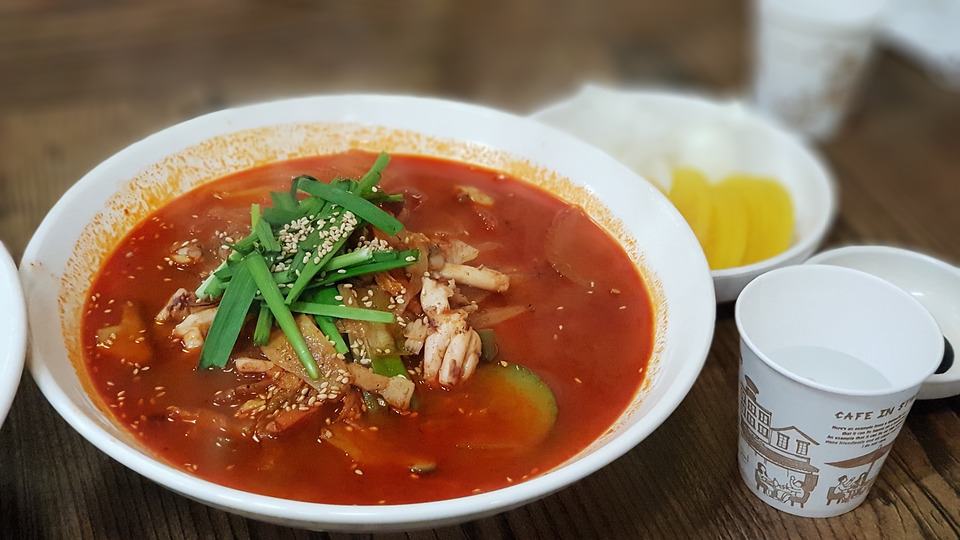

Another festive fish dish is saramur a de peshte, especially in the Romanian fishing areas. It is prepared by roasting fish, which can be carp, mackerel, or trout, and immersing it in a salty brine mixed with garlic, hot peppers, and occasionally tomatoes. The dish is hot and is normally served with polenta, which absorbs the flavorful broth. The salty, smoky, and slightly spicy flavor of it makes it an exception among the Christmas food, reminding all of the wide range of food traditions in Romania.
Breads & Pies
Next, no guide to Romanian Christmas food wouldn’t be complete without a few of the most popular celebratory breads, pastries, and pies.
Pâine de casă (Rustic Bread)


The silent hero of the Romanian Christmas dinner is the rustic bread. Almost all appetizers, be it salads, cured meat, or cheese, are perfectly matched with hearty, coarse slices of freshly-baked bread. The customary homemade baked bread is prepared during the holidays, usually in wood-fired ovens, thus bringing out a golden crust and a spongy bread with a smoky aroma. Families also pride themselves on making big loaves of bread, which can be braided or rounded in shape to be put in the center of the table. Bread, rather than food, is a symbol of the Romanian culture, which signifies hospitality, abundance, and blessings.
Alivenca


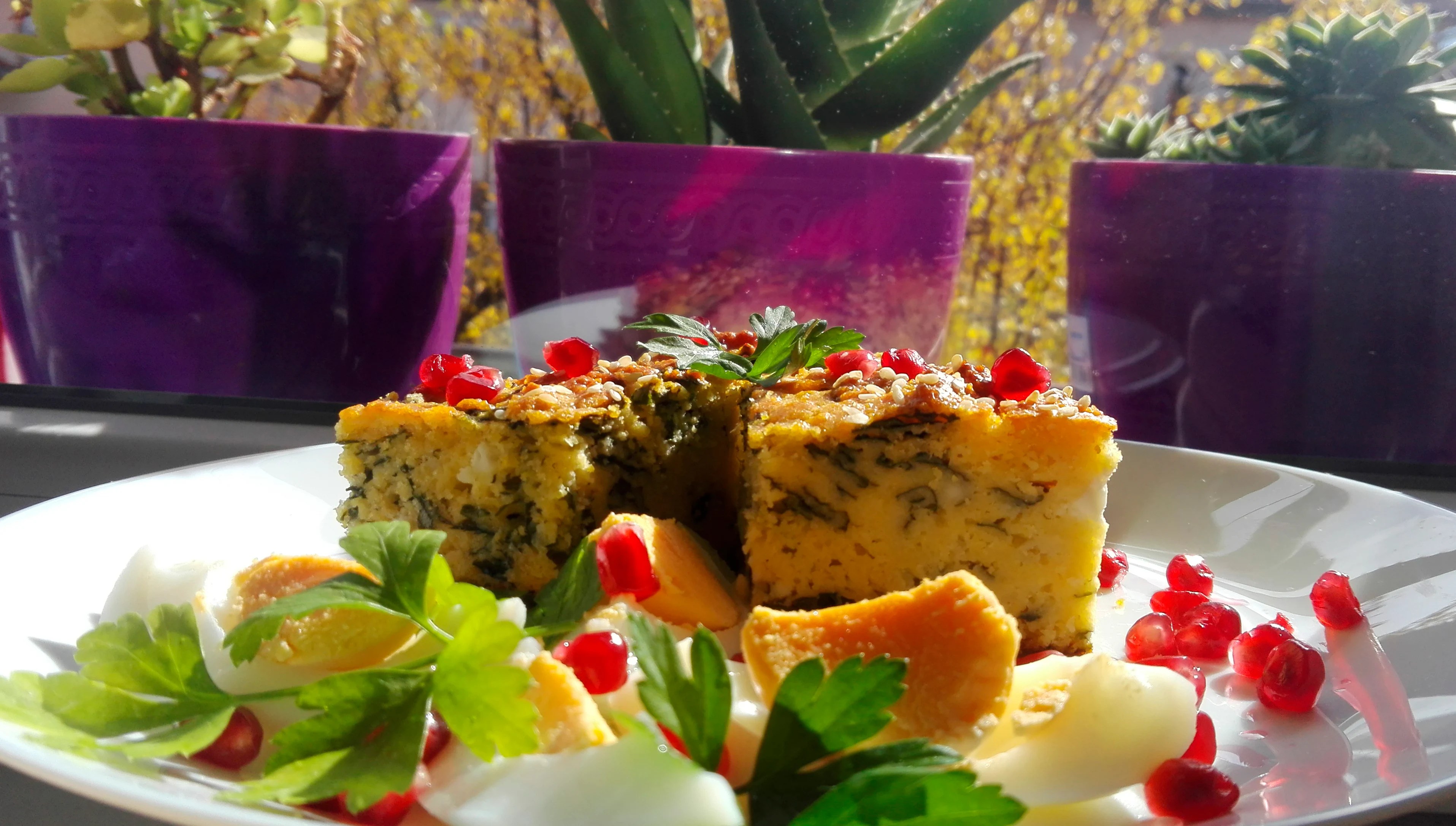
Alivenci is a classic Moldavian dish that is similar to a rustic Cornmeal pie or a cake. It is prepared using cornmeal, eggs, sour cream, and cheese (usually a combination of cow and sheep cheese), and baked until turning golden and a bit crispy on top. Alivenci is an ideal combination of savory and medium-tangy, which always takes the center spot at the Christmas table. There are families that prepare it as a warm side dish to pork roasts, and then there are those that serve it as a course on its own. It has a tender but substantial texture, a sort of homely rebuke of the countryside and home cooking.
Plăcintă cu Brânză (Cheese Pie)


Another favorite Christmas dessert is placinta cu Branza, but it can also be used as a snack dish, depending on the type of cheese one chooses to use. In the case of Christmas, it is often sweet, prepared of soft farmer-cheese, eggs, sugar, raisins, and all this wrapped in thin pastry sheets and baked to a golden brown. The outcome is a pie with a crispy exterior and a smooth, fragrant interior. It can be eaten warm or cold, dusted with sugar, and is a delight that makes people feel good and reminisces. Placinta cu branza in most Romanian families is cooked in large trays and sliced into huge squares before serving.
Cherdele

Cherdele are pastries made in Transylvania, particularly in the Bihor county. They are small and thin pies containing potatoes, cabbage, or cheese, which are fried or baked till golden. During the Christmas season, cherdele are usually made in large quantities to give to the guests and family members. Being rustic, they are a representation of peasant cuisine, which is simple food made into something warm and substantial. The most common, the potato-filled version is served with onions and black pepper, whereas its cabbage version is salty and tangy.
Enjoying this post? Then you may also like our guides to Bulgarian food, Serbian food, Macedonian food, Greek spicy food, and Albanian food.
Turte de Craciun (Christmas Flatbreads)


Turte de Craciun are thin and flat, based on unleavened bread that holds a great depth of meaning in Romanian Christmas culture. They are usually prepared during Christmas Eve and are associated with rituals that pre-Christian society had before adopting the custom of the holiday. These are humble-looking flatbreads that are made using flour, water, and salt, and then baked or fried. They are also piled up and drizzled with honey or crunched walnuts in certain areas representing key indicators of the coming year and good luck.
Main Courses
Now, we ve gotten to the meat and potatoes of this guide to Romanian Christmas food, both literatively and figuratively…
Sarmale


Sarmale is, perhaps, the one dish that can be used to characterize a Romanian Christmas. A savory pork, rice, and spice mixture is combined into these cabbage rolls, which have a full richness of often added smoked meats. The rolls are crammed into clay pots or very large pans, overlaid with the leaves of sauerkraut and smoked bacon, and slow-cooked through the hours in a tomato-based sauce. The end product is melt-in-the-mouth perfection, soft cabbage with a heavy filling inside, and tinged with smoky, tasty flavors.
Sarmale are traditionally accompanied with creamy polenta, a spoon of sour cream, and pickled hot peppers, and additional spice. Each family does it their own way, but the core is always the same that is, comforting, hearty, and celebratory.
Friptură de porc la cuptor (Baked Pork Steak)


Among the icons of the Romanian Christmas table is baked pork steak. It is usually made of a huge piece of pork, whether it is the neck, shoulder, or leg, which is marinated with wine, bay leaf, and spice, and then it is roasted slowly till it becomes tender and juicy. The roasting process will cover the house with tempting aromas, which will make it difficult to pass up waiting until the meal.
The meat is typically served with roasted potatoes, pickles, or sauerkraut to offset the richness of the meat. The pork steak is also culturally significant: the pork is always eaten during Christmas in Romania, when the pigs are slaughtered during St. Ignatius’ day (December 20). The plate is a direct carryover of that tradition, the symbol of plenty, and the delight of feasting after the fast of Advent.
Curcan umplut la cuptor (Baked Stuffed Turkey)


Though the Romanian Christmas meals are dominated by pork, baked stuffed turkey has replaced festive meals in some parts of the country. A savoury stuffing of rice, mushrooms, vegetables, and sometimes minced meat is usually put into the turkey and then roasted until the skin becomes golden and crispy. The stuffing also takes up the juices in the bird, creating a flavorful, moist interior, which is a pleasant contrast to the crunchy exterior.
Roasted potatoes, pickled vegetables, or a fresh salad are usually served with this dish to counter the richness of the food. Although it is more popular among urban families that are affected by Western culture, stuffed turkey has established its niche in the Romanian Christmas menu, representing diversity and a certain degree of sophistication.
Coaste de Porc (Pork Ribs)

Another favorite Romanian Christmas dish is coaste de porc, or pork ribs. The ribs are marinated in most cases with garlic, paprika, thyme, and occasionally honey, and after that, they are either baked or grilled until the meat becomes tender and the edges turn a bit caramelized. The final result is smoked, fattening, and packed with flavor ribs served alongside mashed potatoes, sauerkraut, or pickled vegetables. They are not necessarily supposed to possess the ritual character of such dishes as sarmale or tobă, yet they can be added to the Christmas menus as a kind of treat which everybody enjoys quite regularly.
Știuca Umplută (Stuffed Pike)

A festive fish dish is called știuca umplută, which represents the Romanian ingenuity in culinary. Pike, a thin freshwater fish, is deboned and filled with a tasty combination of its own minced meat, onions, garlic, bread that is dipped into milk, and fresh herbs such as parsley and dill. Walnuts or mushrooms are sometimes added in order to enrich it. The stuffed fish is then baked until golden, retaining its original shape so that it makes a beautiful display on the Christmas table.
Conventionally, it is cut down and served hot with polenta or cold on a platter as part of an appetizer. It is a labor intensive preparation, and that is why it is only used in special occasions such as Christmas. To Romanians who live close to rivers and lakes, the dish is synonymous with partying and plenty, something classy and new to the predominantly pork-centered meals.
Cighir Moldovenesc
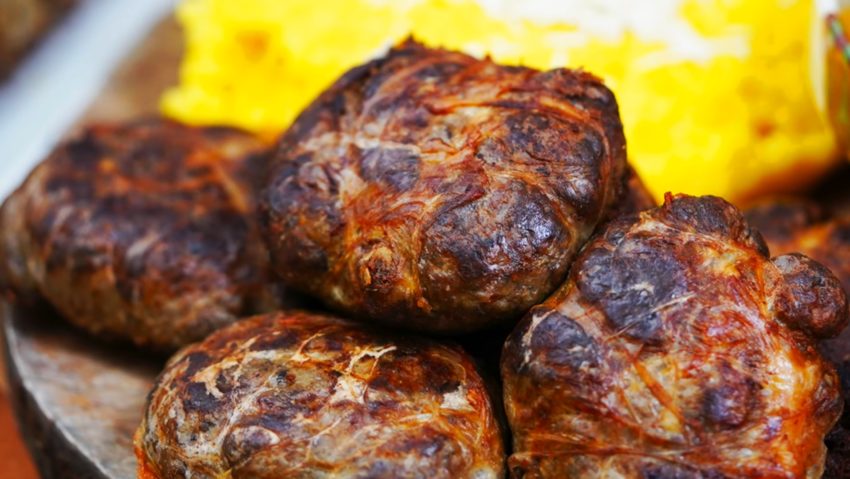
Another not-so-famous, yet widely popular Christmas dish is Cighir Moldovenesc. It resembles a bit of meatballs or patties, prepared out of minced pork blended with liver, heart, and lungs, and sweetened with garlic, onions, and herbs. It’s then rolled in caul fat and fried or baked to make a tasty and juicy meal with a crispy outside. Cighir is usually used as a hot starter or side-dish at Christmas feasts, a rustic, hearty cause of taste.
Desserts
Last but certainly not least, we conclude this guide to Romanian Christmas food with a few popular Romanian desserts…
Selecite de Pragituri de Casa (Homemade Cake Selection)

Romanians are very proud of their homemade cake assortment at Christmas, following the savoury meals. There is a low variety of dishes: lamăița (Snow White cake), Krantz, Albinita, Greta Garbo cake, poppy seed rolls, etc. Every family has their specialties, and recipes are usually written by hand in the old books and passed down the line through the grandmother, mother and daughter. The delight is due to diversity: smooth layers, crunchy textures, jam fruit, chocolate glazes, and aromatic spices are combined in a single dish. Visitors are even advised to sample it all, and no one walks away without something sweet.
Cozonac


The king of Romanian Christmas desserts is cozonac. It is a spongy, sweet bread that is prepared using a fluffy, enriched dough with swirls of cocoa, walnuts, raisins, or even Turkish delight. Cozonac is a special family recipe that can require hours of kneading and rising, and fills their homes with a pleasant and inviting yeast scent. At least one cozonac is a part of every Romanian table during Christmas, and recipes are the ones that are frequently handed down by generation. Its golden crust and marble interior can be seen as a symbol of abundance and celebration and hence it is the final holiday comfort food that is shared amongst family, friends, and neighbors.
Piftie Dulce (Sweet Jelly)

Although piftie is a savoury pork pate jelly, there are some places where festive sweet piftie is made on Christmas. It is a dessert prepared by pouring fruit juice or compote into gelatin, usually with bits of fruit like apples and pears or cherries. It’s served on ice and cut into fancy pieces, which is very refreshing after the other dense Christmas dishes. Sweet piftie is lighter textured in nature and is made bright enough to counter the heavy tastes of holiday meals.
Cornulete cu Gem (Jam-Filled Crescents)

Cornuletes are very delicate pastries that are crescent-shaped pastries that melt in your mouth, and are best served with a hot drink during Christmas parties. The dough is prepared using butter, sour cream, or lard, which gives it a flaky bite. They are traditionally stuffed with homemade jam, e.g. plum, apricot, or rosehip, but walnut paste is also sometimes used. Cornulețe are rolled into little crescents and sprinkled with a lot of powdered sugar, and are hard to resist in their simplicity. They are usually baked in large quantities by the families before Christmas, because they remain fresh even after a few days.
Prăjitura Albă ca Zapada (Snow White Cake)

Prăjitura Albă ca Zapada is a popular Romanian Christmas cake whose name translates to Snow White. It’s a pastry that is made of thin sheets that are alternated with a creamy filling prepared with semolina, milk, butter, and lemon zest. Once the cake is assembled, it is then left to rest for a day or two to allow the layers to get soft and the flavours to sink in. It’s topped with powdered sugar, and it looks like freshly fallen snow, hence the name. The combination of sweetness and refreshing citrus smell is particularly popular in the wintertime.
Salam de Biscuitti (Biscuit Salami)

Salam de biscuitti is a Romanian traditional no-baked cake, and is usually found at Christmas, particularly in families with children. It is made of pulverized biscuits mixed with cocoa, sugar, butter, milk, and occasionally rum essence, rolled in powdered sugar, and cut into the shape of salami. Sometimes chopped nuts, coconut flakes, or Turkish delight are added to add additional flavor and texture. The dessert is cooked quickly and does not need an oven, and it was particularly popular in the times when the Communist regime was present. It is still a holiday hit nowadays that is simple, nostalgic, and decadent.
How did you like this guide to Romanian Christmas food? Did you ever try any of these tasty dishes? Feel free to share your thoughts and experiences in the comments below.
Like it? Pin it.

