Romanian soups, also referred to as ciorbe and supe and are used daily in both homes and restaurants and are a crucial part of Romanian cuisine. They are not just a mere beginner-starter, but a comforting tradition, a taste of childhood and a culinary expression of the Romanian nation. Romanian soups, in contrast to clear broths used in most cuisines, are typically given a tangy tinge and most of them are hearty enough to be eaten as main course dishes, not just appetizers.
With big bowls heaped with smoked meats to light vegetable based meals, there is a soup to suit every season and occasion and in this article, we’ll cover some of the most popular Romanian soups, starting with…
Ciorba Rădăuțeană is among the most renowned soups in Romania. It was invented in the 1970s, when a chef from the northern town of Rădăuți created a light version of the tripe soup. Chicken breast became the star ingredient instead of beef tripe which many considered too heavy. The outcome is an oily, garlicky broth that is creamy with sour cream and egg yolk. It creates an ideal combination of tanginess and savouriness, which is provided by the conventional use of vinegar or lemon juice to make the broth sour. It’s usually eaten hot with sour cream, pickled hot peppers and fresh bread on the side.
Ciorbă de fasole cu afumătură
This one is a hearty bean soup, usually served with smoked meat that is a real roadside delicacy. The foundation is composed of hearty white beans, cooked slowly until tender, enhanced with chunks of smoked ham hock, ribs or sausage. The soup is often enriched with vegetables like carrots, onions, celery, and parsnips which add sweetness, and bay leaves, thyme, and dill add aroma.
It’s served in many villages today in a hollowed bread bowl, and is therefore hearty as well as attractive to the eye. Ciorbă de fasole cu afumaturare is especially eaten in winter and at Romanian holidays, as it’s the right thing to warm the body and the spirit. It’s often served with fresh parsley and also accompanied with pickled vegetables or pickled onions.
Ciorbă de perișoare
Ciorbă de perișoare is a very popular Romanian soup and a dish that is highly associated with home cooking. It’s characterised by the meatballs which are tender, usually pork or beef, mixed with rice and herbs, and simmered in a tangy broth based on root vegetables, tomatoes, and souring agents such as lemon juice, bors (fermented wheat bran), or vinegar, which is what gives it its bright, refreshing nature.
The best thing about it’s the contrast between the light and sour broth and the meatballs, which is hearty. Every bowl is topped with a sprinkle of parsley or lovage, a herb that is very aromatic to Romanians in soups.
Supă de pui cu tăieței
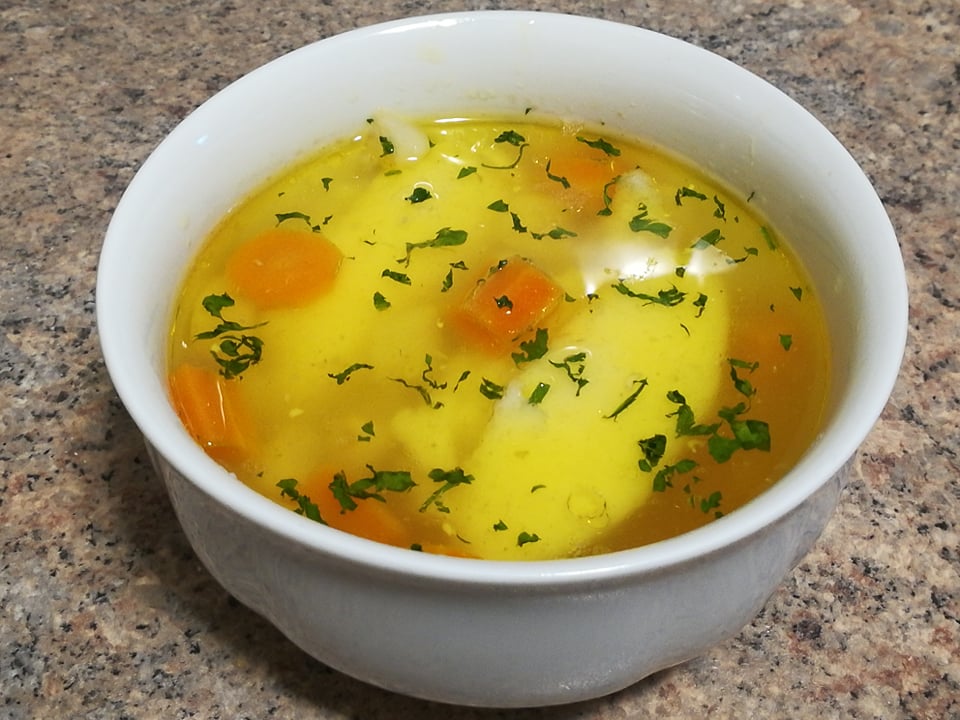
A typical Romanian chicken noodle soup, supa de pui cu tataiei is traditionally prepared by roasting a whole chicken until all the flavor has been brought out. The broth is also pale and golden and is infused with root vegetables like carrots, parsnips, celery and onion. The difference is the noodles: delicate, thin and in most cases made at home through rolling and cutting into fine strands.
These soak up the broth, and provide the soup with a nutritious texture without making it too thick. Usually, it’s served with parsley and with crusty bread. Though it’s a simple one, it’s kept close to the heart due to its purity and nostalgia, and it’s one of the most popular homemade dishes in Romania.
Ciorbă de fasole
As opposed to its smoked-meat counterpart, ciorbă de fasole is a vegan-friendly bean soup that uses white beans as base, cooked until soft and creamy and combined with various vegetables like carrots, celery, onions and parsnips. The souring is what makes it characterful and most cooks will add vinegar, lemon juice or even a teaspoon of boroghurt to give it that distinctive zest.
Ciorbă de fasole is a cultural and religious dish, so it’s usually cooked during a time of fasting in Romania, when meat-free meals are a priority. Finishing touches like fresh herbs like dill or lovage are important and make the dish lighter. It’s usually eaten with bread that is crusty and occasionally accompanied with pickled vegetables as a contrasting meal.
Ciorbă de văcuţă
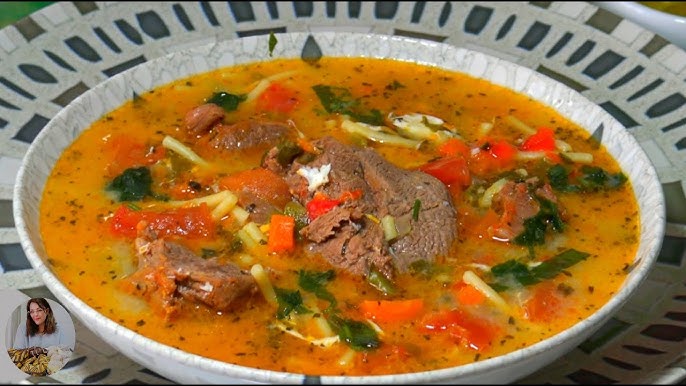
Ciorbata de vaguza, or beef soup is a Romanian traditional that emphasizes the tender beef pieces that are cooked slowly to bring about a rich flavor to the broth. Borsz (fermented wheat bran juice), vinegar or lemon is added to the soup, adding a refreshing tang to the fatness of the beef. The outstanding thing about this dish is that it can be served as a meal or as a comfort food, as well as filling enough to be considered one.
The beef is also sliced into small bite sized portions, which are usually juicy and tasty. It’s a traditional Romanian dish, garnished generously with parsley or lovage and served up at Sunday family get-gethers, or as an appetizer at restaurants. It’s delicious with a piece of fresh bread or even with mămăligă.
Supă de pui cu găluște
Supa de pui cu galuște is, perhaps, one of the most childhood-y Romanian soups, as it has a tender texture and a taste of homemade food. The broth is prepared of chicken simmered gradually with vegetables till clear and golden. The true stars are the dumplings (găluște), light and fluffy and are made of semolina mixed with eggs. It’s a real kitchen art to get them right, soft, airy, without being too dense. These dumplings absorb the chicken stock, and retain their form providing a melt in your mouth experience.
Ciorbă de lobodă
Ciorbă de lobodă is a Romanian soup, and in most cases, it’s made during spring when lobodă (orache, a spinach-like leafy green) is plenty. The leaves are also characterized by their slightly tangy/earthy taste. Root vegetables, onions and occasionally rice are usually used to make the broth and the broth is sourced with borz or lemon juice.
Ciorbă de loboda is unique in the sense that it has a bright red or purple hue when red orache is incorporated into it, giving the dish a very dramatic look. It’s light, but it’s nourishing, mostly consumed during fasting months where meat is prohibited.
Ciorbă de salată cu afumătură
Ciorbă de salata cu afumaturl is made by using tender lettuce leaves simmered in a broth spiced with onions, garlic and root vegetables. Smoked bacon, ham or ribs are added to add complexity, with the soup usually being garnished with a tangy squeeze of vinegar or borsz. The egg-and-sour-cream liaison, which adds creaminess to the broth is also a hallmark of this dish. It’s earthy and sophisticated, and every spoonful combines a smoky, tangy and fresh taste. This ciorbă is particularly widely used in Transylvania, where smoked meat is a major ingredient in daily cuisine.
Ciorbă de burtă
Another internationally known soup of Romania is the ciorbă de burtar. It’s adored because of its richness and it’s prepared using strips of beef tripe that are cooked over several hours to tenderness. Beef bones are used to construct the broth and to form a deep flavor base with root vegetables. The only difference between this soup is the tangy creamy finish: sour cream and egg yolks are whisked to the hot broth to add the richness, and the vinegar or lemon juice balances the richness.
Garlic is also a necessity and it adds a pungent flavor that goes hand in hand with the tripe. It has always been served with pickled hot peppers and sour cream on the side. Romanians claim that this is the final cure to hangover and it’s a dish of most restaurants and taverns, particularly in Bucharest.
Ciorbă de pește “ca-n Deltă”
This soup is a direct export of the Danube Delta, the well-known wetland haven in Romania where fishing is the order of the day. Ciorbă de pește ca-n Deltă is prepared using freshly caught fish such as carp, catfish or pike simmered in vegetables such as onions, carrots and peppers in a light broth. Its characteristic is the souring: historically done with vinegar, lemon, or even fermented wheat bran (borosz), and that makes the dish a fresh-tasting one. Hot chili peppers and fresh parsley give the taste the final touch. Natives insist that this soup has to be served with a side of mămăligă (cornmeal porridge).
Borș de miel
Borsz de miel or lamb sour soup is a springtime delicacy, particularly during Easter when lamb is most frequently eaten in Romania. This soup is made using the small tender pieces of lamb that have been simmered in the root vegetables and then soured with borsz which makes it have that tangy taste. It’s frequently served with rice or barley to make it hearty and fresh herbs such as dill, lovage, etc. give it a fresh scent.
The magic in this soup is that it’s a balance between the slightly gamey richness of lamb with the sourness of borsz, which produces a dish that is both invigorating and nourishing. It’s traditionally served at the Easter feast and is served along with fresh bread and even chili peppers.
Borș
In Romanian cuisine, borș may also mean the fermented wheat bran liquid that is used to acidify soups, and also the soup itself. As a meal, Borsz is a light, sour vegetable soup, which gives consideration to this special fermented product. It’s typically prepared using potatoes, carrots, celery, onions and occasionally rice or noodles cooked in a tangy broth.
Borsz could either be entirely vegetarian, which makes it quite popular during the fasting season, or it could contain minor quantities of meat to add richness to it. Topped with lovage, an herb practically synonymous with Romanian soups, it has the flavour of home-cooking.
Ciorbă ţărănească
Ciorbă ţărănească, or peasant soup, is a peasant meal that symbolizes the agricultural background of Romania. It can be described as hearty, colorful, and full of the seasonal vegetables like potatoes and carrots, celery, bell peppers, and onions – and even beans. Meat is optional – added meat is typically pork, chicken or smoked meat, which enriches the broth and makes it fuller.
What makes this ciorbă so special is that it’s versatile and it’s made in a generous way: large pieces of vegetables, fresh herbs, and assertive seasoning. It’s a hot broth dish served with bread or mămăligă, and it sustains both the farm workers and the farm families, as well.
Ciorbă de pui
Ciorb-a-pui is a chicken sour soup with a tangy and hearty but clear chicken broth, owing to the presence of borsz, vinegar, or lemon. The chicken is stewed with carrots, celery, onions and occasionally bell peppers which are what make the broth have the appearance of a gold treasure. It’s commonly served with rice or noodles to make it heartier and a great deal of fresh parsley or lovage is sprinkled over it at the end.
It’s known as the comfort food of all comfort foods and is best eaten when you are under the weather or just because you need some nourishment. Lots of Romanians relate it to home remedies because chicken broth with souring agents is regarded as a healing factor.
Ciorbă ardelenească
Transylvanian-style sour soup, called ciorbă ardelenească, is a hearty stew traditionally prepared using pork or smoked meat, characterized by the sour cream added to the broth to make the texture smoother than other ciorbe. The meat is simmered with vegetables like carrots, onions and celery, and the soup is made complete with vinegar or borosh to add the touch of sourness.
The peculiarity of this dish is its luxurious, slightly creamy texture a characteristic of Transylvanian cuisine. It ‘s a comfort food, offered piping hot with chili peppers and coarse bread, and it’s indicative of the fact that the region likes hearty and filling meals.
Ciorbă de potroace (Offal Soup)
Ciorbă de potroace is a highly old-fashioned and coarse Romanian soup, prepared using the giblets of chicken or turkey – the hearts, liver, gizzards and necks. Usually it’s made after big family events or feasts, when not a single part of the animal is wasted. Slowly simmered root vegetables such as carrots, celery, onions and parsnips with the offal, make a richly flavoured broth. It’s soured with borsz, or vinegar, and frequently lightened with fresh dill, like most Romanian soups. It’s also referred to as a restorative soup and it’s particularly popular when it comes to curing a hangover in the aftermath of celebratory events.
Ciorbă de praz
Ciorbă de praz is a lighter Romanian soup that glorifies another vegetable much ingrained in the cuisine of Oltenia, the leek. Sauted leeks are simmered with carrots and celery and occasionally a little rice or potatoes to give the broth some substance. It’s slightly sweet in taste and a touch of vinegar or lemon transforms an ordinary vegetable base into something refreshing and comforting. In some homesteads, tomatoes or tomato paste are added to enhance the color and taste.
It’s usually consumed when fasting or those who prefer a non-meat meal that is healthy. Eaten hot, typically with fresh dill and crusty bread, ciorbă de praz is the evidence that meat is not the only thing that makes soups in Romania hearty and pleasing.
Ciorbă de legume
Ciorbă de legume is the ultimate Romanian comfort soup that you can make when you are in need of something warm yet light. It’s, as the name indicates, constructed completely around seasonal vegetables: carrots, celery, bell peppers, green beans, cauliflower, zucchini–whatever is new and in season.
It’s cooked slowly and usually lightly with rice or small noodles added, and finished with borsz, lemon juice or vinegar, to give it its typical acidity. Ciorbă de legume is a dish that gains popularity during Orthodox fasting time as it’s vegetarian but still very satisfying. It’s hot, and accompanied with parsley or lovage, and usually with fresh bread.
Ciorbă de cartofi
Ciorbata de cartofi is a hearty potato soup, which can be found in Transylvania and Moldavia, where simple and cheap fare has long been a staple diet. Potatoes are chopped in pieces and boiled with onions, carrots, bell peppers and in some cases smoked meats or sausages to add richness of taste. Paprika powder gives the stew a nice, warm color, a reference to Hungarian influences in Transylvania. It’s a popular soup in the winter when root vegetables are in abundance and warm meals are always welcome.
Last but not least, we conclude this list with Ciorba de oase, one of the richest and most flavored soups in Romania. It’s prepared by simmering the meaty pork or beef bones until the broth becomes hearty and nourishing. The marrow and the connective tissues give the soup a natural richness that can not be replicated in the process of seasoning.
Carrots, onions, celery, and potatoes are added to the mix, and usually the broth is soured with borsts or vinegar. The meat is usually left on the bones and the soup itself is rich enough to be referred to as a meal in itself. Ciorbă de oase is served hot with fresh bread, and sometimes a dollop of sour cream.
How did you like this list of the best Romanian soups? Did you ever try any of them? Please feel free to share your thoughts and experiences in the comments below.