
Being one of the least visited countries in Europe, Moldova’s cuisine rarely gets the spotlight. However, just because it’s not on the tourist map doesn’t mean it doesn’t have a rich wariety of dishes worth trying. In this article, we’ll do our best to show you the best of Moldovan food and teach you everything there is to know about the local cuisine.
Moldovan Dishes- Soups & Appetizers
We starting this guide to Moldovan food with a few tasty soups/stews and appetizers perfect for starting your meal.
Salată de Boeuf


Salată de Boeuf is the Moldovan version of Russian (Olivier) salad and one of the most common appetizers in Moldova, mainly reserved for important events. The dish consists of of finely diced vegetables, tender beef, and sometimes chicken, mixed with creamy mayonnaise. Usually served cold, it pairs wonderfully with a slice of fresh, crusty bread and perhaps a glass of local wine.
Răcitura


Răcitura is the traditional Moldovan version of aspic. It consists of slow-cooked meats (typically pork, chicken, or turkey) seasoned with local herbs and vegetables and encased in a savory jelly. Răcitura used to be a staple and main star at dinner tables across Moldova, especially during the winter holidays and feasts. Today, it’s not so popular among the younger generations but it’s still out there. It’s served chilled, often with a side of sharp horseradish or mustard, and of course a glass of tasty local wine.
Zeama

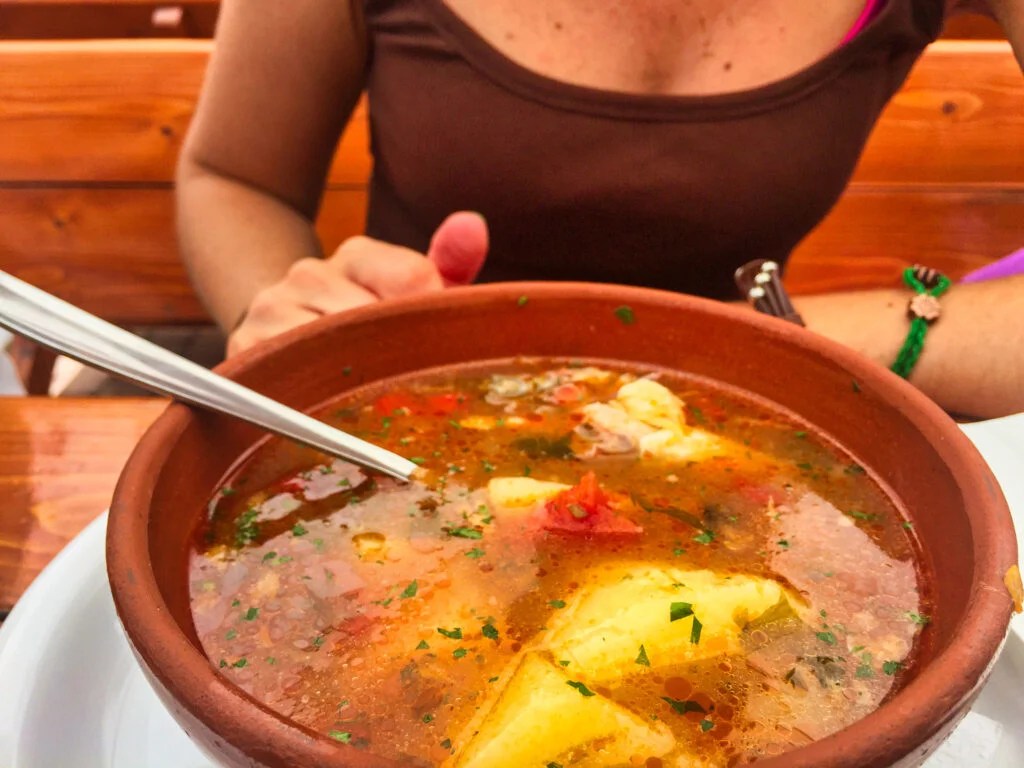
Zeama is a hearty Moldovan chicken vegetable stew served hot alongside a piece of bread or mamaliga and a generous dollop of smetana (Moldovan sour cream). It’s delicious, it’s hearty, and it’s filling- no wonder it’s one of Moldova’s favorite comfort foods. It’s the go-to remedy for cold winters, a pick-me-up during flu season, and the star of the Sunday family dinner.
Shorpa


Popular among the Gagauz population of Moldova, Shorpa is the local version of the dish known as shurpa in Uzbekistan and Central Asia. The stew consists of tender chunks of meat (with lamb being the most common choice), root vegetables, and some local herbs for flavor. Often enjoyed during colder months, shorpa is usually paired up with a side of crusty bread that you can use to dip in the stew.
Borș


When we speak of Moldovan food, we just can’t forget about Borș, a soulful, tangy stew of vegetables, meat, and fermented wheat bran which is technically a Russian dish but it’s equally popular in all Eastern European countries. It’s a dish that plays a versatile role in the Moldovan culinary repertoire, gracing tables both on frosty winter evenings and as a refreshing summer meal. The stew is often paired with a dollop of smetana (sour cream) and a sprinkle of fresh dill.
Breads & Pastries
Proceeding with our list of the best Moldovan food, we’ll share a few traditional Moldovan bread varieties and pastries.
Plăcinta


Placinta is Moldova’s most popular savory pastry and it’s also very popular in neighboring Romania. The dish consists of flour, water, a bit of fat, and for the filling, basically, anything you can get your hands on; the classic version is stuffed with brânză – a soft, white cheese that’s a staple in Moldovan cuisine but adventurous chefs among us have experimented with everything from savory meat and spinach to sweet apples and cherries. Placinta is one of the most popular breakfast/brunch options in Moldova but also the centerpiece of family gatherings and festive celebrations.
Enjoying this post? Then you may also like our guide to Russian vegetarian food.
Colțunași cu Brânză


Colțunași cu Brânză is a delightful Moldovan dumpling filled with a mixture of brânză (which is a local cheese variety) with a soft texture and slightly tangy flavor. The dough is a simple mix of flour, water, and a pinch of salt while the brinza cheese used for the filling is mixed with local herbs for an extra tangy flavor. The outside of the dumpling is soft, pillow-like and tender but still firm enough to hold the filling inside. The dumplings are usually served alongside some sour cream and/or yogurt.
Do you like dumplings? Then you may also want to check out our chicken momos recipe, veg momos recipe, pork momos and beef momos.
Börek


Borek, also known as burek or byrek rules supreme in Eastern Europe, and Moldova is not an exception. Brought over by the waves of cultural exchange, borek was embraced with open arms by Moldovans. As you probably know, the pastry consists of layered dough filled with either minced meat, cheese, spinach, potatoes, or even sauerkraut. Borek isi is usually enjoyed as a hearty snack or for breakfast and can be served either alongside a dollop of sour cream glass of yogurt or a cup of Moldovan tea.
Pasca

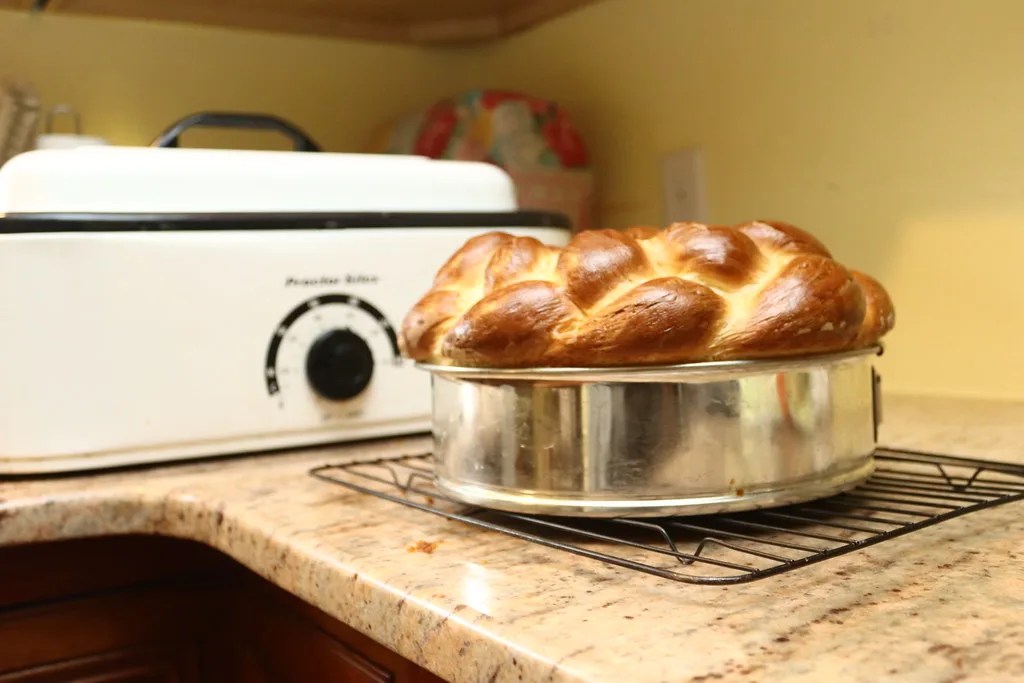
Pasca is a Moldovan version of sweet bread adorned with symbolic decorations whose origin is closely tied to the celebration of the end of Lent (a very important Orthodox holiday). The sweet bread has a round shape and its texture is very firm because a lot of eggs and butter in the dough. The bread is also often topped with citrus zest or vanilla which gives it a distinct sweet flavor. In Moldova, Pasca is traditionally reserved for the holiday season when it’s often the most attention-catching item at the dinner table.
Moldovan Food Served As Main Course
Now, we’ve gotten to the “meat and potatoes” of this guide to Moldovan food with some of the most popular main course Moldovan dishes.
Mămăligă


Mamaliga is perhaps the most famous staple of Moldovan cuisine. Corn has traditionally been a staple crop in Moldova and mamaliga has traditionally been considered as peasant’s Moldovan food because its preparation only requires 3 ingredients. All you need to make this dish is water, salt, and cornmeal. The ingredients are mixed and boiled and the final result is a thick, creamy polenta-like dish that’s usually topped with brânză cheese and some fresh sour cream.
Sarmale


This list of the best Moldovan food can’t be complete without sarmale or sarma (in most Balkan countries). Sarmale is basically Moldova’s cultural emblem wrapped in cabbage leaves consisting of thin sauerkraut leaves filled with a mix of ground pork or beef, rice, and a mixture of local herbs and spices.
Vine leaves (this version is known as dolma) can also be used as a wrapper instead of sauerkraut but this version isn’t as popular. Sarmale is slow-cooked and its preparation requires at least a few hours. The dish is usually served as an appetizer or a side dish alongside another Moldovan dish and has a special place on the dinner table of most Moldovan holiday feasts.
Chiftele cu Piure


Chiftele cu Piure is a hearty dish that combines meatballs (chiftele) made of ground port/beef meat seasoned with local herbs and creamy mashed potatoes (piure) with a splash of dairy. Oftentimes, the dish is topped with breadcrumbs or served alongside some rice on the side. Chiftele cu Piure is one of the most common Moldovan dishes, it’s easy to make and can be eaten on any occasion.
Ardei Umpluți


Ardei Umpluți is a Moldovan main course dish that is the Moldovan version of a Balkan favorite- bell peppers stuffed with a mixture of meat and rice (in Serbia, Bosnia, Croatia, and Montenegro it’s known as Punjene paprike). Dishes of vegetables stuffed with rice and meat are very common in Eastern Europe and in Moldova, it’s bell peppers because they are grown in abundance across the country.
Chiperi Umpluți


Chiperi Umpluți is basically the same dish as Ardei Umpluți with one key difference; this variation of the dish uses hot peppers instead of mild ones. Everything else, including the filling of rice and meat, all other spices and condiments and the serving method, are the same. The pepper also look quite similar and it’s hard to distinguish which one is hot and which one is not them until you try. So, if you’re trying this dish for the first time and you’re not a fan of spicy food, be careful and ask whether it’s ardei or chiperi.
Pilaf


Pilaf is a dish that originates from Central Asia/Middle East (it’s kind of hard to draw the line because it’s so popular in all of these countries) that was introduced to Europe by the Ottomans. The Moldovan version of pilaf includes cooking long-grain rice in a mixture of a hearty broth, spices, and chunks of meat, usually lamb, but you can also use pork (there’s a joke that Romanians and Moldovans have taken a lot of Turkish dishes and used pork meat instead of the original ingredients) and chicken too. The final result is a version that resembles Asian fried rice, usually served alongside pickled vegetables or a fresh salad.
Tochitură


Tochitură is a traditional Moldovan hearty stew that historically provided a clever solution to make the most out of one’s easily available ingredients. The stew’s preparation includes chunks of meat (it can be chicken, beef, pork, lamb- it doesn’t really matter), simple vegetables like onions and garlic, and a splash of fine Moldovan wine to make the stew just a tad more hearty. The stew is traditionally served alongside mamaliga whose creamy consistency perfectly accompanies the hearty texture of tochitură.
Pârjoale

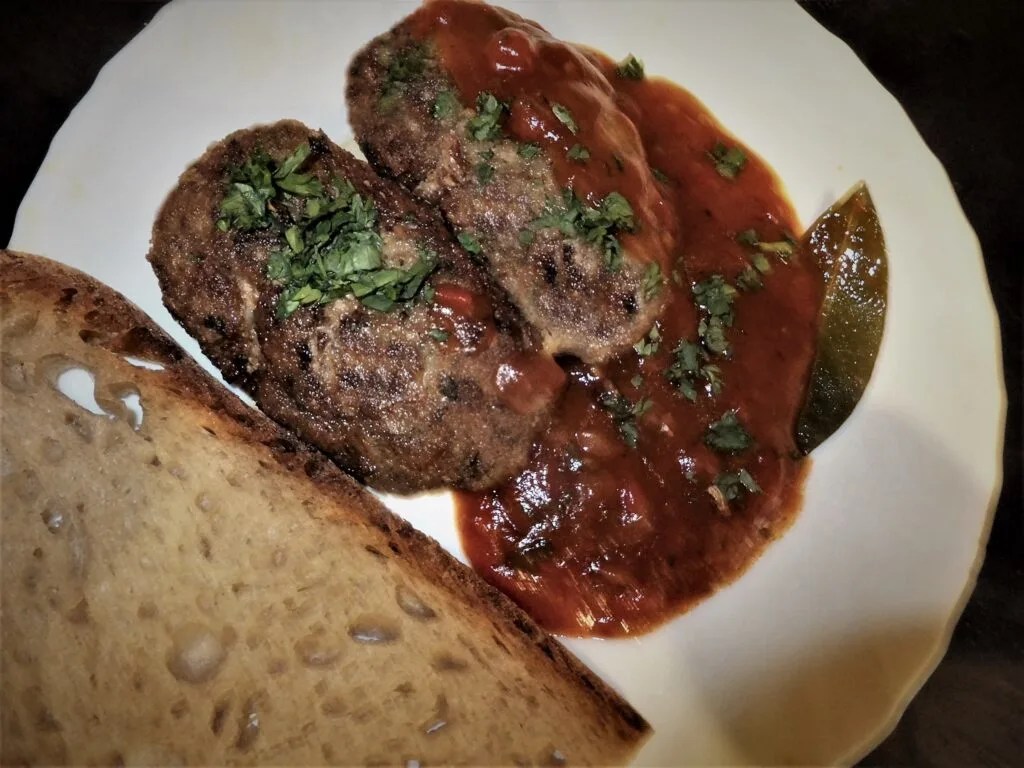
The best way to describe Pârjoale is as savory meat patties that have become a local staple throughout the years. While similar to the meatballs found in other cultures, Pârjoale is different due to its unique seasoning and preparation methods; these patties are slightly flatter than what you might be used to and have a coarser, crunchy exterior texture while keeping its inside as juicy as possible.
Frigărui

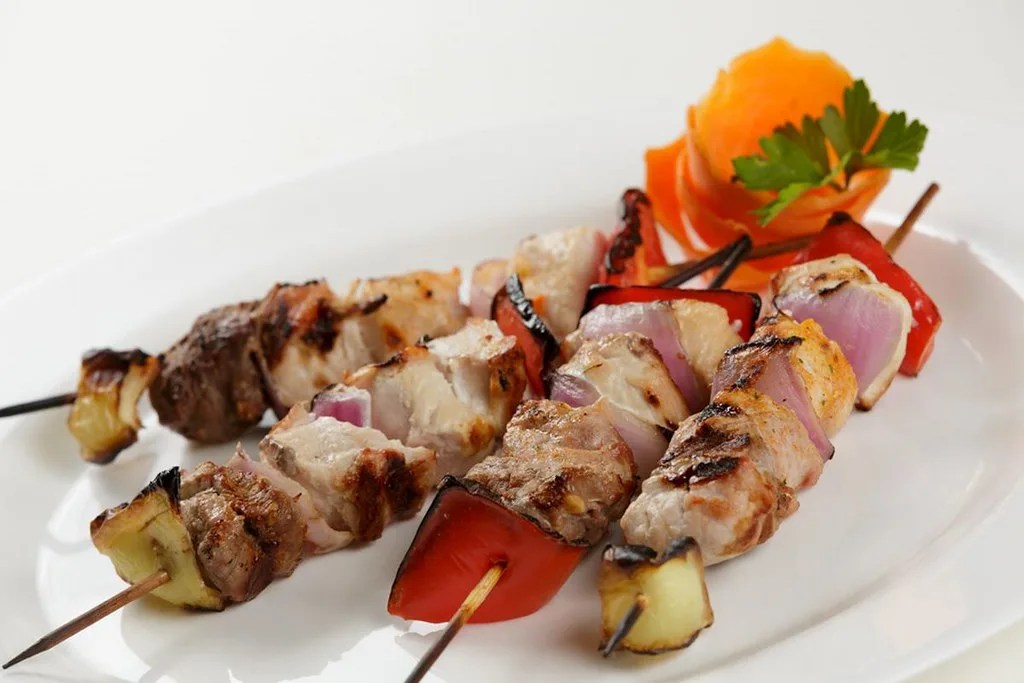
Frigărui is Moldova’s version of Russian shashlik (or shish kebab). In Moldova, they’re extremely popular and omnipresent, I’ve seen them everywhere from eateries and restaurants to households’ dinner tables and picnics. The dish is typically made with pork or chicken meat, which is marinated in a mixture of herbs, garlic, and local wine and grilled veggies like onions, peppers, and tomatoes. It can be eaten as a snack on its own or alongside other Moldovan main course dishes.
Pește Prăjit
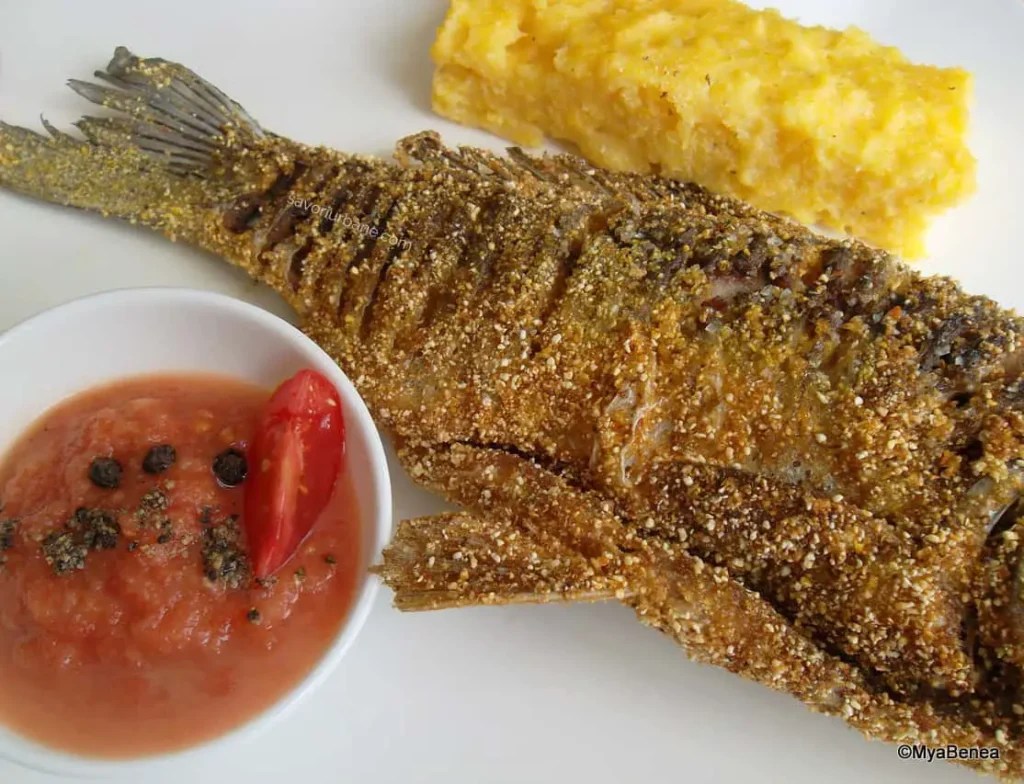
This list of the best Moldovan food can’t be complete without this simple but delicious dish. To explain in the simplest way possible, Pește Prăjit is basically a fried fish similar to the one we get in fish and chips but just a tad heartier. Since Moldova is landlocked most of its fishes are freshwater fish but this combined with the rustic preparation method gives this dish a special charm. Traditionally, fish is served alongside a side of potatoes, mamaliga, and a glass of Moldovan white wine.
Desserts
Now that we covered most of the masterpieces of Moldovan food, let’s mention a few popular Moldovan desserts that will satisfy your sweet tooth craving, starting with.
Cușma lui Guguță


Named after the conical hat of Guguță, a character from Moldovan children’s literature, this cake is one of the most unique desserts I’ve ever seen anywhere. In its essence, it’s a layered cake consisting of layers of sponge cake, often soaked in a sweet syrup or liqueur and filled with cream or jam with the entire structure mimicking the shape of a cone, resembling Guguță’s iconic hat.
Cozonac


Cozonac is the Moldovan version of Kozinak, (a sweet bread also popular in Slavic countries like Macedonia, Bulgaria, and the Czech Republic), Panettone (a sweet bread popular in Italy), and Stollen (the German version). It’s a bread traditionally prepared for either Christmas or Easter and is famous for its distinctive swirls and simple but tasty fillings like walnuts, poppy seeds, or cocoa. As per the dough, it uses eggs and milk that give the bread a rich yet tender structure that melts in your mouth.
Prune Umplute cu Nuci


Prune Umplute cu Nuci is a simple yet hearty Moldovan dessert consisting of dried plums stuffed with walnuts and topped with syrup or chocolate. To prepare it, first you need to pit the prunes and fill them with walnuts and a touch of honey (inside the prunes). To finish things off, add an extra layer of chocolate coating or sweet syrup and you have your perfect, natural, healthy dessert still capable of satisfying your sweet tooth.
Cornulețe
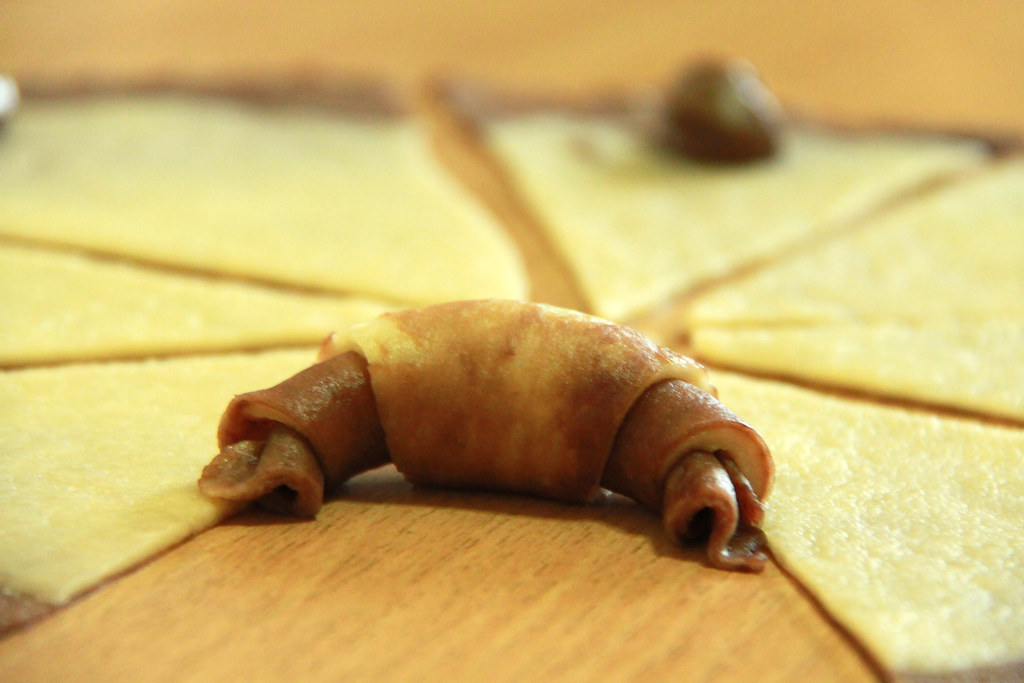
Cornulețe are Moldova’s little crescents of joy made of a buttery dough stuffed with jam, nuts, and sweet cheese. It’s like a combo of cheesecake and croissant and personally one of my favorite desserts ever. The charm of cornulețe lies in their delicate texture; flaky on the outside, melt-in-your-mouth on the inside. Sure, making the perfect cornulețe isn’t an easy task but mastering the recipe is totally worth it.
Tort Smetanik

This ultimate list of the best Moldovan food can’t be complete without one of the country’s most famous cakes- Tort Smetanik. In its essence, tort smetanik is a layered cake consisting of a thin delicate sponge baked to the right degree of golden, and luscious cream frosting topped with lemon zest and vanilla peaking in between every layer. The final touch consists of dusting some cocoa or nuts on the top of the cake which makes this dessert even better.
Papanași

Papanași is a Moldovan dessert with a seemingly funny name but it’s even more fun to eat it than it is to pronounce its name. It’s basically the Moldovan version of a donut, meaning it’s made of dough consisting of a mixture of soft cheese, eggs, and semolina filled with sweet cheese, resulting in a fluffy pastry with sweet, tangy, and subtly cheesy flavor.
Mușuroi

Mușuroi is a sweet treat composed of crumbled cookies or cake remnants that find a second life. The mixture is bound together by a buttery, cocoa-infused caramel, resulting in a unique dessert in which every crumb is coated in sticky sweetness and above all, a resourceful way to use leftovers (which is a crucial part of Moldovan culture even today).
Sfințișori
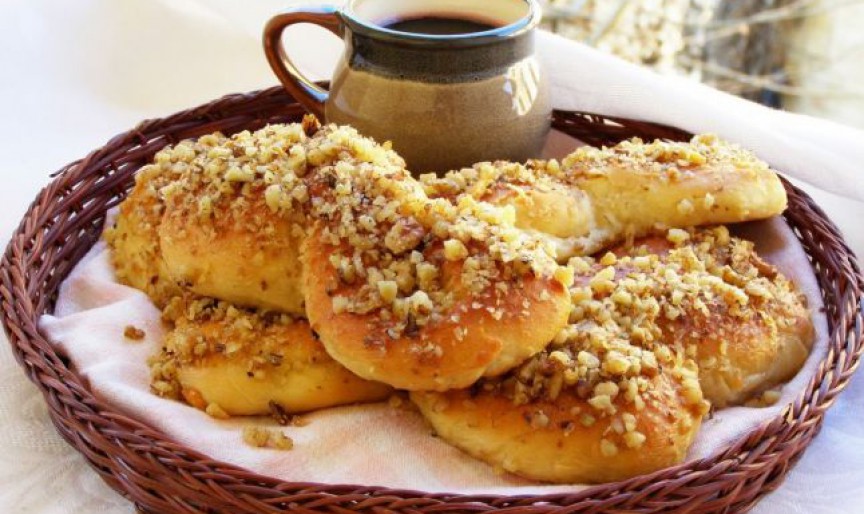
Sfințișori is a tasty Moldovan dessert consisting of weaved dough that gives the dessert its unique recognizable shape. Traditionally, sfințișori (probably because it’s kind of hard to make it) is prepared solely for the Christian feast of the Forty Martyrs of Sebaste. The dough is most usually infused with honey, cinnamon, and nutmeg, bringing warmth and depth into every single bite.
Drinks
Now that we covered some of the most popular Moldovan dishes, we’ll conclude this ultimate guide to Moldovan food by listing a few of the country’s most popular drinks.
Socata

Socata is Moldova’s ultimate summer thirst quencher made of elderflowers, those delicate white blossoms that look as though they’ve been spun from fairy thread. The elderflower mixture is steeped in water and sprinkled with lemon juice and a spoonful of a choice of sugar or honey. The drink is left to ferment slightly before consuming, just enough to tickle the tongue with a gentle fizz.
Kvas

Kvas is a fermented brew with an earthy personality popular in some Eastern European countries, Moldova being one of them. This traditional drink starts its journey as simple rye bread given a second life transformed through fermentation into a thirst-quencher with a tang. The bread is fermented in a mixture of yeast and sugar and then mixed with herbs-infused water in a surprisingly refreshing drink with a unique twist.
Kompot


Kompot is a sweet concoction traditionally linked to winter in most Eastern European countries. The drink consists of fermented sweet fruits mixed in water and sealed to consume throughout the winter. The main ingredients used for kompot are most often apples, cherries, berries, and peaches but you can basically make it out of every fruit you can get your hands on.
Țuică

Țuică is probably Moldova’s most popular spirit. Made from plums, apples, or cherries, țuică takes the fruit’s essence and, with a little alchemy, turns it into a potent fruit brandy (something like a Moldovan version of rakija). Offering a glass of țuică is a gesture of Moldovan hospitality, an invitation to share stories, laughter, and maybe even a few traditional dances.
Visinata

Vișinată is another version of tuica but one that uses ruby red cherries as its main ingredient. The cherries are left to conspire with sugar in a jar, until the sugar blushes with embarrassment and turns into syrup, while the cherries swell with sweetness. Once that’s done, the mixture is mixed with alcohol, resulting in a sweet brandy with a hint of cherry (something like the Moldovan version of visnjovaca).
Moldovan Wine

Last but certainly not least, we conclude this guide to Moldovan food with one of the things Moldova is best known for: its wine. This small, landlocked country has been in the wine game since 3000 BC, making it one of the oldest wine regions in the world and today, Moldova boasts over 112,000 hectares of vineyards; no small feat for a country its size, making it a David among Goliaths in the wine world.
The country’s star grapes feature Rară Neagră and Fetească Neagră (red varieties), and Fetească Albă (white variety). And as far as specific wines go, here are a few of my personal favorites. Purcari’s red wines are a stellar example of Moldova’s native Rară Neagră grape, while Castel Mimi’s wine varieties are some of the best samples of Fetească Neagră. A couple of more renowned wines include Chateau Vartely’s Ice Wine and Cricova’s sparkling wines.
How did you like this guide to Moldovan food? Did you try any of these Moldovan dishes? Do you have any favorites? Feel free to share your thoughts in the comments below.
Like it? Pin it.

Zsazsa
Thursday 22nd of February 2024
Thank you for compiling this detailed list of Moldovan food. Every day I research the culture of a new country and I found your list had the most items for Moldovan food. I like how you provided a little insight into how history and geography influenced the food eaten today and what makes this cuisine unique compared to other Eastern European countries. I also enjoyed the poetic description of how Visinata is made and I look forward to trying some of these dishes myself!
The Food Hog
Monday 15th of April 2024
Thank you Zsaza, I really appreciate your comment and your enthusiasm, I hope you get the chance to try some of these dishes soon.