
The zacuscă recipe doesn’t shout; it whispers. It’s a dish that unfolds, with flavours that develop, mellow and deepen with each bite. On the surface, it’s a simple vegetable dish, but there’s more to it than that. Smoky, rich, sweet, and a little sour, zacuscă is like something preserved not only for eating, but for remembering. It’s not rushed food. It’s cooked in batches, stored for the winter, and eaten in small bites, often with bread and time. In this article, we’ll introduce you to the traditional zacusca recipe and teach you everything there is to know about this delicious snack, including its origin, history, preparation tips, etc.
But first things first…
What Is Zacuscă?

Zacuscă is a traditional vegetable spread from the Balkans and Eastern Europe, made from roasted eggplant, roasted red peppers, onions, and tomatoes, cooked down into a thick spread. It is served cold or at room temperature, usually on bread. Zacuscă is cooked for a long time, which makes it rich, sweet, and smoky. It may be chunky or smooth, but it is always full of flavour. Zacuscă is a staple and comfort food, particularly in winter.
Origin and History

Zacuscă is primarily a Romanian dish, originating as a way to store summer vegetables for the winter. It is deeply rooted in rural culture, with families gathering in the fall to roast large amounts of eggplant and peppers over an open fire and then cook them in jars for preservation. Its name is derived from Slavic languages, highlighting the region’s culinary exchanges. Zacuscă eventually spread to other countries, with each region putting its own twist on the dish. It is still a staple of home-cooked food, seasonality, and preservation, and is a symbol of both tradition and necessity.
Zacusca Recipe Variations
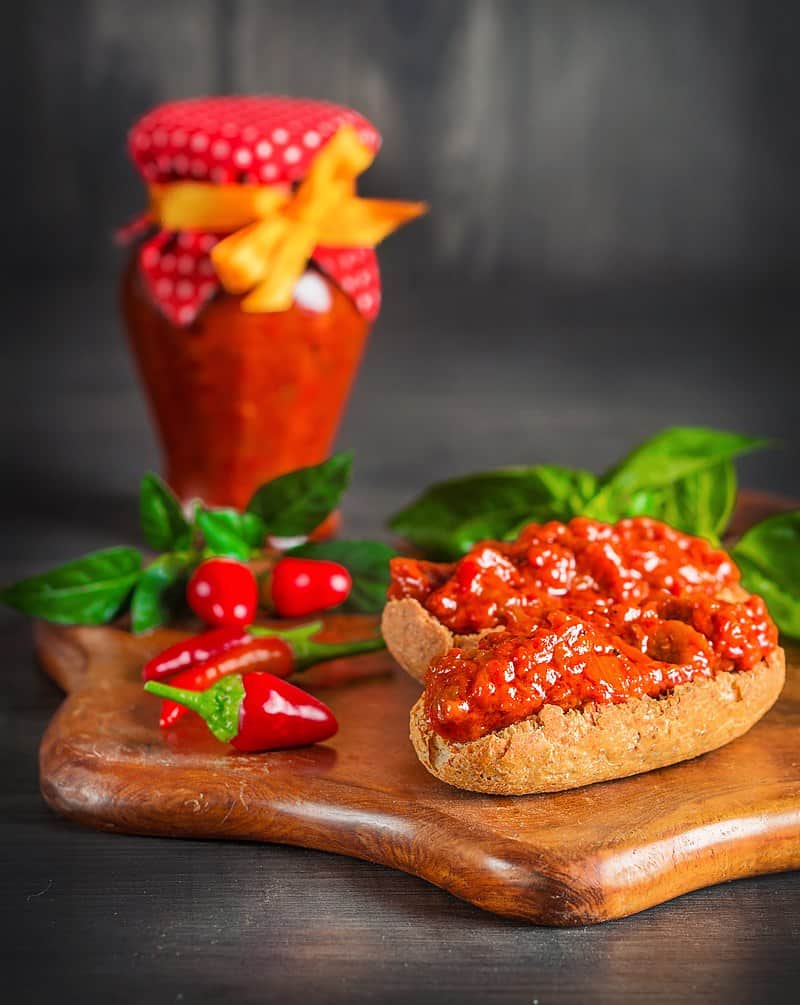
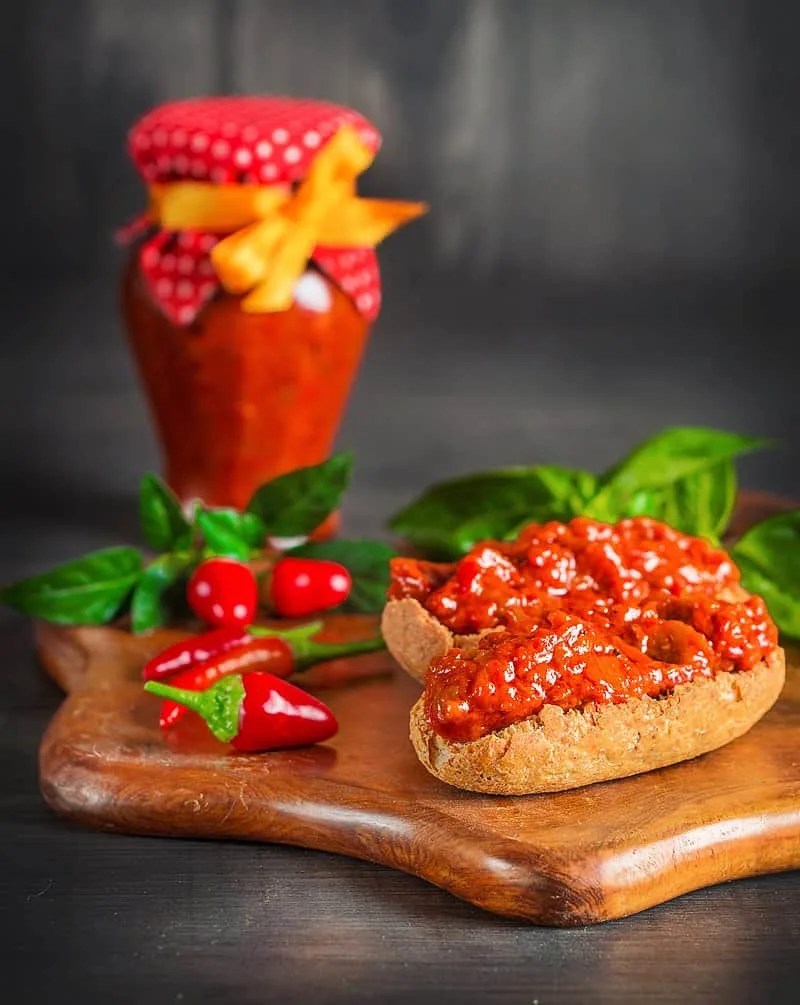
Zacuscă is a dish that has many variations throughout Eastern Europe and the Balkans, with each nation putting its own spin on the basic concept. In Romania, the traditional recipe includes roasted eggplant and red peppers, onions and tomatoes, simmered until thick and sweet. Variations in Romania include mushroom (zacuscă de ciuperci), bean, or even fish (in coastal regions). In Moldova, zacuscă is often a bit smoother and occasionally more tomato-heavy, depending on personal preference.
In Serbia and Macedonia, a close cousin is ajvar, which is more concentrated on roasted red peppers, sometimes with less eggplant, giving it a sweeter and lighter taste. Ajvar is typically less complex and less reduced than zacuscă, but the roasting and preservation principles are the same. In Bulgaria, there are spreads such as lyutenitsa, which incorporates tomatoes and peppers, sometimes with carrots, resulting in a sweeter and creamier texture.
In other countries, such as Hungary, where pepper-based spreads tend to be more paprika-focused, and in Ukraine, where eggplant spreads are similar to zacuscă but may contain more garlic and sunflower oil. In all these variations, roasting, simmering, and preserving are key.
Whether you call it zacuscă, ajvar, or lyutenitsa, these spreads are a testament to a regional tradition of preserving late-summer vegetables for the winter.
Preparation Tips

- Roast vegetables until slightly charred for a smoky flavor
- Peel eggplant and peppers after roasting for a smoother texture
- Cook slowly—low heat builds depth
- Stir frequently to prevent sticking
- Adjust the oil gradually for richness
- Let flavors develop fully before jarring
- Use sterilized jars if storing long-term
Serving Tips

Zacuscă is typically eaten spread on fresh or toasted bread, as a breakfast, snack, or appetizer. It can be served with cheese, cured meats, a soup/stew on the side, or pickles, but is also delicious on its own. It’s typically served cold or at room temperature and not reheated. It’s often served during the winter months, bringing a taste of summer. It isn’t linked to particular festivals or holidays, but is strongly linked to homecooking and family. Zacuscă is best served plain, to savor the slow-cooked flavours.
Storing (short)
Store zacuscă in the refrigerator for up to 1 week once opened. Properly sealed jars can last several months. Always use clean utensils when serving.
A Few Things You May Need

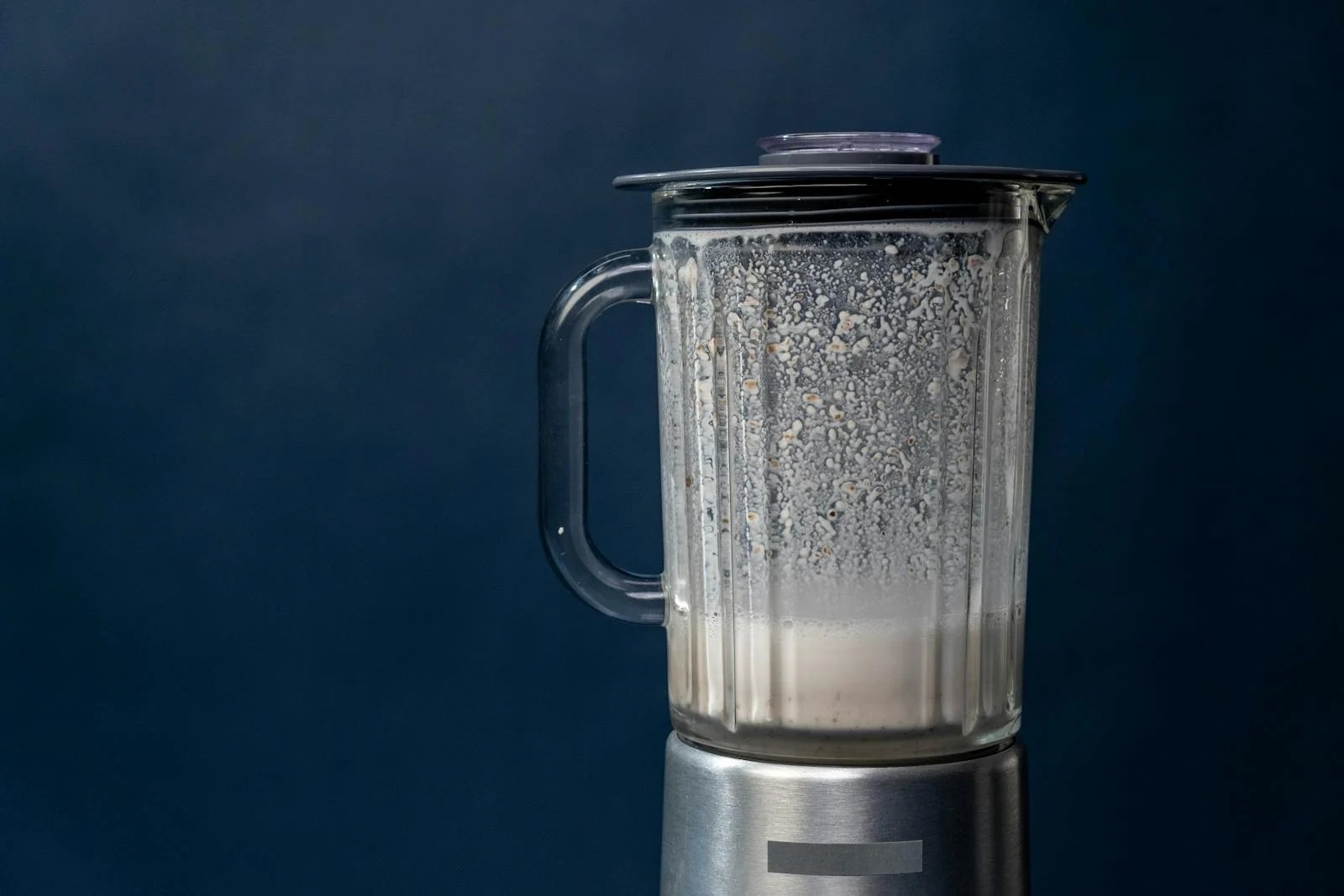
Food Processor


Stovestop

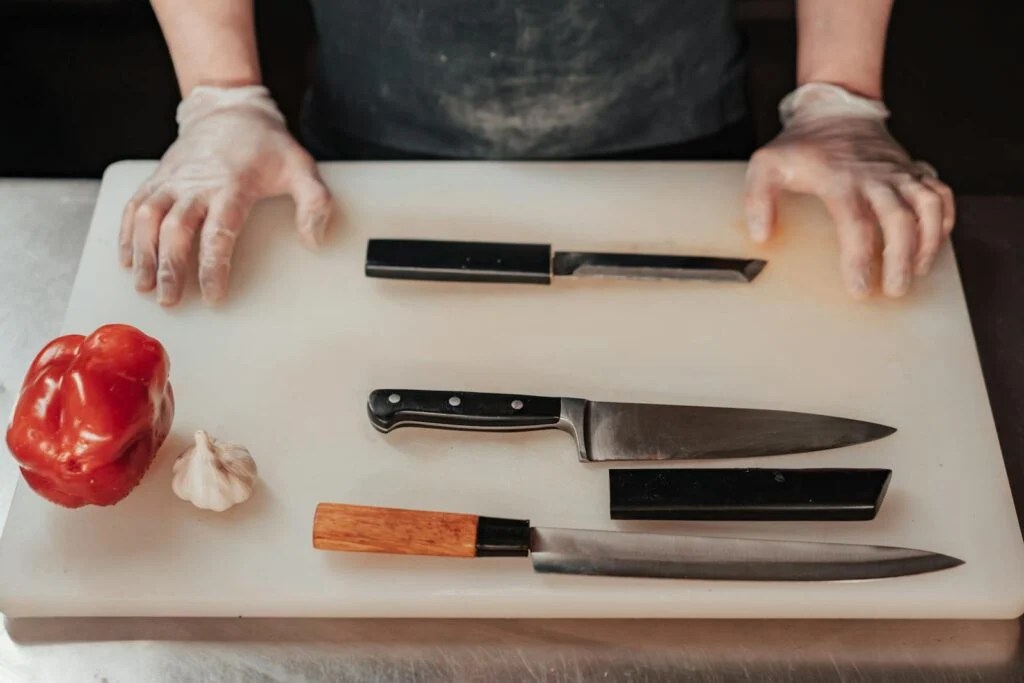
Cutting Set


Large Pan


Wooden Spoon
Zacusca Recipe

In this article, we'll introduce you to the traditional zacusca recipe and teach you everything there is to know about this delicious snack
Ingredients
- 3 large eggplants
- 4–5 red bell peppers
- 2 medium onions, chopped
- 3 tomatoes or 1 cup tomato puree
- 100 ml (½ cup) vegetable oil
- 2 cloves garlic, minced
- 1 tsp salt (adjust to taste)
- ½ tsp black pepper
- Optional: bay leaf
Instructions
1. Roast eggplants and peppers until charred and soft
2. Peel skins and remove seeds where needed
3. Chop or blend vegetables to the desired texture
4. Sauté onions in oil until soft
5. Add vegetables and tomato
6. Cook on low heat for 1–2 hours, stirring regularly
7. Season and adjust oil
8. Cool slightly and serve or jar for storage
Nutrition Information:
Serving Size:
1 portionAmount Per Serving: Calories: 180Total Fat: 12gSaturated Fat: 2gTrans Fat: 0gUnsaturated Fat: 10gCholesterol: 0mgSodium: 420mgCarbohydrates: 15gNet Carbohydrates: 12gFiber: 3gSugar: 8gProtein: 3g
Like it? Pin it.