
The shrimp souvlaki recipe has that effortless Mediterranean appeal—simple, bright, and quietly impressive. It doesn’t rely on heavy sauces or complicated techniques, yet it delivers something that feels both fresh and indulgent at the same time. The aroma alone hints at sunshine, open grills, and long meals shared outdoors. It’s the kind of dish that feels light but satisfying, refined without being formal. Whether served straight off the skewer or wrapped in warm pita, shrimp souvlaki captures that perfect balance between simplicity and flavor that defines great coastal cooking.
What Is Shrimp Souvlaki?

Shrimp souvlaki is a Mediterranean dish characterized by its simplicity and clean flavor that are enhanced when it is grilled and marinated. Originally from Greece, this dish consists of marinated shrimp skewered and grilled quickly over an open flame. In contrast to traditional souvlaki, which uses pork, lamb, or chicken, shrimp souvlaki highlights seafood while using similar preparation methods—simple seasoning, very quick grilling, and very clean flavors.
The marinade typically consists of oil, lemon juice, garlic, and various herbs. While shrimp souvlaki is lighter than meat-based souvlaki, it is still satisfying and represents a new take on one of Greece’s oldest street foods.
Origin and History

The dish itself has its origins in Ancient Greece, with small pieces of meat being put on a stick and cooked over flames, which has made it a staple of Greek cooking history. Souvlaki has undergone many changes since it was first introduced. The most modern form of souvlaki, shrimp souvlaki, is said to have originated among Greek islanders off the coast, where there was plenty of fresh seafood.
In tourist areas of Greece today, shrimp souvlaki is being served as a ‘lighter’ form of souvlaki and is often substituted for traditional meat souvlaki. Although not an ancient dish, the shrimp souvlaki recipe embodies the same basic philosophy of Greek cuisine: fresh ingredients, minimal preparation, and grilling as the primary method of cooking, using the Mediterranean way of cooking.
Variations

The most widely used meats for traditional souvlaki are pork (which makes up the vast majority), then chicken, and sometimes lamb. Traditionally, souvlaki consisted of marinated meat threaded onto skewers and grilled. As souvlaki began evolving into seafood, shrimp became the most frequently used protein in the marina, and this usage was particularly popular in coastal regions of Greece. Souvlaki-type dishes also include variations made from fish and several vegetarian options using vegetables or halloumi cheese, or even salmon.
The marinades used for souvlaki can change slightly, depending on the preparation method—some marinades highlight the use of lemon and oregano, while others may include ingredients like garlic or paprika. Souvlaki has many similar counterparts across the Mediterranean in the form of Turkish şiş kebab and Middle Eastern kebabs. One of the major differences between shrimp souvlaki and other forms of souvlaki is the fact that shrimp continue to exhibit relatively tender and quick-cooking characteristics, while having the same essence of traditional souvlaki as other meat options.
Preparation Tips
- Use large, firm shrimp for better texture on the grill
- Don’t over-marinate—30 minutes is enough
- Pat shrimp dry before grilling for a better sear
- Use metal or soaked wooden skewers
- Cook quickly; shrimp become rubbery if overdone
- Add lemon only at the end for freshness
- Keep grill hot for proper char
Serving Tips

Shrimp souvlaki should be served very soon after grilling because it’s at its juiciest (and tenderest) when done. Souvlakis can be served on a skewer (sometimes taken off the stick to put inside the pita with tomato, onion, and tzatziki), but they will all get eaten, so that’s not a problem. A Greek salad on the side complements the souvlaki very well. Unlike other heavier grilled meats, such as pork or beef, shrimp souvlaki can be enjoyed in warm weather (at outdoor social occasions) or at light dinner meals.
Although shrimp souvlakis do not have specific holiday associations, they do fall in the general category of everyday Mediterranean food. If you drizzle the souvlakis with olive oil and squeeze some fresh lemon juice over them before serving, they taste even fresher.
Store cooked shrimp souvlaki in the refrigerator for up to 2 days. Reheat gently or enjoy cold. Freezing is not recommended as the shrimp texture can deteriorate.
A Few Things You May Need


Skewers


Skillet

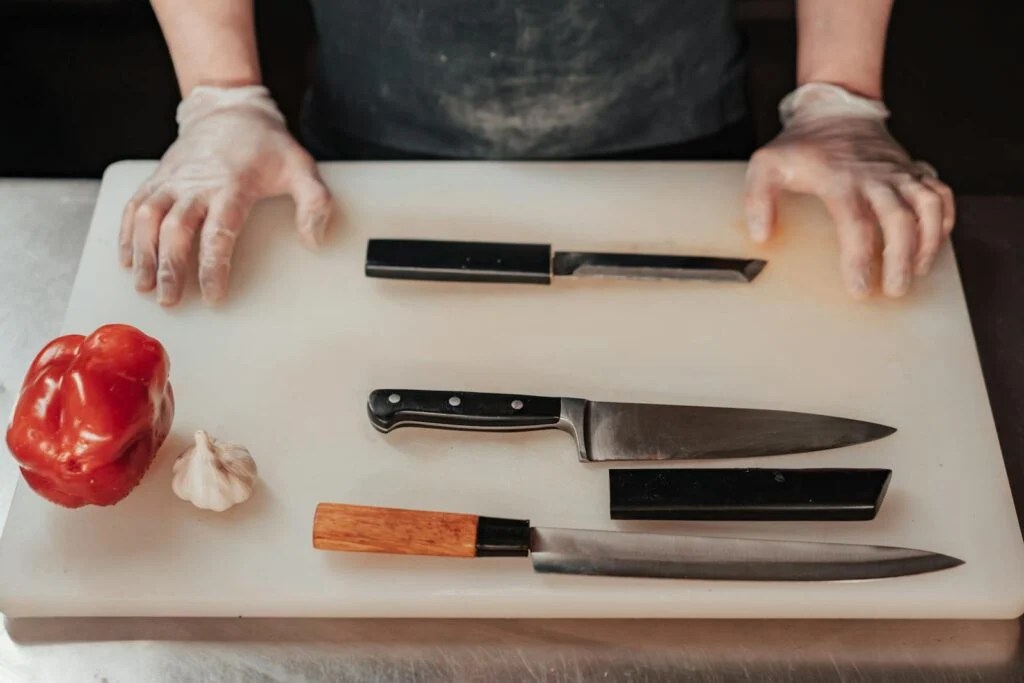
Cutting Set
Shrimp Souvlaki Recipe

The shrimp souvlaki recipe has that effortless Mediterranean appeal—simple, bright, and quietly impressive.
Ingredients
- 500 g (1 lb) large shrimp, peeled and deveined
- 3 tbsp olive oil
- 2 tbsp lemon juice
- 2 cloves garlic, minced
- 1 tsp dried oregano
- ½ tsp paprika
- Salt and black pepper to taste
- Skewers (metal or wooden)
Instructions
1. In a bowl, mix olive oil, lemon juice, garlic, oregano, paprika, salt, and pepper
2. Add shrimp and toss to coat; marinate 20–30 minutes
3. Thread shrimp onto skewers
4. Preheat grill or pan to medium-high heat
5. Grill shrimp 2–3 minutes per side until pink and slightly charred
6. Remove and rest briefly
7. Serve immediately with pita, tzatziki, and lemon wedges
Nutrition Information:
Serving Size:
1 portionAmount Per Serving: Calories: 320Total Fat: 19gSaturated Fat: 6gTrans Fat: 1gUnsaturated Fat: 12gCholesterol: 265mgSodium: 745mgCarbohydrates: 9gNet Carbohydrates: 9gFiber: 0gSugar: 3gSugar Alcohols: 0gProtein: 28g
How did you like our shrimp souvlaki recipe? Did you try to make it at home? If so, don’t forget to leave us a rating, and if you have any questions, feel free to ask in the comments below.
Like it? Pin it.
