
If you’re a fan of Turkish cuisine and especially the doner kebab, you’ll surely fall in love with this interesting twist on the Turkish classic. In this article, we introduce you to the traditional iskender kebab recipe and teach you everything there is to know about this delicious meaty snack, including its origin, its variations, its preparation tips, and more.
But let’s start from the beginning…
What Is İskender Kebab?

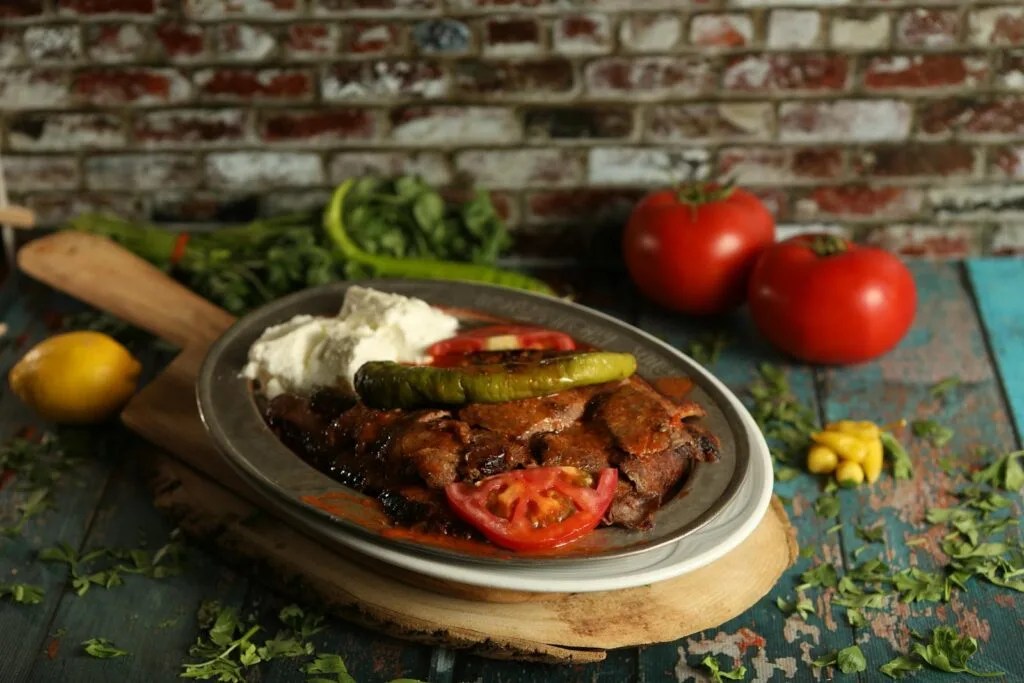
Iskender Kebab is a Turkish food that is a re-formulated version of the traditional döner kebab, but a lot fancier. The main ingredients are lamb (or sometimes chicken or beef) that is sliced thinly, vertically roasted, then layered on top of the pieces of Turkish pide or pita bread that have been fried and covered with warm tomato sauce and butter, and a side cup of yogurt (or ayran).
The traditional way of serving this dish is hot, but instead of sandwiches or wraps, İskender is plated (it’s basically the doner’s/gyro’s more elegant and refined cousin). The main appeal of this dish is that it is quite simple: quality meat, delicious sauces, bread, and yogurt. The meat is shaved directly from the rotisserie, placed on the bread, covered with sauce and butter, and yogurt on the side, or sometimes even on top of the meat.
The name came from the person who made it, İskender Efendi, who first prepared this dish in Bursa sometime in the late 19th century.
Origin & History


İskender Kebab was first made in Bursa in 1867, a culturally diverse city of the Ottoman Empire (now Turkey) at the time. The person who is credited with the creation of the recipe was named Mehmetoğlu İskender Efendi, a man from Bursa who changed the way of meat grilling terribly by vertically stacking lamb slices and roasting them on a spit, thus giving birth to the classic döner kebab recipe.
But it was Haydari Efendi’s concept of serving the meat that was the key to the success of this new dish. The meat was placed on some torn pide bread, then it was drizzled with a spicy tomato sauce, butter made from sheep’s milk, and yogurt – an unexpected but delicious combo.
The modified recipe quickly became famous across the country, and today, the iskender kebab recipe is operating under trademark protection owned by the restaurant, which the descendants of İskender have founded. The dish is also known as “Bursa kebabı” and “Uludağ kebabı” in some areas.
Today, it is not rare to see İskender Kebab being served in different parts of the world. It has gone far beyond the borders of Turkey and become the most popular of the Turkish dishes in the European and the Middle Eastern regions.
Recipe Variations


Although Bursa is still considered the center of the dish’s universe, İskender Kebab is no longer limited to lamb and the region only. There are many different variations of the iskender kebab recipe, and here are some of the most common ones.
Meat Variations
Lamb is still the preferred traditional option, but beef or a blend of lamb and beef, and even chicken versions, can be found in different parts of Turkey.
Sauce Variations
The tomato-butter sauce is the main flavor, but apart from seasonings, some locals also add a few red pepper flakes or thyme for additional taste.
Bread Base Variations
Whereas traditional pide is mostly used, in different kitchens, naan, ciabatta, focaccia, or even lahmacun may be used as substitutes.
Serving Customs
In Bursa, the dish is served with generous butter drizzles and topped with green peppers, but in places like Germany or the Middle East, variations such as wraps or sandwiches are more common.
Enjoying this post? Then you may also like our list of the best Turkish soups or the best Turkish desserts.
Preparation Tips


Perfecting İskender Kebab at home is only possible by having a keen eye for details, and here are some things you need to keep your eye on.
Meat Quality:
Go for well-marbled lamb or beef for the succulent factor, slice the meat very thinly, cook it partially first, and then chill for easier slicing.
Marinate Thoughtfully:
Give an infusion of flavor and tenderize by mixing olive oil, yogurt, grated onion, cumin, paprika, salt, and pepper.
Sauce Technique:
First, saute garlic in butter and then add tomatoes and spices, cook while stirring until it is thickened.
Bread Preparation:
Take the pita/pide, which has been torn or cubed, and either lightly butter-fry or bake it until the color is golden and crispy enough to absorb the sauces.
Temperature Control:
Make sure all three of the meats, sauce, and butter are very hot. Keep the yogurt cold so that the contrast is clearly noticeable.
Grilling Alternatives:
If you do not have a vertical spit, pan-sear, roast, or grill the meat in batches so that you can imitate the texture of a rotisserie.
Serving Tips


To present an authentic İskender experience: use shallow platters or traditional copper plates. Start with toasted bread, heap on the meat, pour tomato sauce and butter, then add yogurt, finishing with parsley and pepper.
As for accompaniments, you can never go wrong with charred green peppers and tomato halves. Besides this, you can give a fresh salad or go for simple sides such as grilled vegetables or fritters.
Beverages: Stick to traditional ayran, water, or Turkish tea. The sourness of the yogurt drink uplifts the meal’s richness.
Typical order sizes are bir porsyon (single portion), bir buçuk (1.5), and double (duble porsyon) in Bursa restaurants. Plate and serve immediately. Make sure sauces are hot and bread is crisp so that contrast is not lost.
A Few Things You May Need


Rotisserie Oven


Skillet

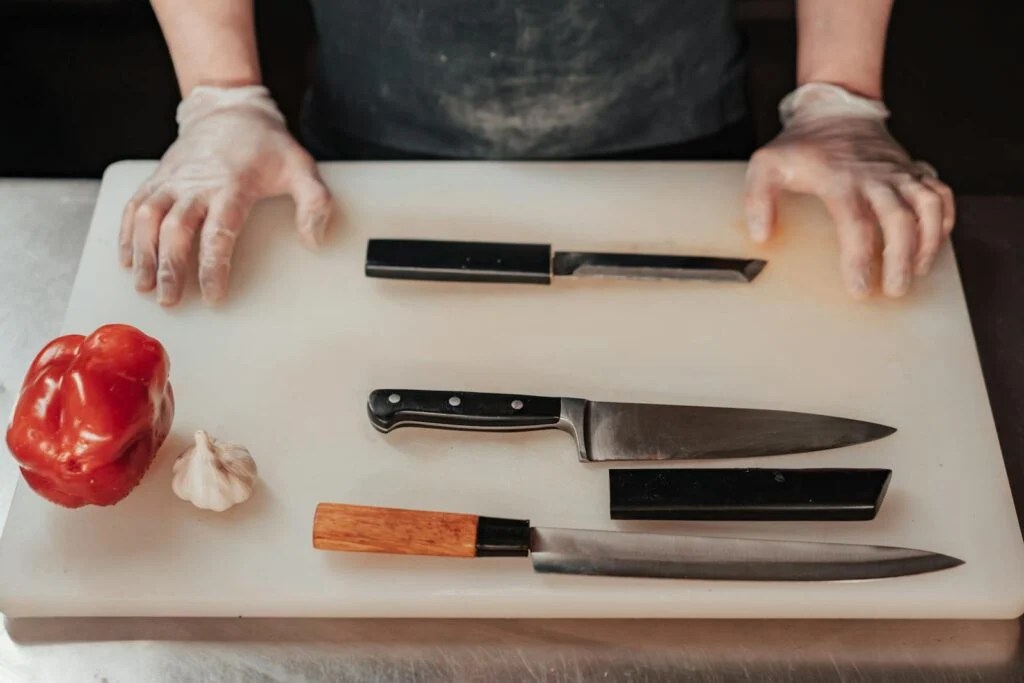
Cutting Set
Iskender Kebab Recipe


In this article, we introduce you to the traditional iskender kebab recipe and teach you everything there is to know about this delicious meaty snack.
Ingredients
Meat & Marinade
- 500 g lamb/beef, thinly sliced
- 2 tbsp olive oil, 1 tbsp yogurt
- 1 small onion (grated), 1 tsp cumin, 1 tsp paprika, salt & pepper
Tomato Sauce
- 2 tbsp butter & 400 g crushed tomatoes
- 2 cloves garlic, ½ tsp sugar
- Salt, pepper, optional red pepper flakes
Bread & Butter
- 4 pita/pide bread pieces, cubed
- 150 g butter (for final drizzle)
Yogurt & Garnish
- 1 cup plain Greek or Turkish yogurt
- Fresh parsley, charred peppers & tomato halves
Instructions
1. Marinate Meat
Mix olive oil, yogurt, onion, cumin, paprika, salt, and pepper. Coat meat; refrigerate at least 1 hour or overnight.
2. Prepare Tomato Sauce
Melt butter, sauté garlic, stir in tomatoes, sugar, salt, pepper. Simmer until thickened.
3. Toast Bread
Preheat oven to 180 °C (350 °F). Lay bread cubes, bake 5–7 minutes until golden.
4. Cook The Meat
Roast the marinated meat for 15–20 minutes (flipping halfway), or grill/pan-sear until browned.
5. Brown Butter
Melt 150 g butter in a pan; allow to brown but not burn.
6. Assemble the Dish
Spread toasted bread on a platter, arrange the meat atop, ladle tomato sauce, dollop yogurt, then drizzle browned butter. Garnish with parsley.
7. Serve Immediately
Pair with charred peppers, tomato, ayran, and salad. Each bite offers layered flavor.
Nutrition Information:
Serving Size:
350 gramsAmount Per Serving: Calories: 820Total Fat: 49gSaturated Fat: 28gTrans Fat: 2gUnsaturated Fat: 5gCholesterol: 158 mgSodium: 877mgCarbohydrates: 46gNet Carbohydrates: 46gFiber: 3gSugar: 4gSugar Alcohols: 0gProtein: 39g
How did you like our Iskender kebab recipe? Did you try to make it at home? If you did, don’t forget to leave us a rating and let us know how it went.
Like it? Pin it for later.