
Turkey is a prime destination for Muslim travelers when it comes to halal food. Since Islam is the prevailing religion in Turkey, a lot of restaurants, meat suppliers and street vendors already practice halal (or at least do not sell pork). You will commonly find in large cities Helal or Etker Helal (meaning in restaurants) written upside down. With that said, it is still a good idea to know what types of dishes are generally halal, what to be mindful of, and what are the most popular Turkish halal food delicacies.
Introduction


Since more than 95 percent of the Turkish population are Muslims, halal food is the exception and not the norm. Nevertheless, it is always good to know the way of how halal standards are followed in this country and what tourists should consider.
Meat Slaughtering & Labeling
In Turkey, the majority of meat, both found in restaurants, supermarkets and street stalls, is by default halaal, in accordance to the injunctions of Islamic slaughtering (helal kesim).
The sign Helal Et (halal meat) will be present frequently at butcher shops or restaurants. Nevertheless, in large touristic destinations such as Istanbul, Antalya or Bodrum, where foreign cuisines are widespread, certain establishments can either import meat, or utilize suppliers who are not certified as halal.
You can be sure by asking, simply, “Etler helal mi?”, meaning- Is the meat halal? This question will be familiar to most members of the restaurant staff, who will be glad to verify.
No Pork/Pork By-Products
In Turkey, pork is never eaten and it is virtually absent in traditional Turkish food. It is not found everywhere—only in some non-Muslim communities (e.g., some Greek or Armenian restaurants) or in international hotels that serve Western tourists. Nevertheless, it is prudent not to eat sausages or susuk of brands unknown, since some are non-halal. Real Turkish sucuk is made of beef, and is labeled helal.
Alcohol Use in Cooking
The Turkish dining culture is rich and wine, beer, and raki (anise liquor) are widely served. Yet in alcoholic restaurants, alcoholic dishes are often prepared without alcohol, as well. The use of wine sauces or alcohol marinated meals are not common in traditional Turkish cooking. When you eat in a good restaurant or a Western-like restaurant, however, you can just say “Yemekte al kol vardra” (Does the food have alcohol in it?).
Hidden Ingredients
Non-halal additives, such as alcohol-based flavorings or gelatin, may sometimes be used in desserts, sauces and processed foods. Always look at ice creams, puddings or foreign chocolates, as they might contain gelatin.
And in cheeses and yogurts, microbial rennet is always used in dairy that is produced locally, but imported varieties may not. Some baklava available in tourist locations may be butter mix using unknown sources – choose the Turkish brands or local pastry shops.
Vegetarian and Plant-Based Foods
Numerous Turkish dishes, including meze, vegetable stews (zeytinyağlili), börek and lentils are also vegetarian and are halal by default.
Nevertheless, it should be made clear whether they use any animal butter or animal broth, particularly in the home-style restaurants (esnaf lokantası). A mere Yağ hayvansal mı? (Is the animal based on fats?) will suffice.
Regional Variations


As the default cultural food is halal, international restaurants serving pork or alcohol-heavy menus are common in tourist-concentrated cities along the coast, including Antalya, Bodrum, Marmaris, and Izmir.
In contrast, the central and eastern areas (Konya, Kayseri, Gaziantep, Şanliliurfa) are more conservative, and almost everything you can find there is halal.
Istanbul


Being the cultural and gastronomic center of Turkey, Istanbul provides the high-end Ottoman cuisine as well as halal street food. Districts such as Fatih, Sultanahmet, Üskudar, and Eminoen are also full of halal certified restaurants that offer traditional foodstuffs, such as kebabs, pide, mercimek çorbasi, and baklava.
There are obviously marked halal restaurants or alcohol-free cafes even in more cosmopolitan areas such as Beyoğlu or Kadiköy. Have a taste of Galata Bridge fish sandwiches (balik ekmek), simit at street booths and kumpir (stuffed baked potato) in Ortakoy.
Gaziantep


Gaziantep is an UNESCO-proclaimed City of Gastronomy, known as the gastronomic center of Turkey. Almost everything here is halal, and the culinary tradition here is heavily rooted in Islam. Its kebabs, stews with lamb, sweet pastries are well known, particularly kunefe (dessert of syrup-covered cheese) and baklava.
Locals are serious when it comes to food preparation; even the street stalls maintain halal preparation. Note the Ali Nazik kebab, beyran soup, and katmer (flaky pistachio dessert).
Cappadocia


In addition to surreal rock structures and hot-air balloons, Cappadocia also provides abundant flavor of central Anatolian cuisine. Lots of places here specialize in the old-fashioned clay-pot meal, including testi kebabı slow-cooked meat and vegetables, packaged and cooked in a jug of pottery and broken at the table. The area is very popular with tourists so it is a good idea to verify the halal status but most of the local, family-owned restaurants use halal-certified meat by default. Food in Capppadocia is simple, robust and should be taken in the little cave type restaurants, also known as Ürgup or Goreme.
Izmir: Seafood with a Greek spin


Being a large Aegean city, Izmir is a mixture of Turkish and Greek cuisine. Halaal foods available in the region include grilled sea food, midye dolma (stuffed mussels) and boyoz (a pastry made of butter and eaten at breakfast). Although seafood is widely considered to be halal, it is always prudent to check whether the food has been prepared without the use of wine and alcohol-based sauces. The Kordon or Kemeralti are home to street vendors who sell inexpensive halal treats and give a real feel of the vibrant seaside Izmir.
Turkish Halal Food: Popular Dishes
Now that we covered some basics, let’s talk dishes, here’s some of the most popular Turkish halal food…
İskender Kebab (Bursa)


The İskender kebab, the Turkish all time iconic dish, is a creation of Bursa and one of the most popular traditional Ottoman dishes you can still find in Turkey. Layered over the cubes of pita bread are thin slices of lamb or beef, moistened with a piquant tomato-butter sauce, and topped by the addition of melting sheep butter streaming sizzling-hot over the top. It’s served traditionally with a side of cool thick yogurt to counter the richness.
This opposition between the buttery sauce, the crispy bread, and the tender meat makes the perfect combo. The traditional version is prepared simply by lamb meat cooked on a vertical spit. When you go to Bursa be sure to visit the original Kebapci Iskender family restaurant where the dish was first introduced in the late 19 th century.
2. Adana Kebab (Adana)


The Adana kebab (hailing from southern Turkey), is a spicy, hand-minced lamb kebab combined with red pepper flakes and tail fat, and then grilled on broad, flat skewers over open charcoal. What ensues is a juicy smoky masterpiece eaten with lavash bread, grilled peppers, tomatoes and parsley. The spiciness/hotness of its flavor is a perfect reflection of the burning nature of the Adana region.
It is commonly served with şalgam suyu (fermented turnip juice). In order to qualify as true Adana kebabs, they have to be prepared under the auspices of the Adana Chamber of Commerce in order to be named so, a fact which shows how proud the locals are of their most popular dish.
3. Alinazik Kebab (Gaziantep)


A dish made of yogurt and smoked in Gaziantep, Alinazik kebabı is a smoky dish of eggplant puree and soft cubes of sautéed lamb. The eggplants are roasted on an open fire until tender and then mashed in the yogurt and garlic and spiced, hot meat. The outcome is smooth, smoky, and highly fragrant – a good combination of smoky and tangy taste.
It can be served with buttery rice or lavash, and it is the real embodiment of the grace of southeastern Turkish cuisine. Alinazik means roughly, gentle hand, in regard to the balancing act one needs to achieve in order to produce the eggplant purée to a smooth consistency. The finest Alinazik kebabs can be found in the old bazaar restaurants of Gaziantep.
4. Lahmacun (Nationwide)


Often dubbed the “Turkish pizza” by those unfamiliar with its rich history, lahmacun is a wafer-thin flatbread, topped with a savory mix of minced meat (typically beef or lamb), tomatoes, bell peppers, onions, some green veggies, and a mélange of spices. It’s a dish capable of taking you on a journey through bustling Turkish bazaars and sun-kissed coastlines with just one single bite…
5. Testi Kebab (Cappadocia)


Testi kebab (pot kebab) is a visual and culinary spectacle; a slow-cooked meat and vegetables encased in a clay jug. The closed pot is left in an oven or on embers, and flavors are combined in their own juices over several hours. A pot is then theatrically broken at the table when the time is right and a resistless odor of stewed lamb, onions, garlic, tomatoes, and peppers flows out.
It’s a food with ancient roots in the culinary culture of Cappadocia, where clay pottery was widespread. Göreme or Ürgup restaurants offer it as a meal and a show – a dish that visitors to the region cannot miss.
6. Karnıyarık (Nationwide)


Literally translated as split belly, karniyarik is stuffing made of eggplant, filled with minced beef or lamb, onions, garlic, tomatoes, and spices and roasted until tender. It is wholesome, invigorating, and representative of home style Turkish cuisine. The eggplant serves as a container and as a flavor foundation, absorbing the savory juices of the stuffing.
It is generally accompanied by rice pilaf and yogurt. A similar fasting dish, prepared using olive oil, is called imam bayildi and is a vegetarian version of the dish made by a cousin of the same name. Karnıyarık is present in the majority of local restaurants (esnaf lokantas) throughout the country -that type of food Turkish families are happy to serve on Sunday lunch.
Beyti Kebab (Istanbul)


Beyti Kebab Named after the Istanbul chef Beyti Gulers who popularized it in the 1960s, Beyti Kebab is elegance bound in simplicity. It is characterized by minced lamb or beef, which is impaled onto a skewer, then covered with tomato sauce and melted butter in a thin layer of lavash bread. It is often served as a slice, resembling in appearance rolls of sushi (but served with yogurt).
The combination of smoky meat, tangy sauce and creamy yogurt makes it one of the most sophisticated kebab dishes in Turkey. The original is available at Beyti Restaurant located along Ataturk Airport in Istanbul which is still operated by the family of the founder and it is regarded as a food icon.
8. Pide (Black Sea Region)

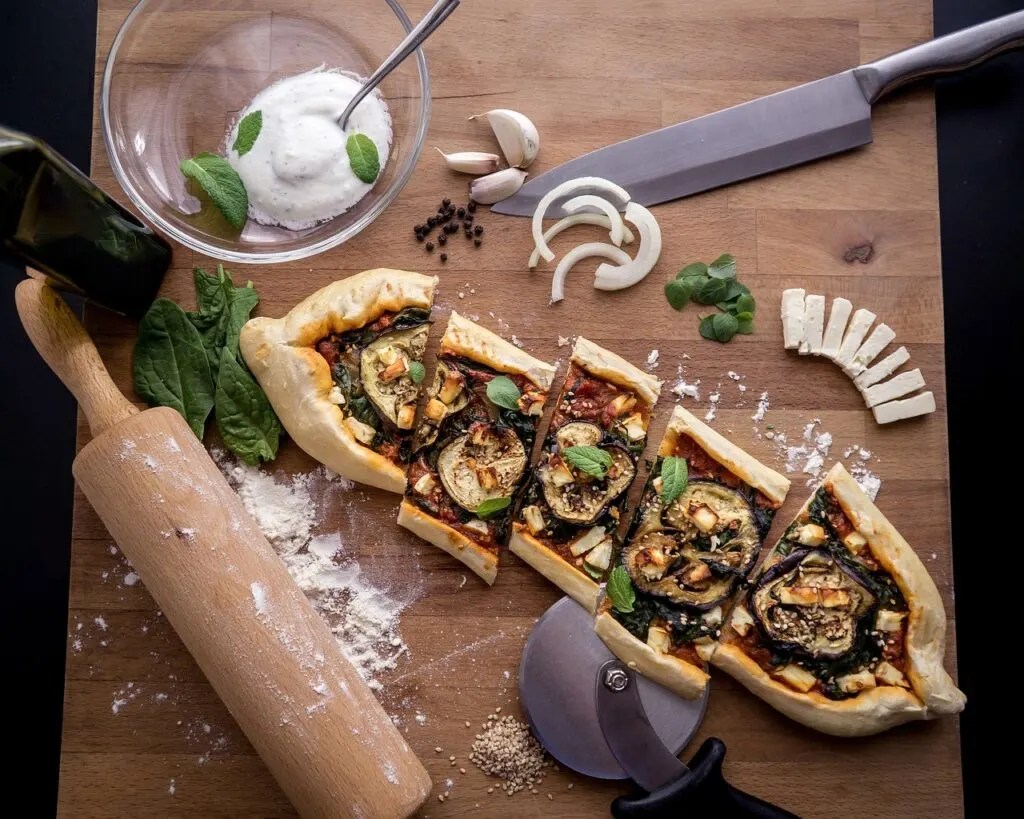
Pide is the Turkish response to the comfort food of flat breads, this one oval-shaped, baked with assorted toppings such as minced meat, sucuk (spicy sausage), eggs, spinach or cheese. It has its origin in the Black Sea area, particularly in Samsun and Trabzon, but pide has different shapes and flavours and is consumed in all parts of the country.
The edges are normally folded in to contain the fillings in forming a Turkish canoe. The meat varieties are well spiced, whereas the cheese-and-egg types are creamy nirvana. The locals usually dunk the crust in the remaining yolk as a final bite. A quick snack or a traditional family dinner, pide demonstrates the flexibility of Turkish cooking traditions.
9. Döner Kebab (Nationwide)


Döner kebab is the exemplary Turkish street food and the dish that made shawarma and gyro so popular all over the world. Lamb, beef or chicken is sliced thinly and placed on a vertical rotisserie where it is slowly roasted while rotating, resulting in even cooking with crisp edges. The meat is peeled and placed in bread (durum) or on rice, accompanied by vegetables, pickles and sauces.
During the Ottoman period, döner was invented in Bursa and is considered to be one of the most well known halal foods across the globe. The streets of Istanbul, particularly Taksim and Eminoenlu, are filled with döner shops both in form of the quick grab-and-go diner but you can also find this popular dish in fine-dining restaurant as well.
10. Mercimek Köftesi (Nationwide)


Popular with vegetarians and a classic dish in Turkish domestic cooking, mercimek köftesi are red lentil patties made of bulgur, tomato paste, onions, and spices including cumin and paprika. They are rolled into little finger-sized logs and served on ice with lettuce greens and lemon slices. The food is hearty and delicious even in the absence of meat: the lentil nuttiness and spice are a great match.
These are meatless meatballs that are prevalent at family events and mezze tables. They also find favor with the people following the halal diets wishing to have a light, healthy and plant-based choice. They originated in southeastern Turkey where lentils are one of the major crops.
11. Künefe (Hatay)

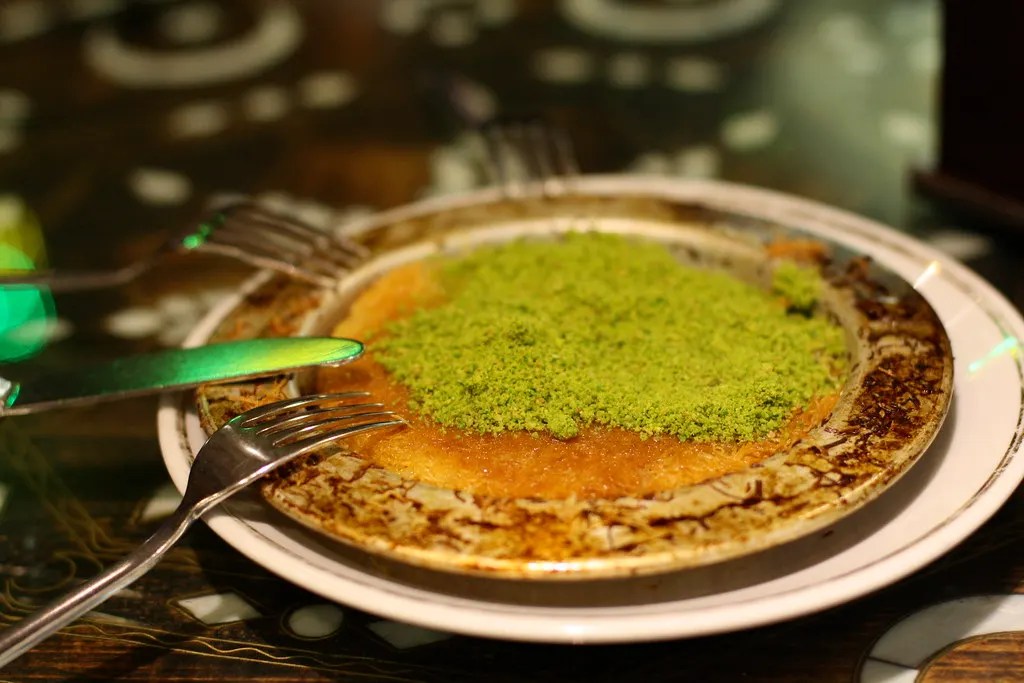
Kunefe is one of the most popular desserts in Turkey. It originates from the Turkish city of Hatay which borders Syria. The pastry dough (kadayıf) is shredded, then stacked with an unsalted cheese, baked until crispy and dipped in warm syrup. It’s served hot to provide a crunch-creaminess-sweetness that few desserts can compete with.
The cheese becomes stretchy and ooey-gooey, and every bite is decadent. Traditionally it’s cooked in little copper pans and sprinkled with pistachios. Since it’s considered a quick bite, you will regularly find vendors tossing pans in the air over open fires. Hatay and Gaziantep are regarded as the twin cities of true kunefe.
12. İmam Bayıldı (Nationwide)


A vegetarian traditional meal whose name translates to The Imam Fainted, is served with a lovely legend: an imam supposedly fainted by the deliciousness of this dish. İmam bayıldi is a dish made of eggplants filled with tomatoes, garlic and onions and cooked in slow oven with olive oil. The outcome is dense but light and suited to hot weather.
It features in zeytiyaniğlak — vegetable dishes made of olive oil that is typical of Turkish and Aegean cuisine. Tastes good best at room temperature with crusty bread and is used during Ramadan or by those who are not eating meat.
13. Ezogelin Çorbası (Gaziantep)


Ezogelin soup is a spicy warm lentils soup that is popular throughout Turkey as a starter or even breakfast. It was invented in Gaziantep and it is prepared with red lentils, bulgur, tomato paste, butter, mint, and red pepper flakes. The name translates to Bride Ezo Soup, which is a name of a woman called Ezo whose legend became folklore due to her loveliness and sadness.
Her dish is easy but warm, comfortable and sturdy. Ezogelin is spicier and tangier than filler lentil soup (mercimek çorbası), and is ideal on cold evenings. Accompanied by lemon, and rough bread, it is both nourishing, and steeped in Anatolian culture and hospitality.
14. Mercimek Çorbası (Nationwide)


It is the ultimate comfort food of Turkey, unpretentious, creamy and soothing red lentil soup. It is made of puree lentils mixed with onions, carrots, potatoes, and a pinch of cumin and is a part and parcel of every household and restaurant. The creamy texture and light taste of the soup make it appropriate to be eaten any time of the day, including breakfast.
Top it with a drizzle of melted butter sprinkled with paprika to give it warmth and aroma. In most of the halal restaurants, it is served as the starter before meat products. Due to its easy digestibility and the fact that it is vegan-friendly, it is also used during Ramadan during iftar. Basic, wholesome, and hearty, mercimek çorbasi is a representation of what Turkish home cooking is all about.
15. Menemen (Nationwide)


Menemen is a Turkish scrambled egg dish made of tomatoes, green peppers, onions (excluding in certain parts of Turkey), and olive oil. It is a breakfast dish, lightly salted and peppered, perhaps with chili, and served right out of the pan on bread. The trick of it is the unity of creamy eggs and juicy tomatoes that become a smooth, tasty sauce.
Others add cheese or sucuk (halal beef sausage) to add more richness. It was created in the town of Menemen in the Izmir region and is simple but most satisfying – a good example of how Turkish food transforms simple ingredients to comfort food.
16. Çiğ Köfte (Şanlıurfa)


After being prepared with raw minced meat mixed with fine bulgur, tomato paste, and spices, modern çiğ köfte has come to nearly always be vegetarian, with bulgur, walnuts, pomegranate molasses, and chili paste replacing the meat. It is rolled into little patties about the size of your fingers and eaten in lettuce with lemon.
The hot and sour taste is compulsive and its vegetarian nature allowed it to be halaq and palatable to most people. It’s said to be of the time of the Prophet Abraham even though originally it was found in Şanliliurfa. In modern Turkey, çiğ köfte is an omnipresent dish in the urban areas, where people eat it as a light meal or snack.
17. Kuru Fasulye (Nationwide)


Kuru fasulye, the so-called national dish of Turkey is a savory white bean stew cooked with onions, tomato paste and olive oil – in some cases with small bits of beef or sucuk. It is the Turkish version of comfort stew, and it should be served with rice (pilav) and pickles.
It is a very basic food but has a strong cultural significance; it is one most Turks associate with family dinners and homestyle food. The kuru fasulye served in copper pots in the restaurants surrounding Süleymaniye Mosque are popular dishes in Istanbul.
18. Balık Ekmek (Istanbul)


Balik ekmek when translated to fish sandwich is one of the most popular street foods in Istanbul. It is generally prepared using freshly grilled mackerel, which is packed into crusty bread with onions, lettuce and squeezed lemon. Vendors are located on the Galata Bridge and Eminönü waterfront and they sell it out of the boats.
The food is emblematic of the maritime spirit of the city, simple, cheap, and outstandingly fresh. Fish is of course halal, but many stalls take the opportunity to market their products as helal balik ekmek in order to assure Muslim customers. Having one with a view of the Bosphorus is a must-have Istanbul meal experience that is an enjoyable mix of local flavor and breathtaking scenery.
19. Baklava (Gaziantep)


Still perhaps the best-known Turkish pastry in the world, baklava is a work of art in pastry flakes, nuts and sweet syrup. It’s eaten across the country but the best baklava can be found in Gaziantep, the food capital of Turkey. It’s prepared by piling dozens of paper-thin sheets of phyllo dough over butter and crushed pistachios (or walnuts), and baking it until it turns a golden color.
It’s then dipped into a light syrup of sugar or honey once out of the oven, which makes it the ideal balance of crispy and damp. A dessert closely associated with hospitality, it is served at Eid festivities, weddings, and family dinners.
20. Sütlaç (Nationwide)


Last but not least, we conclude this guide to Turkish halal food with sultan. It’s one of the most comforting desserts of the country, sütlaac or Turkish rice pudding, is creamy, perfumed and slightly sweetened. Prepared of rice cooked slowly in milk and sugar, it is baked traditionally in clay pots until a caramelized crust forms over it.
Sutlac is often chilled and sprinkled with cinnamon, and found on most restaurant menus in Turkey, both large and small. Since it’s completely made of milk and rice, it is naturally halal so it is a safe and delicious option that travelers can use to enjoy the traditional sweets.
How did you like our guide to Turkish halal food? Did you ever try any of these dishes? Feel free to share your thoughts and experiences in the comments below.
Like it? Pin it.


