If you’re following our blog, you know we’re huge fans of Balkan cuisines and of course, Turkish cuisine; In the past, we wrote about the best Turkish desserts, Turkish soups, Turkish vegetarian food, Turkish street food, Greek street food, and in this article, we’ll focus on the most popular Turkish snacks and teach you everything there is to know about them.
We’re starting this list of the best Turkish snacks with a few popular Turkish street food items beloved across the country (and some, even abroad).
Gözleme
Gözleme is a thin, savory flatbread that can be filled with anything from spinach and cheese to minced meat, potatoes, or even sweet fillings like tahini and sugar. The dough is stretched out to be very thin, filled, sealed, and then cooked on a domed griddle called a sac. While you can buy Gözleme at traditional restaurants or roadside cafes, the best Gözleme is usually the ones that Turkish aunties sell at village markets (pazar).
The name is derived from the word “göz,” which means “compartment” or “window,” describing how the fillings are visible through the crisped thin dough. Typically, this is served with ayran (a salty yogurt drink), and it can be either a snack or a light meal.
Lahmacun
Often dubbed the “Turkish pizza” by those unfamiliar with its rich history, lahmacun is a wafer-thin flatbread, topped with a savory mix of minced meat (typically beef or lamb), tomatoes, bell peppers, onions, some green veggies, and a mélange of spices. It’s a dish capable of taking you on a journey through bustling Turkish bazaars and sun-kissed coastlines with just one single bite…
Kumpir (Stuffed Baked Potato)
Kumpir is a delicious street food snack made of baked potato, mainly found in the street stalls or kiosks by the sea (Ortakoy in Istanbul is renowned for it). It begins with a huge potato, which is baked until it becomes fluffy and then its insides are smashed with butter and kaşar cheese, and whatever you want to add on top of it, including olives, pickles, corn, hot dogs, mayo salads, peas, bulgur, ketchup, mushrooms, even Russian salad. It’s a traditional Turkish street food that tourists should definitely taste, and the fun part about Kumpir is that you get to see it being prepared: the vendor mashing, mixing, and heaping the toppings right in front of your eyes.
Etli Ekmek
The most famous flatbread of Konya is Etli Ekmek, somewhat similar to lahmacun (and zapiekanka) but longer, thinner, and meatier. The name itself is translated as bread with meat, and that exactly what it is – a long oval of thin dough covered with finely minced meat, onions, tomatoes, and spices and baked until the edges are crispy. It’s normally served as strips of meat rolled or folded, and sometimes accompanied by a dish of pickled peppers.
The Etli Ekmek is not just a food in Konya, the city where Rumi was born, but it’s a cultural heritage. There are certain bakeries that are generations old, and locals swear by them. It is usually accompanied by ayran or şalgam (fermented turnip juice) and may be taken as a light meal or a full snack.
Cantık Pidesi
Originating from Bursa, Cantık Pidesi is a round, boat-shaped bread that can be topped with ground meat, cheese, or a combination of both. Cantık is different from other pide variations, it’s thin and flat as it has a crust that is slightly puffier and with a thicker base. Its most traditional version contains minced beef or lamb that is seasoned with pepper, onion, and parsley. Usually, it is barbecue-cooked in a wood-fired oven and is served hot, usually for lunch with a glass of ayran or soda water. Tourists often confuse Cantık with pizza; however, it is more delicate and bready, not sauce-heavy in
Sigara Böreği
The name of Sigara Boregi is based on its shape; it’s basically a burek variety with a cigarette-like shape, thin and cylindrical. They are prepared using phyllo dough (yufka), stuffed with beyaz peynir (white cheese) and parsley, and occasionally mashed potato or minced meat. These are rolled up, oiled, and fried till golden and crisp. Sigara Boregi is a common meze (appetizer) and tea-time snack, which is served during family get-togethers, weddings, or Sunday breakfasts. Although the most typical is the cheese version, spicy and meaty are becoming popular in the Turkish cafes.
Pacanga Böreği
Pacanga Böreği is a richer, meatier cousin of the more common Sigara Böreği. Instead of a slim cigar shape, this börek is often rolled or folded into plump parcels stuffed with pastırma (Turkish cured beef), cheese, peppers, and sometimes tomatoes. It’s then deep-fried to crispy, golden perfection. The pastırma gives it an umami-rich, garlicky depth that pairs beautifully with the gooey, melted cheese inside. Pacanga is often served as a meze in meyhaneler (traditional taverns) or as a special Sunday brunch item in Turkish homes.
Originating from Istanbul’s fusion of Ottoman and Balkan cuisines, it’s considered a more indulgent börek. You’ll find it best in modern meyhanes or high-quality casual restaurants. Pair it with ayran or a crisp white wine to balance the richness. It’s also a popular Ramadan dish, offering a hearty start to an iftar meal. Warning: it’s almost impossible to eat just one.
Midye Tava
Midye Tava is a Turkish street food treasure that is a must-try for seafood lovers; it is deep-fried mussels on a stick. Fresh mussels are battered lightly and fried to a golden color and are normally accompanied by a garlicky tarator sauce made of tahini, walnuts, and lemon juice. Midye Tava is primarily available along the coast, in particular in the Kadikoy district of Istanbul, or at the seaside resorts of Izmir and Bodrum. It is best consumed on your feet at a food stall with a skewer in one hand and a sauce in the other. Midye Tava is particularly common at late night, usually as an after-Rak and shore snack.
Ekmek ve Zeytinyağı (Bread & Olive Oil)
While being quite simple, ekmek ve zeytinyağı is a very important part of Turkish food culture. It consists of a slice of freshly baked bread topped with olive oil, often locally pressed, and sometimes it is flavored with thyme or pul biber (red pepper flakes). This is the typical breakfast that is eaten in the Aegean and Mediterranean regions, where the olive trees and olive oil have become a part of the local lifestyle. In homes from Bodrum to Ayvalık, this pairing may be the first thing that has been placed on the table. It’s usually consumed together with olives, tomatoes, and cheese on the side.
Döner Kebab
Doner kebab (döner kebab) is a Turkish wrap, similar to the Arab shawarma. It’s a variation of kebab, shredded into tiny pieces and wrapped in a flatbread, alongside a mix of salads and sauces. The word döner means to “rotate”, while the word kebap refers to meat cooked on a skewer. Doner kebab is made of meat, usually either chicken or lamb, seasoned and caramelized, and slowly cooked to perfection while being slowly turned on a vertical rotisserie. The doner seller usually slices thin layers of the doner kebab before wrapping it in the flatbread with the other ingredients.
İskender Kebab
Named after its 19th-century creator İskender Efendi from Bursa this dish is a richer, plated version of the döner kebab, made of thin slices of döner meat but placed on a bed of diced pide bread (instead of a wrap) and covered with a generous amount of hot tomato sauce and melted sheep butter, usually served with a side of cool, tangy yogurt.
The hot butter is often poured over the dish tableside, making it even more inviting. Unlike the grab-and-go döner wrap, which is usually a street food snack, İskender is designed for slow enjoyment, normally with a fork and knife in a sit-down setting. You can find this delicious Turkish snack everywhere in Turkey, but the most authentic İskender kebabs can be found in Bursa, where the İskender family still operates their restaurant.
Enjoying this post? Then you may also like our guide to Dagestan food.
Balık Ekmek (Fish Sandwich)
Balik Ekmek is hands down the most popular Turkish sandwich. The sandwich consists of a filet of fried fish (usually mackerel), tomatoes, peppers, and lettuce served on a piece of Turkish bread. You’ll find Balik ekmek in many restaurants, but take it from the locals; the best fish sandwich you can find in Turkey is not served on a table, it’s the one you get to enjoy on your feet.
Enjoying this post? Then you may also like our guide to Chechen food.
Teatime Snacks
In this section, we’ll cover a few Turkish snacks that are a great partner in crime for the beloved and omnipresent Turkish tea.
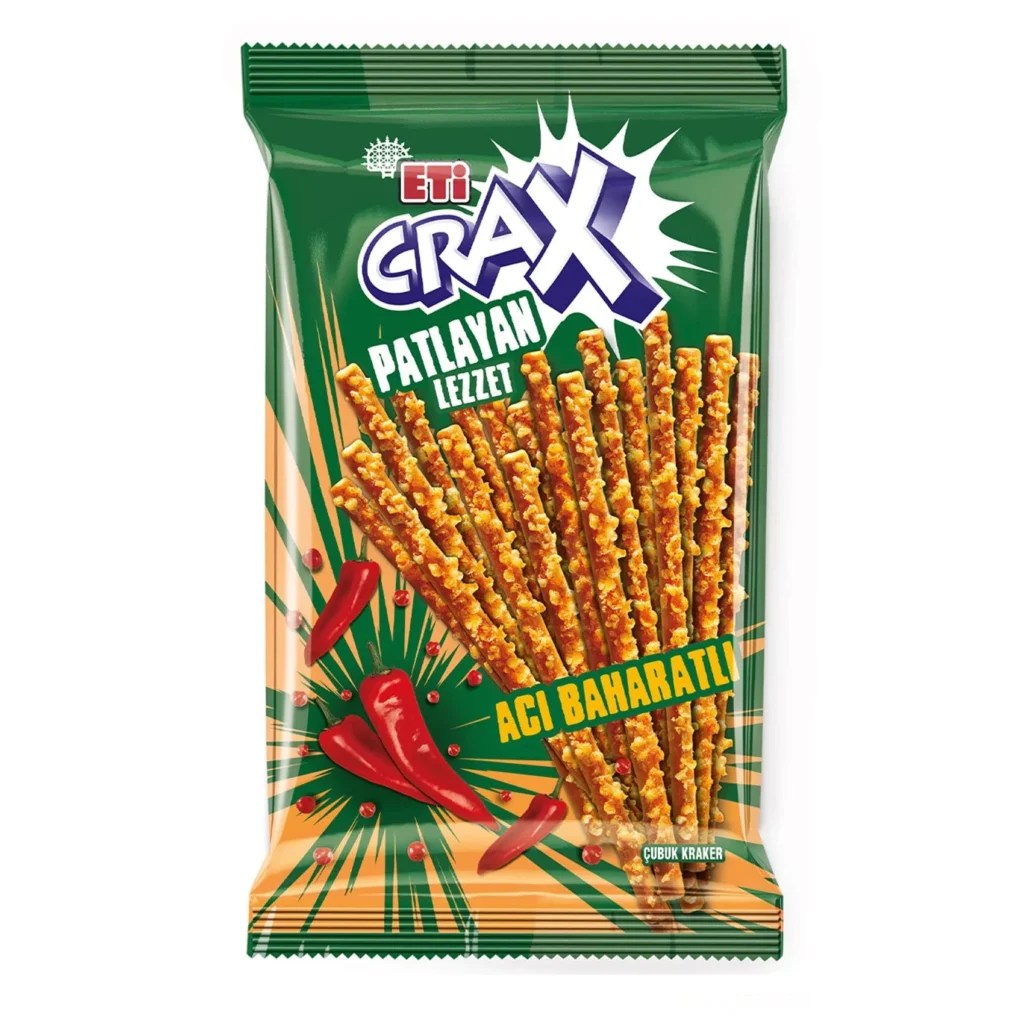
Crax
Crax sticks from Turkey come in different flavors, including cheese, herbs, or hot paprika. It’s crispy, salty, and of course, very addictive. The breadsticks, which are thin and crunchy, are the favorites of commuters, students, and ferry passengers, and they’re one of Turks’ favorite teatime snacks. Around the Bosphorus (one of the most famous tea spots in Istanbul), you can always spot locals buying both from ferry cafés and eating them while drinking tea on the upper deck, and even birds are not left out as they get a few sticks.
The snack dates back to the early 1990s, when Eti (a local company) began producing Crax. Crax also goes very well with beer or ayran (Turkish yogurt drink), depending on your mood.
Sesame Sticks
Sesame Sticks or Simit Çubukları are one of the most popular crunchy Turkish snacks. It’s like a crunchier version of the famous simit, and it’s prepared by baking it in an oven and coating it with roasted sesame seeds that give the sticks a nutty, toasted note. It’s similar to Crax, but with a slightly crunchier texture and a different aroma. They have become ubiquitous in Turkish gas stations, bus terminals, and student dorms and are the perfect teatime snack, usually combined with cheese or honey.
Tadım Sunflower Seeds
Tadım is a household name for sunflower seeds in Turkey. In most parks around the country, you can spot locals with their hats on, snacking on some sunflower seeds, and having a chat. Sunflower seeds have become a part of the daily routine —sports matches, ferry rides, and even deep conversations are incomplete without them.
The best-selling salted version of the sun seeds is the one made by Tadım, although rather hot and lemon-flavored varieties also exist. For years, Tadım has been using the same packaging design; therefore, it has now become one of the most recognizable brands in the minds of the people. These seeds are excellent partners for çay or beer, but take it easy: they are addictive.
Kandil Simidi
Kandil Simidi is a dry, crunchy simit variation with sesame on its surface and in the shape of a ring, traditionally eaten as a snack on those nights when religious rituals are being practiced (kandil). The snack symbolizes and constitutes a delicious part of the festive table brought by families who decide to either bake or purchase it to offer to the nearest and dearest, and also as a sign of spiritual and moral being, and to them.
Kandil Simidi differs from soft, doughy simit available on the streets in texture as it is drier, crumbly, and more savory, its closest comparison being to cheese biscuits of a dry variety. Generally, you will get it spiced with mahlep (a spice obtained from cherry seeds), therefore it smells a little bit of the floral notes and is nutty in fragrance.
Acıbadem Kurabiyesi (Bitter Almond Cookies)
Acibadem kurabiyesi is a very light almond cookie with a fruity note that can be found in most traditional Turkish patisseries. A confection of ground almonds, sugar, and egg whites, these little darlings have often been likened to the Italian amaretti but are heavier and have a beautifully crisped surface. They are free of gluten and very fragrant by nature, and have been one of the most popular Turkish snacks since the days of the Ottoman Empire.
Today, it’s quite a traditional practice of selling these cookies in pairs, with a small piece of edible wafer paper underneath to prevent sticking. Acıbadem kurabiyesi is a slow-baking delicacy that’s particularly delicious after a hearty lunch or during a mid-afternoon break, along with Turkish tea.
Kurabiye (Classic Turkish Cookies)
Kurabiye are round, shortbread-like, buttery cookies that are so soft, they melt in your mouth. These cookies are often mildly flavored with vanilla, lemon, or cocoa, they may be sprinkled with icing sugar, and sometimes topped with a nut such as walnut or hazelnut. Kurabiye is the perfect snack to have with tea at teatime: it is simple, not overly sweet, and suitable for soaking in a hot glass of black tea. They are always found in different bakeries and patisseries across the country, often arranged in big trays by type (there are many different variations of this popular cookie).
Desserts
Now that we have covered most of the famous street food and savory snacks, this list of the most popular Turkish snacks wouldn’t be complete without at least a few desserts.
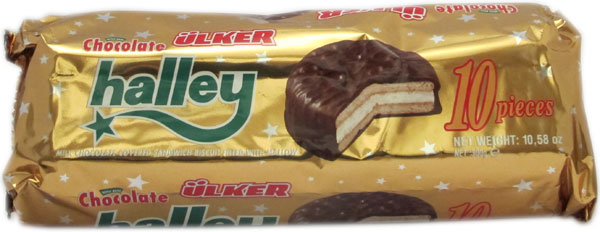
Halley
Halley is a marshmallow-filled biscuit sandwich covered with milk chocolate that’s one of Turkey’s favorite teatime snacks. It is similar to a MoonPie or South Korea’s Choco Pie, but with a different personality. It was first launched in the 1970s by Ülker, and in no time, it became the symbol of festivity, especially during Eid or birthdays. The name “Halley,” which was taken from Halley’s Comet, was a metaphor for something that is very rare and special. Its main characteristic is the light, soft marshmallow between two soft biscuits, with the chocolate layer keeping the two parts together and melting perfectly in tea.
Çokoprens
Çokoprens is what happens when tea biscuits decide they want to party. Visualize two briefly sweetened vanilla cookies that enclose a creamy cocoa filling—crunchy on the outside, silky on the inside. It was also created by Turkish giant, Ülker, and this delicacy quickly became an irreplaceable item of Turkish snack bars since the 1990s. It is especially loved for its simplicity: no complicated textures, just a clean contrast between biscuit and chocolate, and the combination of Turkish tea or milk complements the flavor of Çokoprens perfectly.
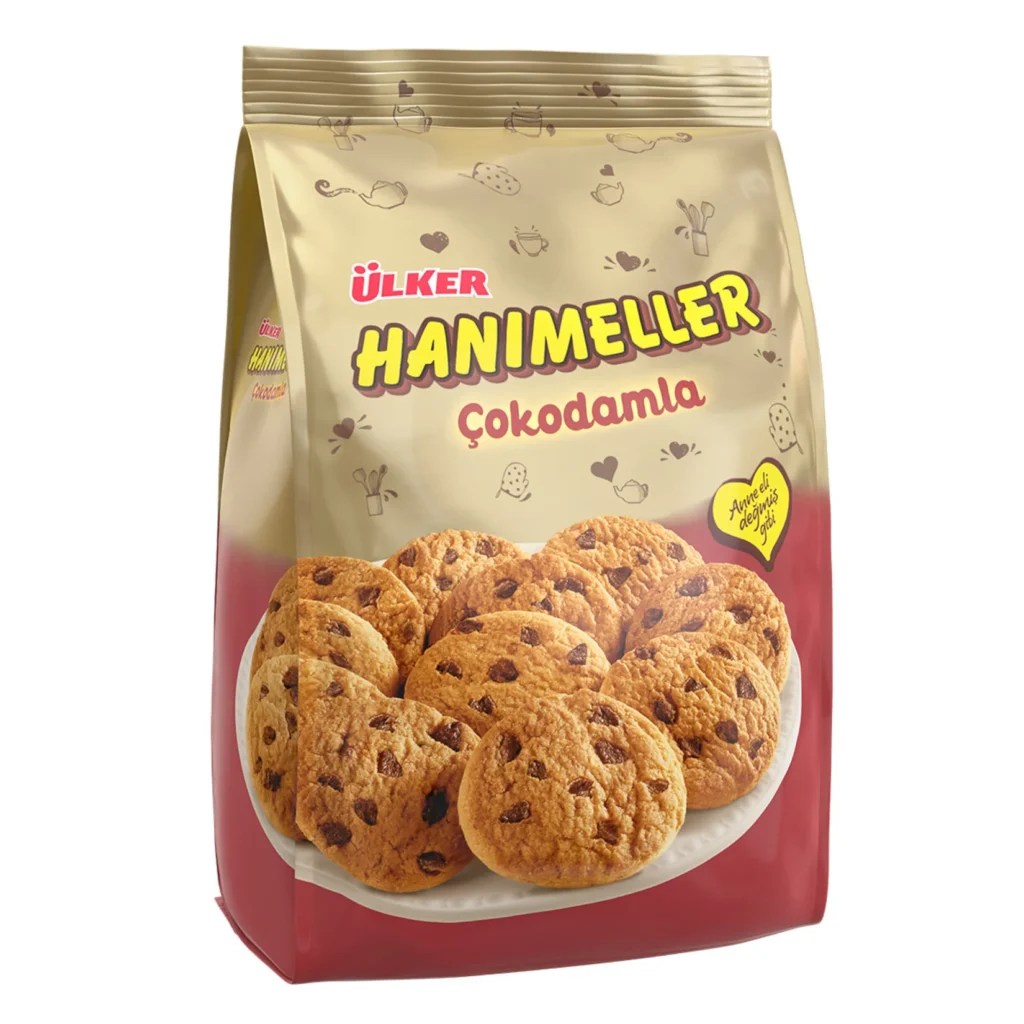
Hanımeller
Hanımeller, which literally means “lady’s hands,” is a line of cookies by Ülker that is based on homemade Turkish sweets. While different flavors are available, the headliner is unquestionably the hazelnut-filled dark chocolate one—cookies that are crumbly and buttery with rich chocolate centers and hazelnut pieces.
Let’s say it is the result of a love affair between a European shortbread and a Nutella cookie. Hanımeller biscuits are the go-to snacks for bulk buying before long bus rides or flights, and they are also the first snacks that Turkish people miss most when they go abroad. The cookies are not too sweet, which makes them very compatible with tea or coffee.
Pop Kek
Pop Kek is the Turkish version of a cupcake, of course, with a twist. Individually and neatly packed in wrappers, these mini sponge cakes come with pudding cores, usually chocolate, banana, or strawberry, and a thin syrup layer on top. The first introduction of Pop Kek to the Turkey market was in the 1990s by Eti, and it quickly became a favorite because of its fluffy texture. It’s that kind of snack you eat with your coffee at a gas station or pack in a school lunchbox, soft, filling, smooth, and not too sweet but just sweet enough.
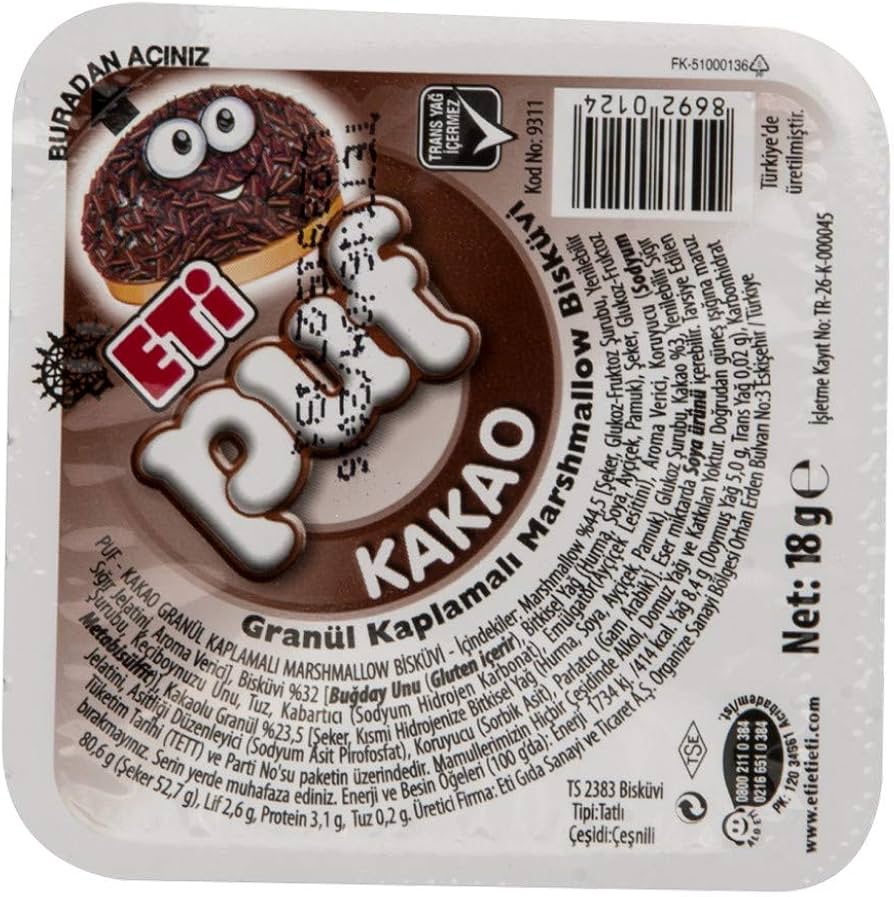
Puf Biscuits
Puf Biscuits are another cookie created by Eti that can be seen at most children’s birthday parties. Each biscuit is coated with a considerable marshmallow dome and then sprinkled with either colorful or chocolate sprinkles. The texture there is really something playful: crispy at the bottom, then the soft part, and finally a thin layer of sugar that is sweet and crisp. You have it in two main flavors: rainbow and chocolate sprinkle, both equally delicious. Due to the lack of anything similar to Puf, it is a kind of uniquely Turkish treat.
Lokma
Lokma is the Turkish version of doughnuts, just much lighter, crispier, and infused with syrup, crispy on the outside and extremely soft and fluffy inside. They are generally dipped in a lemon sherbet but can also be flavored with cinnamon, sesame, or crushed pistachios, and they are everywhere on the streets of Turkey as dessert. In Izmir, if you come across someone handing out donuts for free, you can be sure that there’s a memorial or anniversary of some kind behind the act, this being part of religious charity. Lokma literally translates to “bite” in Turkish, and it means you can’t have just one. Best served hot, ideally directly from the syrup.
Torpil Tatlısı
Torpil Tatlısı (which means “torpedo dessert”) is a soft and delicious dessert that perfectly matches its name. It is usually made from a very soft rolled crepe or pastry shell that is filled with whipped cream, custard, or both, and after that, the chocolate sauce is drizzled, and nuts or coconut are sprinkled on top. It’s a rather new Turkish bakery product that became recognized in the 2000s and can be found in most pastry shops (pastane) or dessert cafés. Besides being less sugary than most Western desserts, it is also like a cross between a French éclair and a Swiss roll, bringing the best from both worlds.
Lastly, we wrap up this list of the most famous Turkish snacks with a few of the country’s most popular chocolate bars.
Ülker Çikolatalı Gofret
Ülker Çikolatalı Gofret consists of two crispy wafers sandwiching a smooth chocolate filling wrapped in a thin chocolate cover. Light, crunchy, and just sweet enough, it was common for grandmothers to hand you extra coins so you could grab a 10-pack at the grocery store—one wafer was never enough! The product, with a red-and-white designed package, was first introduced in the 1960s and is still a must-have if you need energy during your work or study time.
Çokonat
Çokonat is a wafer snack with layers filled with hazelnut cream, and sometimes whole hazelnuts, and then the whole thing is covered in semi-sweet chocolate. This candy bar is uniquely Turkish and hasn’t been effectively replicated elsewhere. It is a very harmonious combination of different textures (crunch, cream, nuts, chocolate) in every single bite. The candy is slightly bigger than an average candy bar, making it the perfect choice to share between two people.
Albeni and Dido
In Turkey, the confections called Albeni and Dido resemble Twix and Kit Kat but with a Turkish touch. Albeni is a multi-layered crispy wafer and caramel concoction covered with milk chocolate, while Dido is a wafer bar filled with layers and covered in chocolate. Albeni is very gooey with the soft caramel, whereas Dido is thicker and stronger than Kit Kat, with a very satisfying crunch. Those two snacks are the bread and butter of Turkish supermarkets and can also be found in lunchboxes.
Coco Star
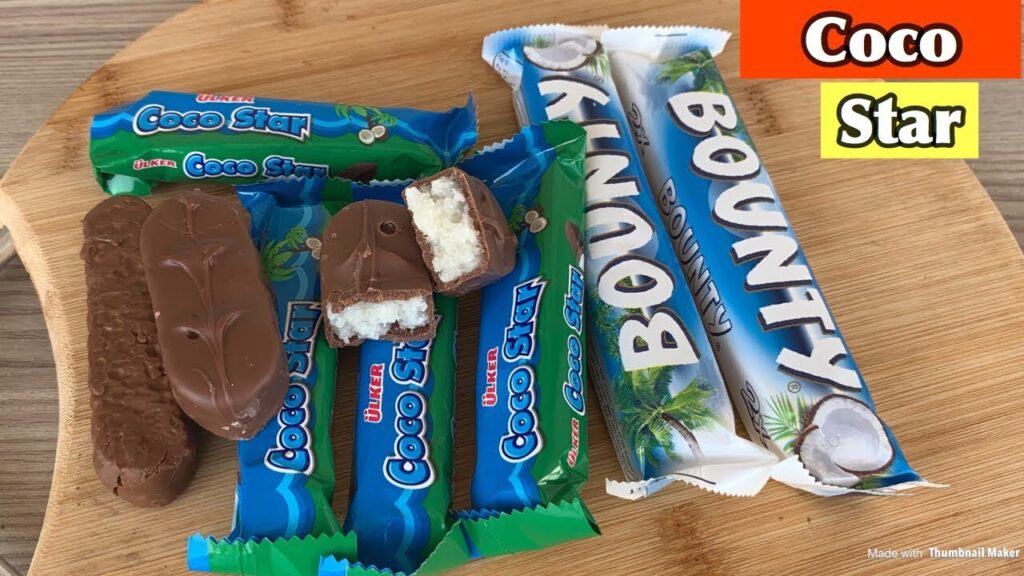
Coco Star is Turkey’s version of Almond Joy—but designed for coconut lovers who don’t want a single giant almond. It is a rich coconut cream inside covered with milk chocolate, which gives a sweeter, more tropical character. Today, it’s still the first choice of tourists looking for something different but familiar.
Metro
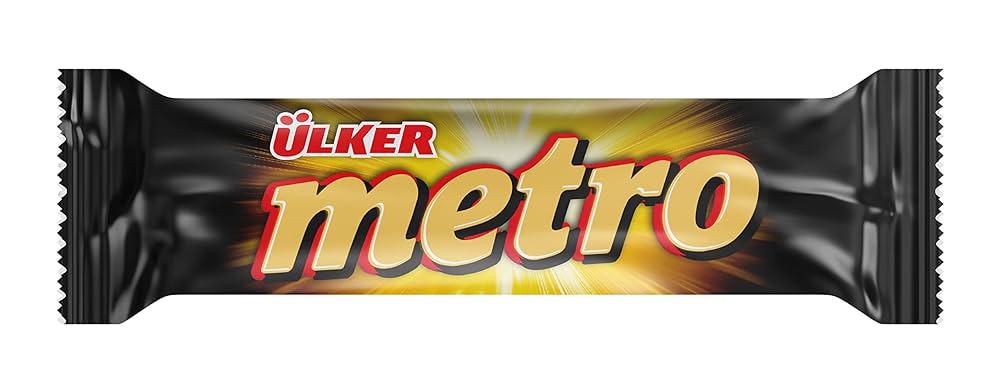
Metro is Turkey’s less intense Milky Way—layers of nougat topped with caramel, all wrapped into a thin chocolate shell that just slightly sweetens the caramel without overpowering it. It was initially released in the 1980s and subsequently gained a loyal fan base for being a lighter and more balanced dessert compared to the denser European Milky Way or the American Snickers. The caramel-to-nougat ratio is perfect; it defies quick staleness, and the packaging remains fresh.
How did you like this list of Turkish snacks? Did you ever try any of them? Do you know of any other snacks that deserve a mention? Feel free to share your thoughts in the comments below.