
If you enjoy exotic, non-alcoholic beverages, you’ll surely enjoy learning about kompot. A fruit-based drink popular in many Slavic countries, kompot was one of the most popular drinks in the former Eastern Bloc. Today, with many sodas and different kinds of juice, its popularity may be declining but kompot will always have a significant place in the history and cultures of most Eastern European countries. In this post, we’ll present the traditional kompot recipe (it only takes 1 hour or sometimes even less) and teach you everything there is to know about this drink, including its origin, variations, preparation tips, storing tips, and much more.
But first things first…
What Is Kompot?


Kompot is a delicious homemade juice made of a mixture of different kinds of fruit and sugar infused in boiling water. The drink originates from Russia and is popular in most Eastern European countries. In summer, it’s served as a cold refreshing drink while in winter, it’s served warm with some extra spices and dried fruits.
Most often, the kompot recipe consists of either, apples, plums, apricots, peaches, grapes, pears, cherries, blackberries, and raspberries but it can basically be made from any fruit. Traditional culinary habits dictate preparing kompot with fresh seasonal fruits, but frozen fruits, fruit syrup, or even dried fruits are acceptable.
What Does Kompot Taste Like?


Kompot doesn’t have one flavor and no two kompot recipes taste the same but the flavor is mostly influenced by the fruits that you decide to use and the ratio of fruit-sugar (or syrup). One thing we have noticed is that if you use fruits with light colors (i.e. apples, apricots, etc.) the kompot might lack flavor if you don’t add extra sugar or syrup. That’s why our recommendation is to use fruits with darker colors (i.e. plums, grapes, cherries, and all kinds of forest berries).
Enjoying this post? Then you may also like our Dagestan food guide.
Origins & History


The name kompot derives from the Latin word “compositus”, meaning mixture. Its origins are tightly related to “compote”, a Medieval European jam-like desert that uses the same ingredients (fruits and syrup) but has a denser texture. The kompot recipe in its liquid form traces its origins back to the 16th and 17th centuries in the territory of today’s Russia and Ukraine. The drink was called zvar or uzvar and was a festive drink usually served on Christmas Eve.
In its traditional form, zvar or uzvar was prepared from dried fruits, mostly apples, plums, prunes, pears, and grapes. Originally, this drink appeared in the northwestern part of Russia as a technique for preserving fruits during winters because people had limited access to fruits and vegetables during the long, cold winters. The preservation technique allowed Russian families to enjoy the taste and nutrition of fruits even in winters when fresh fruits were nowhere to be found.
Additionally, in the past, kompot was widely available in stores, most Russian enterprises’ canteens, and even at universities’ canteens. In these canteens, kompot was traditionally served alongside a traditional meal, consisting of a soup, main course, and a glass of kompot. At one point, Russians became so accustomed to getting kompot alongside a meal that they would rather see the world collapse than to have a meal without a kompot.
This gave birth to the iconic quote “где мой компот?”, meaning “where is my kompot?”. Today, this phrase is used by people who are confused as to why they haven’t been given something that they should have clearly gotten.
Variations


Kompot is part of the culinary cultures of most countries in Eastern and Central Europe, as well as some Central Asian countries that were a part of the Eastern Bloc. Today, you can find kompot in Russia, Ukraine, Belarus, Armenia, Georgia, Estonia, Latvia, Lithuania, Poland, Hungary, Romania, Moldova, Slovenia, Croatia, Bosnia and Herzegovina, Serbia, Bulgaria, Macedonia, Kazakhstan, Uzbekistan, and Kyrgyzstan.
Obviously, the kompot recipe has many different variations, depending on the fruit being used to prepare the drink but there are also a lot of regional variations that are slightly different from each other. The three most common variants of kompot today are mors, vzvar, and uzvar.
Mors is a kompot made from berries (cranberries, strawberries, raspberries, blueberries, etc.) that has a thicker consistency because the small berries dissolve when boiled.
Uzvar is a celebratory drink traditionally served on Christmas Eve and the main difference between uzvar and kompot is that the former one uses dried fruits (most often prunes or apples) and honey instead of sugar.
Vzvar is a variant of kompot which uses aromatic herbs and a little bit of wine in its preparation.
Compote is a thicker version of kompot that uses more sugar, it resembles jam and is popular in France and some other countries in Western Europe.
Another thing that can be compared to kompot is Macedoniene which is a fruit salad made of different mixed fruit and syrup. It’s popular in Mediterranean countries like France, Italy, and Greece.
Enjoying this post? Then you may also like our list of Slovenian desserts.
Fruits & Add-Ons You Can Use


Traditionally, the most commonly used fruits are apples, pears, apricots, and plums. People would make kompot and preserve it in a way that allows them to consume these fruits even in winters. As time passed by, people realized that they can do this with any kind of fruit and they started preserving peaches, strawberries, cherries, and forest berries.
Today, some people also used dried fruits like prunes, raisins, dried apples, dried apricots, etc. Some even add herbs like fresh mint, rosemary, or mullen leaves, or even spices like cinnamon, fresh ginger root, cloves, or vanilla to add some aroma and warmth to the kompot.
Enjoying this post? Then you may also want to check out our ultimate list of Bosnian desserts.
What About Frozen Fruits?
Traditionally, kompot is made of fresh fruits and personally, I don’t like the flavor frozen fruits bring because after all, you still have to boil the fruits. But if you don’t have any other available fruits, that’s still better than nothing. One way I like using frozen fruits though is by adding pieces of frozen fruits in an already prepared and chilled kompot. This makes kompot even more refreshing in summers.
Losing Popularity?

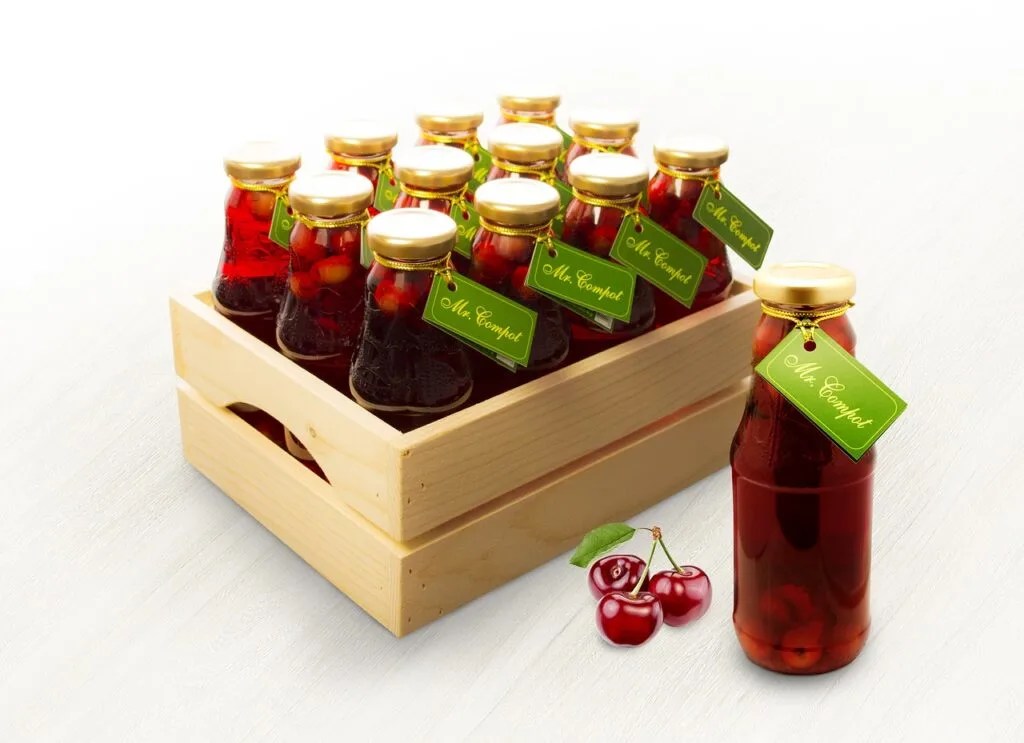
Until the fall of the Eastern Bloc in 1990, kompot was extremely popular throughout Eastern Europe. Partly, this was the case because of the lack of imported juice and sodas from the West, and in those circumstances, kompot was king. Today, however, these countries have open trade with most of the world and they can also easily import fruits from warmer parts of the world even during winters. Kompot might not be as popular as it once was but it will always have a special place in most of these countries’ cultures and history.
Enjoying this post? Then you may also like our list of the best Bulgarian desserts or Bulgarian snacks.
Serving & Storing


Kompot can be served on many different occasions. Traditionally, it’s served alongside a meal (like bigos) usually as a dessert but it can also be served alongside a light snack (like langos, zapiekanka, syrniki, piroshki, placinta, salo, or gibanica) or another sweet (like vanilice or cupavci). In the winters, kompot can be served warm like tea while in the summers, it can be served with a few ice cubes and/or frozen fruits.
If you keep it in a glass container, your kompot can stay fresh for up to 5-6 days. If you want to keep it for longer, you can preserve your kompot in large glass jars or bottles. A well-preserved jar of kompot can last for up to a few years.
A Few Things You May Need


Saucepan


Boiling Pot

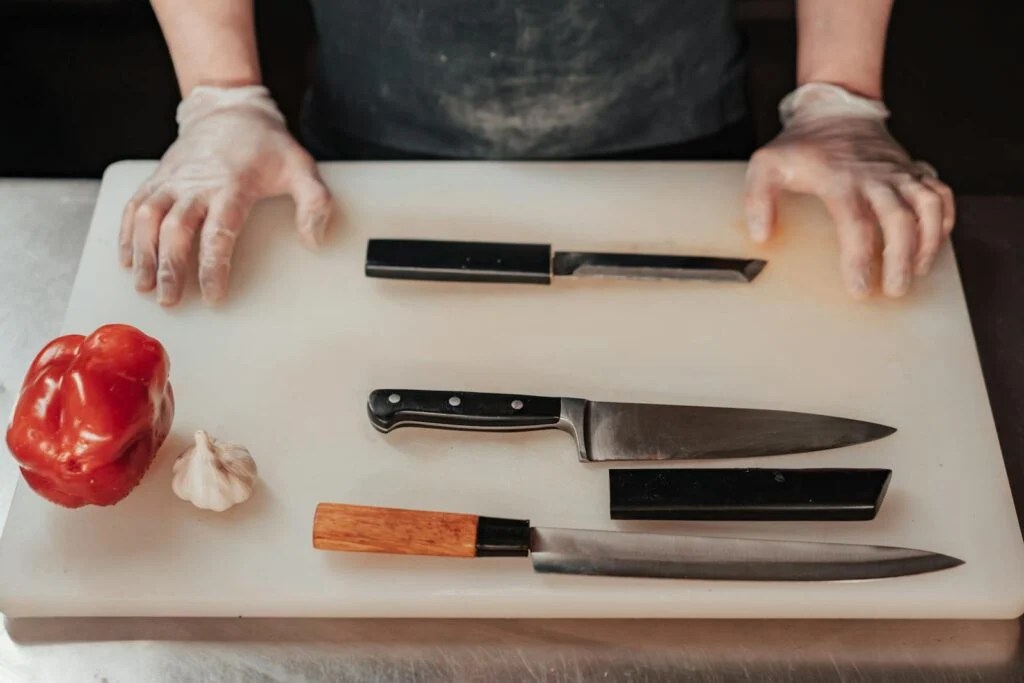
Cutting Set
Kompot Recipe


In this post, we’ll present the traditional kompot recipe and teach you everything there is to know about this drink, including its origin, variations, preparation tips, storing tips, and much more.
Ingredients
- 20 Apricots, 5 Cups of Cherries, 4 Cups of Blueberries, 10 Peaches, 10 Apples, or 10 Pears (choose one)
- 2 Litres of Water
- 3/4 Cup of Sugar
- 1 Rosemary Leaf (chopped)
Optional
- 1 Teaspoon of Honey
- Use ginger, vanilla, cloves, cinnamon, or ginger for taste.
Instructions
- Boil the water.
- Choose which fruit you’ll be using, wash it, and (if the fruits are bigger, i.e. apple, peach, apricot, plum, etc.) cut it into small pieces and remove the pits (if any).
- Once the water is boiling, slowly add the fruit, switch the heat to medium and let the mixture boil for 40 minutes, uncovered. If you’re combining more different fruits, boil the harder fruits first and add the softer fruits after 20 minutes because if you add everything together, the softer fruits might completely fall apart while cooking.
- After that, turn off the heat, add the sugar and honey (if you choose to use some), stir well for at least 2 minutes, and let the mixture simmer for a few more minutes.
- Remove from heat and let the kompot cool down.
- Once cool, transfer the kompot into a jar. Leave 3/4-inch (2 cm) headspace from the top and close the jar tightly.
- Fill a pot with water and place the jar in the pot, lid side up. You should have enough water in the pot to cover at least 1 inch above the jars.
- The kompot prepared this way can either be served as-is or it can be kept in the fridge if you want to serve it chilled.
Preserving For Longer Periods
- Bring the water to a gentle boil and sterilize for no more than 5 minutes, use a timer if necessary.
- Carefully pour the hot water out and use kitchen mittens to move each jar. Place the jars upside down at a safe place and let them cool down entirely.
Nutrition Information:
Serving Size:
1 CupAmount Per Serving: Calories: 62Total Fat: 2gSaturated Fat: 1gTrans Fat: 0gUnsaturated Fat: 0gCholesterol: 0mgSodium: 21mgCarbohydrates: 19gNet Carbohydrates: 19gFiber: 1.5gSugar: 17gSugar Alcohols: 0gProtein: 1.5g
Did you ever try kompot? If so, are you a fan? How did you like our kompot recipe? Feel free to share all of your thoughts in the comments below and if you tried to make this recipe at home, don’t forget to leave us a rating.
Like it? Pin it.


