
Ever wondered what happens when simple ingredients slow-dance in a pot until they become something utterly comforting and soul-warming? Enter djuvec, the Turkish delight that’s about to steal your heart (and your dinner plans). In this article, we’ll introduce you to the traditional djuvec recipe and teach you everything there is to know about this delicious dish, including its origin, preparation tips, and more.
But first things first…
What is Djuvec?
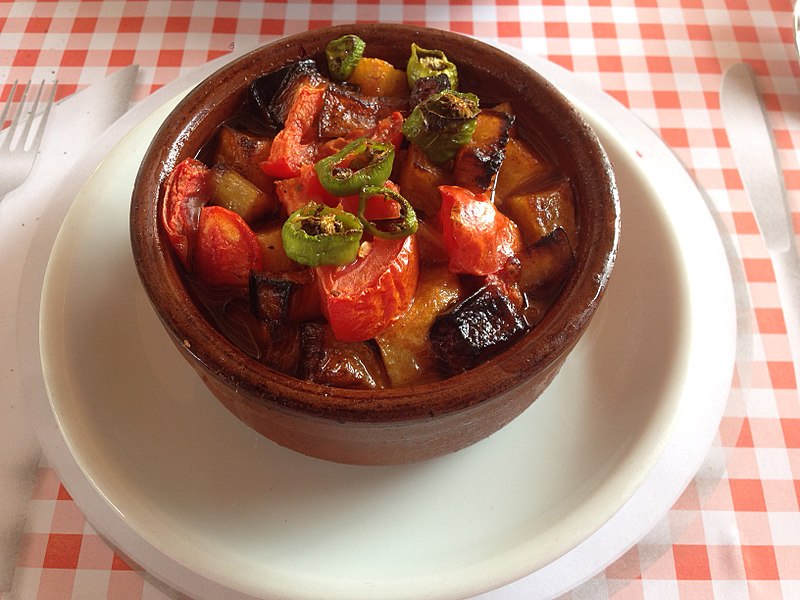
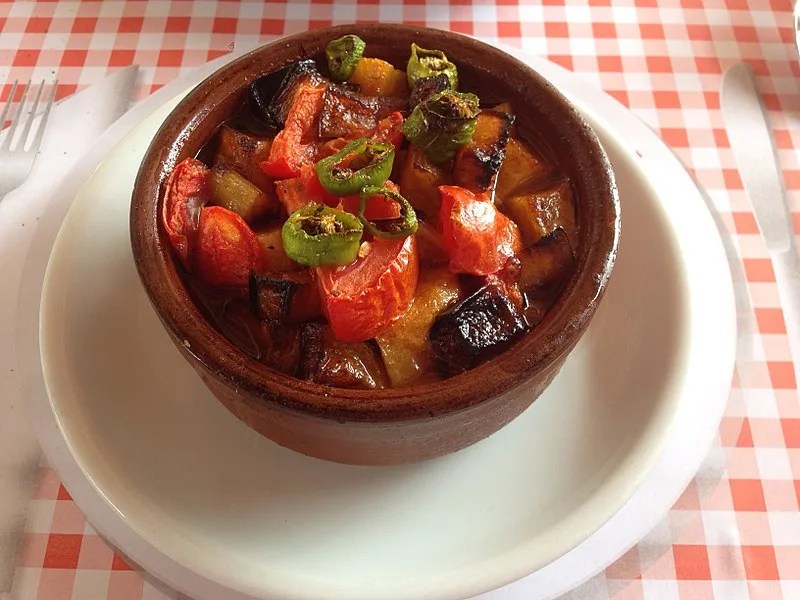
It is essentially a hearty Turkish stew in which meat and colorful vegetable cubes are combined in a savory tomato-spiced soup. Usually cooked in a clay pot, and giving the dish an earthy richness, in this one-pot wonder, everything is about soft textures and deep flavours that develop gradually in the dish to give you a hearty but surprisingly light dish. It is the type of food that makes you feel held in a hug, just the right food to consume during evenings when you feel like something that is comforting to your body and yet so simple.
Djuvec Origin


The history of the Djuvec recipe dates back to Anatolia, earlier than Ottoman Empire times, where the nomadic Turkic peoples used earthenware cooking vessels to retain moisture to retain tastes on long walks. Dje voc is a name describing the dish and the pot itself, which is a tribute to the importance of the vessel in the technique.
This method of slow cooking was popular in the Ottoman courts and in peasant households, and was spread to the Balkans, where it developed as a number of dishes such as Bulgarian gyuvech or Serbian đuveces. In Anatolian villages in the past, pots were covered with dough and either buried in embers overnight or taken to communal bakeries to be baked down- these modes reverberate a strong respect towards communal resources and the magic of time in turning low fare into something sublime.
Djuvec Recipe Variations


The differences are numerous, and the diversity of Turkey and the availability of ingredients. In the eastern part of Anatolia, there are lamb or beef ones that have strong spices such as pul biber (red chili flakes), and coastal regions may use fish or seafood to have a lighter touch. Adaptations to vegetarianism, called sebze djuvec, replace meat with additional vegetables such as zucchini or okra, and focus on harvests during summer.
Some ingredient substitutes are chicken instead of tavuk djuvec and mushrooms instead of umami. Locally Balkan versions (Macedonian, Serbian, Bulgarian, Albanian) tend to be more potato-and-paprika laden, whereas updated versions may introduce international substitutions, such as quinoa as a gluten-free base- but no one ever dares to bend the main idea of the slow-simmered harmony.
Preparation Tips

Here are some preparation tips to ensure your djuvec turns out triumphant:
- Choose well-marbled cuts like lamb shoulder to keep the stew moist without added fats; leaner meats benefit from a drizzle of olive oil.
- Layer ingredients thoughtfully—meat at the bottom absorbs juices, veggies on top retain some bite.
- Avoid stirring during cooking to let flavors stratify naturally, preventing mushiness.
- Use minimal liquid; the veggies’ natural moisture creates a rich sauce, but check midway if your oven runs hot.
- Season in stages: a base layer for the meat, then more for veggies, to build depth without overwhelming.
- If using eggplant, salt and rinse it first to draw out bitterness, ensuring a sweeter, silkier result.
Djuvec Serving tips


Djuvec is served with serving tips, which make it a community dish. Served in large portions right out of the pot, traditionally, it is sometimes served with fluffy Turkish rice pilaf, bulgur wheat, or crusty bread such as pide to mop up the savory juices. Serve it with a dollop of yogurt to cool it down or just a plain cacik (cucumber yogurt dip) to break the richness. Although it is not exclusive to certain events, it is a regular meal in iftar at Ramadan or informal parties, which is associated with generosity and sociability. To be fancy, garnish with fresh parsley or thyme- serve hot, so that the smells may welcome all to the table.
Storing
A few words on storing: Djuvec shines as leftovers, with flavors deepening overnight. Cool completely, then refrigerate in an airtight container for up to five days or freeze portions for three months—reheat gently on the stovetop with a splash of water to revive the sauce.
A Few Things You May Need


Dutch Oven


Frying Pan


Spatulas
Djuvec Recipe


In this article, we’ll introduce you to the traditional djuvec recipe and teach you everything there is to know about this delicious dish, including its origin, preparation tips, and more
Ingredients
- 1 ¾ lbs (800g) diced lamb shoulder
- 5 cloves garlic, whole
- 10 button onions or small shallots, peeled
- 1 large eggplant, cubed
- 2 Turkish green peppers (or 1 bell pepper), sliced
- 1 cup (150g) green beans, trimmed and cut
- 1 cup (200g) grated or blitzed tomatoes
- 1 tablespoon tomato paste
- 1 tablespoon red pepper paste (salça)
- 1 teaspoon dried thyme or oregano
- ½ teaspoon freshly ground black pepper
- ½ teaspoon pul biber (flaked chili)
- 1 ½ teaspoons salt
- 1 tablespoon olive oil (optional, for lean meat)
- ⅔ cup (150ml) vegetable or chicken stock
Instructions
1. Preheat your oven to 180°C (350°F). Prep veggies: Peel onions and garlic whole; deseed and slice peppers; cube eggplant (salt if bitter, rinse after 20 minutes); trim and halve beans; grate tomatoes.
2. In a djuvec pot or a Dutch oven, layer lamb at the bottom. Sprinkle with one-third of the salt, pepper, chili, and herbs.
3. Mix veggies (onions, garlic, eggplant, peppers, beans) and pile atop the lamb. Add another third of the seasonings.
4. In a bowl, whisk remaining seasonings with tomatoes, tomato paste, pepper paste, stock, and olive oil (if using). Pour over the veggies evenly.
5. Cover with a lid (or foil if no lid). Bake for 1 hour.
6. Uncover and bake another hour until the lamb is tender and the top slightly browned—don't stir. Rest 20 minutes before serving. Adjust salt if needed.
Nutrition Information:
Serving Size:
1 bowlAmount Per Serving: Calories: 304Total Fat: 11gSaturated Fat: 3gTrans Fat: 0.1gUnsaturated Fat: 8gCholesterol: 81mgSodium: 902mgCarbohydrates: 25gNet Carbohydrates: 18gFiber: 7gSugar: 10gSugar Alcohols: 0gProtein: 29g
There you have it—a djuvec recipe that’s as timeless as Turkish hospitality itself. Dive in, and let the flavors transport you to Anatolia’s hearths. Did you like our djuvec recipe? If you tried it at home, don’t forget to leave us a rating, or if you have any questions, feel free to ask in the comments below.
Like it? Pin it.
