
Imagine a bowl of warmth that whispers ancient secrets from Turkish hearths, ready to chase away chills and ignite your taste buds with a tangy embrace. In this article, we’ll introduce you to the traditional tarhana soup recipe and teach you everything there is to know about this delicious dish, including its origin, variations, preparation tips, and more.
But first things first…
What is tarhana soup?


This is a delicious Turkish dish, which is a thick, luscious soup that has been a fermented blend of yogurt, flour, and vegetables dried to a powder or bits that are then rehydrated and boiled to perfection. The fermented taste is tangy, a little sour or bitter, and the natural ferment gives it a comforting broth, which is nourishing and rich in probiotics and often spiced with mint or chili to add extra flavor. It is like a hug in the form of a food, very simple, and very fulfilling, and an intergenerational go-to when you feel like having a good meal.
Origins

The history of tarhana soup can be traced back to Central Asia, to the nomadic Turks who invented methods of food preservation through fermentation when migrating, and probably this process was invented before the 11th century. Introduced to Anatolia in the Seljuk period, it developed as a winter necessity, the name perhaps becoming torkhaneh in Persian, or tarkhaneh, meaning sour house, due to its tang as yogurt.
In the Ottoman Empire, it was made at home and served as a source of resourcefulness. Families made it in big batches during the summer and dried it under the sun so that they could save it during chilly winters. It also influenced the Balkans, Greece, and Cyprus, where it changed and adapted to local grains and climate, and represented a common food culture of survival and community.
Tarhana Soup Recipe Variations

Tarhana soup is characterised by a variety of regions and ingredients in Turkey, and more than 50 varieties are recorded. In western Turkey, such as Izmir, it is lighter with sweet red peppers and flour-based dough to make the dish smoother; eastern ones are made of Gaziantep filled with hot peppers, chickpeas, or lentils to have heartier bites. Others do not use flour but bulgur wheat, which gives it a more nutty taste, and vegetarian versions omit such ingredients as meat, concentrating on vegetables such as tomatoes, onions, and herbs.
Balkan variations may offer additional potatoes or paprika, and contemporary additions comprise quinoa or gluten-free flour blends. There are also variations in drying techniques: in the sunny south, the tarhana is dried in the sun, creating crumbly “topak” tarhana; whereas in the cooler north, it is dried in the shade to retain color and nutrients, so that with every bowl of tarhana, one can discover a story about people living in these local areas.
Preparation tips to make your tarhana soup a success

- Soak the tarhana powder in water beforehand to prevent lumps and ensure even rehydration.
- Use homemade or quality store-bought tarhana for authentic tang; fresh fermentation yields better probiotics.
- Sauté aromatics like garlic in butter first to build a flavorful base without overpowering the soup’s natural sourness.
- Simmer on low heat to avoid curdling the yogurt elements—stir gently and frequently.
- Adjust liquid gradually; start with less stock for a thicker consistency, adding more if it thickens too much.
- Taste and season late in cooking, as fermentation intensifies flavors over time.
Serving Tips

Turn tarhana soup into a shared treat, which is usually poured into bowls as hot, and topped with dried mint, pul biber (chili pepper), or a drizzle of melted butter mixed with paprika to add color and richness. It is usually served with a lot of bread (pide or simit) to sop up the soup, or yogurt to add additional creaminess, and a simple cucumber and tomato salad or other Turkish sides.
It is also a Turkish winter favorite to fight colds as it is an immune-boosting drink and is served every day in households or at iftar time during Ramadan, as a sign of comfort and hospitality, and no special occasion is required, although it is loved during family celebrations. To make it, croutons or grated cheese can be used as a topping in the modern presentation.
Storing
A few words on storing: Dried tarhana mix keeps indefinitely in an airtight container in a cool, dark place; cooked soup refrigerates for 3-5 days or freezes up to 3 months—thaw and reheat with a splash of water to restore creaminess.
A Few Things You May Need
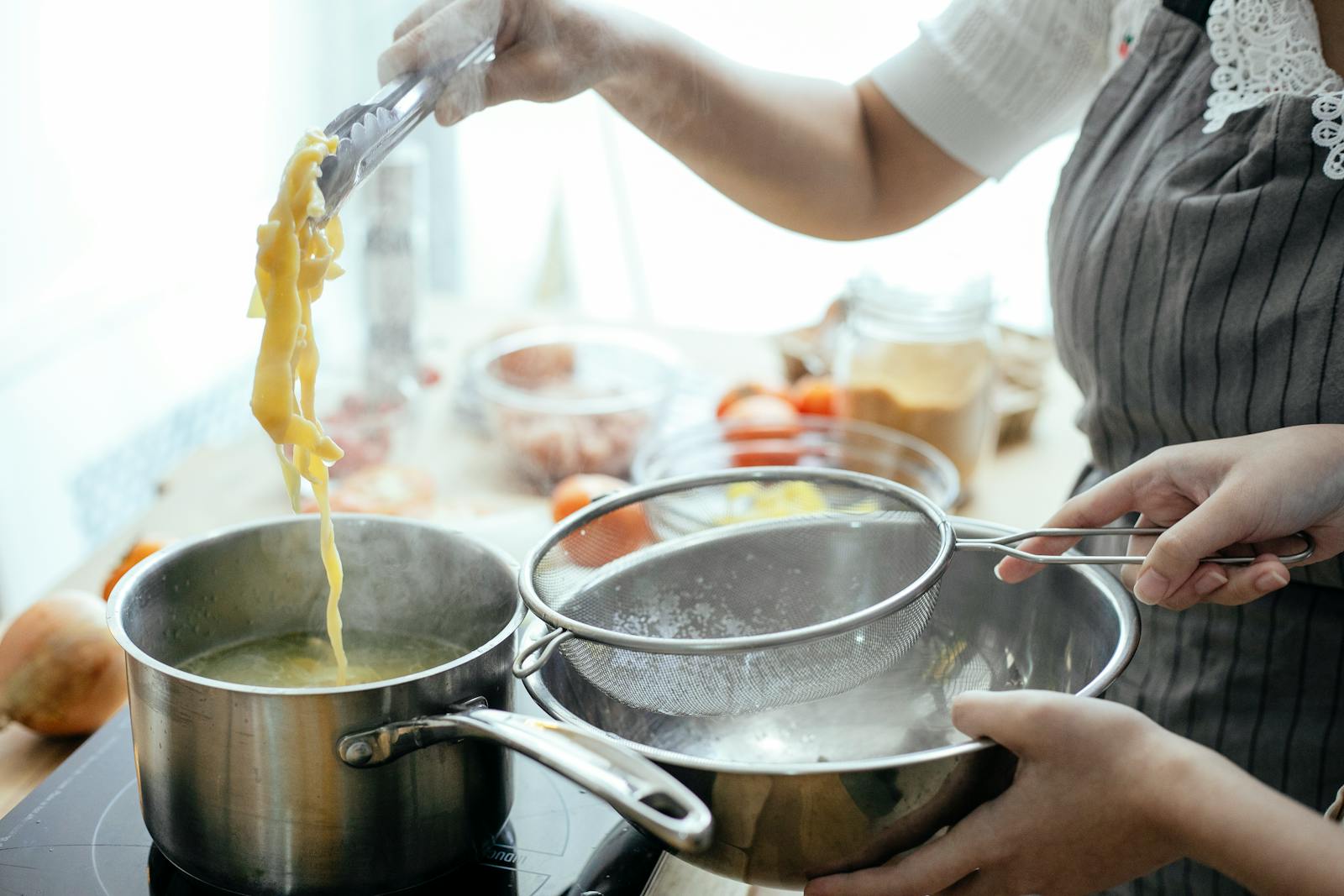

Wooden Spoon


Large Soup Pot

Box Grater
There you have it—the tarhana soup recipe, a timeless Turkish treasure that’s as good for the body as it is for the soul. Whip it up and savor the heritage in every spoonful.
Like it? Pin it.
